


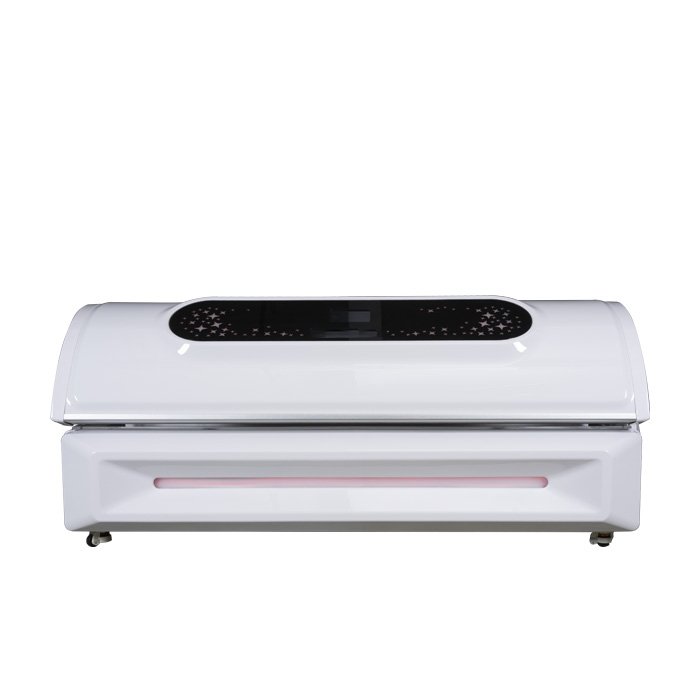
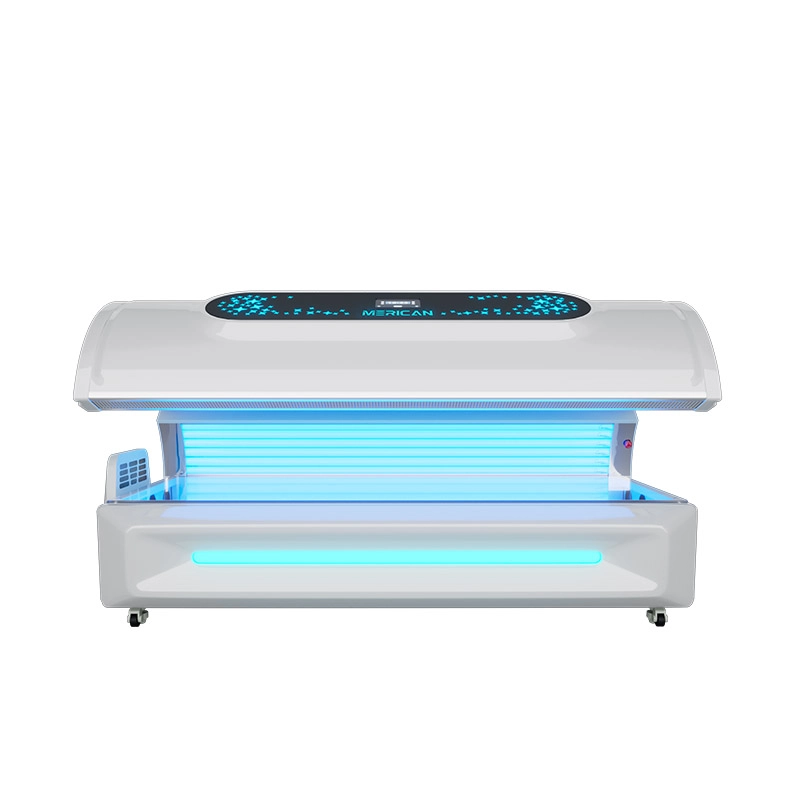

As we age, wrinkles and fine lines are an inevitable part of life, and for many, the quest for youthful skin leads to a variety of treatments. From makeup concealing to Botox injections and laser resurfacing, we’ve seen it all. But now, a new trend is making waves in the world of anti-aging treatments: red light therapy. Also known as light-emitting diode (LED) therapy, low-level laser therapy (LLLT), or photobiomodulation, red light therapy claims to reduce the appearance of wrinkles and improve skin texture. But is this treatment really as effective as advertised? Let’s explore how red light therapy works, its potential benefits, and what you can realistically expect from this treatment.

1. Pochopenie terapie červeným svetlom
Red light therapy is a treatment that involves exposing the skin to low levels of red or near-infrared light, typically in the wavelength range of 600 to 650 nanometers. Initially discovered by NASA in the 1980s while studying its effects on plant growth in space, red light therapy was later found to have numerous skin benefits, including promoting faster healing of cuts and reducing inflammation.
In the context of skin rejuvenation, red light therapy targets the mitochondria in skin cells. Mitochondria are known as the “powerhouses” of cells because they generate energy. When exposed to red light, these cells receive a boost in energy production, allowing them to function more efficiently, repair damage, and regenerate faster.
2. How Does Red Light Therapy Affect Wrinkles?
At the heart of red light therapy’s anti-aging benefits is its ability to stimulate the production of two essential proteins: collagen and elastin. Collagen is a structural protein that keeps skin firm and plump, while elastin gives skin its ability to stretch and bounce back. As we age, collagen production naturally declines, leading to wrinkles, sagging, and a loss of skin elasticity.
By promoting the production of these proteins, red light therapy helps to smooth the skin’s texture, reduce fine lines, and restore elasticity. The increased circulation caused by the therapy also brings more oxygen and nutrients to the skin, which further enhances skin health and reduces the appearance of aging.
3. Veda za terapiou červeným svetlom
While research on red light therapy is still ongoing, the preliminary findings are encouraging. Numerous studies suggest that red light therapy can:
- Increase collagen production
- Improve the appearance of wrinkles and age spots
- Tighten and firm the skin
- Enhance skin texture and elasticity
However, some of these studies were small-scale, and many were sponsored by manufacturers of red light therapy devices. This means the results may be somewhat biased or less reliable. Moreover, the lack of industry-wide standardization in light wavelengths and device intensities can lead to inconsistent results, making it challenging to know exactly what to expect from a given treatment.
4. Is Red Light Therapy Effective for Wrinkle Reduction?
The effectiveness of red light therapy in reducing wrinkles largely depends on the individual, the severity of the wrinkles, and the quality of the device used. While many users report subtle improvements in skin tone and texture, it’s important to note that results are gradual and cumulative. Unlike more aggressive treatments like Botox or laser resurfacing, red light therapy isn’t a quick fix.
Dr. Hannah Kopelman, a dermatologist based in New York City, explains, “I’ve seen firsthand how red light therapy helps improve the texture and elasticity of my patients’ skin over several sessions. However, it’s not an immediate solution like some other procedures.” The key takeaway is that while red light therapy can improve skin over time, it requires patience and consistent use.
5. What to Expect from Red Light Therapy Sessions
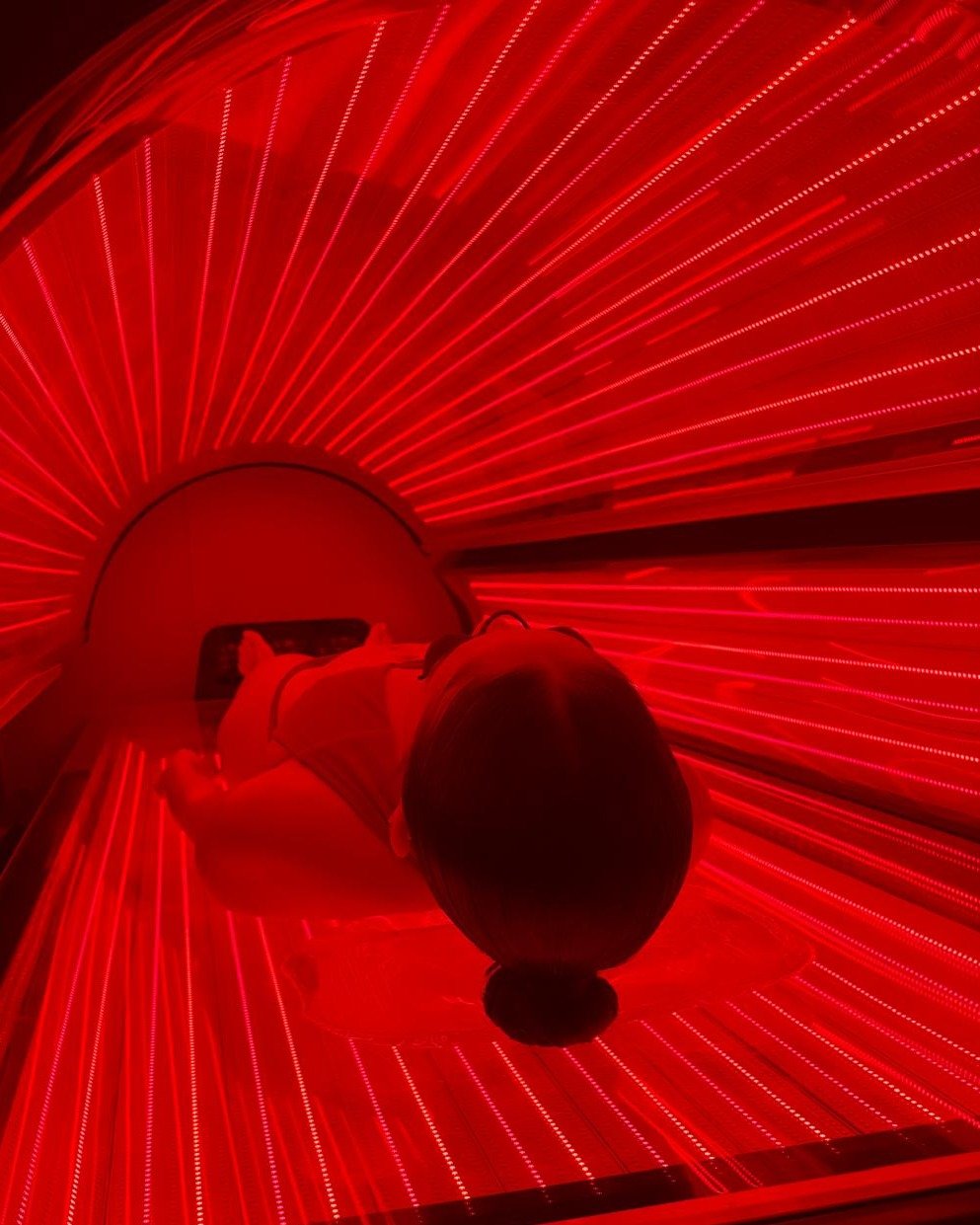
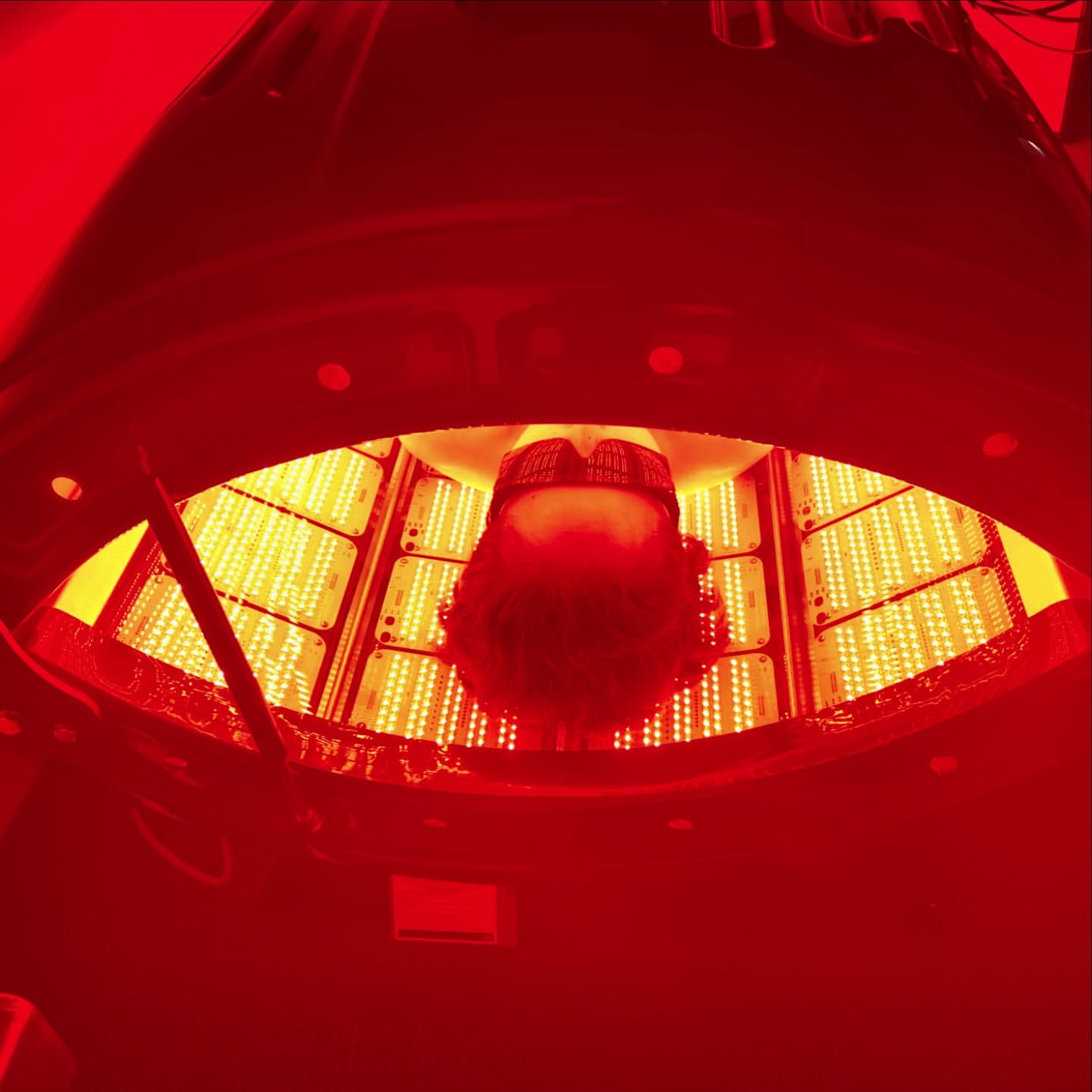
You can undergo red light therapy at a dermatologist’s office or purchase home-use devices like LED masks or handheld wands. In-office treatments typically use more powerful devices, such as LED panels or handheld lasers, which deliver higher intensities of light compared to at-home products. The process is non-invasive, painless, and doesn’t require downtime.
At-home devices, like LED masks, tend to emit lower-intensity light, but they still offer some benefits. However, the results from these devices can be slower to appear and less dramatic compared to professional treatments. Either way, red light therapy doesn’t penetrate deeply enough to cause pain or damage to the skin.
6. How Often Should You Use Red Light Therapy?
For maximum effectiveness, consistency is key. Most professionals recommend undergoing red light therapy once or twice a week for the first six to ten weeks. After that, maintenance sessions every four to six weeks can help sustain the results. As with any skincare treatment, it’s important to protect your skin from sun damage and practice good skincare habits to keep your skin looking youthful.
7. Costs of Red Light Therapy
The cost of professional red light therapy varies depending on the location and the type of treatment you receive. In-office sessions typically range from $50 to $150 per session. While this may seem expensive, it’s essential to consider that multiple sessions are usually needed for optimal results.
For those looking to use red light therapy at home, devices like LED masks can cost anywhere from $50 to $500. While these devices are more affordable, it’s essential to research the brand and check whether it has clinical studies supporting its claims. Additionally, ensure that the device is FDA-cleared to ensure safety.

8. Risks and Side Effects of Red Light Therapy
Red light therapy is generally considered safe, with few risks associated with the treatment. Since it uses low-level light, it is not harmful to the skin and does not increase the risk of skin cancer like ultraviolet (UV) light can. Some people may experience mild redness or swelling, but these side effects are rare and temporary.
It’s important to be cautious if you have photosensitivity or are taking photosensitizing medications, such as certain antibiotics or acne treatments. Before starting red light therapy, consult with a dermatologist, especially if you have sensitive skin or any pre-existing conditions.
9. The Bottom Line: Is Red Light Therapy Worth It?
For many individuals seeking subtle improvements in skin texture and the reduction of fine lines and wrinkles, red light therapy can be an effective and non-invasive option. While it may not provide the instant, dramatic results of Botox or lasers, it offers a gradual, natural way to rejuvenate the skin over time.
Dr. Kopelman sums it up well: “For the right patient, red light therapy is a worthwhile investment. It’s a great option for those looking for a non-invasive, low-risk treatment with gradual, cumulative results. However, it’s not a substitute for more intensive procedures for deeper wrinkles or more significant concerns.”
10. Frequently Asked Questions
1. How long does it take to see results with red light therapy for wrinkles?
Results from red light therapy are not immediate. Most individuals begin to notice improvements after 4 to 6 weeks of regular treatment, with more significant changes occurring after 10 to 12 weeks.
2. Can red light therapy replace Botox or fillers?
Red light therapy is not a substitute for Botox or dermal fillers. While it can reduce the appearance of fine lines and improve skin texture, Botox and fillers target deeper wrinkles and offer more immediate results.
3. Je terapia červeným svetlom bezpečná pre všetky typy pleti?
Yes, red light therapy is generally safe for all skin types. However, it’s always best to consult with a dermatologist before starting any new skincare treatment, especially if you have sensitive skin or are prone to photosensitivity.

 EN
EN EN_GB
EN_GB DE
DE EL
EL ES
ES UZ
UZ FR
FR IT
IT JA
JA CS
CS DA
DA DE_AT
DE_AT FI
FI ET
ET HR
HR FR_BE
FR_BE HU
HU KO
KO IS
IS KA
KA LT
LT NL
NL UK
UK TR
TR SV
SV SR
SR SL
SL SK
SK RU
RU RO
RO PT
PT NB
NB AR
AR CY
CY