Imagine a world where one simple, non-invasive treatment could simultaneously rejuvenate your skin, banish chronic pain, speed up muscle recovery, accelerate wound healing, stimulate hair growth, enhance cognitive function, support stem cell activation, and elevate your overall energy levels—without the side effects of a pharmaceutical. Professor Michael Hamblin, a leading authority on photobiomodulation, famously remarked that if these benefits came in a pill, it would be a trillion-dollar blockbuster and be prescribed to billions of people. The reality is that this “miracle drug” already exists: it’s called Red & Near Infrared Light Therapy (R/NIR-LT). In this extensive guide, you’ll discover the science behind R/NIR-LT, explore nine core benefits, learn two bonus features to supercharge your results, and find answers to three of the most common questions. Whether you’re seeking to turn back the clock on skin aging, boost athletic performance, or simply live a more vital life, this article has you covered.
1. What Is Red & Near Infrared Light Therapy?
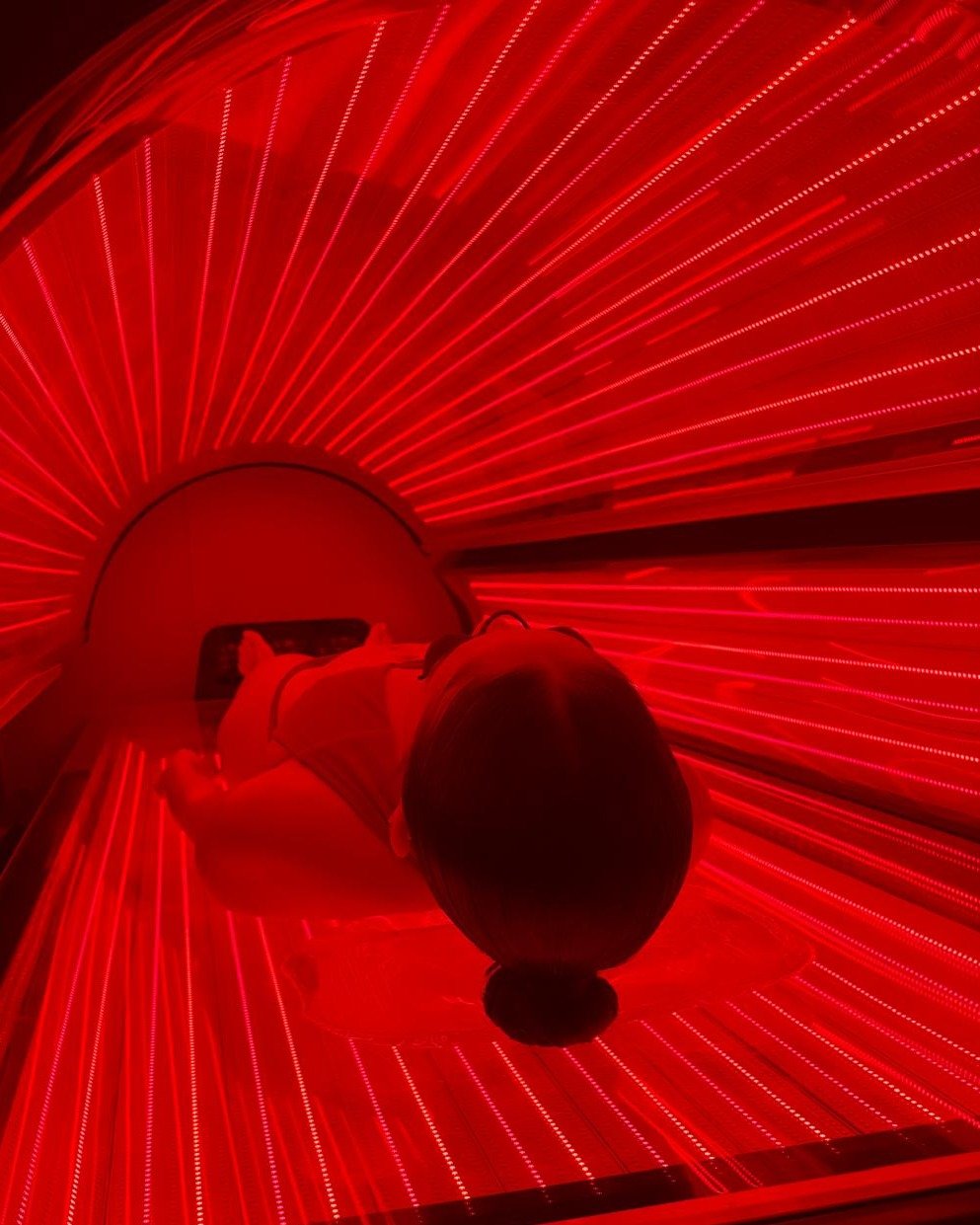
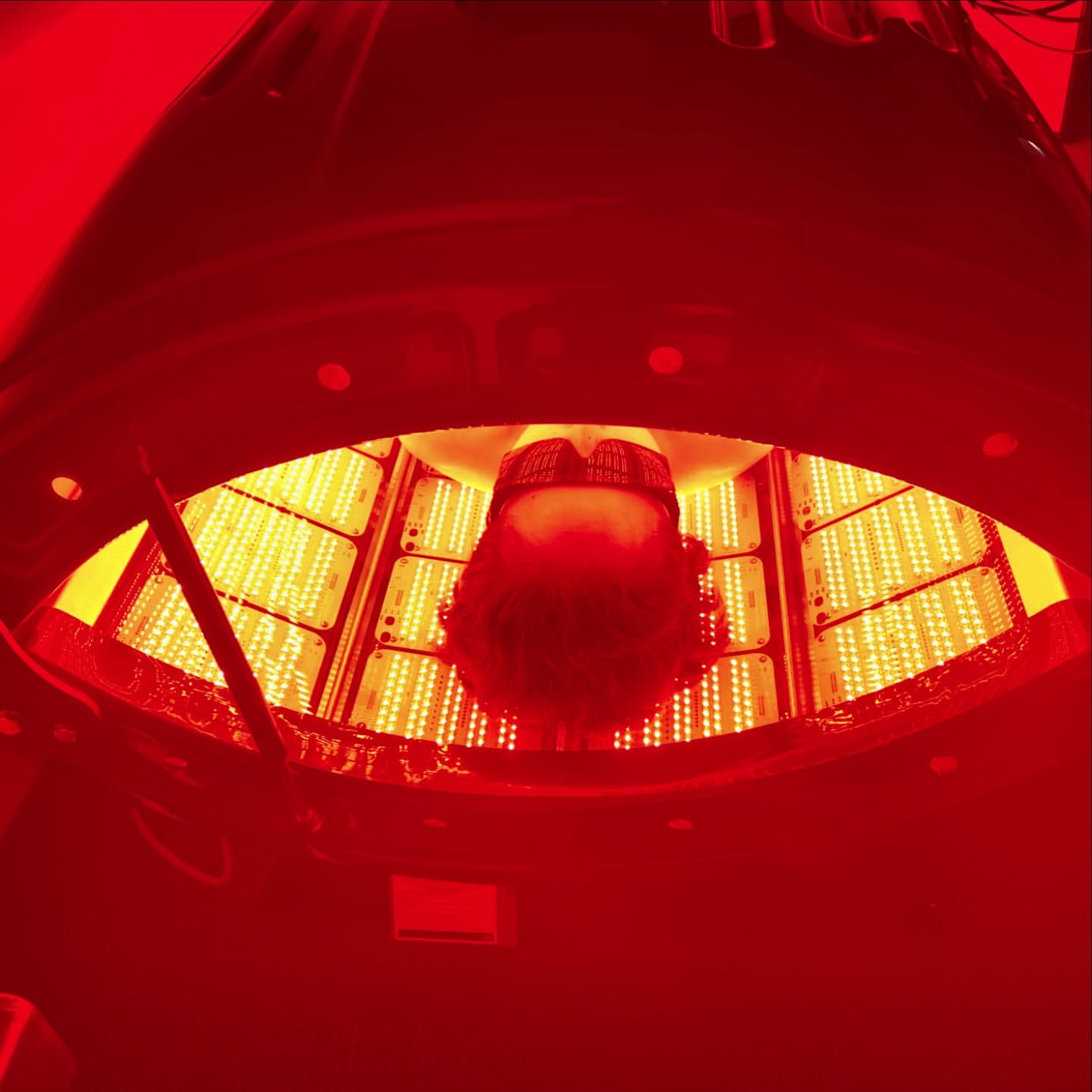
Red & Near Infrared Light Therapy (R/NIR-LT) harnesses specific wavelengths of light—generally 600–700 nm (red) and 800–1,000 nm (near infrared)—to penetrate tissues and modulate cellular function. The key target of this therapy is a mitochondrial enzyme called cytochrome c oxidase, which absorbs these photons and accelerates the production of adenosine triphosphate (ATP), the primary energy currency of cells. Enhanced ATP levels fuel vital processes: collagen synthesis, elastin production, angiogenesis, neuroprotection, and anti-inflammatory signaling.
Historical Context & Development The therapeutic use of red light dates back to the early 20th century, with Niels Finsen earning the Nobel Prize in 1903 for applying UV and visible light to treat skin tuberculosis. Modern R/NIR-LT emerged in the 1960s, when Hungarian physician Endre Mester discovered that low-intensity red lasers promoted hair growth and wound healing in mice. Since then, over 10,000 peer-reviewed studies have validated the efficacy of photobiomodulation across dozens of conditions.
- Chromophore Activation: Mitochondrial enzymes absorb photons.
- ATP Upregulation: Increases cellular energy available for repair.
- Reactive Oxygen Species Modulation: Balances free radicals, reducing oxidative stress.
- Gene Expression Changes: Upregulates growth factors (e.g., VEGF, FGF) and downregulates inflammatory mediators.
By selecting devices that emit both red and near infrared wavelengths, you ensure benefits at both superficial (skin) and deeper (muscle, joint, bone) levels. R/NIR-LT is non-thermal, non-ionizing, and has an outstanding safety profile when applied correctly.
2. Anti-Aging & Skin Rejuvenation
The cosmetic and dermatological communities have embraced R/NIR-LT for its remarkable anti-aging properties. Chronological aging, environmental damage, and lifestyle factors degrade the skin’s extracellular matrix, leading to wrinkles, sagging, pigmentation irregularities, and loss of radiance. R/NIR-LT intervenes at multiple stages:
- Fibroblast Stimulation: Fibroblasts ramp up collagen and elastin synthesis, restoring structural integrity and elasticity.
- Matrix Metalloproteinase Balance: Photobiomodulation inhibits MMP-1 and MMP-9, enzymes that degrade collagen.
- Growth Factor Release: Increases production of transforming growth factor-β (TGF-β) and basic fibroblast growth factor (bFGF), essential for tissue repair.
- Melanin Regulation: Modulates melanocyte activity, reducing hyperpigmentation and sunspots.
- Microcirculation Enhancement: Expands capillary networks, improving nutrient and oxygen delivery.
Clinical Outcomes: Multiple studies report up to 40% improvement in wrinkle depth, 30% increase in skin firmness, and over 20% reduction in scar appearance after 8–12 weeks of consistent therapy. Patients often describe a “lit-from-within” glow and notice smoother texture, even skin tone, and tighter contours.
Recommended Skin Protocol:
- Wavelengths: 660 nm and 850 nm
- Power Density: 20–50 mW/cm²
- Energy Density: 4–8 J/cm² per area
- Session Duration: 10–15 minutes per region
- Frequency: 3 times per week for initial 6 weeks; maintain with 1–2 times weekly
Combine R/NIR-LT with topical antioxidants (e.g., vitamin C, niacinamide) and sunscreen to maximize results and protect new collagen fibers from UV-induced damage.
3. Pain Relief & Inflammation Reduction
Chronic pain and inflammation underlie conditions ranging from osteoarthritis to fibromyalgia to neuropathic disorders. R/NIR-LT addresses the root causes by:
- Cytokine Modulation: Decreases pro-inflammatory cytokines (TNF-α, IL-6) and elevates anti-inflammatory mediators (IL-10).
- Mast Cell Stabilization: Reduces histamine release in allergic and inflammatory reactions.
- Microvascular Effects: Enhances endothelial nitric oxide synthase (eNOS) activity, increasing local blood flow and nutrient delivery.
- Analgesic Action: Modulates nociceptor sensitivity, raising pain thresholds.
Applications & Evidence:
- Osteoarthritis: Patients report 30–60% pain reduction and improved joint mobility after 4–8 weeks of bi-weekly sessions.
- Fibromyalgia: Tender point counts decrease by up to 40%, with concurrent improvements in fatigue and sleep quality.
- Carpal Tunnel Syndrome: Symptom intensity drops by 25–45%, reducing the need for surgical intervention in many cases.
- Sports Injuries: Tendinopathies and ligament sprains heal faster, allowing earlier return to activity.
Treatment Guidelines:
- Wavelengths: 660 nm (superficial) & 850 nm (deep tissue)
- Power Density: 30–60 mW/cm²
- Energy Density: 6–10 J/cm² focused on inflamed area
- Session Length: 8–12 minutes
- Frequency: 2–3 sessions per week until pain subsides, then maintenance once per week
4. Enhanced Muscle Growth & Accelerated Recovery
For athletes, bodybuilders, and active individuals, R/NIR-LT offers unique advantages in muscle hypertrophy and post-exercise recovery. Muscle cells are densely packed with mitochondria, making them highly responsive to photobiomodulation:
- Increased Protein Synthesis: Elevated ATP levels fuel mTOR pathway activation, critical for muscle growth.
- Reduced Muscle Damage: Lower levels of creatine kinase and lactate dehydrogenase indicate less cellular trauma.
- Improved Oxygen Utilization: Enhanced capillary density supports aerobic metabolism and endurance.
- Delayed Fatigue: Greater ATP availability prolongs time to exhaustion, boosting performance.
Key Findings:
- A study on competitive cyclists demonstrated a 20% increase in peak torque and 15% faster recovery when R/NIR-LT was applied to quadriceps immediately post-ride.
- Resistance-trained subjects saw 25% greater muscle thickness gains in biceps curls over 8 weeks compared to controls.
- Endurance runners reported lower perceived exertion and reduced muscle soreness during multi-day events.
Optimal Protocol:
- Timing: Within 30–60 minutes post-exercise
- Wavelengths: 660 nm & 850 nm
- Power Density: 50–100 mW/cm²
- Energy Dose: 10–20 J/cm² per muscle group
- Duration: 10–15 minutes per large muscle group
For strength athletes, combining R/NIR-LT with nutrient-rich recovery meals (protein + complex carbohydrates) amplifies anabolic signaling and glycogen replenishment.
5. Rapid Wound Healing & Tissue Repair
Effective wound closure demands precise coordination of inflammation, proliferation, and remodeling. R/NIR-LT accelerates each phase:
- Inflammation Phase: Modulates macrophage activity, preventing chronic inflammation.
- Proliferation Phase: Stimulates fibroblast migration, collagen deposition, and angiogenesis.
- Remodeling Phase: Aligns collagen fibers, increasing tensile strength and reducing scar formation.
Clinical Evidence:
- Diabetic foot ulcers closed 30% faster under R/NIR-LT compared to standard care.
- Post-surgical incisions exhibited 25% less scar tissue and improved cosmetic outcomes.
- Burn patients experienced 15% shorter hospital stays and fewer grafting procedures.
Application Strategies:
- Wavelengths: 830 nm preferred for deeper wounds; combine with 660 nm for surface healing.
- Energy Density: 4–6 J/cm² around wound margins and 2–3 J/cm² directly on intact tissue nearby.
- Frequency: Daily treatments until closure, then taper to every other day for remodeling support.
Integrating R/NIR-LT into a comprehensive wound care regimen—including debridement, antimicrobial dressings, and off-loading—yields the best outcomes.
6. Stimulating Hair Regrowth
Androgenetic alopecia (male and female pattern baldness) disrupts the hair growth cycle, shrinking follicles and prolonging the resting telogen phase. R/NIR-LT counteracts these effects by:
- Extending Anagen Phase: Prolongs active growth period of hair follicles.
- Reducing Inflammation: Lowers scalp cytokines that contribute to follicle miniaturization.
- Enhancing Follicle Metabolism: Boosts ATP in follicular cells, improving keratinocyte function.
- Angiogenesis: Increases scalp microcapillaries, delivering oxygen and nutrients.
Journal Reports:
- Subjects using a 655 nm comb device for 20 minutes, 3 times per week saw 35% increase in hair density after 24 weeks.
- Helmet systems combining 630 nm and 830 nm produced 40% improvements in hair thickness and 25% reduction in shedding.
- Female participants reported higher satisfaction scores and improved self-esteem alongside objective hair counts.
Home-Use Protocol:
- Device Types: Laser combs, helmets, or panels
- Session Length: 15–20 minutes
- Frequency: 3 times per week
- Duration: Minimum 24 weeks for optimal follicle stimulation
Maintain results with once-weekly sessions after the initial treatment period. Pair R/NIR-LT with topical minoxidil or microneedling for synergistic regrowth in stubborn areas.
7. Boosting Energy & Cognitive Performance
Beyond physical outcomes, R/NIR-LT confers impressive neurological benefits. Transcranial near infrared therapy (tNIR) influences brain function through:
- Mitochondrial Enhancement: Increases ATP in neurons, bolstering synaptic activity.
- Neurotrophic Factor Upregulation: Elevates brain-derived neurotrophic factor (BDNF), supporting neurogenesis and synaptic plasticity.
- Inflammation Reduction: Lowers microglial activation and neuroinflammatory cytokines.
- Neurotransmitter Balance: Modulates serotonin, dopamine, and GABA, improving mood and focus.
Cognitive & Mood Benefits:
- Study participants experienced 20% faster reaction times and 30% improvements in working memory tasks after 8 weeks of tNIR.
- Patients with mild depression saw significant mood elevation and reduced anxiety scores.
- Users report clearer thinking, reduced “brain fog,” and better sleep quality.
Recommended Brain Protocol:
- Wavelength: 810 nm (optimal brain penetration)
- Power Density: 20–40 mW/cm²
- Energy Dose: 10 J/cm² over frontal and temporal regions
- Session Duration: 10–15 minutes
- Frequency: 3 times per week
Ensure proper eye protection and avoid over-exposure; neuro-photobiomodulation follows a biphasic dose response where moderate doses are most effective.
8. Longevity & Stem Cell Activation
Healthy aging depends on sustained regenerative capacity. R/NIR-LT supports longevity by mobilizing stem cells and preserving cellular integrity:
- Stem Cell Release: Irradiation of bone marrow–rich areas (sternum, pelvis, vertebrae) promotes stem cell egress into circulation.
- Telomere Preservation: Reduces oxidative telomere shortening, maintaining chromosomal stability.
- Autophagy Enhancement: Stimulates cellular “cleanup” processes, clearing damaged proteins and organelles.
- Immune Modulation: Balances T-cell and macrophage function, supporting healthy immune surveillance.
Emerging Research: Rodent models show up to 50% increase in circulating mesenchymal stem cells and improved tissue repair in heart and liver injury studies. Human pilot trials report better vascular health markers and reduced inflammatory profiles in participants undergoing regular R/NIR-LT.
Longevity Protocol:
- Wavelengths: 810 nm & 850 nm
- Power Density: 30–60 mW/cm²
- Energy Dose: 6–12 J/cm² at marrow sites
- Session Length: 10 minutes per site
- Frequency: Weekly maintenance
Combine with healthy lifestyle pillars—balanced nutrition, regular exercise, adequate sleep—to maximize regenerative potential.
9. Safety, Protocols & Best Practices
R/NIR-LT has an excellent safety record when applied according to guidelines. However, adherence to proper dosing and device standards is crucial:
Key Safety Considerations
- Eye Protection: Use goggles or avoid direct ocular exposure, particularly with high-power panels.
- Biphasic Dose Response: Both under- and over-exposure can reduce efficacy; follow recommended irradiance and energy density.
- Contraindications: Active malignancy in treatment area, photosensitivity disorders, pregnancy (caution advised), and severe thyroid dysfunction (avoid direct irradiation of gland).
- Device Quality: Choose FDA-cleared or clinically validated devices with accurate wavelength specifications.
- Cleanliness: Wipe panels and lamps with alcohol before and after sessions to prevent microbial contamination.
Optimizing Your Protocol
Maintain consistency: Document each session’s parameters (wavelength, distance, duration, energy dose) and track subjective outcomes (pain scores, skin appearance, performance metrics). Adjust frequency and dose based on results—most users find a sweet spot after 6–8 weeks of experimentation.
Bonus Feature #1: Integrating R/NIR-LT into Your Daily Ritual
To make R/NIR-LT a seamless part of your lifestyle, consider these practical routines:
- Morning Glow: A quick 5-minute facial session on waking enhances circulation and sets a positive tone for the day.
- Midday Reset: Use a portable panel to target scalp and eyes for 8 minutes, improving focus and alleviating screen fatigue.
- Pre-Workout Primer: Apply R/NIR-LT to major muscle groups 10 minutes before training to boost perfusion and reduce injury risk.
- Post-Workout Recovery: Immediately after exercise, treat sore areas for 12 minutes to accelerate repair and minimize stiffness.
- Bedtime Calm: A gentle 10-minute neck and shoulder session lowers inflammation and promotes restful sleep.
Pair these rituals with complementary practices—breathwork, hydration, electrolytes—to amplify benefits and foster consistency.
Bonus Feature #2: Comparing R/NIR-LT with Other Modalities
Understanding how R/NIR-LT stacks up against other popular wellness technologies helps you craft a balanced longevity toolkit:
| Modality | Mechanism | Primary Benefits | R/NIR-LT Advantage |
|---|---|---|---|
| Sauna | Heat & thermal stress | Detoxification, cardiovascular health | Cellular energy boost & tissue repair without heat stress |
| Cryotherapy | Cold shock response | Inflammation reduction, metabolic boost | Deeper tissue penetration & collagen stimulation |
| HBOT | Hyperbaric oxygen under pressure | Wound healing, oxygen delivery | No special chamber needed; directly enhances ATP synthesis |
| PEMF | Electromagnetic fields | Cellular communication, bone healing | Proven broad-spectrum tissue repair & skin rejuvenation |
| R/NIR Light | Photobiomodulation | Energy production, repair, regeneration | Safest modality with the widest range of documented benefits |
By combining R/NIR-LT with these modalities—either sequentially in the same session or on alternating days—you tap into synergistic pathways that amplify overall health outcomes.
Frequently Asked Questions
1. Is red & near infrared light therapy safe for all skin types and ages?
Yes. Because R/NIR-LT relies on photonic energy rather than thermal heating or ionizing radiation, it is generally safe for all skin tones (Fitzpatrick I–VI) and ages—from young athletes to older adults seeking anti-aging benefits. Darker skin does not absorb more “heat,” as the mechanism is non-thermal; instead, a similar photon absorption profile applies across complexions. However, individuals with photosensitivity disorders (e.g., lupus, porphyria), those taking photosensitizing medications (certain antibiotics, retinoids), or pregnant women should consult a healthcare professional before starting therapy.
2. How soon will I see results, and how long do they last?
Results vary based on the intended application and individual response, but typical timelines are:
- Skin Rejuvenation: Noticeable improvement in texture and tone within 4–8 weeks; maximum collagen remodeling often peaks at 12–16 weeks.
- Pain & Inflammation: Some relief may occur after the first few sessions; significant reduction typically by 2–4 weeks.
- Muscle Recovery: Enhanced recovery and reduced soreness felt immediately post-session; hypertrophy gains apparent in 6–12 weeks.
- Hair Growth: Gradual increase in hair density and thickness over 12–24 weeks of consistent use.
Maintenance sessions—often 1–2 times per week—help sustain results indefinitely. Stopping therapy may gradually diminish benefits over several months but does not reverse gains immediately.
3. Can I overuse red light therapy?
While R/NIR-LT is remarkably safe, it follows a biphasic dose-response curve: too little energy yields minimal effect, while excessive energy can temporarily inhibit cellular function or cause mild redness and fatigue. To avoid overuse:
- Adhere to recommended energy densities (4–12 J/cm² depending on target tissue).
- Limit treatment area exposure to 15–20 minutes per session.
- Ensure at least 24 hours between sessions on the same area during initial treatment phases.
If you experience persistent redness, warmth, or fatigue after sessions, reduce session length or frequency until symptoms resolve.
Conclusion
Red & Near Infrared Light Therapy stands as a transformative, evidence-based modality that rejuvenates your body from the cellular level upward. From smoothing wrinkles and erasing scars, to relieving chronic pain, accelerating athletic recovery, and even stimulating hair regrowth, its applications span virtually every aspect of wellness and performance. By supercharging mitochondrial ATP production, modulating inflammatory pathways, and activating stem cells, R/NIR-LT supports your natural repair mechanisms with unmatched versatility and safety.
Whether you’re a professional athlete, an anti-aging advocate, a biohacker, or simply someone seeking more vibrant health, integrating R/NIR-LT into your routine can yield profound benefits. Start with properly calibrated devices, follow recommended dosages, and track your progress. Pair light therapy with complementary practices like sauna, cold exposure, HBOT, and PEMF for a synergistic approach to longevity. Embrace the power of light, and illuminate your path to optimal health—today and for years to come.

 EN
EN EN_GB
EN_GB DE
DE EL
EL ES
ES UZ
UZ FR
FR IT
IT JA
JA CS
CS DA
DA DE_AT
DE_AT FI
FI ET
ET HR
HR FR_BE
FR_BE HU
HU KO
KO IS
IS KA
KA LT
LT NL
NL UK
UK TR
TR SV
SV SR
SR SL
SL SK
SK RU
RU RO
RO PT
PT NB
NB AR
AR CY
CY