


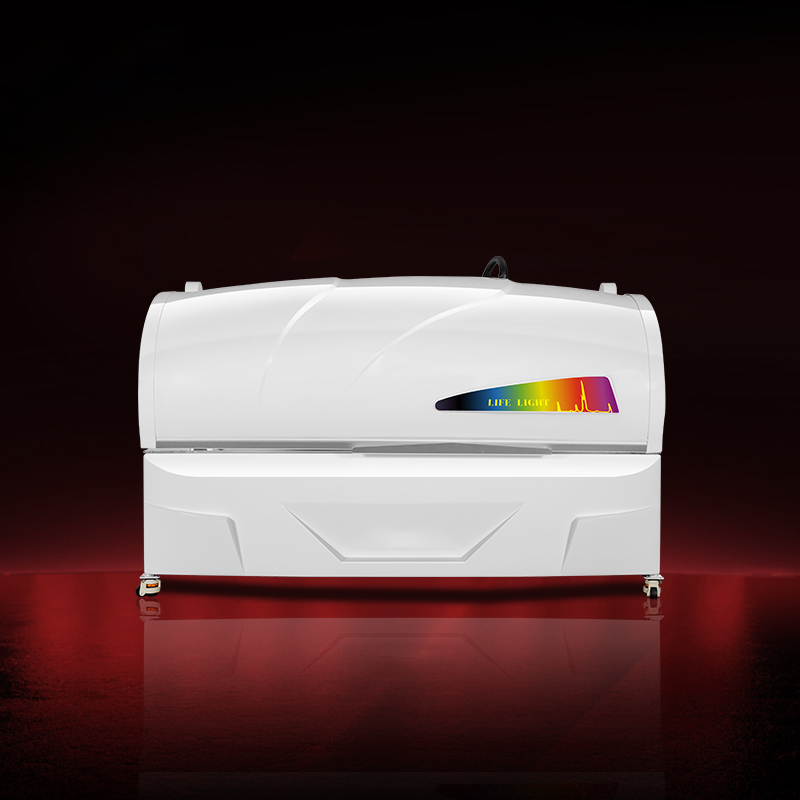

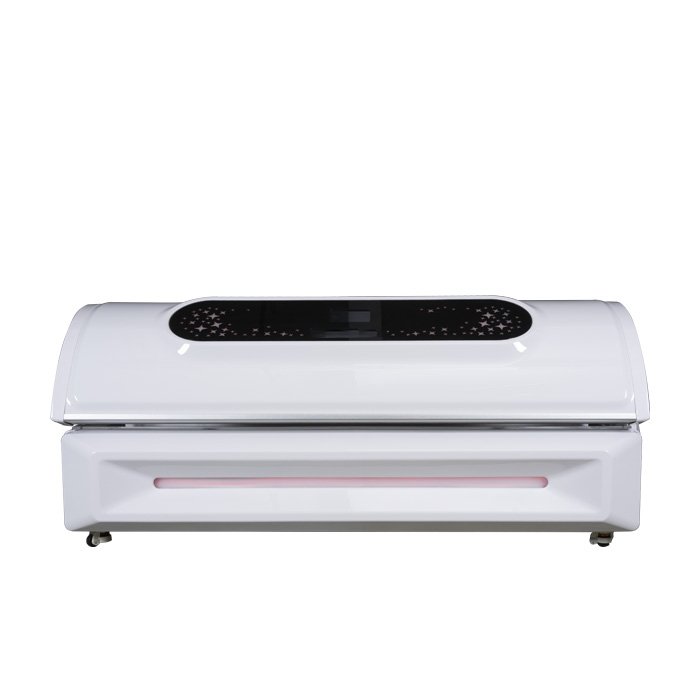
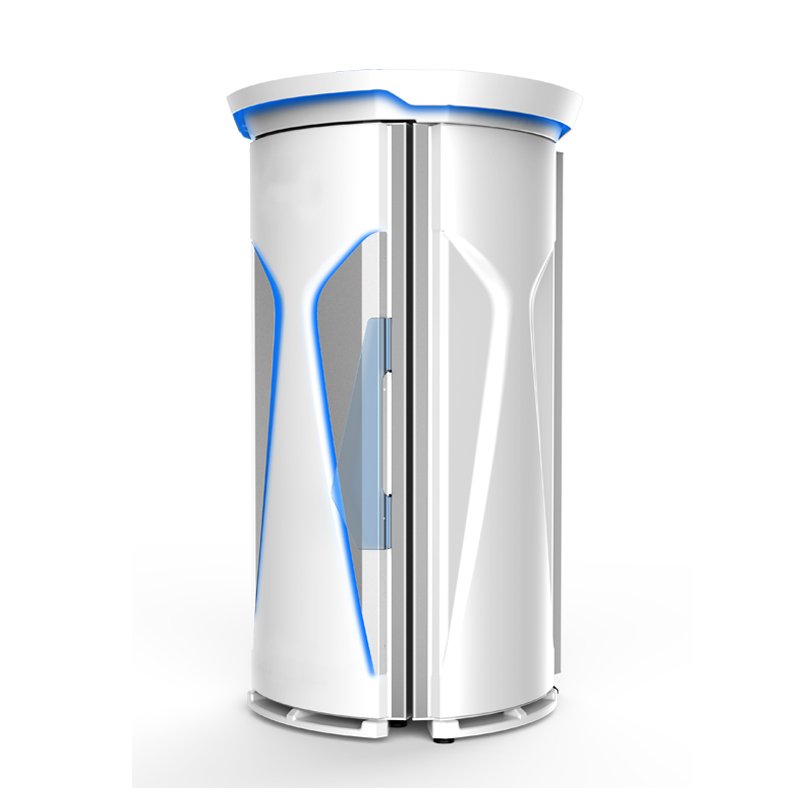
In fact, when integrated correctly, these two powerful skincare modalities can function as perfect partners in your quest for skin rejuvenation. While Tretinoin works chemically to accelerate cell turnover and boost collagen, Red Light Therapy (RLT) works at a cellular level to energize mitochondria and reduce the inflammation often associated with retinoid use. However, because Tretinoin significantly increases skin sensitivity, the timing and method of combination are critical to avoiding irritation.
In this extensive guide, we will explore the biological mechanisms behind both treatments, how to create the ultimate skincare schedule, and the safety precautions necessary to achieve a radiant, youthful complexion without compromising your skin barrier.
What Is Red Light Therapy and How Does It Function at a Cellular Level?
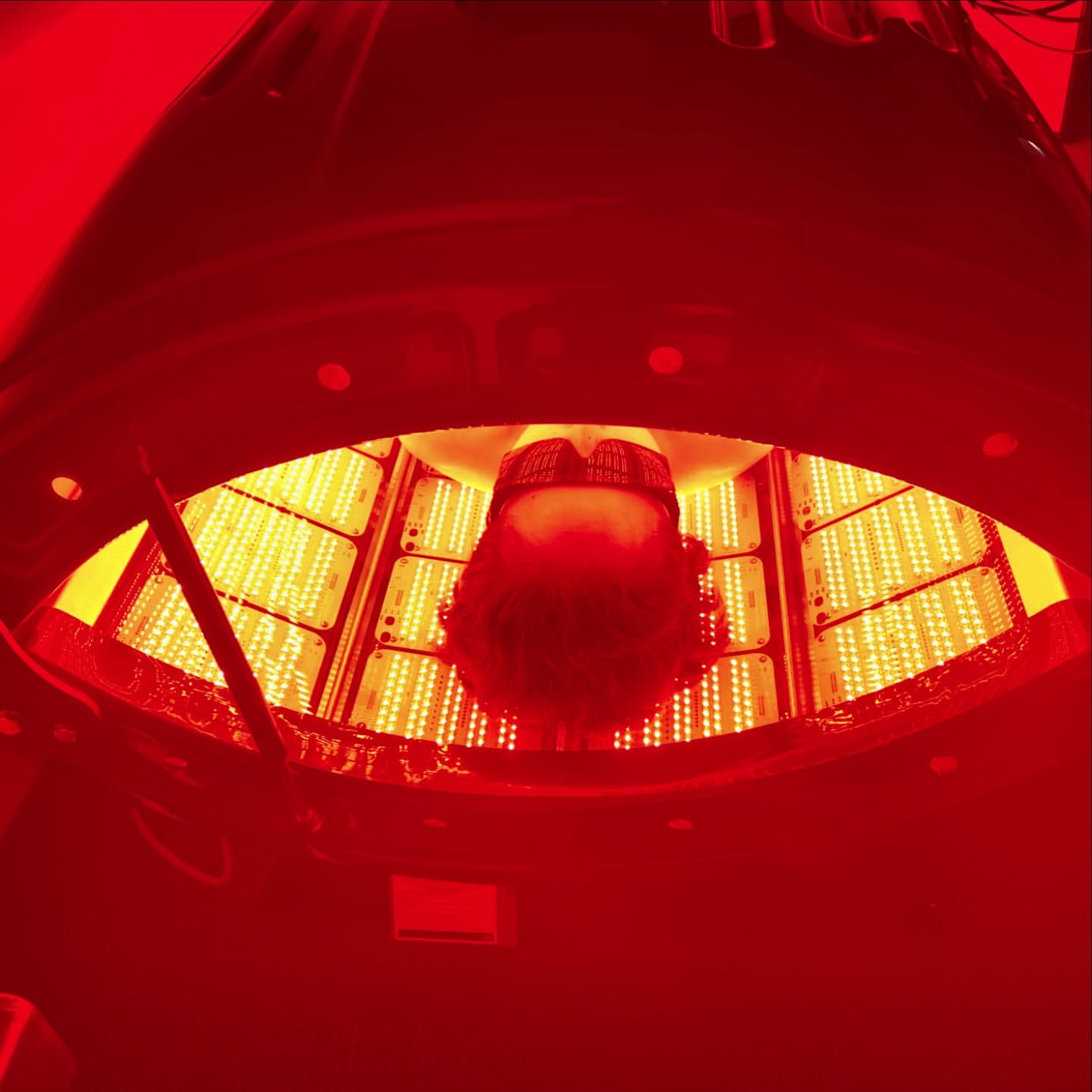
To understand why Red Light Therapy (RLT) pairs so well with topicals, we must first understand what it actually does to human tissue. Red light therapy, also referred to as photobiomodulation (PBM) or low-level laser therapy (LLLT), is a non-invasive treatment that utilizes specific wavelengths of light to trigger distinct biological processes.
The Physics and Biology of RLT
Unlike Ultraviolet (UV) rays from the sun, which can damage DNA and cause premature aging, red light and near-infrared (NIR) light are restorative.
- Red Light (630nm–660nm): This wavelength is absorbed primarily by the skin’s surface layers (the epidermis and dermis). It is most effective for stimulating collagen production, smoothing fine lines, and improving skin texture.
- Near-Infrared Light (810nm–850nm): This light penetrates deeper into the body, reaching tissues, muscles, and even bone. It is primarily responsible for reducing deep-seated inflammation and accelerating wound healing.
The Mechanism: Mitochondria and ATP
The core mechanism of RLT revolves to the mitochondria—the “power plants” of our cells. When your skin is exposed to the correct wavelengths of red light, a photo-acceptor within the mitochondria called cytochrome c oxidase absorbs this light energy.
This absorption stimulates the mitochondria to produce more Adenosine Triphosphate (ATP). ATP is the fuel your cells use to function. With more energy, cells can perform their specialized functions more efficiently, whether that is repairing damage, fighting off bacteria, or replicating new healthy cells. This boost in cellular energy is the fundamental reason why RLT is so effective at rejuvenation and why it serves as such a strong foundation for other treatments like Tretinoin.
What Is Tretinoin and Why Is It Considered the Gold Standard?
Tretinoin is a prescription-strength topical retinoid derived from Vitamin A. It has been studied for decades and is widely regarded by dermatologists as the most effective topical agent for treating both acne and photoaging (sun damage).
How Tretinoin Works
Unlike over-the-counter retinol, which must be converted by the skin into retinoic acid before it can work, Tretinoin is retinoic acid. It works directly on the retinoic acid receptors in your skin cells.
- Cell Turnover: Tretinoin normalizes the lifecycle of skin cells. It forces old, dead cells to shed more rapidly and stimulates the rapid generation of new cells from the deeper layers.
- Collagen Synthesis: It prevents the breakdown of existing collagen and stimulates fibroblasts to create new collagen, thickening the dermis over time.
- Clearer Pores: By accelerating turnover, Tretinoin prevents dead skin cells from clumping together and clogging pores, which is the primary cause of acne.
The “Retinization” Phase
The power of Tretinoin comes at a cost. Because it aggressively speeds up cell turnover, the skin often struggles to keep up in the beginning. This leads to a period known as “retinization” or the “purge,” characterized by redness, peeling, dryness, and increased sensitivity. This is exactly where the soothing properties of Red Light Therapy become invaluable.
How Do Tretinoin and Red Light Therapy Work Synergistically?
Combining Tretinoin and Red Light Therapy creates a dual-action approach to skincare that addresses the limitations of each treatment when used alone. While Tretinoin acts as the aggressor—chemically stimulating change—Red Light Therapy acts as the healer, providing the energy and environment necessary for that change to occur smoothly.
1. Mitigating the “Ugly Phase”
The primary drawback of Tretinoin is inflammation. RLT is a potent anti-inflammatory. By applying red light, you can inhibit the production of pro-inflammatory cytokines. This helps to calm the redness and irritation caused by the retinoid, potentially making the adjustment period shorter and more tolerable.
2. Supercharging Collagen Production
Both modalities increase collagen, but they do so via different pathways. Tretinoin signals the genes to produce collagen; RLT provides the mitochondrial energy (ATP) required to execute that order. Using them together is like pressing the accelerator on a car (Tretinoin) while simultaneously upgrading the engine fuel (RLT). The result is a more significant improvement in skin density and elasticity.
3. Enhanced Barrier Repair
Tretinoin can temporarily compromise the skin barrier, leading to transepidermal water loss (TEWL). RLT has been shown to improve the skin’s barrier function and repair speed. This means your skin retains moisture better, counteracting the notorious dryness associated with prescription retinoids.
When Should You Schedule Each Treatment for Maximum Safety?
Timing is the most critical factor in this combination. Tretinoin is a photosensitive medication, meaning it degrades when exposed to bright light, and it makes your skin more susceptible to light damage. Therefore, you cannot simply slap on Tretinoin and sit in front of a red light panel immediately.
The Golden Rule: Morning Light, Evening Actives
To maximize benefits and minimize risks, we recommend splitting the treatments into two distinct times of day.
Feature 1: The Ideal Daily Protocol
| Time of Day | Treatment Focus | Steps | Why This Works |
|---|---|---|---|
| Morning | Terapie červeným světlem | 1. Cleanse face (remove night products). 2. Apply Red Light Therapy (10-20 mins). 3. Apply Vitamin C (optional). 4. Moisturize & SPF. | RLT preps the skin for the day, reduces morning puffiness, and ensures no Tretinoin is on the skin during light exposure. |
| Evening | Tretinoin Application | 1. Double Cleanse (remove SPF/makeup). 2. Wait for skin to dry completely. 3. Apply pea-sized amount of Tretinoin. 4. Apply heavy moisturizer. | Tretinoin works best overnight while your skin is in repair mode. It avoids UV and artificial light degradation. |
Why Not Together?
While red light itself does not emit UV rays, applying a strong topical like Tretinoin immediately before intense light exposure (even LED) can cause unpredictable sensitivity. Furthermore, the heat (though minimal) from some device panels could irritate skin that has just been treated with a retinoid. Spacing them out by 12 hours ensures you get the full benefit of both without the clash.
What Are the Specific Benefits of Combining These Modalities?
When you commit to a routine involving both RLT and Tretinoin, you are targeting skin health from every angle. The cumulative benefits often exceed what either treatment can achieve in isolation.
1. Accelerated Acne Healing
Tretinoin unclogs the pore, but it takes time. RLT (specifically the blue or red spectrum) kills acne-causing bacteria and reduces the swelling of existing cysts. Together, they clear active breakouts faster and prevent the formation of pitted acne scars by ensuring the tissue heals correctly.
2. Reduction in Hyperpigmentation and Melasma
Tretinoin increases cell turnover, shedding pigmented cells. Red light therapy has been shown to regulate melanocytes (pigment-producing cells) and reduce the inflammation that triggers post-inflammatory hyperpigmentation (PIH). This duo is highly effective for fading sun spots and acne marks.
3. Addressing Deep Wrinkles and Sagging
Surface treatments can only do so much. By combining the surface-smoothing effects of Tretinoin with the deep-tissue stimulation of near-infrared light, you are addressing aging across the entire dermal matrix. This leads to thicker, plumper skin that is more resistant to gravity and dynamic expression lines.
4. Improved Texture and Pore Size
Users often report that while Tretinoin handles the “micro” texture (smoothing rough patches), RLT gives the skin a “macro” glow (improving circulation and tone). The result is the “glass skin” aesthetic—smooth, reflective, and even-toned.
Who Is the Ideal Candidate for This Dual Therapy?
While this combination is powerful, it is not for everyone. Understanding your skin type and current condition is vital before purchasing a device or requesting a prescription.
Ideal Candidates Include:
- The Anti-Aging Seeker: Individuals over 30 looking to proactively treat fine lines, loss of volume, and sun damage.
- The Adult Acne Sufferer: Those dealing with hormonal breakouts who also want to address the scarring left behind.
- The “Tough” Skin Type: Individuals with oily or resilient skin who can tolerate active ingredients well.
Who Should Proceed with Caution?
- Rosacea Patients: While RLT helps rosacea, Tretinoin can sometimes trigger flare-ups. This combination requires strict dermatologist supervision.
- Compromised Barriers: If your skin is currently stinging, peeling, or cracked, stop all actives. Use RLT alone to heal the barrier before reintroducing Tretinoin.
- Pregnant Women: Red light therapy is generally considered safe, but Tretinoin is unsafe during pregnancy. Always consult an OBGYN.
How Can You Mitigate Risks and Side Effects?
Safety is paramount. Even though RLT is non-invasive, the heightened sensitivity caused by Tretinoin changes the rules of engagement.
Feature 2: Step-by-Step Safety Checklist
1. The Patch Test
Before doing a full face session, apply Tretinoin to a small area near your jaw. The next morning, expose that area to red light for 2 minutes. Wait 24 hours to ensure no adverse reaction occurs.
“`
2. The Gradual Introduction
- Week 1-2: Use Tretinoin twice a week. Use RLT 3 times a week (on days you don’t use Tretinoin).
- Week 3-4: Increase Tretinoin to every other night. Increase RLT to 5 days a week.
- Month 2+: If tolerated, move to the standard Morning/Evening split routine.
3. Eye Protection
While RLT is generally safe for eyes, Tretinoin can migrate and make eyelids incredibly sensitive. Always wear the goggles provided with your device to prevent eye strain or irritation of the delicate eye skin.
4. Hydration is Key
Both treatments increase the skin’s demand for water. You must increase your intake of water and use humectant-rich skincare (containing hyaluronic acid or glycerin) to support the cellular activity.
“`
Managing the “Purge”
If you experience a breakout or peeling, do not stop the Red Light Therapy. In fact, RLT can help you get through the purge faster. However, you should reduce the frequency of Tretinoin application until your barrier recovers.
Závěr
Can you use red light therapy with tretinoin? Absolutely. This combination represents the intersection of cutting-edge technology and proven pharmacology. By leveraging the collagen-boosting, anti-inflammatory power of Red Light Therapy, you can enhance the results of Tretinoin while making the journey significantly more comfortable for your skin.
The key to success lies in patience and protocol. By separating your treatments into a morning and evening routine, listening to your skin’s feedback, and maintaining rigorous sun protection, you can unlock a level of skin clarity and youthfulness that neither treatment could achieve on its own. Whether you are using a targeted handheld device or a full-body panel from a provider like Infraredi, the future of your skin looks bright—literally.
Často kladené otázky (FAQ)
1. Can I use red light therapy if I have Tretinoin on my face?
It is generally recommended to apply red light therapy on clean, bare skin before applying creams or serums. Tretinoin can degrade when exposed to light, rendering it less effective. Furthermore, applying light to skin currently coated in strong actives could increase the risk of irritation. The best practice is to wash your face, perform your red light session, and then apply your skincare, or stick to the Morning (RLT) / Evening (Tretinoin) split.
2. Will red light therapy make my skin more sensitive to the sun like Tretinoin does?
No. Red light therapy utilizes wavelengths at the opposite end of the spectrum from UV light. It does not cause sunburn or increase UV sensitivity. In fact, some studies suggest RLT can increase the skin’s resistance to sunburn (though it should never replace sunscreen). However, because you are using Tretinoin concurrently, you must still apply a broad-spectrum SPF 30+ every single day.
3. How long does it take to see results from this combination?
Skin transformation is a marathon, not a sprint.
- 4-6 Weeks: You may notice a reduction in inflammation and faster healing of active acne. The “purge” phase of Tretinoin should begin to subside.
- 3 Months: Significant improvements in skin texture, pore size, and overall brightness are usually visible.
- 6 Months+: Deep collagen remodeling occurs, leading to a visible reduction in fine lines, wrinkles, and acne scarring. Consistency is the most important factor.

 EN
EN EN_GB
EN_GB DE
DE EL
EL ES
ES UZ
UZ FR
FR IT
IT JA
JA CS
CS DA
DA DE_AT
DE_AT FI
FI ET
ET HR
HR FR_BE
FR_BE HU
HU KO
KO IS
IS KA
KA LT
LT NL
NL UK
UK TR
TR SV
SV SR
SR SL
SL SK
SK RU
RU RO
RO PT
PT NB
NB AR
AR CY
CY