

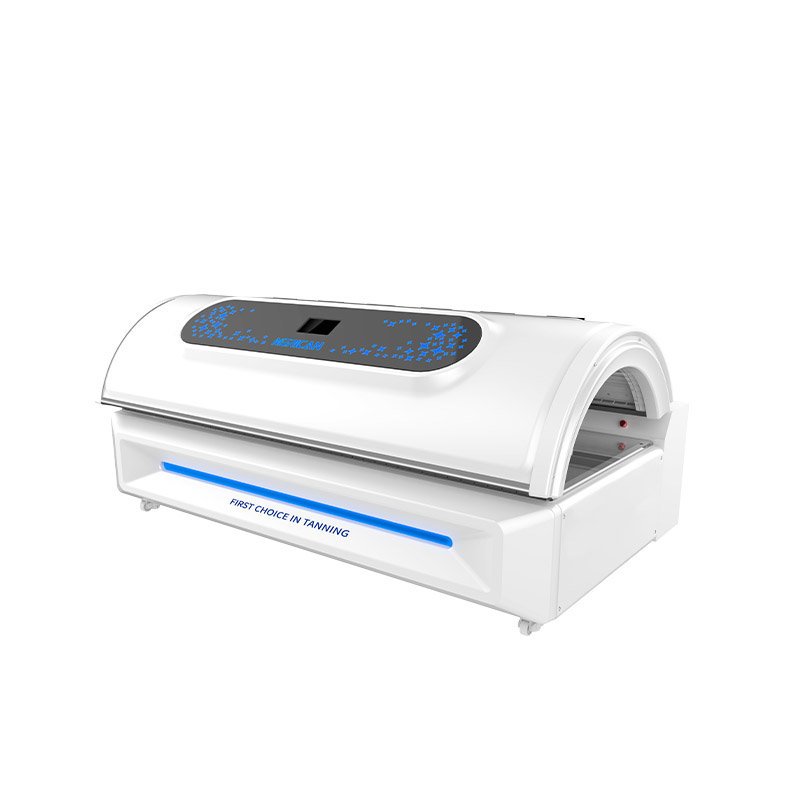
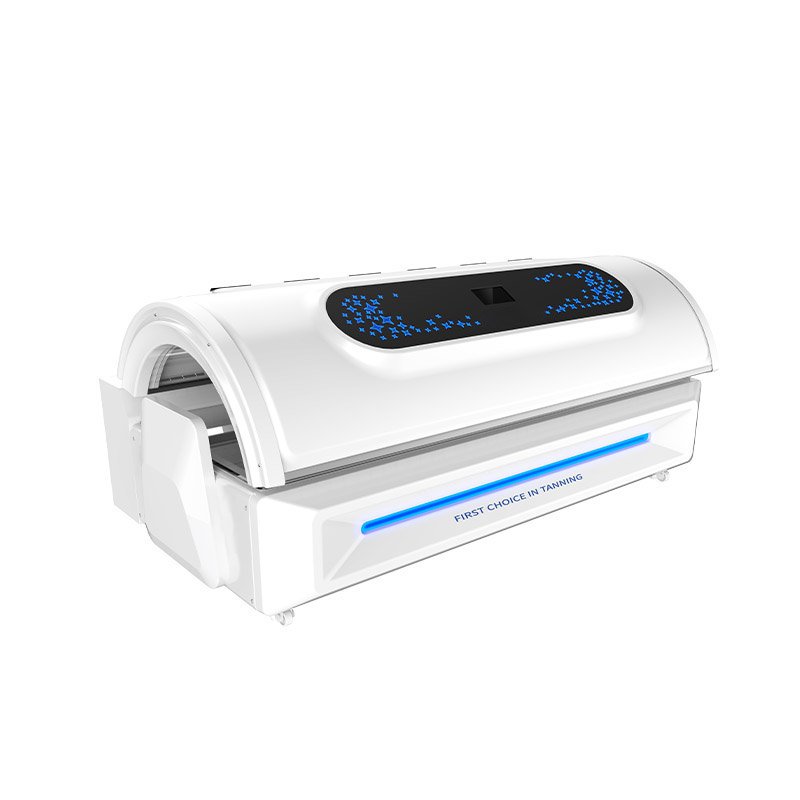
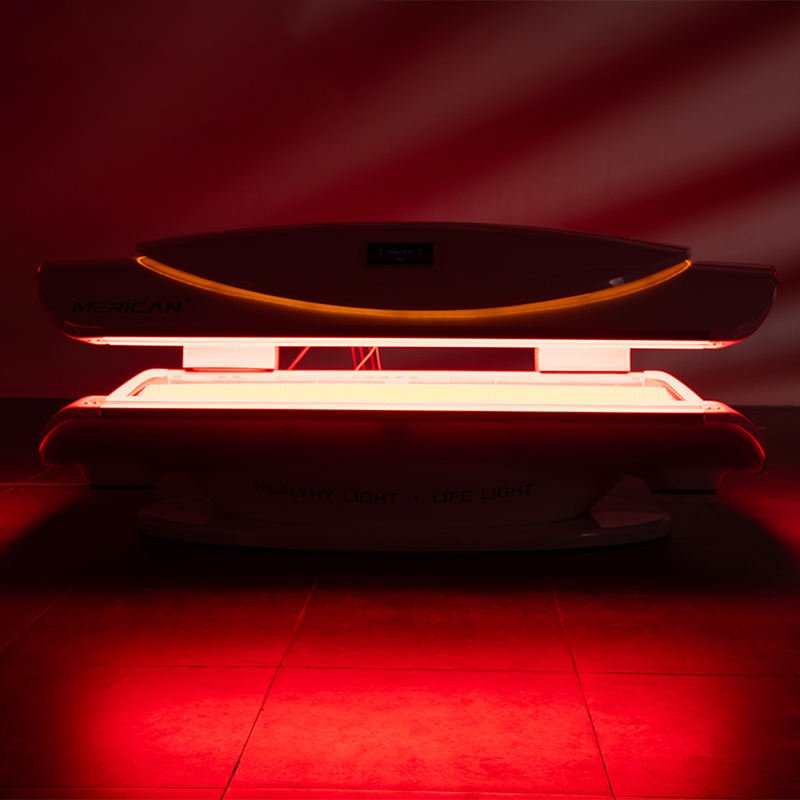
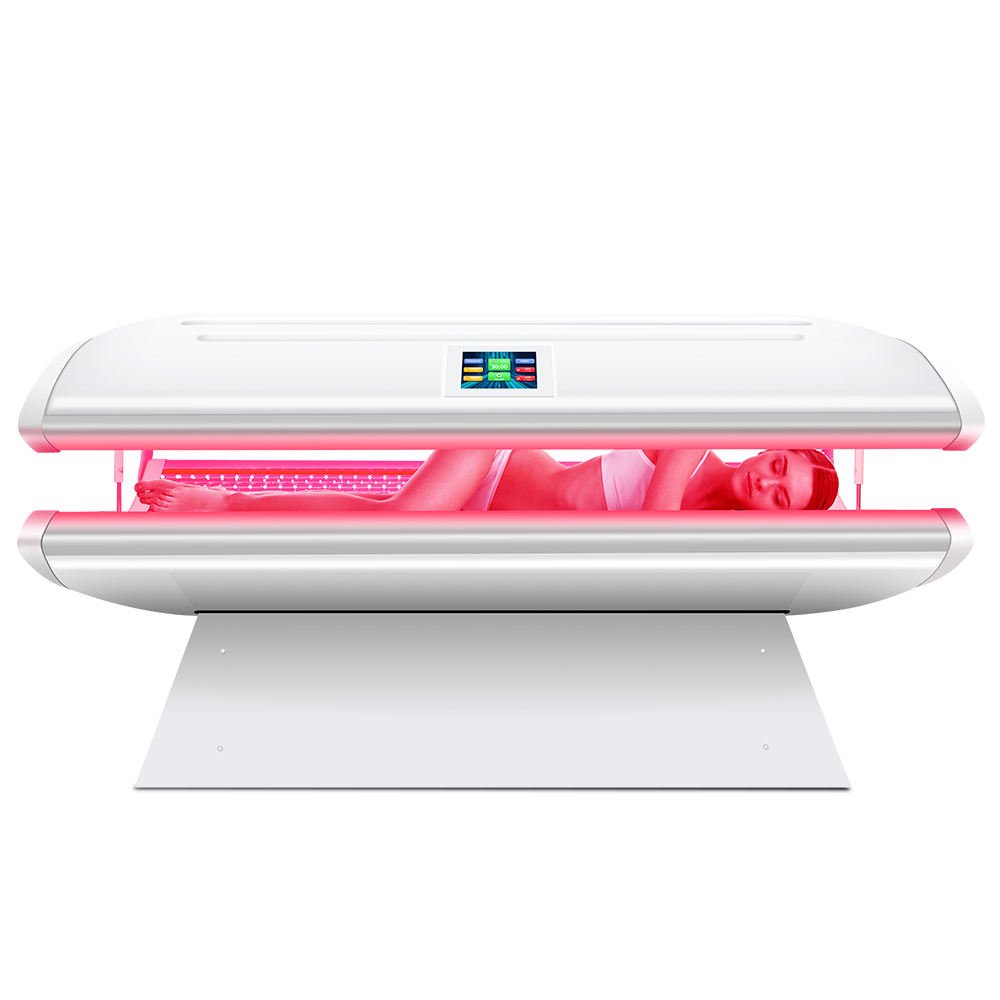
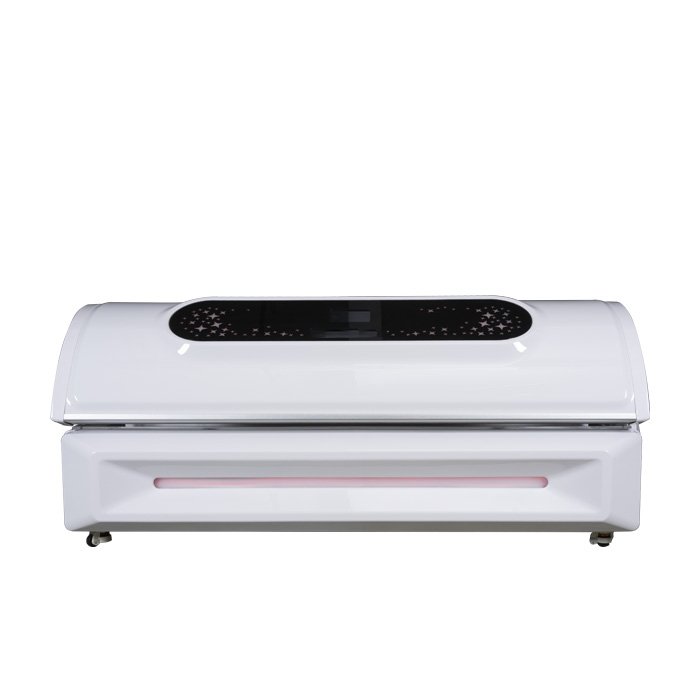
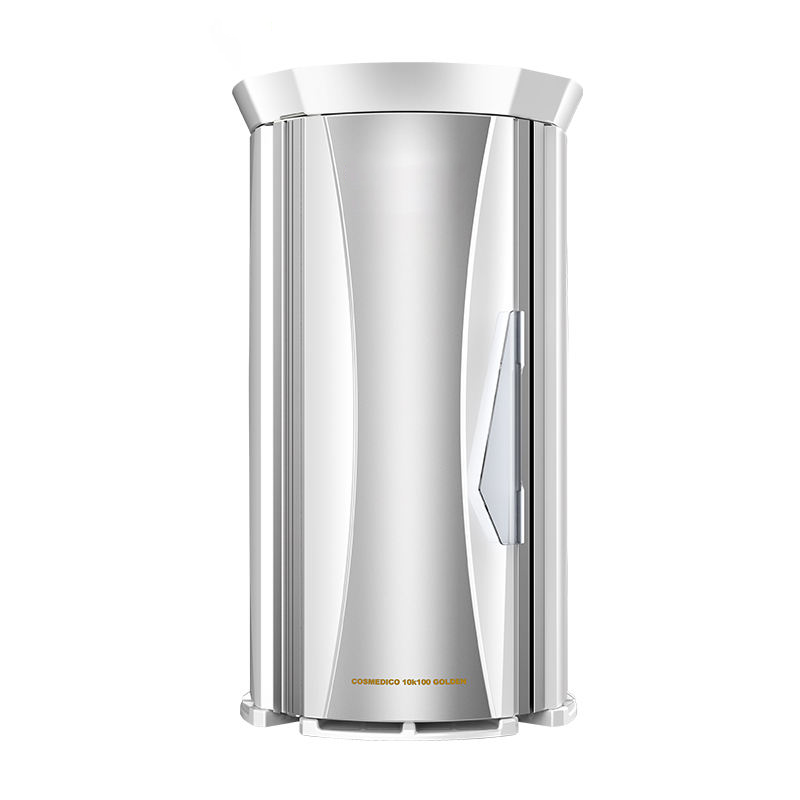
Lying on a red light therapy bed provides a comprehensive, non-invasive systemic treatment that utilizes specific wavelengths of red and near-infrared light to stimulate cellular energy production, drastically reduce bodily inflammation, and accelerate the natural repair of tissues and skin. By immersing the entire body in these therapeutic frequencies, the treatment triggers a biological process known as fotobiomodulace , which optimizes mitochondrial function and increases the synthesis of Adenosine Triphosphate (ATP) . This results in a wide array of health improvements, ranging from the visible reversal of skin aging and the fading of scars to the relief of chronic joint pain, enhanced athletic recovery, and a strengthened immune response.

1. The Comprehensive Guide to Red Light Therapy Bed Benefits
The evolution of modern wellness has led us back to a fundamental element of life: light. While we have long understood the necessity of sunlight for Vitamin D synthesis, the specific application of red and near-infrared light has emerged as one of the most powerful tools in regenerative medicine. Unlike a localized panel or a handheld device, a red light therapy bed offers a total-body immersion, ensuring that every square inch of the dermis and underlying tissues can absorb the life-giving photons required for cellular optimization.
The Origins: From NASA to the Modern Spa
To appreciate the benefits of a red light therapy bed, we must acknowledge its prestigious history. This technology was significantly advanced by NASA , which originally explored the use of Light Emitting Diodes (LEDs) to promote plant growth in space and later to prevent bone and muscle loss in astronauts. When researchers discovered that these specific light wavelengths also accelerated the healing of wounds and skin grafts, the foundation for modern red light therapy was laid.
Today, the “NASA-developed” moniker isn’t just marketing; it refers to the rigorous testing of Low-Level Light Therapy (LLLT) to jumpstart tissue recovery. A red light therapy bed utilizes these safe, all-natural red low-light bulbs to penetrate the skin tissue to a depth of about 8–10 mm . This depth is critical because it allows the light to pass through the outer epidermis and reach the dermis, the subcutaneous fatty layer, and even the surface-level muscle fibers.
The Biological Engine: How Light Becomes Energy
The core benefit of lying on a red light therapy bed lies in its ability to influence the Mitochondria , the powerhouses of our cells. Inside the mitochondria is a light-sensitive enzyme called cytochrom c oxidáza .
- Absorption: When you lie in the bed, your cells absorb photons from the red and near-infrared spectrum.
- Dissociation of Nitric Oxide: Stress and aging cause nitric oxide to bind to cytochrome c oxidase, which halts energy production. Red light breaks this bond.
- ATP Surge: Once the “blockage” is removed, oxygen can bind to the enzyme, leading to a massive increase in the production of ATP (Adenosine Triphosphate) .
With higher levels of ATP, your cells have the “currency” they need to repair damage, fight oxidative stress, and replicate efficiently. This is why the benefits are so diverse—every cell in your body performs better when it has more energy.
Dermatological Transformation and Anti-Aging
Perhaps the most sought-after benefit of red light therapy beds is their profound impact on skin health and aesthetics. Because the bed covers the entire body, it treats the skin holistically rather than piecemeal.
The Architecture of Youth: Collagen and Elastin
The primary cause of sagging skin and wrinkles is the degradation of structural proteins. Red light therapy beds specifically target Fibroblasts , the cells responsible for creating collagen a elastin .
- Collagen provides the skin with its strength and structure.
- Elastin gives the skin its “snap-back” quality or elasticity.
By stimulating these cells, the therapy helps to fill in fine lines, tighten sagging areas on the neck and body, and restore a youthful texture to the skin.
Healing Skin Conditions: Psoriasis, Rosacea, and Eczema
For those suffering from chronic skin conditions, red light therapy offers a drug-free alternative to topical steroids. The anti-inflammatory properties of the light help to soothe the redness of Rosacea and the itchy, flaky patches associated with Psoriasis a Eczema . By increasing the metabolism of healthy oxygen and nutritional molecules within the skin, the therapy helps the body heal the skin barrier from the inside out.
Blemish Control and Acne Treatment
Acne is often a combination of bacterial overgrowth and intense inflammation. While blue light is typically used to kill bacteria, red light is essential for healing the skin afterward. It reduces the size of sebaceous (oil) glands and calms the angry, red inflammation that makes acne visible. Furthermore, it accelerates the disappearance of acne scars by promoting healthy tissue turnover.
Structural Repair: Scars, Stretch Marks, and Wounds
The regenerative powers of the red light therapy bed are not limited to the surface. It penetrates deep into the dermis and subcutaneous layers to assist in repairing significant structural damage.
- Surgical Scars: By organizing the way collagen fibers lay down during the healing process, RLT can make surgical scars flatter and less noticeable.
- Stretch Marks: These are essentially dermal tears. The therapy stimulates the repair of the connective tissue, helping to fade the appearance of marks from pregnancy or weight changes.
- Sun Damage: We all spend a little too much time in the sun. Red light therapy helps repair “photo-aged” skin and reduces the appearance of age spots and hyperpigmentation by regulating melanocyte activity.

Athletic Excellence and Physical Recovery
Athletes and fitness enthusiasts have flocked to red light therapy beds because they offer a significant competitive advantage in terms of recovery and performance.
Tackling Inflammation and Swelling
Inflammation is the body’s natural response to stress, but chronic inflammation hinders performance and causes pain. The red light bed acts as a systemic anti-inflammatory, reducing the production of pro-inflammatory Cytokines . This leads to a marked reduction in systemic swelling and localized edema.
DOMS and Muscle Growth
Delayed Onset Muscle Soreness (DOMS) is the stiffness felt 24-48 hours after a workout. Lying in a red light bed post-exercise can significantly shorten this recovery window. Because RLT assists in ATP production, the muscles have the energy required for protein synthesis, which leads to faster repair of micro-tears and, ultimately, more efficient muscle growth.
Joint Health and Pain Management
For individuals dealing with Arthritis or general joint stiffness, the near-infrared wavelengths are a godsend. These waves penetrate deeper than red light, reaching the joints and tendons. By increasing circulation to these areas—which often have poor blood supply—the therapy helps to lubricate the joints and reduce the “grinding” sensation and pain associated with movement.
Internal Systems: Detoxification and Vitality
The benefits of a full-body bed extend into the very systems that keep us clean and energized.
Lymphatic System Stimulation
The Lymphatic System is the body’s “waste disposal” unit. Unlike the heart, which pumps blood, the lymphatic system relies on movement and external stimulation to circulate. Red light therapy has been shown to stimulate lymphatic flow, which assists in detoxifying the body, reducing “puffiness,” and strengthening the immune system’s ability to respond to pathogens.
Enhanced Circulation and Oxygenation
By promoting the release of nitric oxide, red light therapy causes vasodilation (the widening of blood vessels). This allows for a more robust flow of oxygen-rich blood to the extremities. Improved circulation means that your skin, muscles, and organs are receiving the nutrients they need to thrive, leading to better overall vitality and even improved hair and nail strength.
2. Supplementary Point: Circadian Rhythm and Sleep Optimization
Beyond the physical and aesthetic improvements, one of the most profound benefits of a red light therapy bed is its impact on the Circadian Rhythm . Our bodies are hardwired to respond to the color temperature of light. In the modern era, we are bombarded by “blue light” from screens, which tricks our brains into thinking it is midday, suppressing the production of Melatonin .
Lying in a red light therapy bed—especially in the late afternoon or evening—mimics the long wavelengths of a sunset. This signals to the brain’s suprachiasmatic nucleus that the day is ending. Users frequently report a “calming” effect on the nervous system, leading to:
- Faster Sleep Onset: Falling asleep more quickly after a session.
- Improved Sleep Architecture: More time spent in deep, restorative REM sleep.
- Morning Alertness: Because the body repaired itself more efficiently during the night, users wake up feeling more refreshed.
3. Supplementary Point: Cognitive Function and Mental Well-being
Emerging research in the field of transcranial photobiomodulation suggests that near-infrared light can penetrate the bone of the skull to reach the brain’s cortical tissue. When using a full-body bed, the light that reaches the head and neck can have significant neurological benefits.
- Reduction in Neuroinflammation: Just as it reduces inflammation in the muscles, RLT may help reduce inflammation in the brain, which is often linked to “brain fog” and cognitive decline.
- Zvýšení nálady: Many users experience a noticeable lift in mood following a session. This is likely due to the increase in blood flow to the brain and the potential stimulation of neurotransmitters like serotonin and dopamine.
- Stress Management: The forced relaxation of spending 20 minutes in a warm, glowing bed acts as a form of meditation, lowering Cortisol levels and helping the body shift from the “fight or flight” sympathetic nervous system to the “rest and digest” parasympathetic state.
4. Často kladené otázky (FAQ)
Q: Are there any side effects or risks associated with red light therapy beds?
A: Red light therapy is considered extremely safe and is backed by thousands of peer-reviewed studies. Unlike tanning beds, it uses no ultraviolet (UV) radiation, meaning there is no risk of skin cancer or DNA damage. The primary sensation is a mild, soothing warmth. However, people with specific medical conditions—such as active cancer, epilepsy triggered by light, or those taking photosensitizing medications—should consult their physician before use.
Q: How often should I use a red light therapy bed to see the best results?
A: Consistency is the key to photobiomodulation. While a single session can help with immediate muscle soreness or a temporary skin glow, long-term changes like wrinkle reduction and scar fading typically require a dedicated schedule. A common protocol is 3 to 5 sessions per week , lasting 15–20 minutes each, for a period of 8 to 12 weeks. After the initial goals are met, a maintenance schedule of 1–2 times per week is usually sufficient.
Q: Do I need to wear eye protection while in the bed?
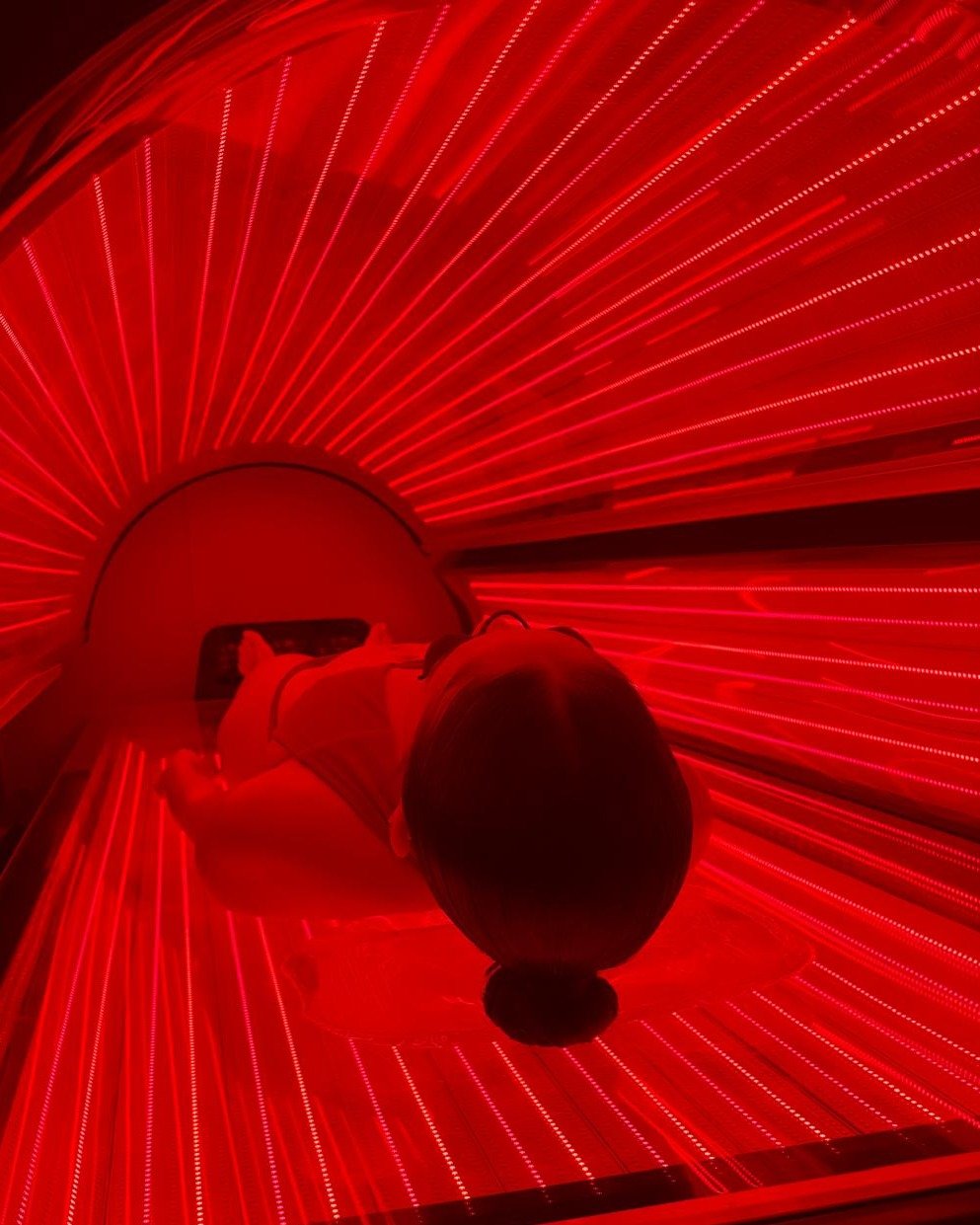
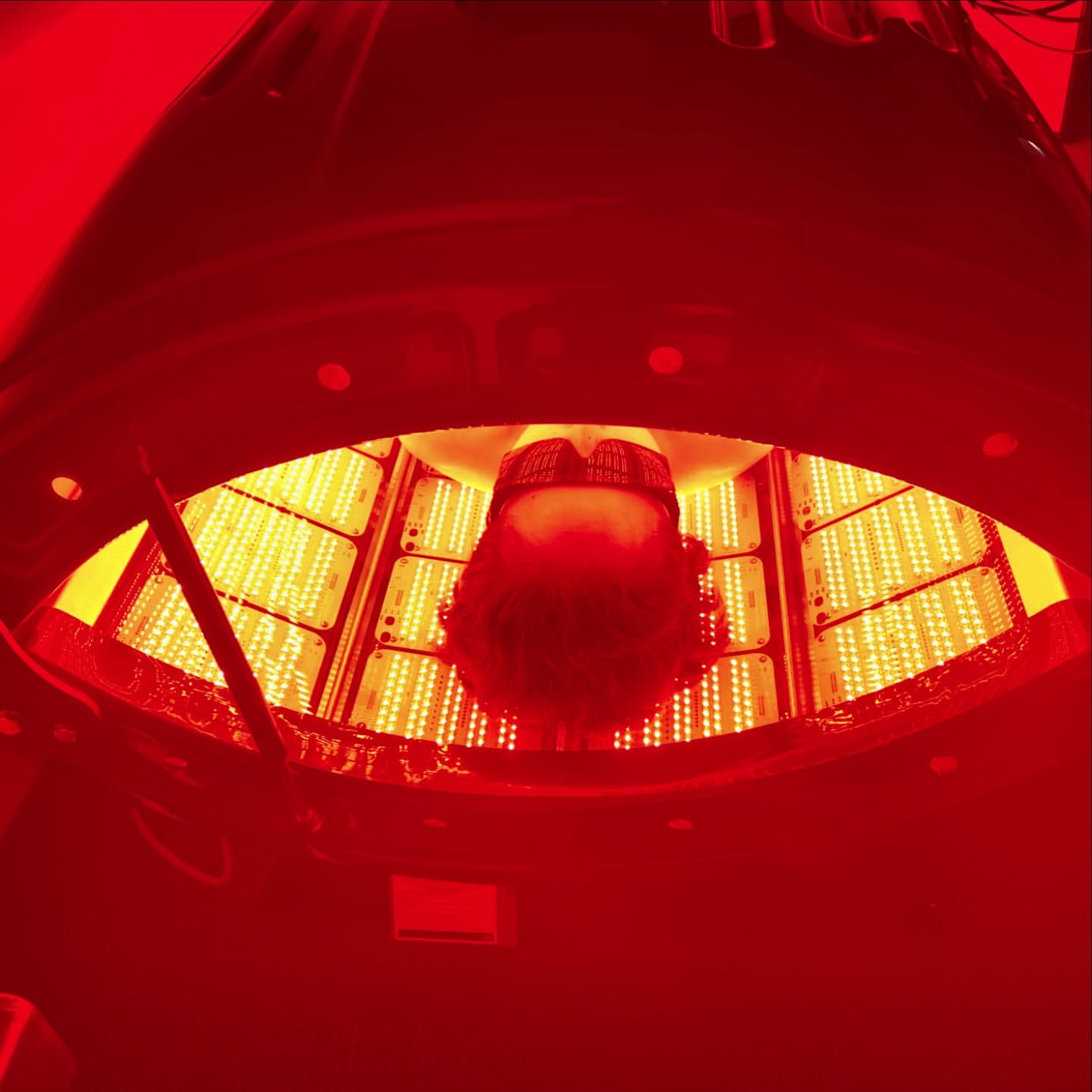
A: While red light is generally safe for the eyes and may even benefit certain retinal conditions, the intensity of the LEDs in a full-body bed can be very bright. To prevent discomfort and protect the eyes from potential overexposure, it is highly recommended to wear the provided blackout goggles or keep your eyes closed during the duration of the session.
In conclusion, the benefits of lying on a red light therapy bed represent a significant leap forward in our ability to support the body’s innate healing mechanisms. By providing the specific wavelengths necessary to supercharge cellular energy, this technology addresses health at its most fundamental level. Whether your goal is to reclaim a youthful complexion, recover from a grueling athletic training cycle, or simply reduce the chronic aches and pains that come with modern life, the red light therapy bed provides a safe, drug-free, and scientifically validated solution. It is more than just a beauty treatment; it is a full-body “recharge” that empowers your cells to function at their highest possible potential, leading to a life of greater vitality, resilience, and well-being.

 EN
EN EN_GB
EN_GB DE
DE EL
EL ES
ES UZ
UZ FR
FR IT
IT JA
JA CS
CS DA
DA DE_AT
DE_AT FI
FI ET
ET HR
HR FR_BE
FR_BE HU
HU KO
KO IS
IS KA
KA LT
LT NL
NL UK
UK TR
TR SV
SV SR
SR SL
SL SK
SK RU
RU RO
RO PT
PT NB
NB AR
AR CY
CY