

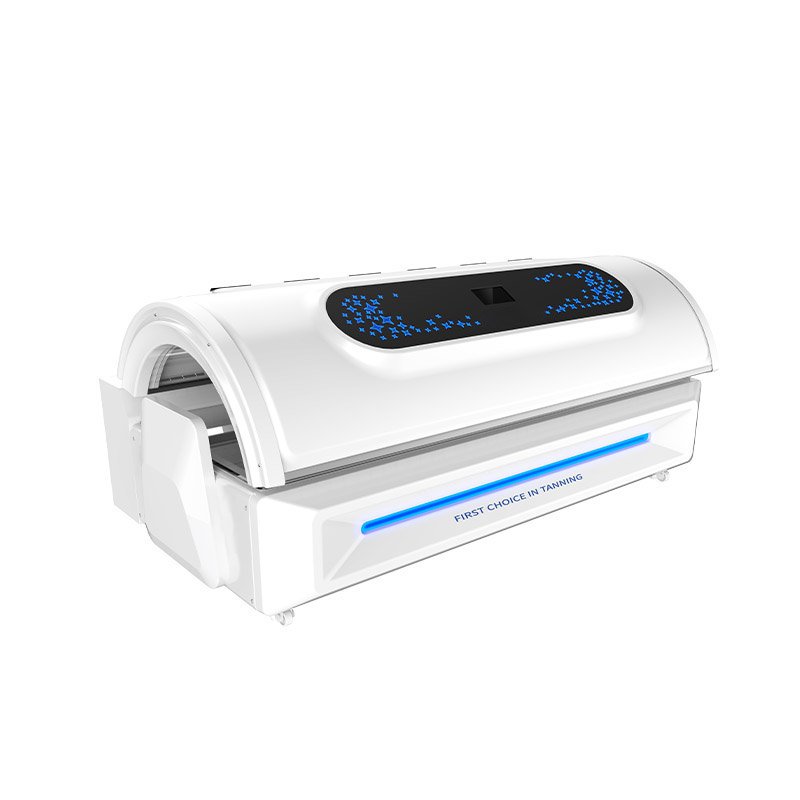

1. Introduction: Red Light Therapy vs. Tanning Beds
When looking at a red light therapy bed and a tanning bed, one might assume they serve the same purpose due to their similar design. However, these two devices serve entirely different roles and offer vastly different benefits for your skin and overall health. While tanning beds are associated with sun tanning, red light therapy beds use advanced technology to provide therapeutic benefits. In this article, we will explore the distinct differences between red light therapy and tanning beds, focusing on their functionality, safety, health benefits, and the science behind the light used in each. This comparison will help you understand why red light therapy beds offer superior advantages for wellness and recovery compared to tanning beds.

2. The Science Behind Light: How Tanning and Red Light Therapy Beds Differ
The primary distinction between red light therapy beds and tanning beds lies in the type of light they emit. Both use light as a therapeutic tool, but the wavelengths and effects on the skin are dramatically different.
2.1 Tanning Beds: UV Light and Its Risks
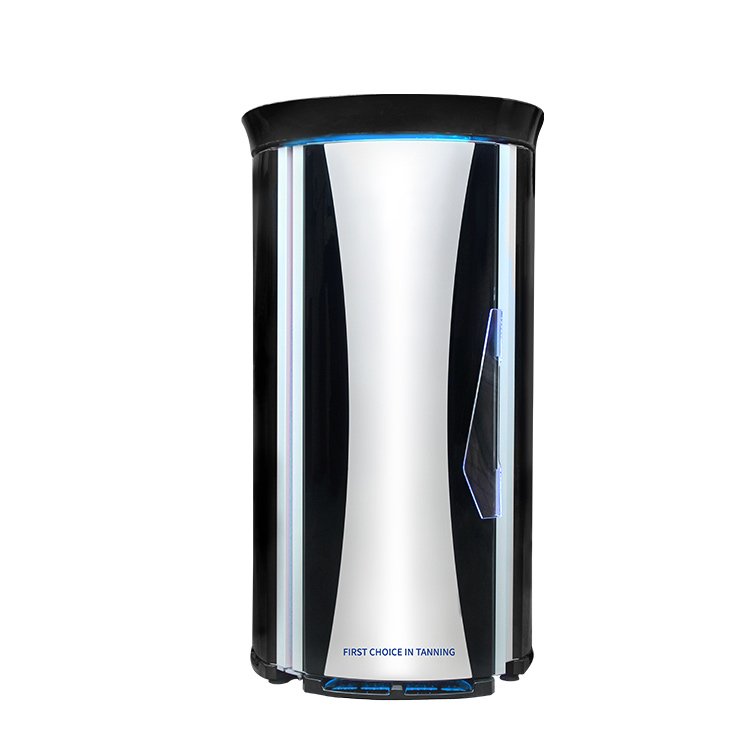
Tanning beds use ultraviolet (UV) light, which has wavelengths ranging from 280-400 nanometers. These high-energy light rays are the same as the ones emitted by the sun, and their purpose is to stimulate melanin production in the skin, causing it to darken. While this gives people a tanned appearance, prolonged exposure to UV rays can lead to significant skin damage, including premature aging, sunburns, and even an increased risk of skin cancer. The harmful effects of UV radiation can be cumulative over time, damaging the DNA in skin cells and accelerating the aging process.
2.2 Red Light Therapy: Red and Near-Infrared Light for Healing
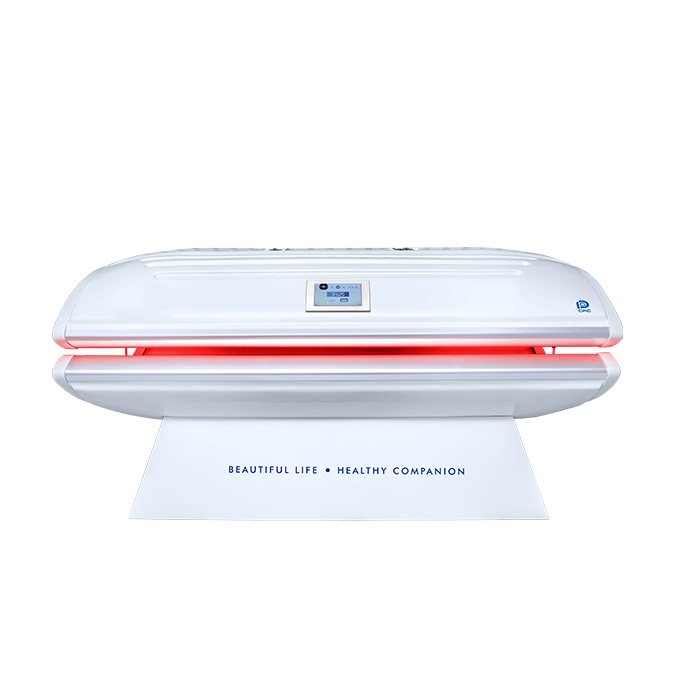
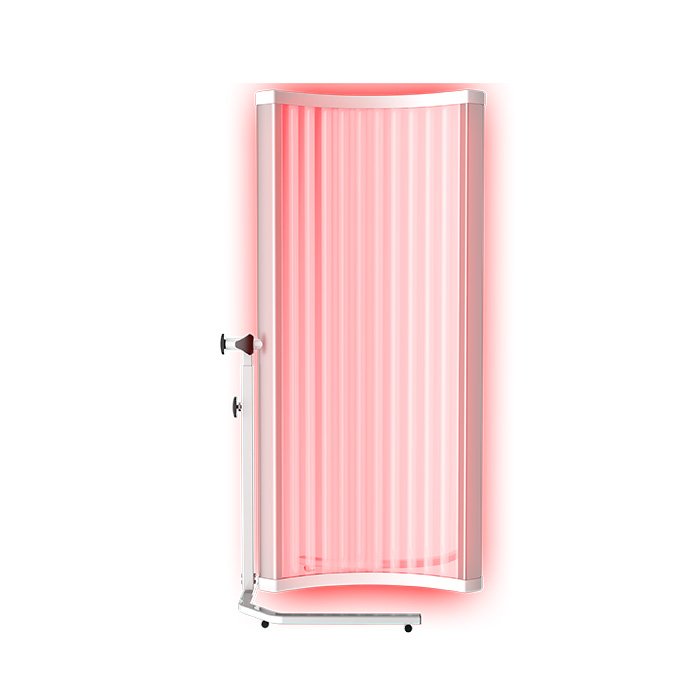
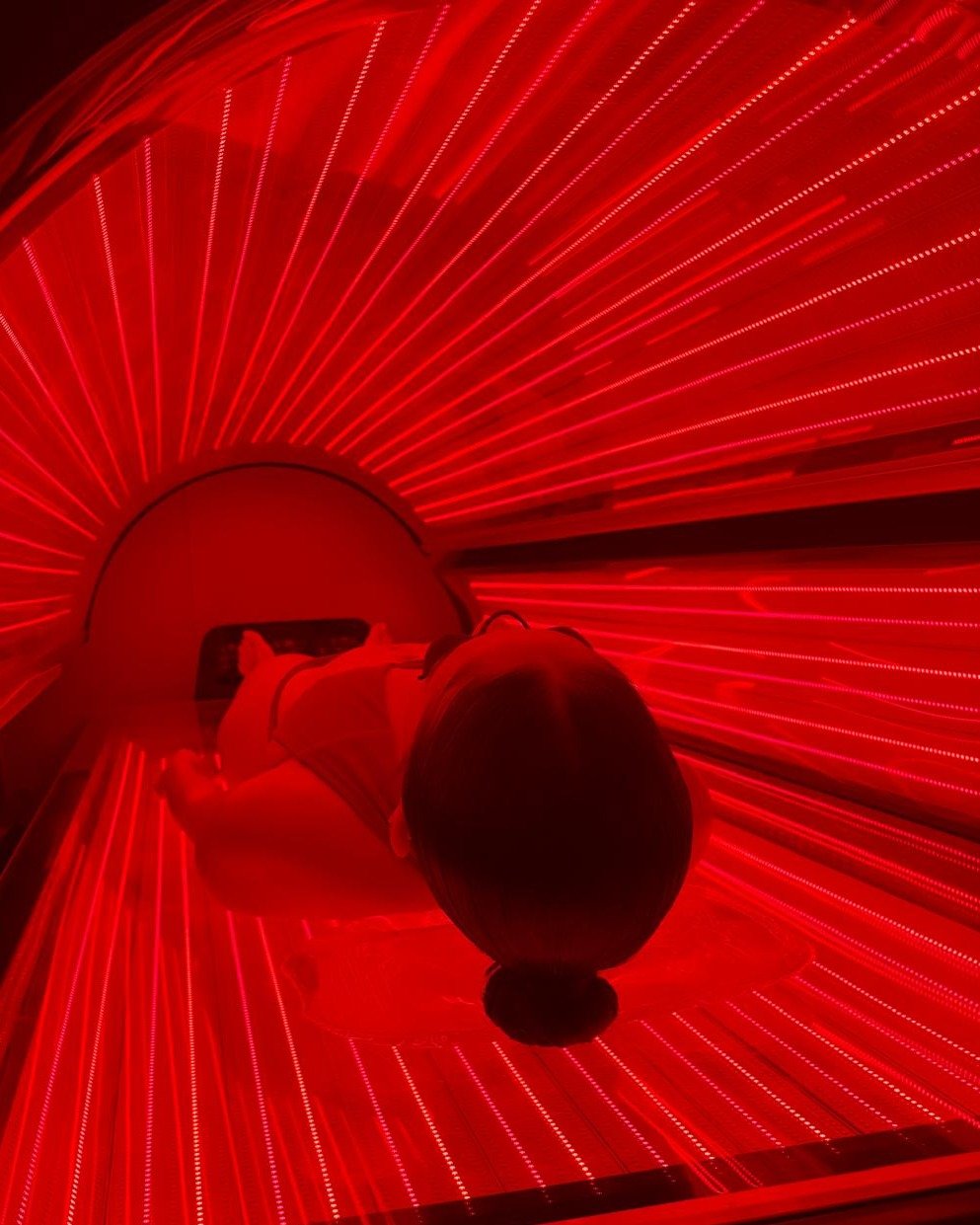
In contrast, red light therapy beds use red and near-infrared light, typically in the range of 600-850 nanometers. These wavelengths penetrate deeper into the skin and promote cellular activity without causing harm. Red light therapy does not involve UV rays, which means it does not present the same risks as tanning beds. Instead, it enhances skin health by stimulating the production of ATP (adenosine triphosphate) in the mitochondria of cells. This process accelerates the healing and regeneration of skin, reduces inflammation, and promotes overall wellness without the harmful side effects associated with UV exposure.
3. Functional Differences: The Purpose of Tanning Beds vs. Red Light Therapy
While both devices involve light exposure, their purposes and uses are fundamentally different. Tanning beds are designed to achieve one goal: to darken the skin by inducing the production of melanin. However, red light therapy beds serve a variety of therapeutic and aesthetic purposes, each targeting specific health concerns.
3.1 Tanning Beds: Achieving a Sun-Kissed Glow
People typically use tanning beds to achieve a tan, imitating the effects of spending time in the sun. The UV rays emitted by the tanning bed trigger the skin to produce melanin, the pigment responsible for giving the skin its darker color. While this provides a temporary tan, frequent tanning sessions are necessary to maintain the color. The cosmetic benefit of a tan, however, comes at a significant cost, as UV radiation can damage the skin over time, leading to aging, wrinkles, and increased risk of skin cancer.
3.2 Red Light Therapy Beds: Healing and Rejuvenation
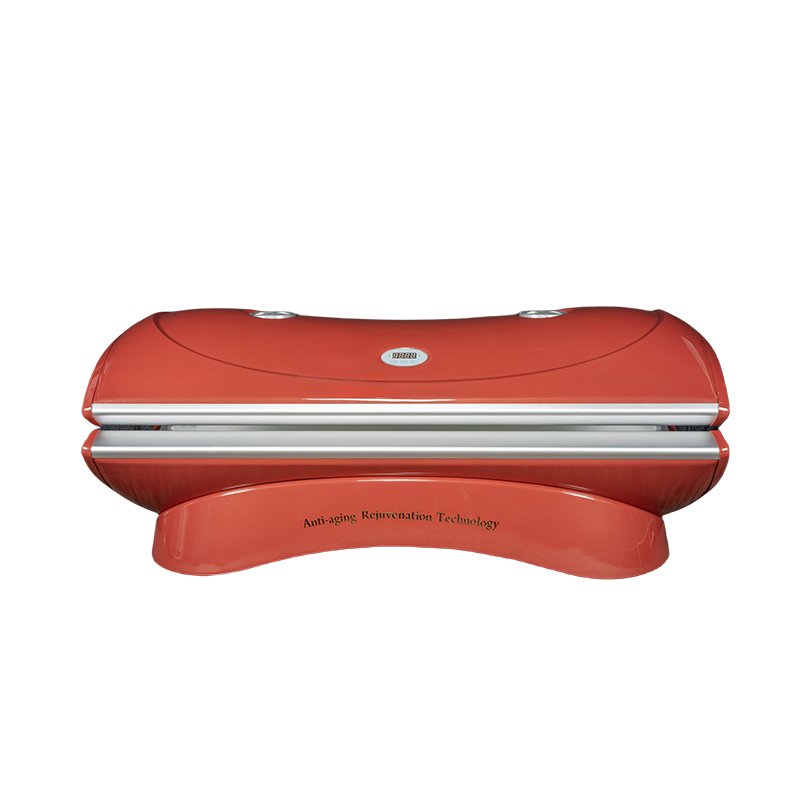
Red light therapy beds, on the other hand, are primarily used for their therapeutic effects. LED red light therapy promotes healing and recovery, as well as skin rejuvenation. These beds are effective for treating a range of conditions, including acne, scars, pain, inflammation, and even chronic conditions like arthritis. The red and near-infrared light stimulates cellular function, which accelerates tissue repair and increases blood flow, helping to rejuvenate the skin, reduce fine lines, and enhance the overall health of the skin. Moreover, red light therapy has proven benefits for wound healing, sports recovery, and improving skin texture.
4. Health and Safety: The Risks and Benefits of Tanning vs. Red Light Therapy
The safety profile of these two treatments couldn’t be more different. Tanning beds, due to their use of UV radiation, pose significant risks to the skin. In contrast, red light therapy is completely safe, with numerous health benefits that can improve the quality of life for those who use it regularly.
4.1 The Dangers of UV Radiation from Tanning Beds
UV radiation from tanning beds is a known carcinogen and can lead to various skin issues. Long-term exposure to UV rays accelerates the aging process, causing wrinkles, fine lines, and skin sagging. Additionally, the excessive exposure to UV rays can damage the skin’s DNA, increasing the risk of skin cancer, including melanoma, the most dangerous form of skin cancer. Frequent tanning bed use may also lead to sunburns and skin irritation, further contributing to skin damage.
4.2 The Safe and Healing Nature of Red Light Therapy
In contrast, red light therapy beds use light wavelengths that do not cause any harm to the skin. These wavelengths stimulate cellular regeneration and promote healing without the risk of burning or damaging the skin. In fact, red light therapy has been shown to improve skin health by reducing inflammation, increasing collagen production, and promoting overall skin rejuvenation. It is a completely non-invasive treatment with minimal to no side effects, making it a safe alternative to UV-based treatments like tanning beds.
5. The Timeline for Results: Immediate vs. Gradual Benefits
The speed at which users experience results also differs between tanning beds and red light therapy beds.
5.1 Tanning Beds: Quick but Temporary Results
The effects of tanning beds are almost immediate—after a single session, you’ll notice your skin becomes darker. However, these results are short-lived, and you’ll need to continue using tanning beds regularly to maintain the tan. Additionally, the temporary nature of the tan is accompanied by the potential for skin damage, which may show up in the form of wrinkles, sun spots, and increased skin sensitivity.
5.2 Red Light Therapy: Gradual and Long-Lasting Results
On the other hand, red light therapy produces more gradual results, but the effects are long-lasting and contribute to better overall skin health. After a few sessions, many users begin to notice improvements in skin texture, a reduction in wrinkles, and enhanced healing of acne or scars. While the results may not be as instant as those from a tanning bed, the positive effects of red light therapy are sustainable and provide long-term benefits that improve skin health over time.

6. Red Light Therapy Beds: More than Just Skin Health
Red light therapy beds go beyond just treating skin conditions. These devices are versatile and can aid in various therapeutic applications, making them a valuable addition to many wellness centers and clinics. Below are two additional benefits of red light therapy beds that go beyond traditional skin care.
6.1 Pain Relief and Sports Recovery
Red light therapy is widely used for pain management and sports recovery. The light helps reduce inflammation and accelerates tissue repair, making it ideal for individuals recovering from injuries, sprains, or strains. Athletes often use red light therapy beds to speed up recovery times and reduce muscle soreness after intense workouts. The increase in circulation and cellular regeneration promoted by red light therapy can help restore strength and flexibility, allowing for faster healing and better performance in future activities.
6.2 Mental Well-Being and Mood Enhancement
Another surprising benefit of red light therapy is its positive impact on mental well-being. Exposure to red and near-infrared light has been shown to improve mood, reduce symptoms of anxiety and depression, and promote better sleep. These therapeutic effects are believed to be the result of increased blood flow and the stimulation of key neural pathways that regulate mood and mental clarity. As a result, red light therapy can help improve overall mental health and increase feelings of relaxation and vitality.
7. FAQs About Red Light Therapy and Tanning Beds
Q1: Can red light therapy be used every day?
Yes, red light therapy can be used every day, and many people choose to incorporate it into their daily wellness routine. The therapy is non-invasive, gentle, and safe for frequent use, making it an ideal choice for people seeking regular treatment for skin rejuvenation, pain relief, or injury recovery.
Q2: How many sessions of red light therapy do I need to see results?
The number of sessions required varies depending on your goals and the condition being treated. Most people start seeing noticeable improvements after 4 to 6 sessions. For ongoing maintenance or more significant health benefits, regular sessions are recommended, typically around 2 to 3 times per week.
Q3: Is red light therapy safe for all skin types?
Yes, red light therapy is safe for all skin types. Unlike UV rays, which can damage the skin, red light therapy works by stimulating natural cellular processes that improve skin health without causing any harm. It is a safe and non-invasive treatment suitable for individuals of all skin tones and conditions.
8. Conclusion: Why Red Light Therapy Beds Are a Better Choice
In conclusion, while red light therapy beds and tanning beds may appear similar at first glance, their functions, effects, and health benefits are vastly different. Red light therapy offers a range of therapeutic benefits, including skin rejuvenation, pain relief, and mental wellness, all without the harmful side effects of UV radiation. In contrast, tanning beds may provide immediate cosmetic results but carry long-term risks, such as skin aging and cancer.
If you’re looking for a safe, effective, and holistic treatment for your skin and overall health, red light therapy is the clear choice. Whether you are recovering from an injury, improving your skin health, or enhancing your mood, red light therapy beds provide a scientifically backed, non-invasive solution with long-lasting results. Make the switch to red light therapy and experience the transformative benefits it can offer for your body and mind.

 EN
EN EN_GB
EN_GB DE
DE EL
EL ES
ES UZ
UZ FR
FR IT
IT JA
JA CS
CS DA
DA DE_AT
DE_AT FI
FI ET
ET HR
HR FR_BE
FR_BE HU
HU KO
KO IS
IS KA
KA LT
LT NL
NL UK
UK TR
TR SV
SV SR
SR SL
SL SK
SK RU
RU RO
RO PT
PT NB
NB AR
AR CY
CY