



1. Introduction
Red light therapy (RLT), also known as photobiomodulation or low-level light therapy (LLLT), is rapidly transforming from a niche aesthetic treatment into a mainstream wellness modality. Unlike fleeting skincare fads, RLT is grounded in cellular science and consistently backed by emerging research. In this comprehensive guide, we’ll explore what red light therapy is, how it works at the cellular level, the wide array of documented health benefits, best practices for safe use, and tips for selecting the ideal device. We’ll also present two exclusive bonus features—a printable 10-point pre-session checklist and an expert device comparison table—to help you maximize results. Finally, you’ll find three frequently asked questions (FAQs) to address common concerns and curiosities. Whether you’re aiming to rejuvenate your skin, stimulate hair growth, alleviate chronic pain, boost cognition, or enhance your overall wellness routine, this in-depth handbook will equip you with everything you need to succeed.

2. What Is Red Light Therapy?
Red light therapy employs specific wavelengths of red and near-infrared (NIR) light—typically in the 600–900 nm range—to trigger beneficial cellular responses. When these photons penetrate the skin, they interact with chromophores in the mitochondria, leading to elevated adenosine triphosphate (ATP) production, modulation of reactive oxygen species, and release of growth factors. Originally developed in the 1960s for wound healing in NASA plant growth experiments, RLT has since expanded into dermatology, hair restoration, pain management, neurological applications, and beyond. Today, it’s accessible through a variety of LED and low-energy laser devices, making professional-grade photobiomodulation available both in clinics and at home.
3. How Red Light Therapy Works at the Cellular Level
At its core, photobiomodulation hinges on photon absorption by cytochrome c oxidase (CCO), an enzyme in the mitochondrial electron transport chain:
- Photon Absorption: Red and NIR photons penetrate the epidermis and dermis, reaching mitochondria-rich cells.
- Mitochondrial Activation: CCO absorbs the photons, which facilitates electron transfer, enhancing mitochondrial membrane potential and boosting ATP synthesis.
- Reactive Oxygen Species (ROS) Modulation: Controlled ROS generation acts as secondary messengers, activating pathways that reduce inflammation and upregulate antioxidant defenses.
- Gene Expression Changes: Growth factors (e.g., TGF-β, VEGF) and heat-shock proteins are released, promoting tissue repair, collagen synthesis, angiogenesis, and cellular proliferation.
This cascade of events underpins red light therapy’s diverse applications, from smoothing fine lines to speeding muscle recovery. Research continues to refine our understanding of optimal wavelengths, dosages (measured in J/cm²), and treatment durations to maximize these cellular effects.
4. Delivery Methods and Device Options
Red light therapy can be delivered through multiple platforms, each tailored to specific treatment areas and settings:
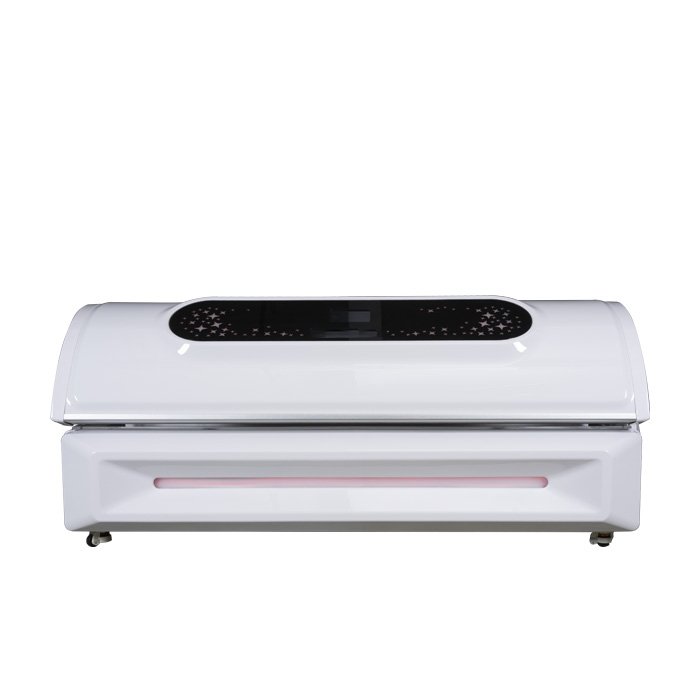
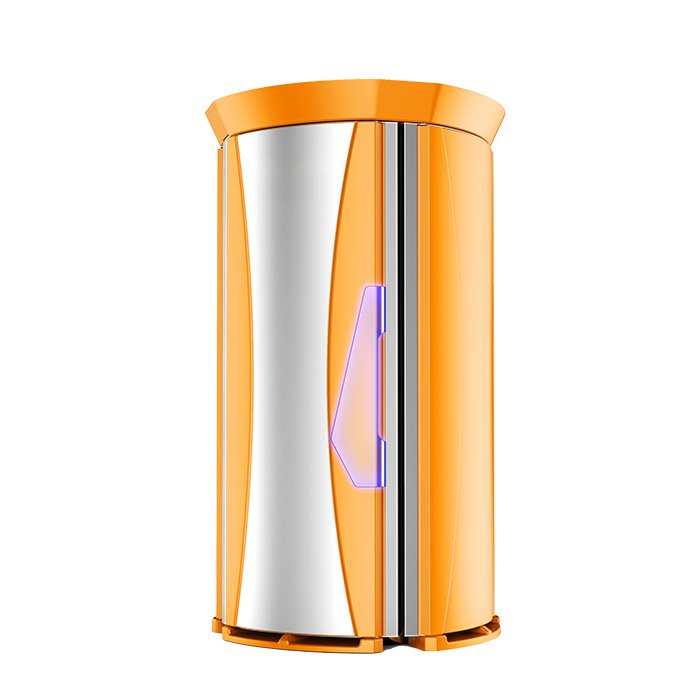
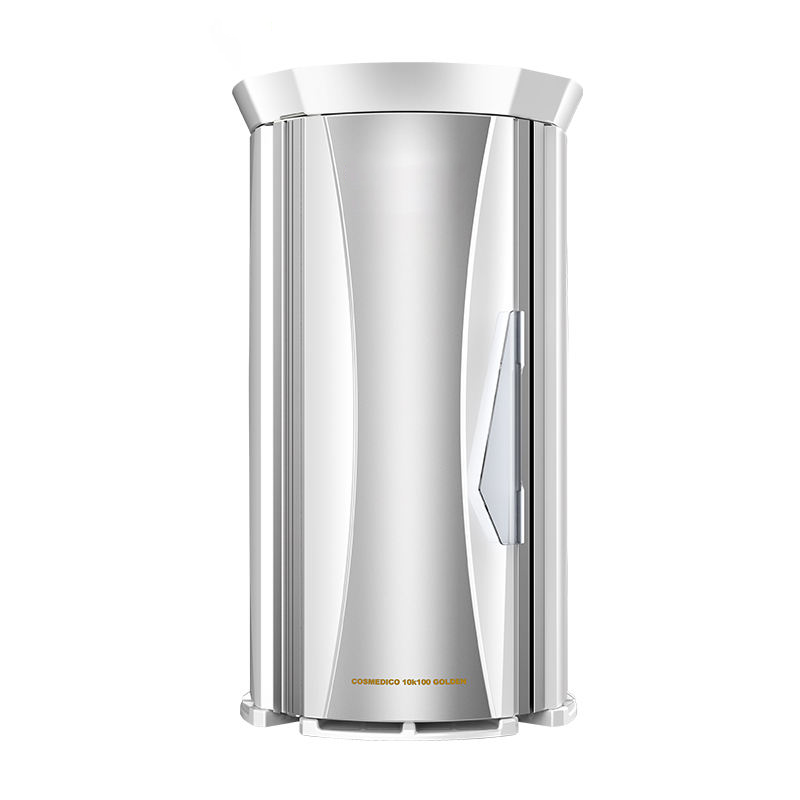
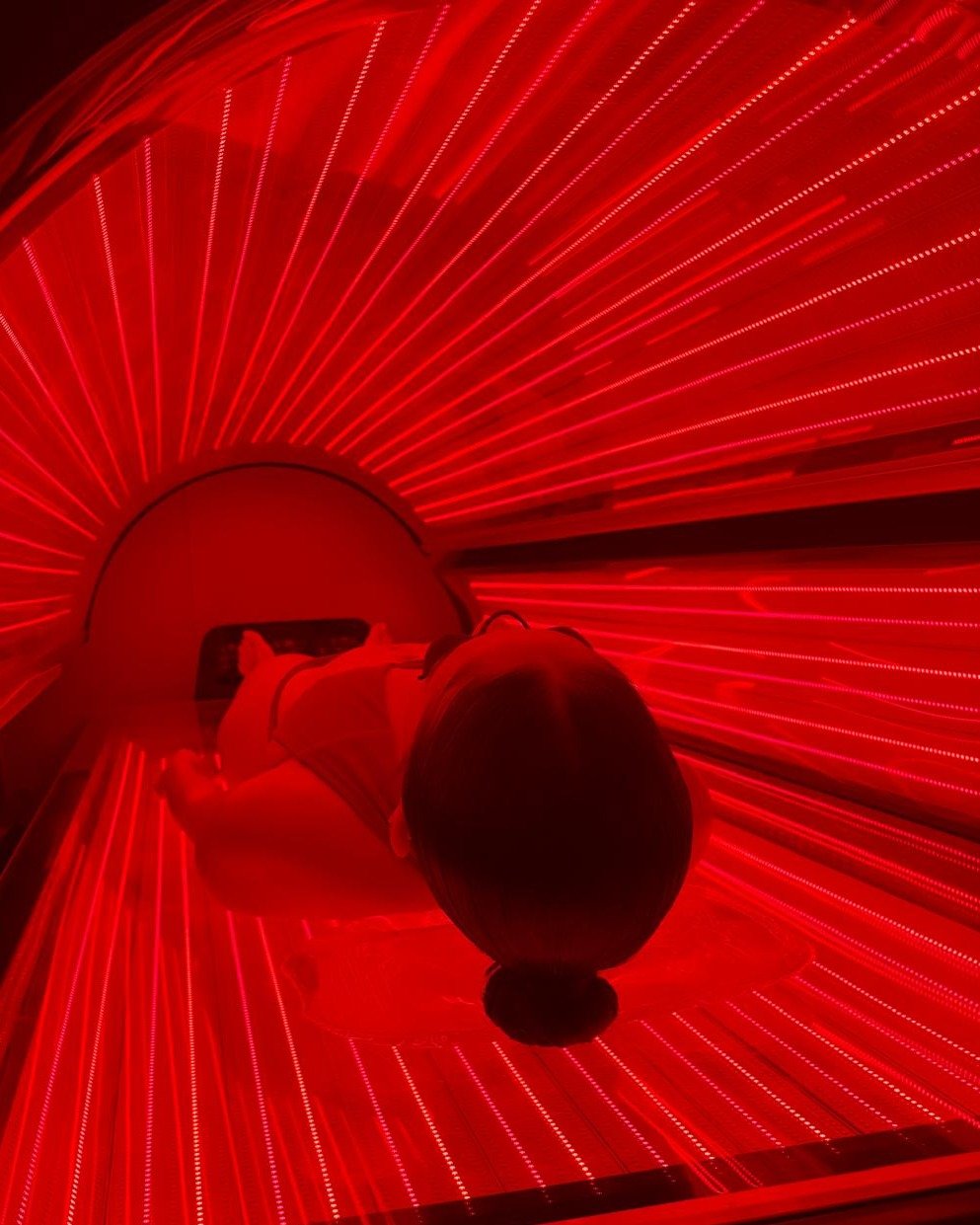
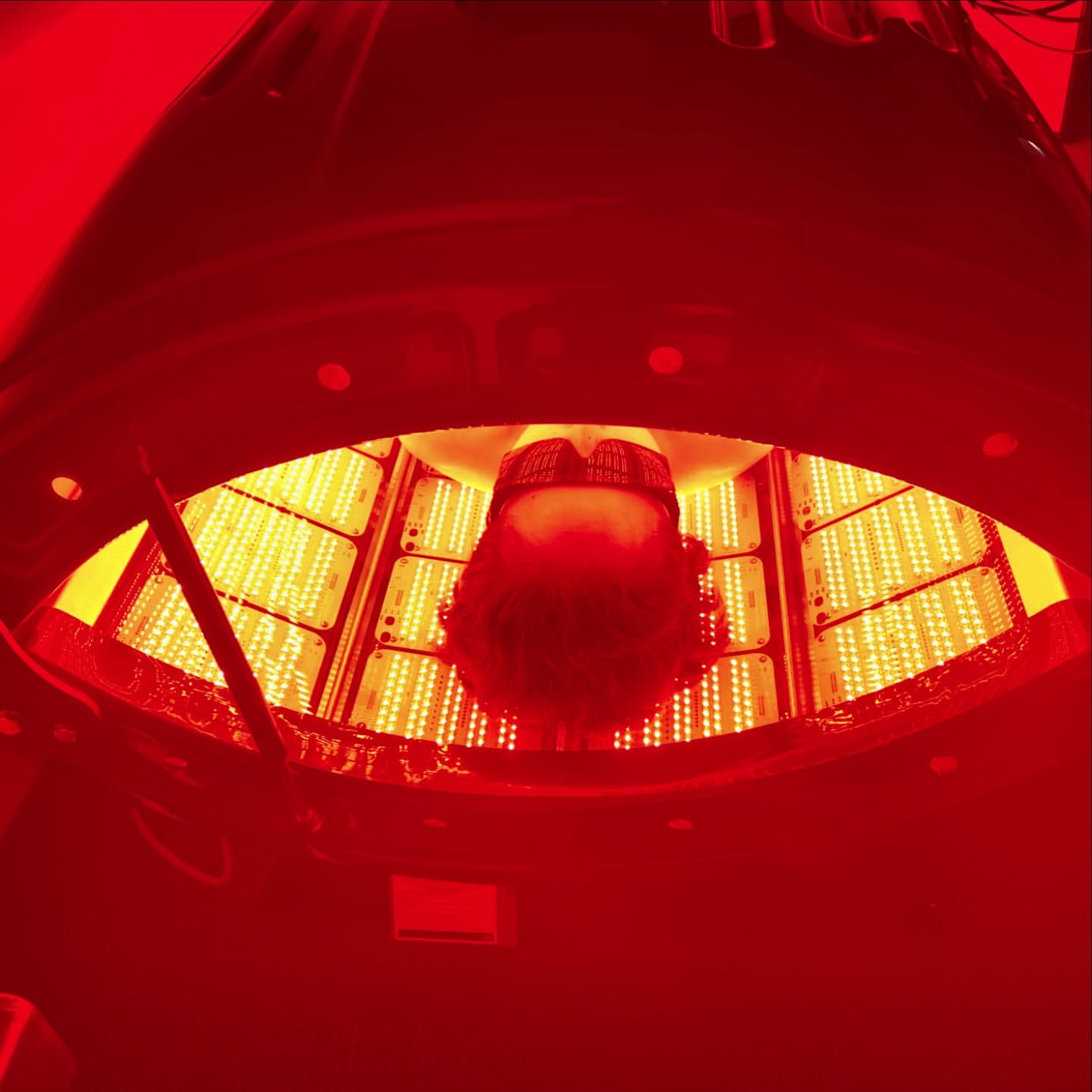
- Full-Body Beds: Resembling tanning beds, these enclosures use arrays of high-output LEDs to bathe the entire body in red/NIR light, typically in 10–20-minute sessions.
- Facial Masks & Panels: Lightweight LED masks or tabletop panels target facial skin, aiding in anti-aging, acne reduction, and complexion improvement.
- Caps, Helmets & Combs: Designed for scalp application, these devices employ light guides or lasers to penetrate hair follicles, stimulating regrowth.
- Handheld Wands: Portable and precise, wands allow targeted application to joints, muscles, or localized skin imperfections.
- Clinical Laser Systems: In professional settings, practitioners may use medical-grade low-level lasers for deeper tissue penetration and customized protocols.
Key Device Criteria to Evaluate:
- Wavelength Range: 630–660 nm (red) and 810–850 nm (NIR) are most researched.
- Power Density: 20–200 mW/cm² for safe, effective energy delivery.
- Treatment Area Size: Larger panels reduce session time; handheld wands offer precision.
- FDA Clearance: Look for “FDA-cleared” for safety assurance (not effectiveness).
5. Documented Health Benefits of Photobiomodulation
Photobiomodulation delivers a suite of clinically observed benefits. Below are the most prominent, each backed by multiple peer-reviewed studies.
5.1 Skin Rejuvenation and Anti-Aging
- Improved Collagen Production: RLT stimulates fibroblasts, increasing type I and III collagen synthesis, which reduces fine lines and improves elasticity.
- Evened Skin Tone: By modulating melanocyte activity, it helps fade hyperpigmentation, sunspots, and post-inflammatory discoloration.
- Noninvasive Smoothing: Consistent sessions reduce rough texture and promote a radiant, youthful complexion.
- Clinical Outcomes: Users typically notice visible improvements within 8–12 weeks of 3–5 sessions per week, with results persisting up to a month post-treatment.
5.2 Hair Regrowth and Thickness Enhancement
- Follicle Stimulation: NIR light penetrates the scalp, promoting blood flow and activating stem cells in hair follicles.
- Pattern Hair Loss: Studies comparing low-level light therapy (LLLT) to minoxidil reveal similar efficacy in androgenetic alopecia.
- Session Protocols: 15–20 minutes, 3 times per week, for at least 4–6 months yields significant density increases.
5.3 Acne Reduction and Skin Healing
- Anti-Inflammatory Effects: RLT downregulates pro-inflammatory cytokines, decreasing redness and swelling.
- Sebum Regulation: Photobiomodulation can reduce sebaceous gland activity, tackling oily skin.
- Synergy with Blue Light: Combining red (630 nm) and blue (415 nm) wavelengths addresses both inflammation and bacterial overgrowth for comprehensive acne control.
5.4 Cognitive Function and Brain Health
- Transcranial Applications: Helmets and intranasal devices deliver NIR light to cortical and subcortical regions.
- Neuroprotection: Photobiomodulation promotes neurotrophic factors, supports mitochondrial health in neurons, and enhances cerebral blood flow.
- Dementia & TBI: Early trials in mild cognitive impairment, Alzheimer’s, and traumatic brain injury demonstrate improvements in memory, attention, and mental clarity after 6–8 week regimens.
5.5 Pain Management and Inflammation Relief
- Musculoskeletal Pain: RLT alleviates chronic conditions such as fibromyalgia, knee osteoarthritis, and lower back pain by reducing inflammatory mediators and oxidative stress.
- Post-Surgical Recovery: Accelerates wound healing and decreases postoperative pain when integrated into rehabilitation protocols.
5.6 Emerging Applications
- Immune System Modulation: Preliminary data suggest photobiomodulation may enhance lymphocyte activity and antibody production, potentially supporting immune resilience.
- Sleep and Mood Regulation: By influencing melatonin secretion and circadian rhythms, red light exposure may improve sleep quality and reduce symptoms of depression.
- Athletic Performance: Athletes are exploring RLT for muscle recovery, reduced lactic acid buildup, and faster tissue repair.

6. Optimizing Your Treatment Protocol
For photobiomodulation to yield consistent outcomes, follow these general guidelines:
- Frequency: 3–5 sessions per week for skin and hair; 2–3 sessions per week for pain or cognitive maintenance.
- Duration: 10–20 minutes per session, depending on device power and treatment area.
- Dosage: Aim for 5–20 J/cm² per session; higher doses may be needed for deep tissues.
- Distance & Positioning: Maintain 1–6 inches from skin; refer to device manual to ensure correct irradiance.
- Cumulative Effect: Results accrue over weeks to months; keep a treatment journal to track progress (see Bonus Feature #1).
7. Safety Guidelines and Contraindications
Red light therapy is considered low-risk, but observing precautions ensures safety:
- Consult a Professional: Seek dermatological or medical advice, especially if pregnant, on photosensitizing medication, or having chronic health conditions.
- Eye Protection: Use goggles or close eyes when treating the face to prevent retinal exposure.
- Skin Sensitivity: Individuals with darker skin tones or a history of hyperpigmentation should start with lower intensities and shorter sessions.
- Device Quality: Choose FDA-cleared devices and reputable brands; avoid unregulated products marketed as “LED masks” without specifications.
- No UV Exposure: RLT emits negligible UV; it won’t cause DNA damage like tanning beds.
8. Choosing the Right Red Light Therapy Device
When selecting a home or professional unit, weigh these factors:
| Feature | Home LED Panels & Masks | Handheld Wands | Professional Lasers |
|---|---|---|---|
| Cost Range | $100–$800 | $50–$300 | $3,000+ |
| Treatment Area | Medium to large | Small, targeted areas | Customizable wide coverage |
| Wavelength Options | 630–660 nm & 810–850 nm | Often single wavelength | Multiple, adjustable bands |
| Power Density | 20–100 mW/cm² | 5–50 mW/cm² | 100–500 mW/cm² |
| User-Friendliness | Easy, hands-free | Manual movement required | Professional training req. |
| Typical Session Time | 10–20 minutes | 5–10 minutes per area | 5–15 minutes per area |
9. Integrating Red Light Therapy into Your Wellness Routine
To enhance synergy and sustainability:
- Pair with Skincare: Use RLT after gentle exfoliation and before applying serums to boost product absorption.
- Combine Therapies: Alternate RLT with microneedling, chemical peels, or PRP treatments under professional guidance.
- Pre- and Post-Workout: Apply red light 5–10 minutes before exercise to prime muscles, and post-exercise to reduce soreness.
- Lifestyle Support: Maintain hydration, balanced nutrition (rich in antioxidants), and adequate sleep to amplify photobiomodulation effects.
10. Future Directions in Photobiomodulation Research
The frontier of red light therapy continues to expand:
- Personalized Protocols: AI-driven devices may soon tailor wavelengths, intensity, and duration to individual genomic and metabolic profiles.
- Wearable Tech: Flexible, fabric-integrated LEDs could enable around-the-clock micro-dosing for chronic conditions.
- Synergistic Modalities: Combining RLT with ultrasound, pulsed electromagnetic fields (PEMF), or photodynamic agents may unlock novel therapeutic windows.
- Regenerative Medicine: Integration with stem cell therapies and 3D-printed tissue scaffolds holds promise for organ repair and advanced wound healing.
11. Bonus Feature #1: Printable 10-Point Pre-Session Checklist
Download & Print This Checklist to Ensure Every Red Light Session Is Safe, Effective, and Consistent
- Verify device is FDA-cleared and from a reputable manufacturer.
- Cleanse the treatment area; remove makeup, oils, and lotions.
- Wear protective eyewear if treating near the eyes.
- Position the device at the manufacturer-recommended distance (typically 1–6″).
- Set the correct wavelength(s) and power density per your protocol.
- Time the session accurately (use a timer or device auto-shutoff).
- Maintain even coverage—move a handheld wand steadily, or remain still under panels.
- Record session details: date, time, area treated, dosage, and any observations.
- Follow with soothing serums or moisturizers if treating skin.
- Clean and store the device according to manufacturer guidelines.
12. Bonus Feature #2: Expert Device Comparison Table
Quick Reference: Home vs. Professional Red Light Therapy Devices
| Criteria | Home LED Panels/Masks | Handheld Wands/Combs | Clinical Laser Systems |
|---|---|---|---|
| Ideal Use Case | Anti-aging, acne | Localized pain, scars | Deep tissue, medical rehab |
| Ease of Use | High (hands-free) | Moderate (manual) | Low (professional) |
| Initial Investment | Low–Mid | Low | High |
| Maintenance & Support | DIY, minimal | DIY, minimal | Professional upkeep |
| Treatment Speed | Moderate | Fast for small areas | Fast for large/deep areas |
| Return on Investment | Good for long-term DIY | Good for targeted needs | Excellent for clinical ROI |
13. Conclusion
Red light therapy stands out as a scientifically supported, versatile tool for enhancing skin health, stimulating hair growth, alleviating pain, sharpening cognition, and even bolstering overall wellness. By understanding its mechanisms, following safe protocols, and choosing devices tailored to your needs, you can harness the power of photobiomodulation to achieve lasting improvements. Whether you’re a skincare enthusiast, a chronic pain sufferer, an athlete, or someone seeking to slow cognitive decline, RLT offers a noninvasive, well-tolerated path to better health. Download our Printable 10-Point Pre-Session Checklist and consult the Expert Device Comparison Table to jump-start your journey. Consistency is key—commit to a routine, log each session, and watch as gradual cumulative gains translate into meaningful, visible outcomes.
Frequently Asked Questions
- How often should I use red light therapy for best results?
For skin and hair applications, most experts recommend 3–5 sessions per week, each lasting 10–20 minutes, over a period of 8–12 weeks to observe noticeable changes. For pain relief or cognitive support, 2–3 weekly sessions often suffice for maintenance.
- Can red light therapy damage my skin or eyes?
RLT does not emit UV radiation, so it won’t cause DNA damage or photoaging. However, direct vision of high-intensity LEDs or lasers can be harmful—always wear protective goggles when recommended and follow device-specific safety guidelines.
- When will I see tangible benefits from photobiomodulation?
Individual responses vary. Many users report subtle improvements (e.g., reduced redness, increased energy) within 2–4 weeks. More pronounced results, such as wrinkle reduction or hair regrowth, typically emerge after 8–12 weeks of consistent use.

 EN
EN EN_GB
EN_GB DE
DE EL
EL ES
ES UZ
UZ FR
FR IT
IT JA
JA CS
CS DA
DA DE_AT
DE_AT FI
FI ET
ET HR
HR FR_BE
FR_BE HU
HU KO
KO IS
IS KA
KA LT
LT NL
NL UK
UK TR
TR SV
SV SR
SR SL
SL SK
SK RU
RU RO
RO PT
PT NB
NB AR
AR CY
CY