
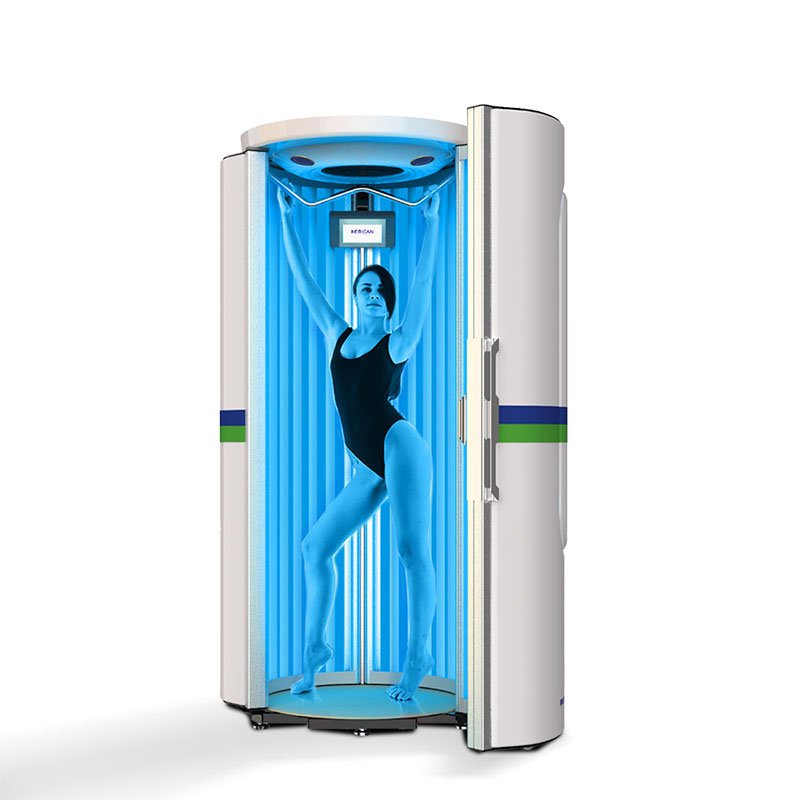
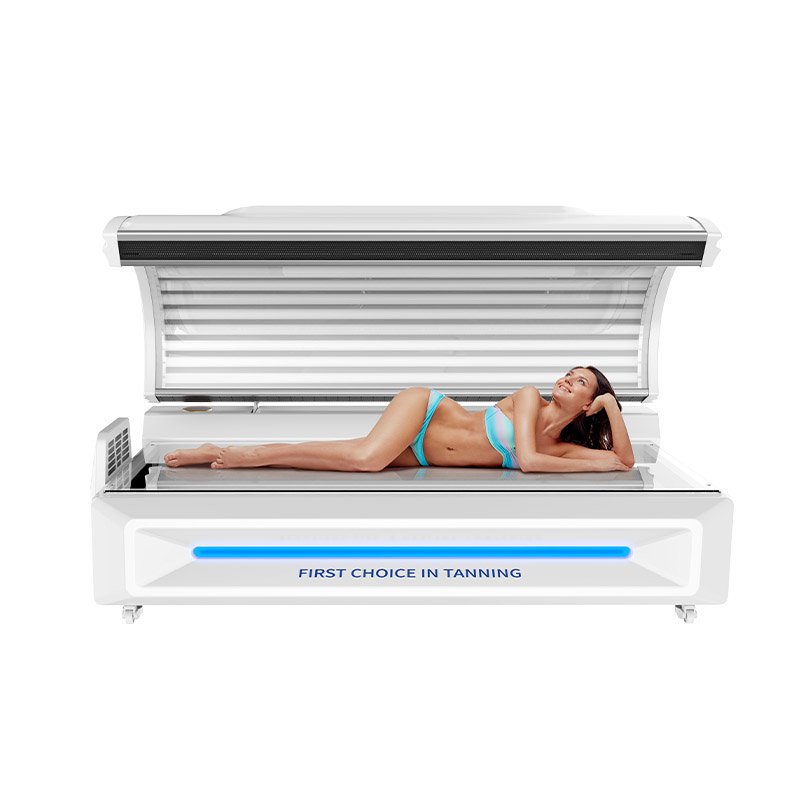


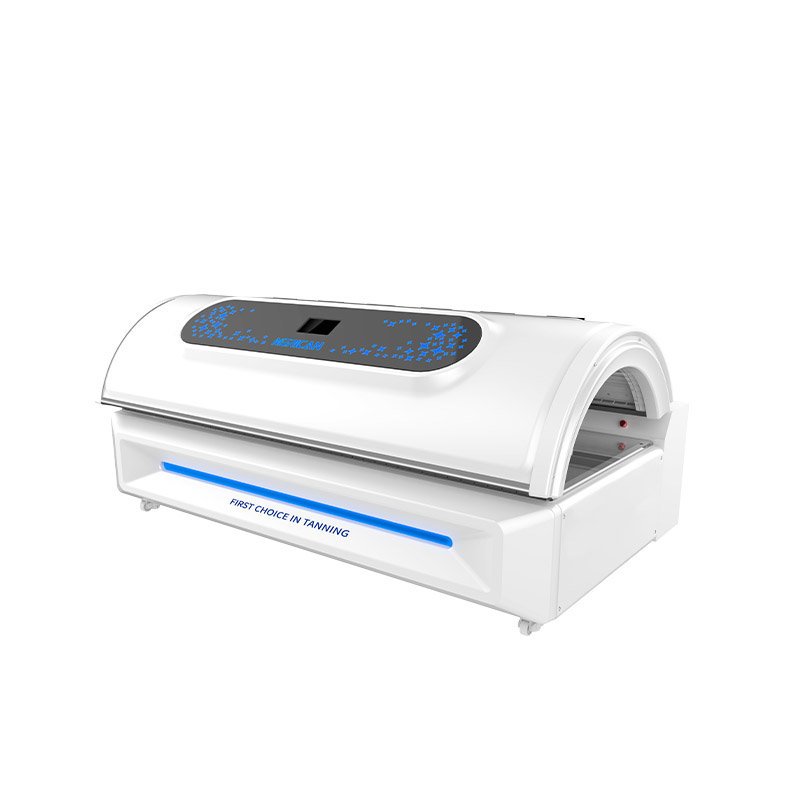
Red Light Therapy (RLT) and Infrared (IR) therapy are not the same, although they are closely related “cousins” on the electromagnetic spectrum. While they are often grouped together in the wellness and medical spa industries due to their shared ability to promote healing without drugs or invasive procedures, they function through different mechanisms and target different layers of the body. The primary difference lies in their visibility and wavelength depth: Red light is visible to the human eye and occupies the 630-700 nanometer range, making it ideal for treating the surface of the skin (epidermis and dermis) for issues like wrinkles and acne. In contrast, Infrared light is invisible energy felt as heat, occupying wavelengths from 800 nanometers up to 1 millimeter, allowing it to penetrate approximately 1.5 inches deep into the body to target muscles, joints, and toxins for detoxification and pain relief.
We live in a world governed by light. From the moment we wake up to the sun streaming through the window to the artificial glow of our screens, we are constantly bathed in various forms of energy. However, the light we can see with our eyes is only a tiny fraction of the energy that exists around us. Beyond the rainbow of the visible spectrum lies a realm of invisible waves that possess profound healing capabilities. For decades, scientists, dermatologists, and astronauts have utilized specific wavelengths to accelerate healing and improve human performance. Yet, for the average consumer, the terminology can be murky. “Red Light” and “Infrared” are frequently used interchangeably in marketing brochures, leading to confusion. By understanding the distinct science behind these two therapies, you can unlock a new level of wellness optimization. This comprehensive guide will dissect the physics, the biology, and the practical applications of these powerful therapies.

1. What is the Fundamental Science Behind the Electromagnetic Spectrum?
To understand why red light and infrared are different, we must first understand the universe of energy they inhabit. Light does not require a medium to travel; it can move through the vacuum of space just as easily as it moves through the air in your living room. Because of this, early physicists determined that light is comprised of both electric and magnetic properties, leading to the classification known as the Electromagnetic (EM) Spectrum.
The EM Spectrum is a map of all types of electromagnetic radiation. It is arranged by wavelength and frequency. On one end of this spectrum, we have “long” waves. These include radio waves, which carry music to our cars, and microwaves, which heat our leftovers. These are generally considered safe waves. As we move along the spectrum, the wavelengths get shorter and the energy gets higher. We eventually reach the visible light spectrum—the colors we can see.
On the far opposite end of the spectrum lie the “short” waves with high frequency. these include Ultraviolet (UV) rays, X-rays, and Gamma rays. These are ionizing radiations, meaning they have enough energy to remove electrons from atoms and damage living tissue. This is why we wear lead vests during X-rays and sunscreen at the beach.
However, there is a “sweet spot” in the middle of this spectrum. This is the therapeutic window. The human eye is evolved to detect wavelengths roughly between 400 nanometers (violet) and 700 nanometers (red). But the human body is capable of detecting and reacting to energies outside of this visual range. Just beyond the red visible light lies the infrared spectrum. We cannot see it, but our thermal receptors feel it as heat. This specific section of the spectrum—encompassing visible red light and invisible infrared heat—is where the magic of photobiomodulation and thermal therapy takes place.
2. How Do Wavelengths Measure the Difference Between Visible and Invisible Light?
The primary differentiator between these two therapies is the length of the wave, measured in nanometers (nm). A nanometer is a unit of length in the metric system, equal to one-billionth of a meter. It is difficult to conceptualize something so small, but in the world of cellular biology, these tiny measurements dictate massive biological responses.
The Physics of Penetration
There is a general rule in the physics of light interacting with the human body: The longer the wavelength, the deeper the penetration.
Imagine throwing a ping-pong ball into a dense bush versus throwing a heavy baseball. The light ping-pong ball might get caught in the outer leaves. The heavy baseball will crash through the branches and reach the trunk. In this analogy, blue and green lights are the ping-pong balls; they scatter quickly on the surface. Red light is heavier, and Infrared is heavier still.
Red Light: The Visible Healer (630nm – 700nm)
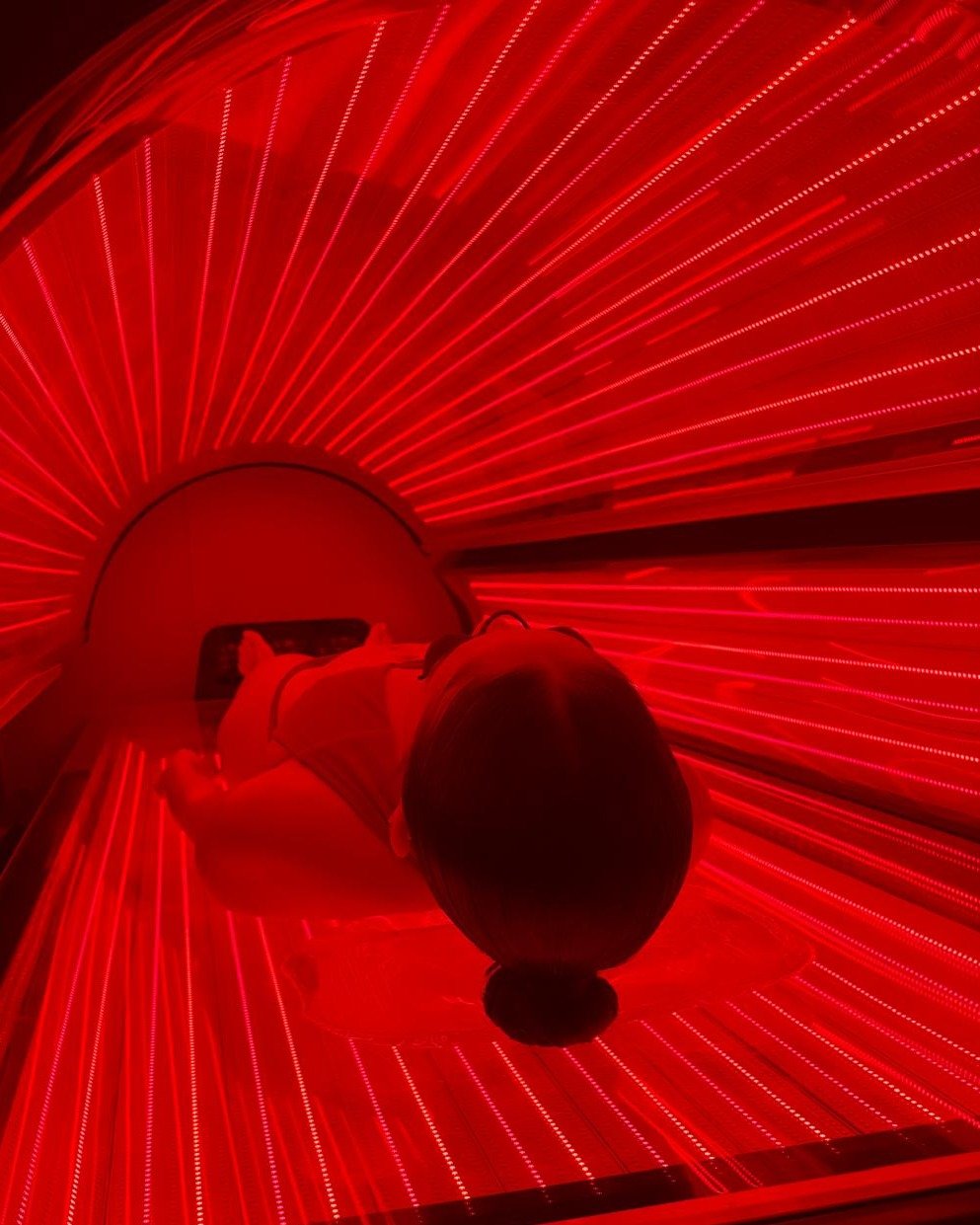
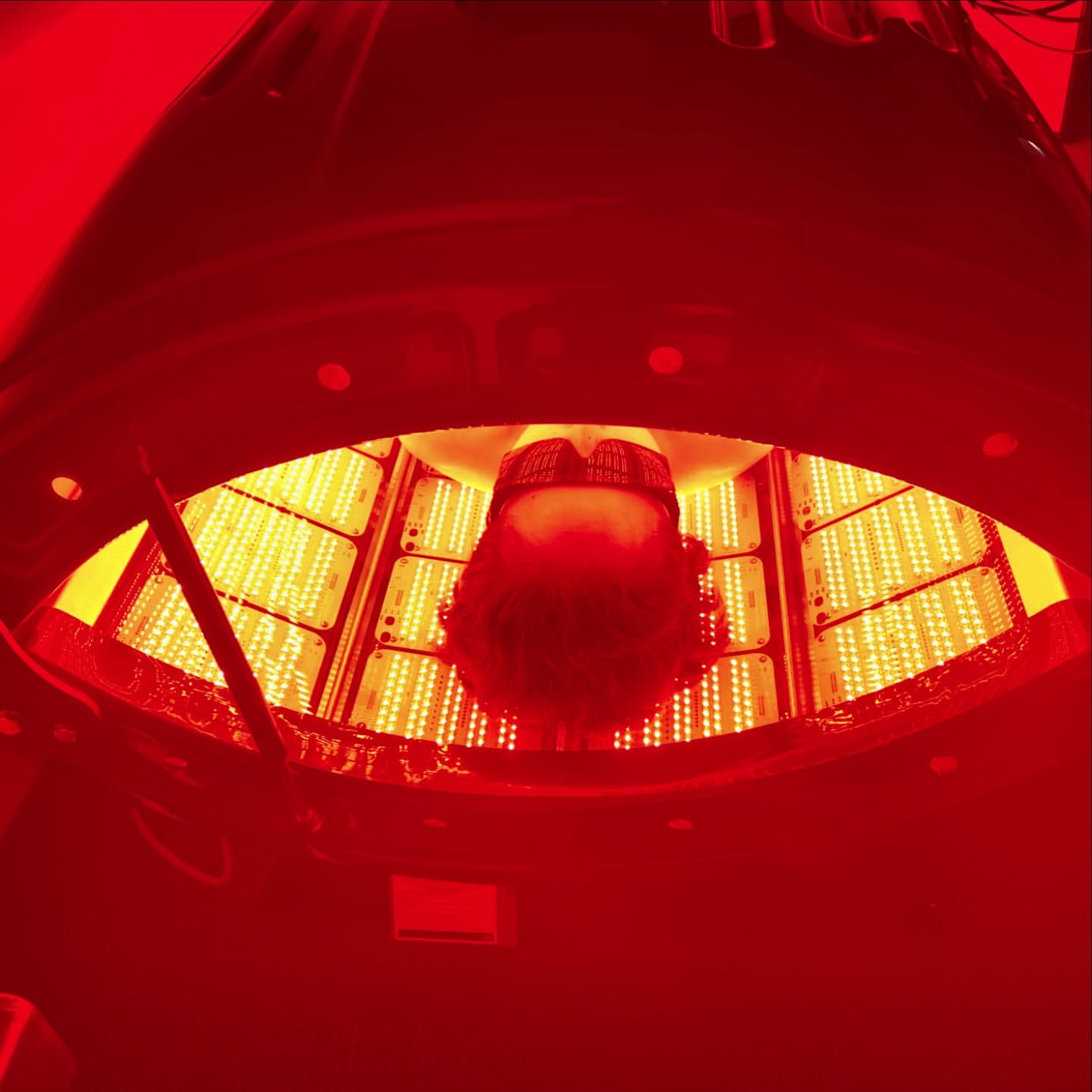
Red light occupies the “long end” of the visible spectrum. When you look at a red light therapy panel, you see a bright, intense red color. This light operates within the 630nm to 700nm range. Because of this specific wavelength, red light is chemically accepted by the mitochondria in our skin cells. It penetrates the skin but largely stays within the dermis layers. It does not travel deep into the organs or muscles. Its domain is the skin.
Infrared: The Invisible Heat (800nm – 1000nm+)
Infrared sits immediately next to red light on the spectrum, hence the name “Infra-red” (meaning “below red” in Latin). It generally operates from 800nm to 1000nm and beyond. Because these wavelengths are longer, they slip past the skin barrier. They can travel approximately 1.5 inches (almost 4 centimeters) into the body. This allows infrared energy to reach soft tissue, muscles, joints, and even bone. While your eyes tell you nothing is happening (unless the device also has red indicator lights), your body feels the warmth as the energy excites the water molecules in your cells.
3. Why is Red Light Therapy Specifically Targeted Toward Skin Rejuvenation?
If your goal is aesthetic improvement and skin health, Red Light Therapy (often delivered via LED panels) is the superior choice. The mechanism at play here is not heat, but photochemistry. It is often compared to photosynthesis in plants. Just as a plant absorbs sunlight to create fuel, our cells absorb red light to create energy.
The Collagen Connection
The most celebrated benefit of Red Light Therapy is its influence on collagen production. Collagen is the structural protein that keeps our skin firm, plump, and youthful. As we age, collagen production slows down, leading to wrinkles and sagging. The 700nm wavelength used in red light therapy is scientifically proven to stimulate the fibroblasts—the cells responsible for manufacturing collagen. specifically, it is optimal for the production of Collagen Type I, the most abundant collagen in the human body.
Surface-Level Restoration
Because red light saturates the skin layers, it is a powerhouse for treating dermatological issues. When the skin absorbs this light, circulation increases to the surface.
- Зменшення зморшок: By rebuilding the collagen matrix, fine lines are smoothed out over time.
- Scar Fading: The increased cellular turnover helps remodel scar tissue, making scars and stretch marks less visible.
- Anti-Inflammatory: It reduces acute inflammation on the skin surface, which is beneficial for conditions like rosacea or eczema.
- Ріст волосся: By stimulating blood flow to hair follicles, red light can combat hair loss and encourage thicker growth.
Red Light Therapy is essentially a “time machine” for your skin, telling your cells to act younger and repair themselves faster. It is a targeted, surface-level treatment that revitalizes the external appearance.
4. Where Does Infrared Heat Penetrate to Provide Deep Tissue Healing?
While red light works on the “wrapping,” Infrared works on the “contents” of the package. Infrared therapy is often associated with saunas, but unlike traditional saunas that heat the air around you to unbearable temperatures, infrared technology heats the body directly.
The Detoxification Mechanism
Infrared is a master of detoxification. We live in a toxic environment, absorbing heavy metals and pollutants that our bodies often store in fat cells and water molecules to protect our vital organs. Infrared heat penetrates deep enough to vibrate these water molecules. This vibration breaks the bonds holding toxins and fats in place.
Once these bonds are broken, the body can expel them. The result is a profound sweat. However, the sweat produced in an infrared session is different from the sweat produced during a run or in a regular steam room. Studies suggest that infrared-induced sweat contains a higher percentage of toxins, heavy metals, and cholesterol, offering a true cellular detox.
Metabolic and Muscular Benefits
Because the heat penetrates 1.5 inches deep, it impacts the cardiovascular and muscular systems directly.
- Полегшення болю: The deep heat dilates blood vessels (vasodilation) in the muscles. This flushes out lactic acid and metabolic waste products that cause soreness. It is incredible for arthritis, back pain, and sports recovery.
- Втрата ваги: As the body’s core temperature rises, the system works hard to cool it down. This process requires energy. The heart rate increases, and the metabolism boosts, mimicking the cardiovascular exertion of moderate exercise. This helps burn calories while you are simply lying down.
- Internal Repair: The heat stimulates the production of heat shock proteins, which are known to repair damaged proteins and DNA within the cells.
If Red Light is the dermatologist, Infrared is the physical therapist and the internal medicine doctor combined.
5. When Did Scientists First Discover the Medical Applications of Light?
The concept of using light for healing is not a “New Age” fad; it is rooted in serious medical history dating back centuries. The scientific validation of these therapies has evolved from smallpox wards to space shuttles.
The Pioneer: Niels Ryberg Finsen
In the late 19th and early 20th centuries, a Danish physician named Niels Ryberg Finsen began rigorously researching the effects of light on living organisms. He discovered that concentrated red light could accelerate the healing of smallpox lesions and prevent scarring. He also developed ultraviolet light treatments for lupus vulgaris (skin tuberculosis). His work was so revolutionary that he was awarded the Nobel Prize in Medicine and Physiology in 1903. He is effectively the father of modern phototherapy.
The Advocate: John Harvey Kellogg
In 1910, Dr. John Harvey Kellogg (yes, of cereal fame, but also a prominent holistic physician) published “Light Therapeutics.” He was an early proponent of incandescent light baths. He recognized that the heat and light generated by these electric cabinets had profound effects on circulation, muscle pain, and overall vitality. He bridged the gap between ancient sun-worshiping cures and modern electric medicine.
The Innovator: NASA
The modern resurgence of Red Light and Infrared technology is largely owed to NASA. In the 1980s and 90s, NASA scientists were trying to grow plants in space. They used red LED lights to simulate sunlight. They noticed something interesting: the scientists’ hands, which were constantly under the red lights while tending to the plants, were healing from cuts and abrasions faster than normal.
This accidental discovery led to rigorous testing. NASA found that red light and infrared wavelengths improved energy production within human cells. They also utilized infrared heat to condition the cardiovascular systems of astronauts during long space flights, keeping their hearts and vessels strong in zero gravity. What was good enough for astronauts has now become the standard for high-performance athletes and wellness seekers on Earth.
6. Which Therapy Should You Choose to Align With Your Personal Wellness Goals?
Understanding the difference is only half the battle; knowing which one to choose is where the practical application begins. Because they are safe, drug-free, and non-invasive, the choice largely comes down to your desired outcome.
Choose Red Light (LED) If:
- Your focus is cosmetic: You want to reduce crow’s feet, laugh lines, and wrinkles.
- You have surface scars: You are treating acne scars, surgical scars, or stretch marks.
- You want to improve skin tone: You suffer from uneven texture or sun damage.
- You have hair loss: You want to stimulate follicles on the scalp.
- You want a quick session: Red light panels often require shorter exposure times for surface treatment.
Choose Infrared (Heat) If:
- Your focus is internal: You want to detoxify your body from heavy metals and environmental pollutants.
- You are in pain: You suffer from chronic joint pain, arthritis, or deep muscle soreness.
- You want weight management: You are looking to boost metabolism and burn calories passively.
- You are stressed: You need a deep, parasympathetic nervous system reset (relaxation) that comes from thermal therapy.
- You want better sleep: The thermal regulation effects of infrared often lead to deeper, more restorative sleep cycles.
The Ultimate Solution: Combination Therapy
The truth is, you don’t always have to choose. Because they work on different biological pathways, Red Light and Infrared are highly complementary. An infrared sauna session induces sweating and opens the pores, while the deep heat relaxes the body. Following this (or doing it simultaneously) with Red Light therapy ensures that while your insides are detoxing, your outside is rejuvenating. This holistic approach—treating the body from the cellular core to the surface skin—provides the most robust wellness profile.
The Spectrum Within the Spectrum – Near, Mid, and Far Infrared
To further deepen your understanding, it is helpful to know that “Infrared” itself is not just one thing. It is broken down into three sub-categories, each with its own unique properties. Most high-end “Full Spectrum” saunas will offer a mix of these.
- Near-Infrared (NIR):
- Довжина хвилі: 700nm – 1400nm.
- The Bridge: This sits right next to Red Light. It is the shortest of the infrared wavelengths.
- Function: Unlike the others, it doesn’t create high heat. It penetrates the epidermis and aids in skin renewal, wound healing, and immune boosting. It is often found in LED panels alongside Red Light.
- Mid-Infrared (MIR):
- Довжина хвилі: 1400nm – 3000nm.
- The Circulator: This is a longer wavelength that penetrates deeper into the body’s soft tissue.
- Function: It is excellent for increasing circulation and promoting blood flow to injured areas. It helps reduce inflammation and speeds up the healing process of soft tissue injuries.
- Far-Infrared (FIR):
- Довжина хвилі: 3000nm – 1mm.
- The Deep Heater: This is the wavelength most commonly associated with “Infrared Saunas.”
- Function: It penetrates the deepest (up to 1.5 inches). It targets the core body temperature, activating the sweat glands and accessing the deep fat cells where toxins are stored. It provides the heavy lifting for detox, blood pressure reduction, and relaxation.
A Holistic Protocol – Integrating Light Into Your Routine
Incorporating these therapies into a busy lifestyle is easier than it sounds. Here is a sample protocol for maximizing the benefits of both Red Light and Infrared therapy, utilized by biohackers and wellness professionals.
Step 1: Hydration and Prep
Before any light or heat therapy, hydration is critical. Drink a large glass of mineral-rich water. The body needs water to produce sweat (for infrared) and to facilitate cellular energy transfer (for red light).
Step 2: The Infrared Session (20-40 Minutes)
Begin with the Infrared Sauna. This requires the most time. As your body heats up, your blood vessels dilate, and your heart rate rises. You enter a state of “rest and digest.” The toxins are released through sweat.
- Порада: Do this post-workout to flush lactic acid, or in the evening to prepare for sleep.
Step 3: The Cold Rinse
After the sauna, rinse off the toxin-filled sweat with a cool or cold shower. This closes the pores and reinvigorates the system.
Step 4: The Red Light Session (10-15 Minutes)
Once your skin is clean and dry, stand or sit in front of a Red Light LED panel. Since your circulation is already boosted from the infrared heat, your blood is moving rapidly to the skin’s surface. This makes the delivery of oxygen and nutrients even more efficient as the red light stimulates collagen production.
- Порада: Do this in the morning for a circadian rhythm boost, or immediately after your shower.
Step 5: Post-Therapy Nutrition
Your body has just done work. Support the cellular repair with antioxidants and healthy proteins.
Часті запитання
1. Can I overdose on Red Light or Infrared therapy?
While both therapies are considered extremely safe and non-invasive, “more” is not always “better.”
- Red Light: There is a concept called the biphasic dose response. If you use red light for too long (e.g., hours at a time), the benefits can plateau or even diminish as the cells become over-stimulated. Adhering to the recommended 10–20 minute window is optimal.
- Infrared: The risk here is dehydration or heat exhaustion. Because you are sweating profusely and raising your core temperature, staying in too long can be dangerous. Always listen to your body. If you feel dizzy or lightheaded, exit the sauna immediately.
2. Is Red Light Therapy safe for my eyes?
Generally, red light at standard therapeutic intensities is considered safe for the eyes and may even have benefits for declining vision. However, the light is extremely bright and can be uncomfortable. Most manufacturers recommend closing your eyes during the session or wearing the blackout goggles provided.
- Infrared: Infrared heat is invisible, but prolonged exposure to high-intensity infrared directly into the eye (which is rare in a sauna setting but possible with industrial lasers) can be damaging. In a sauna or standard panel setting, there is minimal risk to the eyes, but comfort should always be the guide.
3. How long does it take to see results?
These are natural therapies that work with your body’s biological rhythm, so they are not “overnight fixes” like a surgical facelift or a painkiller pill.
- Infrared: You will feel the relaxation and pain relief immediately after the first session. However, significant changes in skin quality or detoxification generally require consistent use (3-4 times a week) for about a month.
- Red Light: Since collagen production is a slow biological process, skin improvements typically become visible after 4 to 8 weeks of consistent daily or semi-daily use. Patience and consistency are the keys to success.
Підсумок
In summary, while Red Light and Infrared therapies share a home on the electromagnetic spectrum and often reside in the same wellness centers, they are distinct tools for distinct jobs. Red Light is the artist, painting the surface with collagen and youthfulness. Infrared is the laborer, digging deep to remove toxins and soothe the structural foundations of the body. By understanding the unique science of nanometers and penetration depths, you can make an informed decision—or better yet, combine them—to illuminate your path to optimal health.

 EN
EN EN_GB
EN_GB DE
DE EL
EL ES
ES UZ
UZ FR
FR IT
IT JA
JA CS
CS DA
DA DE_AT
DE_AT FI
FI ET
ET HR
HR FR_BE
FR_BE HU
HU KO
KO IS
IS KA
KA LT
LT NL
NL UK
UK TR
TR SV
SV SR
SR SL
SL SK
SK RU
RU RO
RO PT
PT NB
NB AR
AR CY
CY