
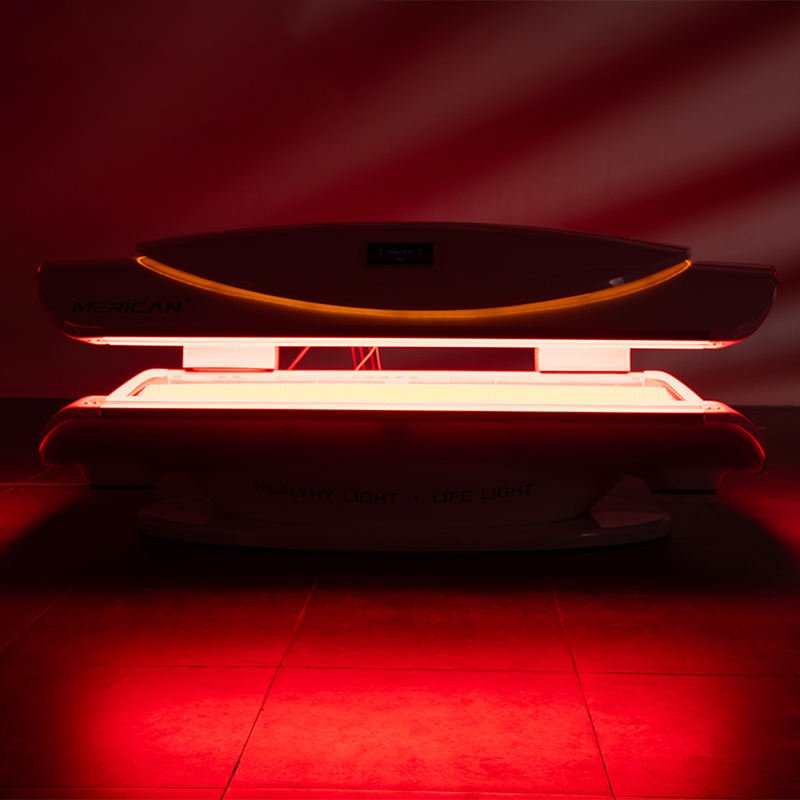
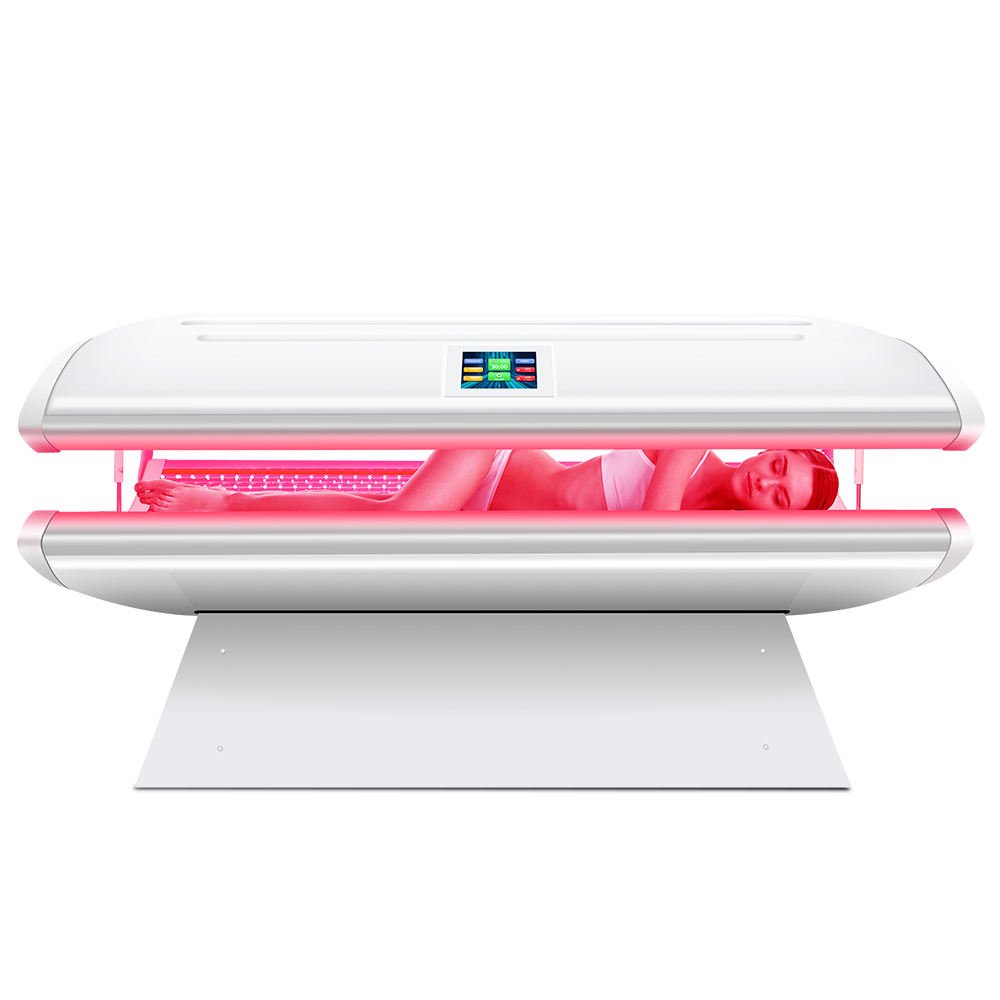

Red light therapy, frequently referred to in scientific circles as Low-Level Laser Therapy (LLLT) or photobiomodulation (PBM), has emerged as a revolutionary approach to skincare and pain management. Recently, its application has shifted toward dentistry, sparking a common and hopeful question among patients: Can red light therapy regrow gums?
The short answer requires nuance. While red light therapy is unlikely to magically regenerate gum tissue that has completely vanished due to severe recession, it is a powerhouse for supporting gum health, halting disease progression, and creating the biological conditions necessary for tissue repair.
It does not act as a time machine to reverse years of gum loss instantly. However, it acts as a biological catalyst—reducing inflammation, hyper-charging blood circulation, and accelerating the cellular repair mechanisms that make gums firmer, less prone to bleeding, and more resilient.
For those looking to optimize their oral hygiene routine beyond the toothbrush and floss, red light therapy offers a compelling, non-invasive solution. This comprehensive guide will explore the science, the limitations, and the profound benefits of using light to heal your smile.
What Is the Biological Mechanism Behind Red Light Therapy and Oral Tissue?
To understand how red light therapy impacts the mouth, we must first look at the cellular level. The human body is responsive to light, much like a plant is to the sun, though the mechanism differs.
The Science of Photobiomodulation
Red light therapy operates on a principle called ფოტობიომოდულაცია. This is a non-thermal process where light energy triggers biological changes within the body. Unlike high-power surgical lasers that cut or burn tissue, LLLT uses specific wavelengths of light—typically in the red (600–700 nm) and near-infrared (800–1000 nm) spectrums—to penetrate the skin and soft tissues of the mouth without causing heat damage.
The Role of Mitochondria and ATP Production
The primary target of this light is the mitochondria, often described as the “power plant” of the cell. Inside the mitochondria, there is an enzyme called cytochrome c oxidase. When red light hits this enzyme, it boosts the efficiency of the electron transport chain.
This stimulation leads to a significant increase in the production of Adenosine Triphosphate (ATP). ATP is the fuel that cells use for almost every function. In the context of gum tissue:
- Energy for Repair: Compromised or damaged gum cells receive an influx of energy, allowing them to repair structural damage faster.
- Collagen Synthesis: The increased energy supports the fibroblasts (cells responsible for making connective tissue) in producing more collagen, which is the scaffolding of healthy gums.
Improving Microcirculation and Oxygenation
Gum tissue is highly vascular, meaning it is rich in blood vessels. Gum disease often compromises this blood flow. Red light therapy induces the release of nitric oxide, a vasodilator that widens blood vessels. This improves microcirculation, ensuring that oxygen and vital nutrients reach the gum tissue while efficiently flushing out metabolic waste products.
Why Do Gums Recede and Can Light Therapy Stop It?
Before determining if light therapy can fix the problem, we must understand the enemy. Gum recession is the process where the margin of the gum tissue that surrounds the teeth wears away, or pulls back, exposing more of the tooth, or the tooth’s root.
The Causes of Recession
- Periodontal Disease: Bacterial infections destroy the gum tissue and supporting bone.
- Aggressive Brushing: Using hard bristles or brushing too hard can physically wear down the gums.
- Genetics: Some people are born with thinner gum tissue that is predisposed to recession.
- Tobacco Use: Smoking constricts blood vessels, starving the gums of oxygen.
The Distinction Between “Regrowth” and “Regeneration”
This is the most critical distinction to make.
- Regrowth (Structural Restoration): This implies that if your gum line has receded 3mm, the light will make it grow back to its original height. Red light therapy alone generally cannot do this. Once the tissue is gone, especially if the underlying bone has also receded, surgical intervention is usually required to physically replace the bulk of the tissue.
- Regeneration (Cellular Repair): This implies fixing the quality of the existing tissue. Red light therapy excels here. It can stimulate the periodontal ligament cells and reduce the inflammation that causes the recession to continue.
Therefore, while you may not see the gum line physically creep back down the tooth significantly, the therapy can stop the recession from getting worse and make the remaining attachment significantly stronger.
How Does Red Light Therapy Combat Inflammation and Gingivitis?
Gingivitis is the earliest stage of gum disease, characterized by red, swollen, and bleeding gums. It is essentially an inflammatory response to plaque and bacteria.
The Anti-Inflammatory Action
Inflammation is the body’s immune response to injury or infection. However, chronic inflammation is destructive. Red light therapy has a potent anti-inflammatory effect. It inhibits the synthesis of inflammatory mediators (like prostaglandins and cytokines). By calming this immune response, the redness and swelling associated with gingivitis can subside rapidly.
Clinical Observations on Bleeding
One of the first improvements users of oral red light therapy notice is a reduction in bleeding during brushing or flossing. Because the light stimulates angiogenesis (the formation of new blood capillaries) and strengthens the collagen matrix of the gums, the tissue becomes less friable and more resilient to the mechanical pressure of cleaning.
Reducing Bacterial Load
While red light is primarily for healing, when combined with specific wavelengths (often blue light), it can alter the oral microbiome. A healthier gum environment, rich in oxygen due to improved blood flow, is less hospitable to the anaerobic bacteria that cause severe gum disease.
What Are the Benefits for Advanced Periodontal Disease?
When gingivitis is left untreated, it advances to periodontitis. This involves the destruction of the bone and soft tissue that supports the teeth.
Supporting Professional Treatments
Red light therapy is rarely a standalone cure for advanced periodontitis, but it is an incredible adjunct to professional care (like scaling and root planing).
- Post-Procedural Healing: After a deep cleaning, the gums are often sore and inflamed. LLLT can speed up the healing of these tissues.
- Bone Regeneration Potential: Some studies suggest that near-infrared light (which penetrates deeper than red light) may stimulate osteoblasts, the cells responsible for bone formation. While this won’t regrow a whole jawbone, it may help stabilize the bone density around teeth that have been compromised by disease.
Pain Reduction
Periodontal treatments can be painful. The analgesic (pain-killing) effects of red light therapy are well-documented. By blocking pain signals in the nerves and reducing the pressure caused by inflammation, patients often report less discomfort during their recovery phase.
How Does Red Light Therapy Help with Tooth Sensitivity?
Tooth sensitivity is a common side effect of gum recession. As the gums pull back, the dentin (the layer beneath the enamel) and the tooth roots are exposed. These areas contain microscopic tubules that lead directly to the nerve.
The Mechanism of Relief
Red light therapy can help desensitize these nerves. By improving the health of the pulp (the living center of the tooth) and reducing inflammation in the surrounding gum tissue, the over-reactivity of the nerves can be dampened. Furthermore, by stimulating the odontoblasts (cells inside the tooth), there is potential for stimulating the production of tertiary dentin, a protective layer that helps shield the nerve from hot and cold stimuli.
Feature 1: Comparative Analysis of Gum Treatments
To better understand where Red Light Therapy fits into your oral health strategy, it is helpful to compare it with standard dental treatments.
| ფუნქცია | Red Light Therapy (LLLT) | Scaling & Root Planing (Deep Cleaning) | Gum Graft Surgery | Pinhole Surgical Technique |
|---|---|---|---|---|
| Primary Goal | Cellular repair, inflammation reduction, pain relief. | Removal of tartar/bacteria below gum line. | Physically replacing lost gum tissue. | Repositioning existing gum tissue to cover roots. |
| Invasiveness | Non-invasive (No pain, no cutting). | Minimally invasive (may require anesthesia). | Invasive (requires cutting and sutures). | Minimally invasive (no scalpel, requires holes). |
| Regrowth Ability | Minimal (focuses on health/repair). | None (focuses on cleaning). | High (physically adds tissue). | High (physically moves tissue). |
| Recovery Time | Zero downtime. | 1–2 days of sensitivity. | 1–2 weeks of recovery. | 1–2 days of recovery. |
| Cost | Low (One-time device purchase). | Medium (Recurring dental cost). | High (Per tooth/quadrant). | High (Specialized procedure). |
| საუკეთესოა | Maintenance, gingivitis, post-op healing. | Treating active gum disease. | Severe recession correction. | Moderate recession correction. |
How Should You Integrate Red Light Therapy Into Your Oral Hygiene?
Using a red light device is not a replacement for traditional hygiene; it is a force multiplier. Here is how to effectively integrate it.
1. The Importance of Clean Surfaces
Light cannot penetrate heavy plaque or tartar effectively. For the therapy to work, the light photons must reach the gum tissue. Therefore, you must use the device immediately after brushing and flossing. This ensures that the barrier of biofilm is removed, allowing for maximum light absorption.
2. Device Selection
- Intraoral Devices: These look like sports mouthguards. They are excellent because they sit directly against the gums, ensuring the light intensity is not lost over distance.
- ხელის ჯოხები: These allow you to target specific problem areas or sore spots but can be tiring to hold for long sessions.
- External Panels: While great for skin, large panels are less effective for gums because the lips and cheeks block the light from reaching the internal gum tissue.
3. Consistency is Key
Like exercise, one session will not change your health. Cellular changes require cumulative stimulation.
- სიხშირე: Most protocols recommend usage 3–5 times per week.
- ხანგრძლივობა: 10 to 15 minutes per session is the standard therapeutic window. Going longer does not necessarily yield better results and can lead to diminishing returns (a concept known as the biphasic dose response).

Is Red Light Therapy Safe for Everyone?
Safety is a top priority for any health intervention. Fortunately, red light therapy has an excellent safety profile.
Heat and UV Concerns
True LLLT devices use Light Emitting Diodes (LEDs) or cold lasers. They do not emit heat that can burn the delicate oral mucosa. Furthermore, they do not emit UV (ultraviolet) radiation, so there is no risk of sunburn, DNA damage, or oral cancer associated with their use.
Eye Protection
While the light is safe for skin and gums, the intensity of the LEDs can be overwhelming for the retina. It is generally recommended to close your eyes or wear the protective goggles provided with most reputable devices during treatment.
Contraindications
While rare, there are situations where caution is advised:
- ფოტომგრძნობელობა: If you take medications that increase light sensitivity (like tetracycline antibiotics or isotretinoin), consult a doctor.
- Active Cancer: While research is ongoing, most experts advise against using proliferation-stimulating therapies over active malignant tumors without oncologist approval.
Which Lifestyle Factors Influence the Success of Gum Regeneration?
You cannot “light” your way out of a bad lifestyle. For red light therapy to effectively aid in gum repair, the body must have the raw materials and conditions to heal.
Nutrition and Building Blocks
- Vitamin C: Essential for collagen production. Without it, gums become weak and susceptible to disease (scurvy is the extreme example of this).
- Protein: Tissue repair requires amino acids.
- Sugar Intake: High sugar diets feed the specific bacteria that destroy gum tissue. Reducing sugar starves these bacteria.
Systemic Health
- Diabetes: Diabetics suffer from impaired wound healing and higher rates of gum disease. Red light therapy can be particularly beneficial here, but blood sugar control is paramount.
- სტრესი: High cortisol levels suppress the immune system. Managing stress helps your body fight off oral infections.
Feature 2: The “Healthy Gums” Success Checklist
To maximize your results with red light therapy, follow this daily and weekly checklist.
Daily Routine:
- Morning: Brush with soft bristles + Fluoride/Hydroxyapatite toothpaste.
- Evening: Floss (getting below the gum line).
- Evening: Brush thoroughly but gently.
- Evening (Post-Brush): Use Red Light Therapy device for 10 minutes.
- Throughout Day: Drink water to maintain saliva production (natural defense).
Weekly/Monthly Routine:
- Weekly: Clean your red light device with mild soap or alcohol-free sanitizer.
- Monthly: Check gums for changes in color (redness indicates inflammation) or recession.
- Every 6 Months: Professional dental cleaning and exam.
What Does the Future Hold for Light Therapy in Dentistry?
The field of photobiomodulation is rapidly expanding. Current research is investigating the combination of red light with specific photosensitizing agents (Photodynamic Therapy) to aggressively target antibiotic-resistant bacteria in deep periodontal pockets.
Additionally, researchers are looking into “pre-conditioning,” where light therapy is applied before dental surgery to prepare the tissues for trauma and accelerate the subsequent recovery.
At Healthlightentherapy, we are at the forefront of this technological wave. With decades of expertise and global recognition, we don’t just follow trends—we engineer them. We assist partners in creating top-tier light therapy products through OEM, ODM, and private-label solutions. To understand our commitment to quality and innovation, we invite you to explore our story on our ჩვენს შესახებ page.
Red light therapy is a versatile tool. Beyond oral health, it is revolutionizing athletic recovery. Curious about how it works for the rest of the body? Read our deep dive: 50% Greater Growth in Muscles with Red Light Therapy.
ხშირად დასმული კითხვები
1. What is the absolute best treatment for regrowing gums that have severely receded?
If your goal is to physically restore the gum line to its original height, gum graft surgery remains the gold standard. In this procedure, a periodontist takes tissue from the roof of your mouth (or uses donor tissue) and sutures it over the exposed root. While red light therapy aids healing, it cannot replace the volume of lost tissue like surgery can.
2. How exactly does red light therapy contribute to gum regeneration if it doesn’t “grow” them back?
It works by “regeneration of health” rather than “regrowth of volume.” It stimulates the mitochondria to produce ATP, reduces the inflammation that causes the gums to detach, and improves blood flow. This creates a biological environment where the gum tissue becomes tighter, pinker, and stops receding further. It stabilizes the condition.
3. Can you naturally stimulate gums to grow back without any intervention?
Generally, no. Once gum tissue is lost, it does not regenerate on its own like skin might heal a scratch. However, you can halt the recession and improve the attachment of the remaining gum through impeccable hygiene, removing the cause (like hard brushing), and using supportive therapies like red light to reduce inflammation.
4. How long does it take to see results with red light therapy for gums?
For acute issues like inflammation or bleeding (gingivitis), you may see improvements in as little as 1 to 2 weeks of daily use. For more chronic issues, such as reducing sensitivity or stabilizing periodontal pockets, consistent use over 2 to 3 months is typically required to observe significant changes.
5. What is the newest treatment for regrowing gums?
Beyond traditional grafts, the Pinhole Surgical Technique (PST) is a newer, minimally invasive option where gums are loosened and stretched over the root without cutting. Additionally, research is being done on Enamel Matrix Derivatives (emdogain), biological gels that mimic tooth development to encourage regeneration. Red light therapy is considered the newest non-invasive adjunct to these treatments.
6. Can red light therapy help with pain from braces or Invisalign?
Yes. Orthodontic movement causes temporary inflammation in the periodontal ligament, which translates to pain. Studies have shown that using red light therapy can significantly reduce the discomfort associated with tightening braces or switching aligner trays, potentially even speeding up tooth movement by stimulating bone remodeling.
7. Will red light therapy whiten my teeth?
No, red light therapy itself does not have bleaching properties. Teeth whitening requires chemical agents (like hydrogen peroxide) to break down stains. However, many modern whitening kits include blue LED lights to activate the gel. Some devices offer a “dual mode” (Blue + Red), where the blue accelerates whitening and the red soothes the gums to prevent the sensitivity often caused by whitening gels.
8. Is oral red light therapy safe for children?
Generally, yes, LED light therapy is non-toxic and non-thermal. It can be helpful for children prone to canker sores or gum inflammation from poor brushing habits. However, because children’s eyes are more sensitive to light, supervision is strictly required to ensure they do not stare at the LEDs. Always consult a pediatric dentist before starting any new treatment for a child.
Bottom Line
So, can red light therapy regrow gums? It cannot miraculously restore a receded gum line to its teenage state, but to dismiss it would be a mistake. It is a potent biological ally that reduces the inflammation destroying your gums, relieves pain, and creates a thriving environment for oral health. When paired with professional dental care and consistent hygiene, it is a game-changer for maintaining a healthy, pain-free smile.

 EN
EN EN_GB
EN_GB DE
DE EL
EL ES
ES UZ
UZ FR
FR IT
IT JA
JA CS
CS DA
DA DE_AT
DE_AT FI
FI ET
ET HR
HR FR_BE
FR_BE HU
HU KO
KO IS
IS KA
KA LT
LT NL
NL UK
UK TR
TR SV
SV SR
SR SL
SL SK
SK RU
RU RO
RO PT
PT NB
NB AR
AR CY
CY