

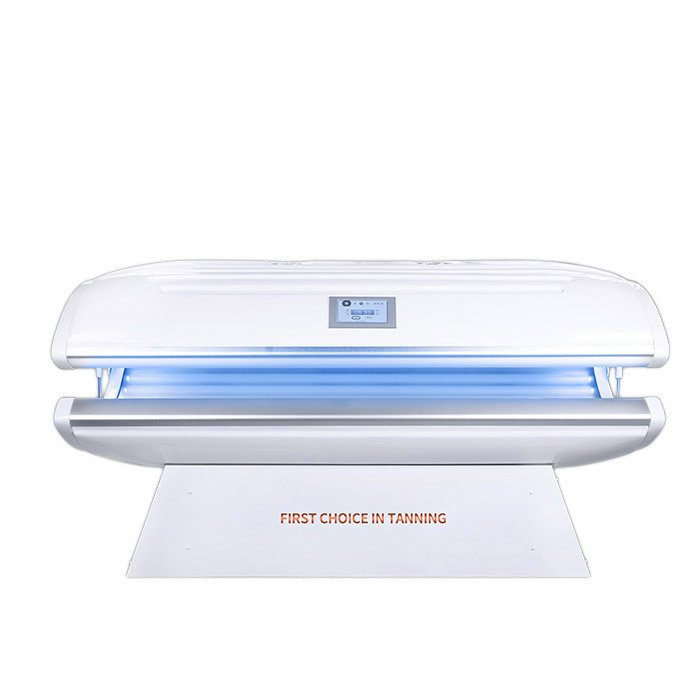
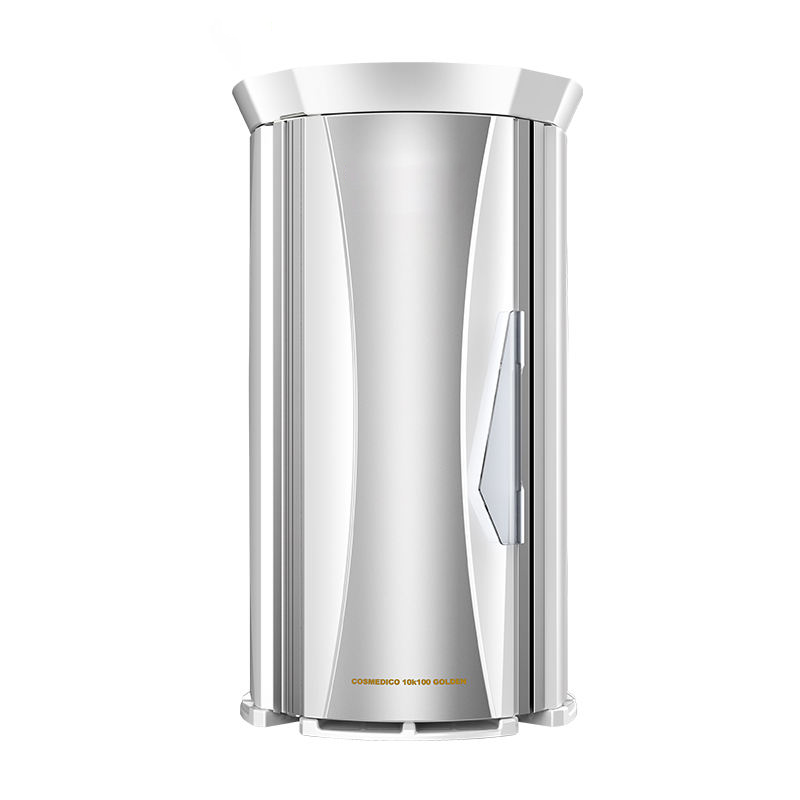


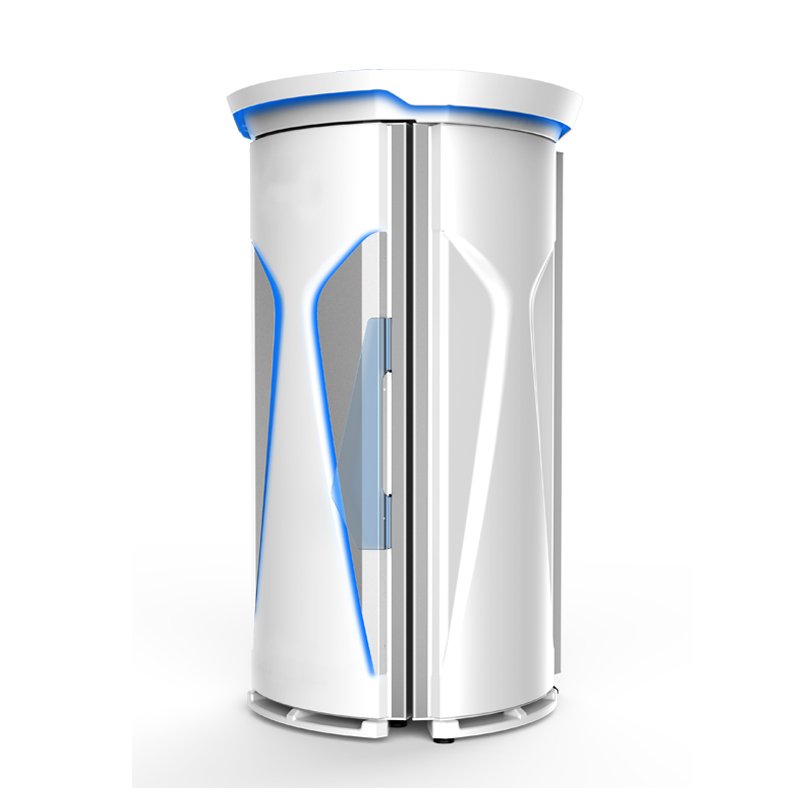
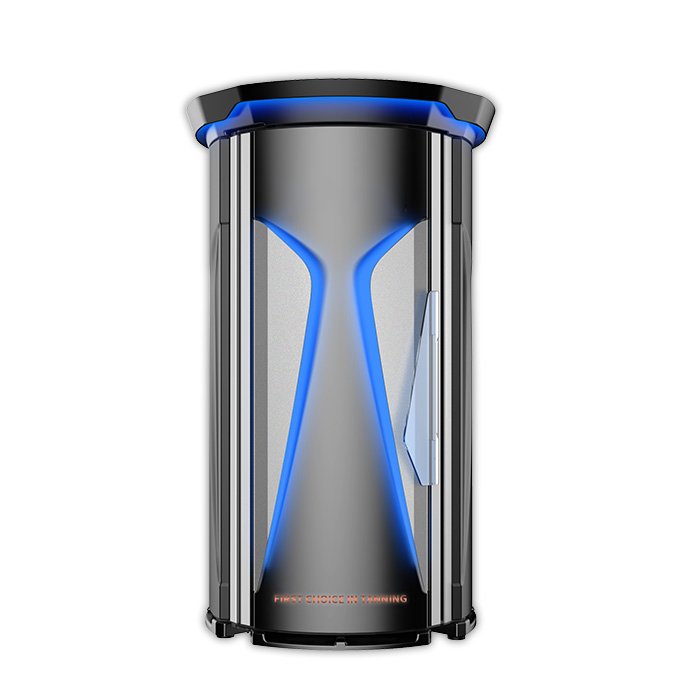
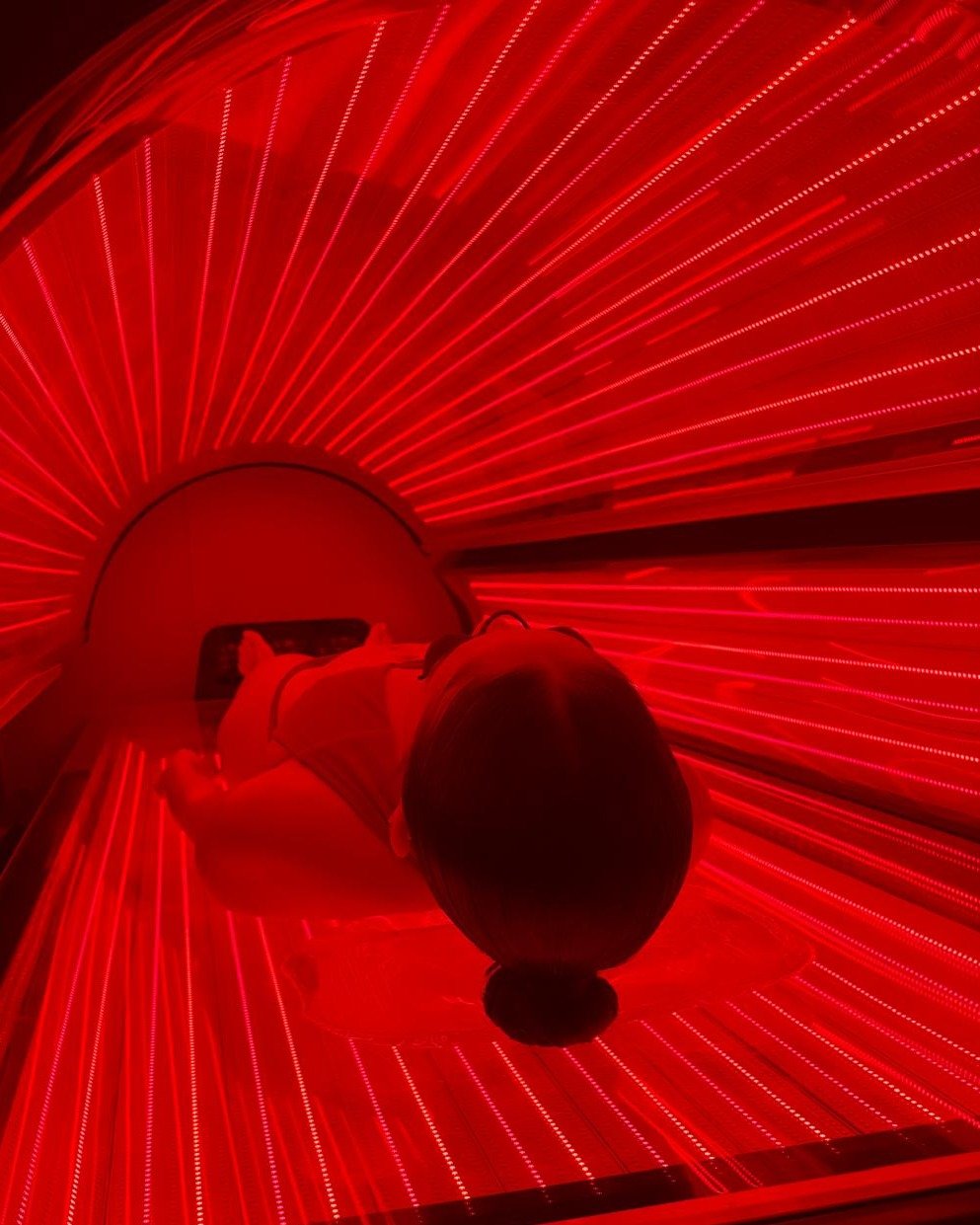
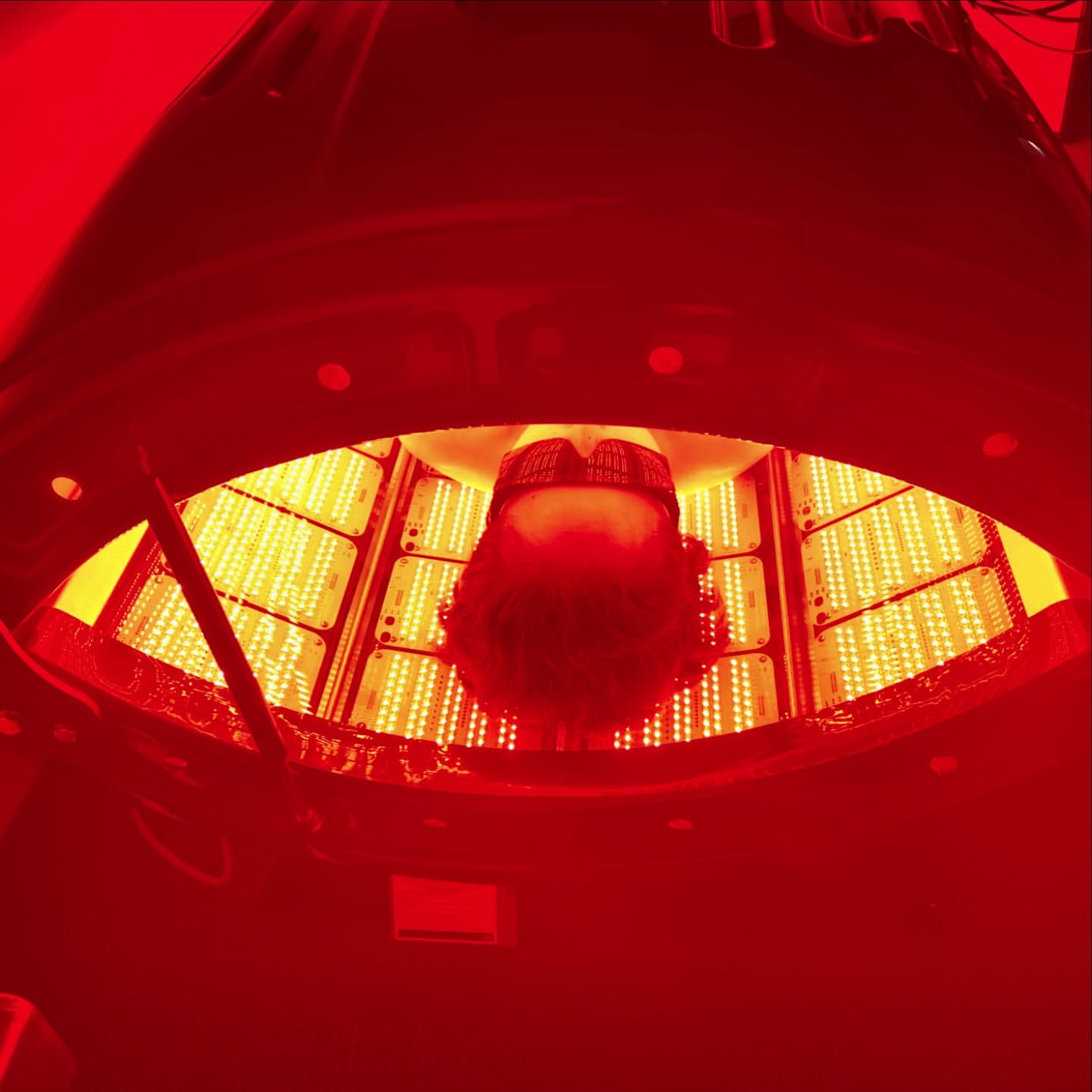
Red light therapy has seen a surge in popularity in recent years, becoming a trusted and scientifically supported method for improving skin health, relieving pain, and promoting overall wellness. With its non-invasive approach, it has found its place not only in spas and clinics but also in many homes across the world. However, when it comes to purchasing a red light therapy bed, one of the most pressing concerns is understanding the cost factors. Prices vary widely, with several elements influencing the final price, including the technology used, the intended use (home vs. commercial), and the power and features of the device.
This guide will explore the key factors that contribute to the cost of red light therapy beds, break down the average price ranges for various models, and provide helpful insights on whether investing in one is truly worth it. Whether you’re looking for a therapy bed for personal use or a professional setting, we’ll also cover the important aspects you need to consider before making a purchase.

1. Key Factors That Influence the Price of Red Light Therapy Beds
Understanding the various aspects that affect the price of red light therapy beds can help you make an informed decision. Below are the most important considerations when evaluating the cost.
1.1. Wavelength and Technology
The effectiveness of red light therapy is largely determined by the wavelength of light emitted by the device. The most commonly used wavelengths for therapy are 630nm, 660nm, and 850nm. These wavelengths have been scientifically proven to penetrate the skin and tissues to promote healing, reduce inflammation, and enhance cell regeneration.
Premium models are equipped with multiple wavelengths to ensure deeper tissue penetration and increased effectiveness. For instance, high-end devices like the Theralight 360 Pro offer four different wavelengths, improving treatment outcomes for skin issues, muscle recovery, and pain relief.
1.2. Intended Use: Home Use vs. Commercial Use
Red light therapy beds designed for personal use typically come at a lower price point compared to those meant for commercial or clinical applications. If you’re buying a therapy bed for your home, expect to pay between $3,000 and $7,000, depending on the features and capabilities of the device.
On the other hand, beds intended for professional use—such as in a spa, clinic, or wellness center—can cost anywhere between $15,000 and $30,000 or more. These models offer more advanced features, such as adjustable irradiance, full-body coverage, and increased power for more efficient treatments.
1.3. Power and Efficiency
The power output of a red light therapy bed directly impacts its effectiveness. More powerful devices allow for shorter therapy sessions while providing the same or better results. In addition, beds with near-infrared light are known for their deeper tissue penetration, which makes them more effective in treating conditions like arthritis, inflammation, and muscle recovery.
As you go up in price, the quality of the LEDs and the power of the device generally improve. Expect to pay a premium for beds that deliver higher irradiance and offer the ability to adjust settings for personalized treatments.
1.4. Certifications and Clinical Validation
Devices that are clinically validated and certified to meet industry standards are often more expensive. Such beds are typically used by dermatologists and other healthcare professionals to treat specific skin conditions, including acne, scarring, and even skin cancer. When choosing a therapy bed, especially for clinical use, it’s important to ensure that the device is backed by scientific research and adheres to safety regulations.
1.5. Infrared and Additional Features
Incorporating infrared technology into a red light therapy bed enhances its ability to penetrate deeper into tissues. This feature is particularly valuable for treating musculoskeletal issues, such as joint pain or muscle injuries. Additionally, some advanced beds may offer features like infrared blankets, customizable timers, and enhanced protection against UV rays, which can all contribute to a higher price.
2. Average Pricing Breakdown for Red Light Therapy Beds
Now that we’ve covered the primary factors that influence the cost of red light therapy beds, let’s dive into the specific price ranges based on different models and use cases.
- Basic Home Models: $3,000 – $7,000
These are the most affordable options, often designed for personal use. While they provide great value for home therapy, they may lack the advanced features or power of commercial models. - Mid-Range Models (Home or Small Business): $7,000 – $15,000
Mid-range models typically offer higher power, more adjustable settings, and better overall efficiency. They’re perfect for home use or small businesses like local spas or health clubs. - Professional Clinic or Salon Beds: $15,000 – $30,000
These beds are designed for high-volume use and offer the best features for commercial applications. They generally come with full-body coverage, high irradiance, and advanced customization options. - Industry-First, Medical-Grade Beds: $30,000+
These high-end models are used by medical professionals for treating serious health conditions. They offer the highest power, multiple wavelengths, and the deepest tissue penetration available.

3. Is Investing in a Red Light Therapy Bed Worth It?
With red light therapy beds ranging from affordable to high-end options, you might be wondering if investing in such a device is worthwhile. Let’s break down the potential benefits.
3.1. Health and Wellness Benefits
Red light therapy is a well-established treatment for various health concerns, including pain relief, skin rejuvenation, and muscle recovery. Whether you are dealing with chronic pain, trying to reduce the appearance of wrinkles, or improving your overall skin texture, red light therapy has been shown to yield significant results over time.
3.2. Return on Investment (ROI)
For commercial applications, purchasing a red light therapy bed can offer a solid return on investment. Offering these services in a spa or clinic can attract new clients seeking advanced wellness treatments. While the initial cost may be high, the demand for non-invasive treatments continues to grow, making it a profitable investment for businesses.
3.3. Convenience for Home Use
For those purchasing for home use, the primary benefit is convenience. Owning a red light therapy bed means you can access its healing benefits anytime, without needing to make appointments or visit a spa. With regular use, these beds can enhance your health, alleviate pain, and improve your skin, making them a valuable addition to your wellness routine.
4. Frequently Asked Questions (FAQs)
Q1: How long does a session with a red light therapy bed typically last?
A: A typical session lasts between 10 to 20 minutes, depending on the power of the device and the area being treated. Most people benefit from using a red light therapy bed 3 to 5 times per week.
Q2: Can red light therapy help with acne?
A: Yes, red light therapy has been shown to reduce acne breakouts by stimulating the production of collagen and reducing inflammation. Many people use it as part of their skincare routine to improve the texture and appearance of their skin.
Q3: Is there any downtime after using a red light therapy bed?
A: No, red light therapy is a non-invasive treatment with no downtime. You can go about your regular activities immediately after your session.
5. Conclusion
When it comes to choosing a red light therapy bed, it’s important to carefully consider the factors that impact its cost, including the wavelengths, power, and intended use. While budget-friendly models are available for personal use, high-quality beds with advanced features are essential for professional settings, offering better results and a higher ROI. Whether for home use or a business, investing in a red light therapy bed can lead to significant improvements in health, wellness, and skin care.
If you’re thinking about purchasing a therapy bed, make sure to consult with a provider to ensure that it meets your specific needs. This will help you select the most suitable option for your health or business goals.

 EN
EN EN_GB
EN_GB DE
DE EL
EL ES
ES UZ
UZ FR
FR IT
IT JA
JA CS
CS DA
DA DE_AT
DE_AT FI
FI ET
ET HR
HR FR_BE
FR_BE HU
HU KO
KO IS
IS KA
KA LT
LT NL
NL UK
UK TR
TR SV
SV SR
SR SL
SL SK
SK RU
RU RO
RO PT
PT NB
NB AR
AR CY
CY