
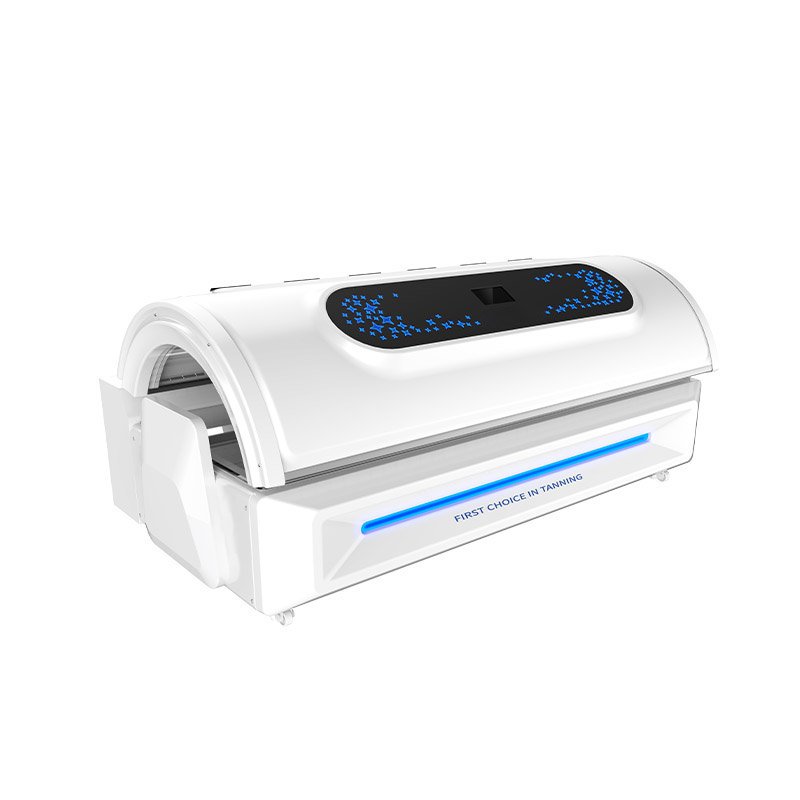


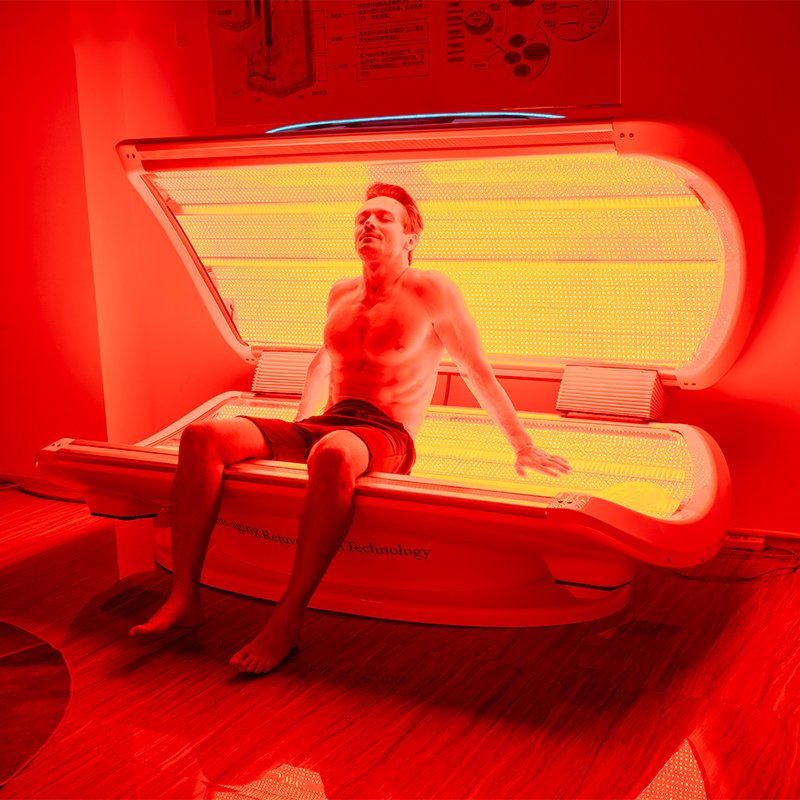
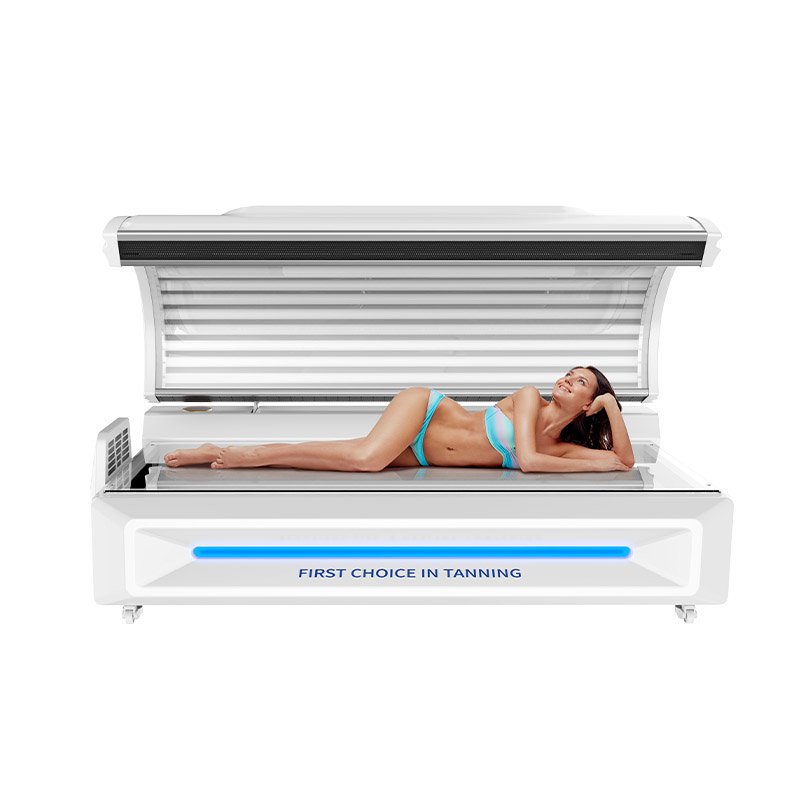
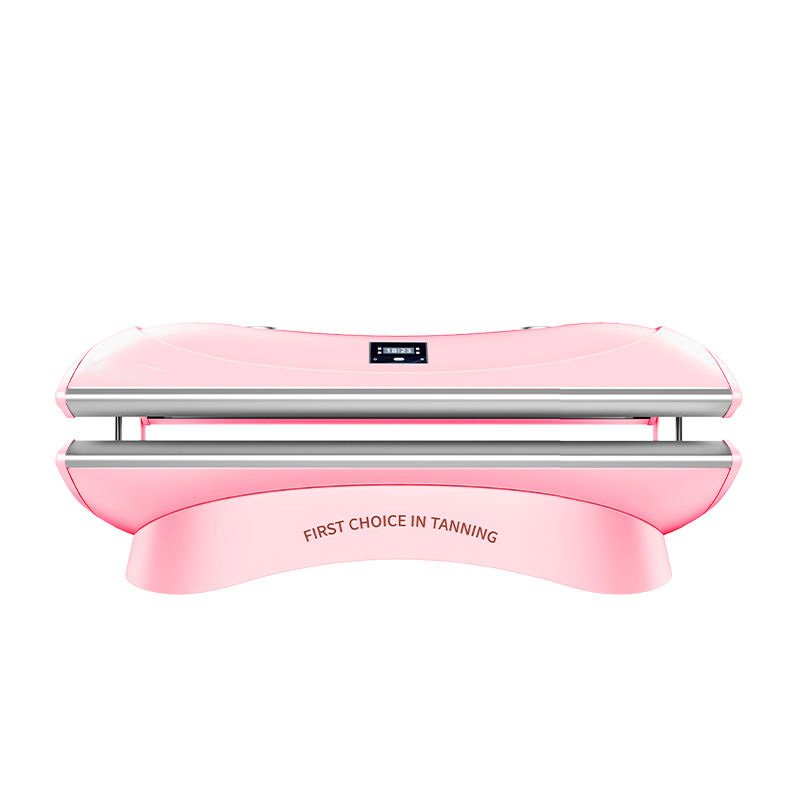

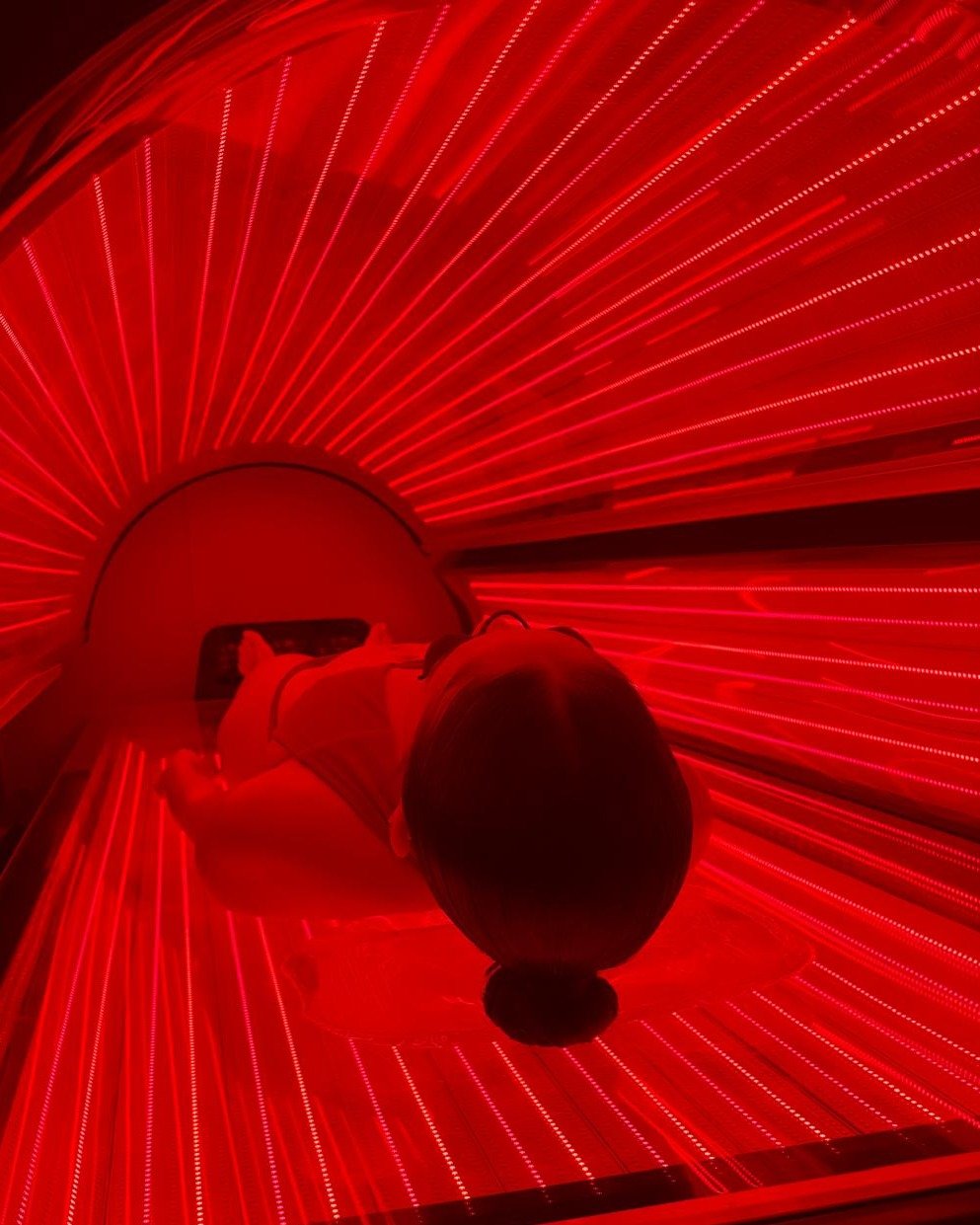
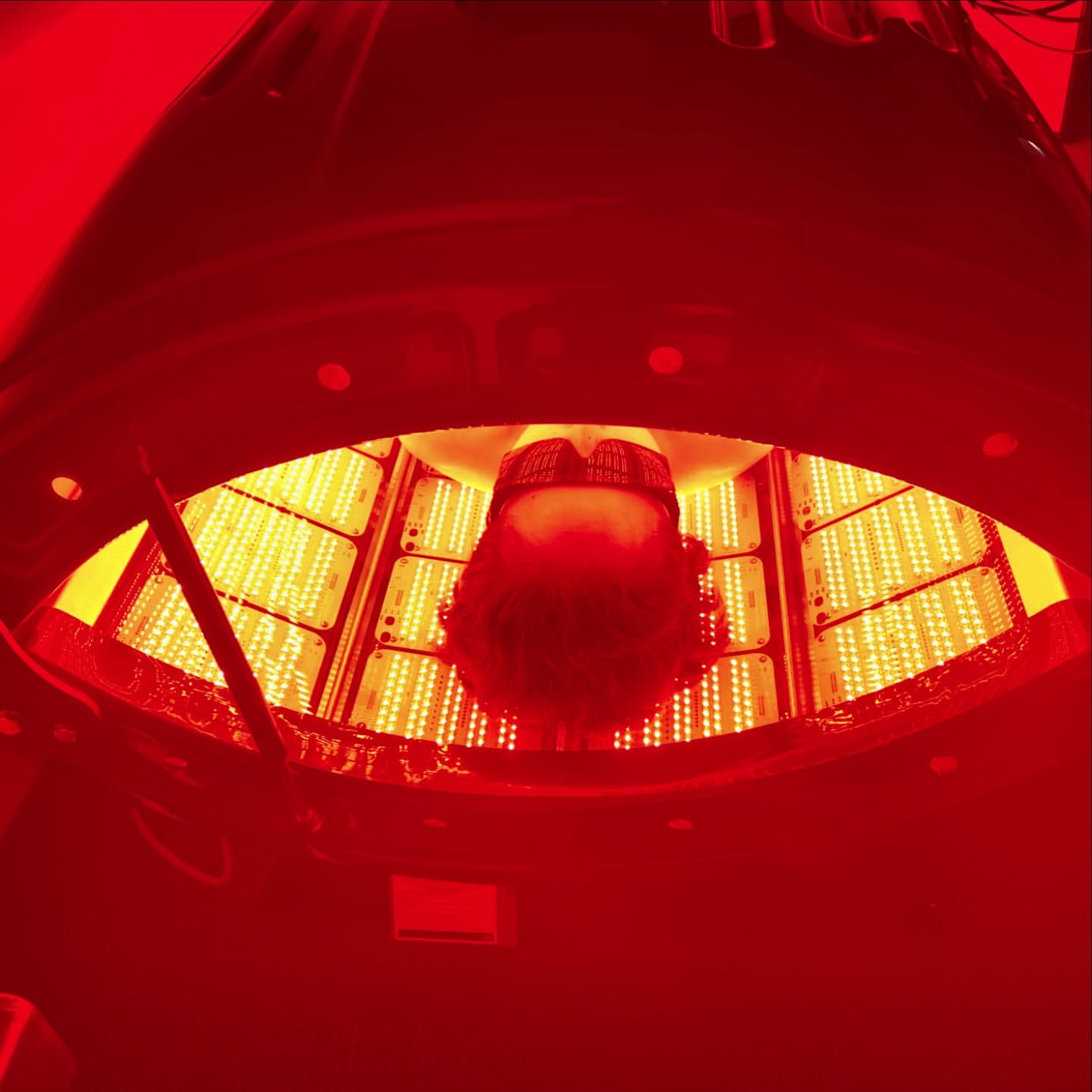
When you’ve finished your tanning bed session, the question that naturally comes up is: how long should you wait to shower after using a tanning bed? Typically, the recommended waiting time is about two hours if you’ve used tanning lotions or accelerators. This allows the tanning products sufficient time to fully activate melanin production and maximize your tan’s potential. If no tanning products were used, you could comfortably shower after 20–30 minutes. But understanding why waiting matters, along with proper aftercare, will ensure your tan remains radiant and long-lasting.

Understanding the Science of Tanning Beds and Showering
Tanning beds are popular due to their convenience and quick results. These devices work by emitting controlled ultraviolet (UV) rays that stimulate melanin production in your skin—a process known as melanogenesis. Melanin gives your skin a darker pigmentation, resulting in that sought-after bronzed look.
However, your skin doesn’t stop responding as soon as the tanning session ends. Melanin production continues actively for several hours after UV exposure. Showering too soon, especially if you’ve used tanning products, can interrupt this process and negatively affect the final tan result.
Why Waiting Before Showering Is Important After a Tanning Session
After a tanning bed session, it might be tempting to immediately freshen up. However, patience is key. If you’ve used tanning accelerators or bronzers, immediate showering can rinse off these active ingredients before they fully develop your tan.
Waiting about two hours after tanning ensures your skin fully absorbs the tanning lotions. This allows your skin to continue darkening naturally, enhancing both the depth and longevity of your tan. Without lotions, the wait can be shorter, but at least 30 minutes is advised to avoid potential sensitivity or irritation caused by heated skin encountering water immediately.
Factors Influencing Shower Wait Times After Tanning
Several factors influence exactly how long you should wait before showering after tanning:
Skin Type Matters
Your skin type significantly affects the ideal waiting period. People with fair, sensitive skin usually benefit from waiting longer—up to three hours—to ensure maximum color retention. On the other hand, individuals with naturally darker complexions might be fine with showering after about 30 minutes to an hour.
Tanning Products Used
If you applied accelerators, bronzers, or tan-enhancing lotions, a minimum two-hour waiting period is standard practice. These products need time to develop fully. Conversely, if you tanned without products, a shorter wait is typically sufficient.
Intensity and Duration of Tanning Session
The intensity and length of your tanning session also influence how long you should wait before showering. A longer or more intense session generally requires a longer waiting time to allow the skin’s tanning process to stabilize properly.
Optimal Showering Techniques After Tanning Bed Sessions
Not only is the timing of your shower important, but also how you shower after tanning matters greatly.
Use Lukewarm Water
Avoid hot showers immediately after tanning. Hot water can strip your skin of essential moisture, causing dryness, irritation, and reducing the longevity of your tan. Instead, opt for lukewarm or slightly cooler water, which gently cleanses while preserving your skin’s moisture barrier.
Select Gentle Cleansers
Harsh soaps or exfoliating scrubs after tanning sessions can prematurely fade your tan. Choose mild, moisturizing shower gels or creams designed specifically to hydrate and soothe your skin without disturbing your tan.
Avoid Exfoliation Immediately After Tanning
While exfoliating regularly is generally beneficial for skin health, immediately after tanning is not the right time. Exfoliating can remove the top layer of newly tanned skin, leading to unevenness and a shortened lifespan for your tan. Instead, exfoliate gently before your tanning sessions to prepare your skin.
Essential Aftercare Tips for Long-Lasting Tanning Results
Your tan doesn’t end after you leave the tanning bed. Ongoing care is crucial to maintaining a beautiful, healthy glow.
Moisturize Regularly
Consistent moisturization keeps your skin hydrated, supple, and vibrant. Hydrated skin holds onto a tan much longer than dry skin. Apply quality moisturizers daily, especially after showering, to prolong your tan.
Avoid Overexposure to UV Rays
While tanning beds offer controlled exposure, excessive use can damage your skin and cause premature aging. Balance is key: keep sessions moderate and spaced adequately to protect your skin health.
Always Apply Sunscreen Outdoors
A tanned appearance might feel protective, but your skin remains susceptible to sun damage outdoors. Always apply a high-SPF sunscreen after tanning, especially during outdoor activities, to maintain your skin’s health and reduce risks of premature aging and skin damage.
Post-Tan Hydrating Sprays
To elevate your tanning aftercare routine, consider incorporating hydrating sprays specially designed for post-tanning use. These sprays contain soothing ingredients like aloe vera, cucumber extract, and vitamins that quickly restore moisture, calm skin, and enhance the lifespan of your tan.
Easy to apply and carry, hydrating sprays offer immediate relief from any mild discomfort or tightness you might feel post-tanning. Regular use will noticeably enhance your skin’s health and the vibrancy of your tan.
Tan-Extending Supplements
Dietary supplements specifically designed for tanning maintenance can significantly boost your tan’s longevity. Ingredients like beta-carotene, vitamins C and E, and omega fatty acids nourish the skin internally, ensuring optimal skin health and helping retain your tan longer.
Combined with topical skincare, these supplements provide comprehensive tanning aftercare from within, improving your overall skin condition and resilience.
Frequently Asked Questions (FAQs)
1. Can showering immediately after tanning ruin my tan?
Yes, showering immediately after tanning, especially with hot water or harsh soaps, can significantly reduce the effectiveness of tanning products and the skin’s natural melanin development, shortening the tan’s duration.
2. How frequently should I tan to maintain my color?
Most experts recommend tanning no more than once or twice per week, depending on your skin type and tanning goals. Frequent tanning without adequate breaks can damage skin and reduce tan quality.
3. Can I use regular soap after tanning?
It’s best to use mild, moisturizing cleansers instead of regular soaps after tanning sessions. Regular soap often contains harsh detergents that can strip your skin of essential oils and accelerate fading of your tan.
Conclusion: Optimal Aftercare Ensures a Lasting and Healthy Tan
How long should you wait to shower after tanning bed use? While the basic guideline is two hours when using tanning products, understanding your skin type, session details, and proper shower techniques makes all the difference. By incorporating strategic aftercare—like moisturizing consistently, avoiding harsh products, and using beneficial additions like hydrating sprays and tanning supplements—you can significantly enhance your tan’s appearance and longevity.
Remember, healthy tanning isn’t just about achieving that beautiful bronze glow—it’s about maintaining your skin’s overall health and vitality. Follow these tips, respect your skin’s needs, and enjoy a vibrant, gorgeous tan for longer.

 EN
EN EN_GB
EN_GB DE
DE EL
EL ES
ES UZ
UZ FR
FR IT
IT JA
JA CS
CS DA
DA DE_AT
DE_AT FI
FI ET
ET HR
HR FR_BE
FR_BE HU
HU KO
KO IS
IS KA
KA LT
LT NL
NL UK
UK TR
TR SV
SV SR
SR SL
SL SK
SK RU
RU RO
RO PT
PT NB
NB AR
AR CY
CY