



Introduction
Red light therapy has gained significant popularity in recent years due to its ability to provide relief for various cosmetic and health issues, from reducing wrinkles to alleviating chronic pain. This treatment involves using low-wavelength red and near-infrared light, which penetrates the skin and stimulates cellular repair and regeneration. While it’s a non-invasive and safe therapy, one common question people ask is: how long should you use red light therapy to get the best results?
The answer isn’t simple, as the effectiveness of red light therapy largely depends on the power of the device, the area being treated, and the individual’s specific needs. In this article, we’ll explore the ideal duration for different types of red light therapy devices and how to tailor your sessions for optimal results. Whether you’re using it for facial rejuvenation, reducing pain, or healing wounds, understanding how long and how often to use red light therapy will help you maximize its benefits.

What is Red Light Therapy?
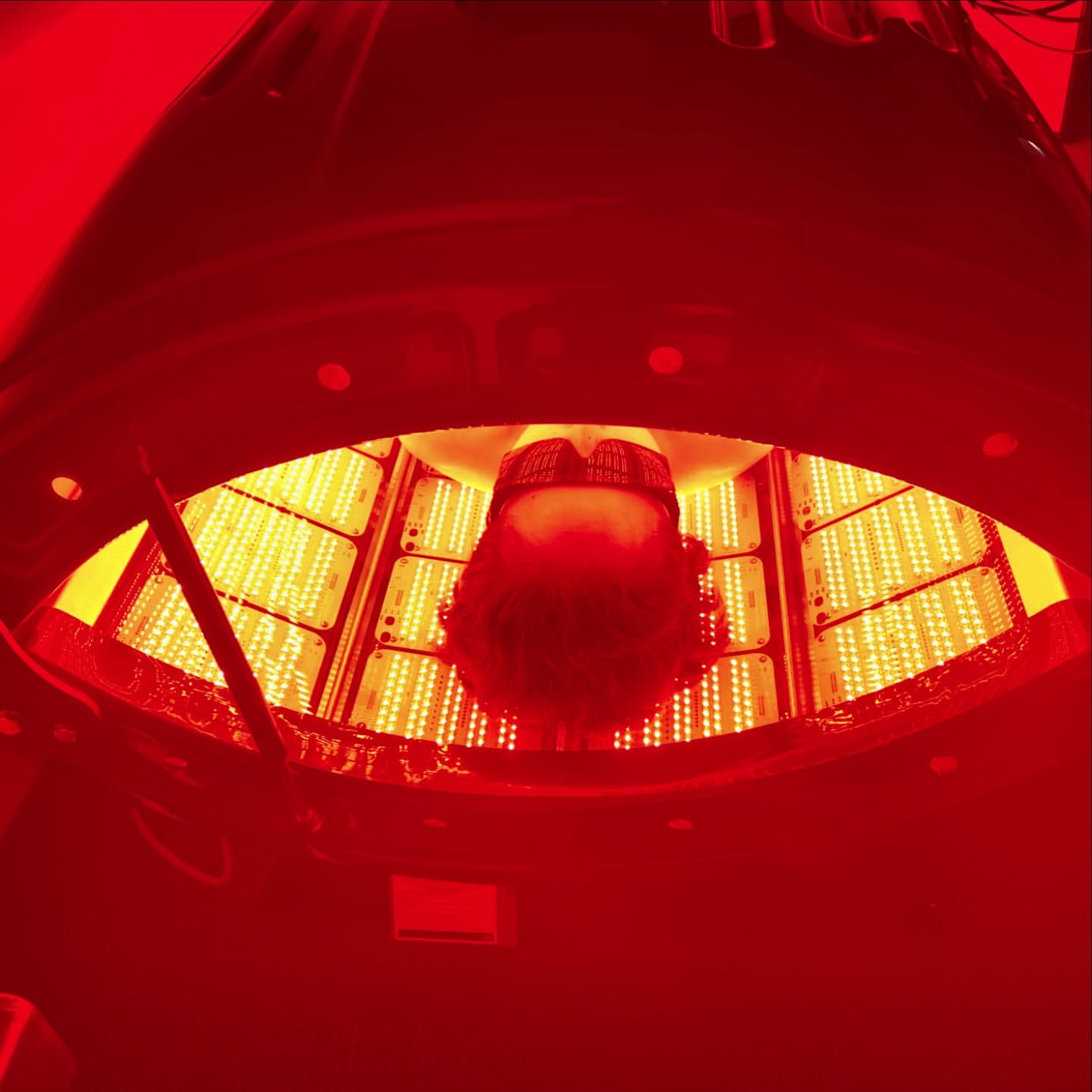
Red light therapy, also known as low-level laser therapy (LLLT) or photobiomodulation (PBM), uses red and infrared light to stimulate the body’s cells. This light penetrates the skin and is absorbed by the cells to promote healing, reduce inflammation, and increase circulation. The therapy is highly effective for treating a range of issues, including skin conditions like acne and aging, musculoskeletal injuries, seasonal affective disorder (SAD), and even wounds and burns.
The therapeutic benefits are related to the wavelength of light used. Red light, with wavelengths ranging from 600 to 650 nm, is primarily absorbed by the outer layers of the skin, making it ideal for skin treatments. Near-infrared light, with wavelengths of 700-1100 nm, penetrates deeper, helping with joint pain, muscle recovery, and deep tissue healing.
How Long Should You Use Red Light Therapy?
The duration of red light therapy sessions depends on several factors, including the power of the device, the area being treated, and the desired results. Let’s break it down:
1. High-Power Red Light Therapy
Power: 60–200mW/cm²
High-power devices deliver more intense light and are generally used for more targeted treatments. If you’re using a high-power LED device, treatment times tend to be shorter, typically between 10-20 minutes per session. For facial treatments, a 10-minute session may be sufficient, while deeper treatments may require a bit longer.
Frequency: For optimal results, you can use high-power devices once or twice a week. If you’re addressing deeper tissue issues or more severe skin conditions, you may need to increase the frequency.
Example: At a professional clinic, a session typically lasts 20 minutes at a strength of 60–120mW/cm² for facial treatments. For body treatments, the power can go up to 200mW/cm², with the session length varying depending on the area being treated.
2. Medium-Power Red Light Therapy
Power: 30mW/cm²
Medium-power devices are commonly used for more general treatments, such as pain relief and overall skin health. These devices require longer sessions than high-power devices, with sessions lasting between 20 to 30 minutes. You may use a medium-power device on a daily basis or every other day.
Frequency: Medium-power therapy is perfect for daily use, but you can also adjust the frequency depending on your personal goals and how your body responds.
Example: For pain relief in the lower back, a 20-minute session may suffice, but if you’re using the therapy for muscle recovery, you may find a 30-minute session more beneficial.
3. Low-Power Red Light Therapy
Power: 10mW/cm²
Low-power devices are typically used for more sensitive areas or when a gentler treatment is required. These devices require the longest treatment times, typically 30 minutes per session, and should be used twice a day for effective results.
Frequency: While these sessions might seem lengthy, they may not provide as powerful results as high or medium-power devices. However, consistent use is still important for achieving noticeable benefits.
Example: If you’re treating skin damage or mild muscle soreness, a 30-minute session twice a day could be effective. However, the results may not be as fast or intense as using higher-powered devices.

Wavelength Matters: Red Light vs. Near-Infrared
Wavelength plays a key role in the depth of penetration and the effectiveness of red light therapy. Red light (around 600-650 nm) is absorbed by the skin’s surface and is best for improving skin tone, reducing fine lines, and promoting collagen production. On the other hand, near-infrared light (700–1100 nm) penetrates deeper into the tissues, making it ideal for joint pain, muscle injuries, and even improving circulation in deeper layers.
- Skin Treatments: Red light therapy (600-650 nm) works well for superficial skin issues such as fine lines, pigmentation, or acne.
- Deeper Healing: Near-infrared light (700-1100 nm) is more suitable for deep tissue treatments like joint pain, muscle recovery, and inflammation.
Balancing Time and Intensity
The success of red light therapy depends on both the time spent and the intensity of the light. However, it’s important to understand that using excessive intensity can be counterproductive, while using too little will lead to minimal effects. Therefore, a balance of the correct light intensity and treatment duration is key.
The Reciprocity Principle
There’s a concept known as the “reciprocity principle” in red light therapy. Essentially, it means that increasing treatment time can make up for lower light intensity, but there are limits. For example, you cannot replace 4 minutes of a very high-intensity treatment (e.g., 500mW/cm²) with 20 minutes at a lower intensity (e.g., 100mW/cm²) and expect the same results.
In contrast, extremely long sessions with weak intensity, like 10mW/cm² for 200 minutes, are not equivalent to shorter, higher-intensity treatments. You need to find the right balance based on your goals and the device you are using.
Excessive Intensity Can Be Harmful
Using too much energy in a session can be counterproductive. High-intensity treatments should be kept within safe limits, as too much energy can harm the skin and lead to diminishing returns in effectiveness.
Proper Training and Device Selection
To get the most out of your red light therapy sessions, using the right device and having proper guidance is crucial. Many people make the mistake of overusing or underusing their devices, which leads to either poor results or skin irritation.
Additional Features to Consider
- LED Light Power: Always choose a device with an appropriate LED power level. High-power devices work well for deep tissue treatment, while low-power ones are better for surface-level concerns.
- Device Quality: Invest in a high-quality device from reputable brands to ensure you’re getting the best possible results without compromising your safety.
FAQs About Red Light Therapy
1. How often should I use red light therapy for my face?
For facial treatments, 10–20 minute sessions are typically sufficient, 2–3 times a week. However, if you’re using red light therapy for anti-aging or skin rejuvenation, you may opt for daily treatments, depending on the device’s power and your skin’s tolerance.
2. Can red light therapy help with chronic pain or muscle injuries?
Yes, red light therapy can help reduce chronic pain and speed up muscle recovery. For deep muscle or joint issues, a medium to high-power device with near-infrared light is recommended. Sessions should last around 20-30 minutes, 3–4 times a week, depending on your condition.
3. Is red light therapy safe for everyone?
Yes, red light therapy is generally safe for most people. However, those with photosensitive skin conditions or certain medical conditions should consult a healthcare provider before beginning treatment. Always follow manufacturer instructions and ensure proper use of the device.
Conclusion
Red light therapy is a powerful tool for improving skin health, alleviating pain, and promoting healing. However, to achieve the best results, it’s essential to tailor your sessions to the specific power and wavelength of the device, as well as the area and condition being treated. By following the recommended session durations and ensuring proper device use, you can safely unlock the many benefits of red light therapy.
Whether you’re using it for cosmetic purposes like anti-aging or for therapeutic applications such as pain relief, finding the right balance between intensity and duration is crucial. As with any treatment, consistency is key, so commit to regular sessions and follow the proper guidelines for the best possible outcomes.
Takeaway
Always consult with a professional before starting red light therapy to ensure you’re using the best device and treatment plan tailored to your needs. Happy healing!

 EN
EN EN_GB
EN_GB DE
DE EL
EL ES
ES UZ
UZ FR
FR IT
IT JA
JA CS
CS DA
DA DE_AT
DE_AT FI
FI ET
ET HR
HR FR_BE
FR_BE HU
HU KO
KO IS
IS KA
KA LT
LT NL
NL UK
UK TR
TR SV
SV SR
SR SL
SL SK
SK RU
RU RO
RO PT
PT NB
NB AR
AR CY
CY