

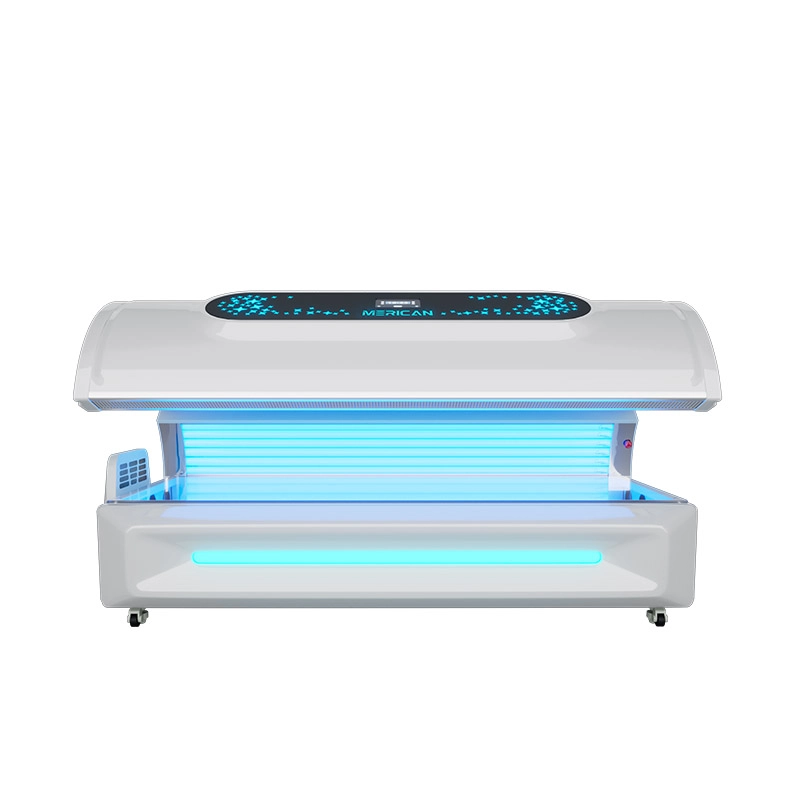
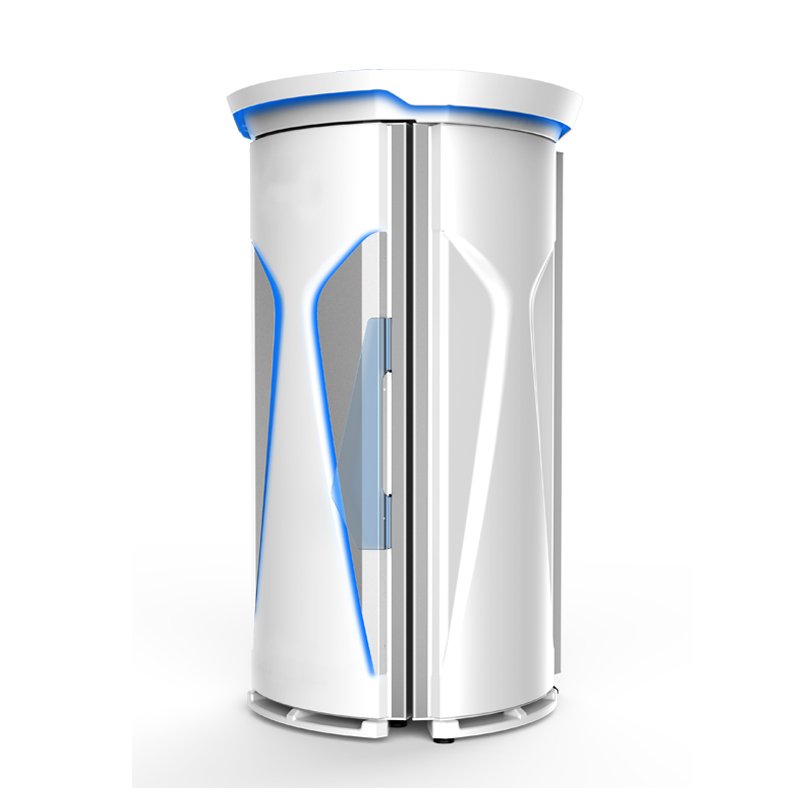
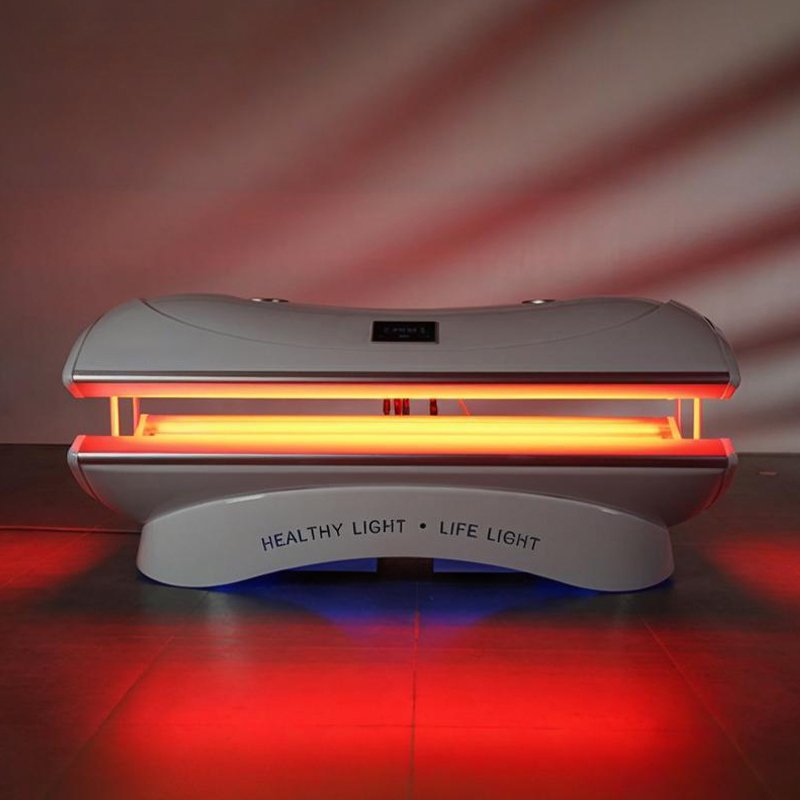
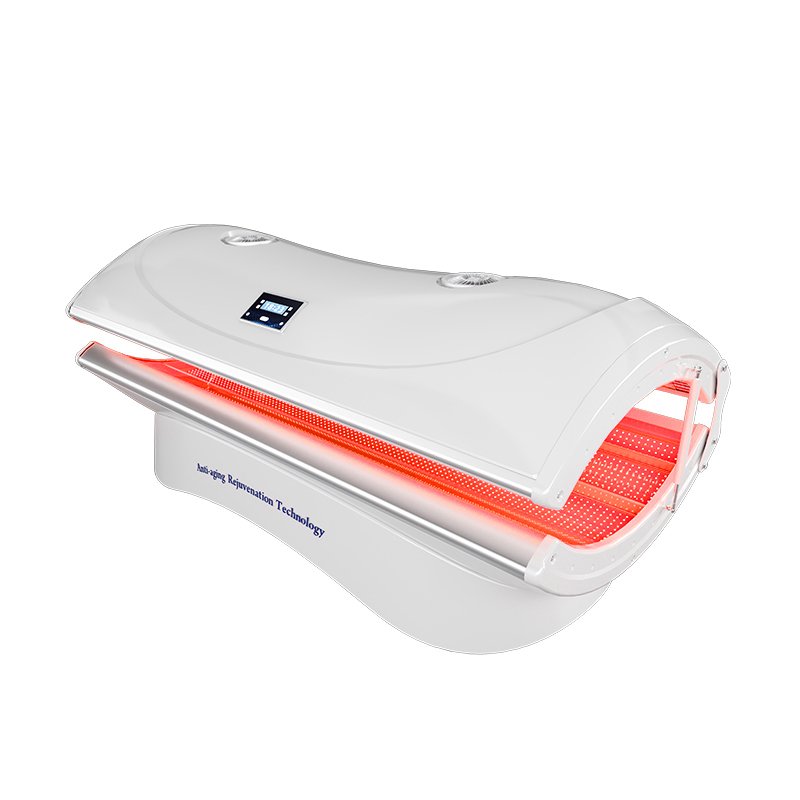
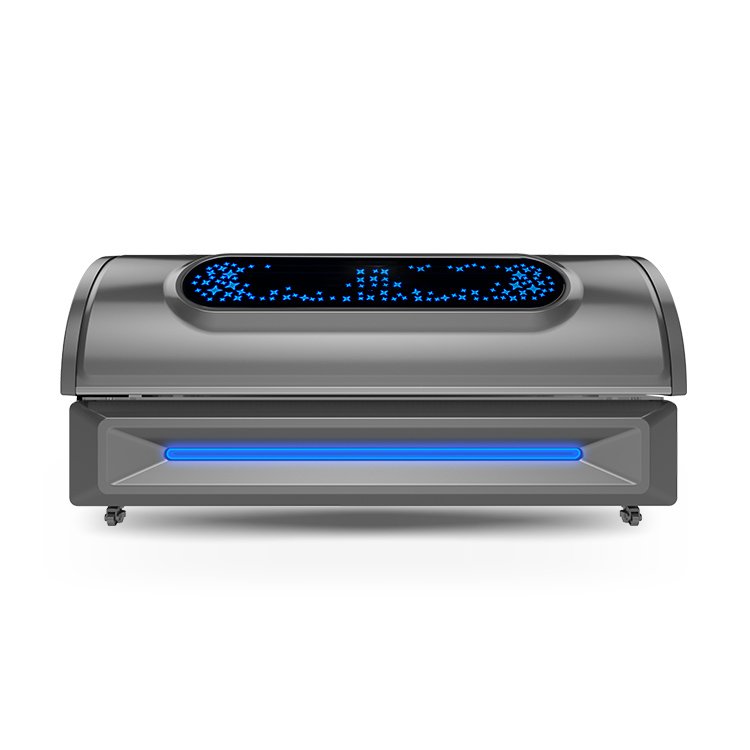
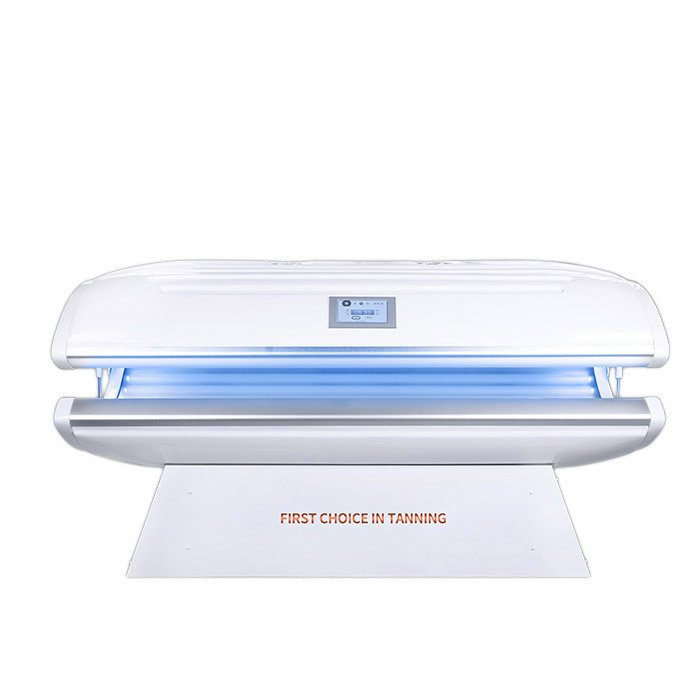
Red light therapy (RLT), also known as low-level light therapy (LLLT) or photobiomodulation, has increasingly become a popular treatment for various health and wellness concerns. This non-invasive therapeutic approach uses red or near-infrared light wavelengths to stimulate cellular processes, boost healing, and enhance the body’s natural regenerative capabilities. It has gained significant traction in the wellness community due to its effectiveness in addressing numerous skin, muscle, and mental health concerns. In this article, we explore the 10 most remarkable benefits of red light therapy and how it can improve your overall well-being.

1. Revolutionizing Skin Health: Anti-Aging and Repair
One of the most celebrated applications of red light therapy is its profound effect on skin health. Numerous studies have revealed that exposure to red and near-infrared light can enhance skin texture, reduce the appearance of wrinkles, and rejuvenate the skin’s surface. Red light therapy stimulates collagen production, which is crucial for maintaining skin elasticity and structure. Collagen helps keep the skin firm, plump, and youthful, so a boost in collagen synthesis results in smoother skin with fewer fine lines.
Beyond its anti-aging effects, RLT is an effective tool for healing acne, rosacea, and other skin conditions. The therapy helps reduce inflammation, calm irritated skin, and promote faster wound healing. As an added benefit, studies suggest that RLT accelerates the healing process for acne scars, making it an effective choice for those dealing with post-acne skin damage.
2. Enhanced Muscle Recovery and Relief from Pain
Red light therapy is gaining traction among athletes and fitness enthusiasts as an excellent tool for muscle recovery and pain management. By promoting increased blood flow to affected areas, RLT helps improve oxygen and nutrient delivery to muscles, accelerating the healing process after exercise or injury. This leads to a reduction in muscle soreness and an improvement in muscle performance.
In addition to muscle recovery, red light therapy has been found to be beneficial for individuals with chronic pain conditions, such as arthritis or fibromyalgia. The therapy’s anti-inflammatory properties can ease joint pain and muscle tension, providing a non-invasive, drug-free alternative to pain management. This makes RLT a promising solution for people seeking relief from persistent or chronic pain.
3. Mental Health Benefits: Depression, Anxiety, and Mood Enhancement
Red light therapy is not just for the body; it can also have profound effects on mental health. Increasing evidence suggests that RLT can alleviate symptoms of depression and anxiety, particularly Seasonal Affective Disorder (SAD), a form of depression that occurs during the winter months when natural sunlight is limited. By mimicking the effects of natural sunlight, RLT helps stimulate serotonin production, the “feel-good” hormone, improving mood and reducing feelings of sadness or lethargy.
Furthermore, red light therapy has shown promise in enhancing cognitive function and improving memory. By optimizing mitochondrial function in brain cells, RLT supports energy production and overall brain health, leading to clearer thinking, better focus, and emotional stability.
4. Improved Sleep Patterns and Quality
Sleep disorders, including insomnia, affect a significant portion of the global population. One lesser-known benefit of red light therapy is its ability to improve sleep quality and regulate circadian rhythms. Unlike blue light, which can disrupt the production of melatonin (the hormone responsible for sleep), red light encourages melatonin production, promoting a more restful and natural sleep cycle.
By incorporating red light exposure into your evening routine, especially in the hours leading up to bedtime, you can enhance the quality of your sleep, reduce the time it takes to fall asleep, and experience more restorative sleep cycles.
5. Boosting Athletic Performance: From Endurance to Strength
In addition to aiding in muscle recovery, red light therapy can also improve athletic performance. By optimizing mitochondrial function, which is responsible for cellular energy production, RLT can enhance stamina and endurance. This makes it particularly useful for athletes looking to push their limits during training.
RLT helps reduce fatigue during intense physical activity and can improve overall performance in endurance events. Whether you’re training for a marathon, participating in strength training, or engaging in sports, red light therapy can help improve your physical output and reduce muscle fatigue, resulting in better results and faster recovery times.
6. Promoting Cardiovascular Health
Recent research suggests that red light therapy can have a positive impact on cardiovascular health. One of the main mechanisms behind this benefit is the ability of RLT to stimulate the production of nitric oxide, a molecule that relaxes and dilates blood vessels, improving blood flow and circulation. This increased circulation can help reduce blood pressure, improve heart function, and enhance overall cardiovascular health.
Studies have shown that red light therapy may even help protect against the damaging effects of oxidative stress, which can lead to cardiovascular issues. By mitigating this stress, RLT contributes to heart health and may reduce the risk of developing chronic heart conditions.
7. Hair Growth Stimulation
For individuals experiencing hair loss or thinning, red light therapy has emerged as a promising treatment. RLT stimulates hair follicles, improving blood flow to the scalp and enhancing nutrient delivery to hair cells. This boost in circulation promotes healthier, thicker, and faster-growing hair.
Several clinical studies have demonstrated that RLT can help reduce the effects of androgenetic alopecia (pattern baldness) and other forms of hair thinning. By activating dormant hair follicles and promoting cellular regeneration, red light therapy has shown encouraging results for both men and women seeking to restore their hair.
8. Strengthening Immune Function
Red light therapy has been shown to enhance immune system functioning by modulating cellular processes that are critical for immune response. By reducing inflammation and oxidative stress, RLT helps the body defend itself against infections and diseases.
Studies suggest that RLT can enhance the production of certain cytokines, proteins that play a vital role in regulating immune activity. By boosting the body’s natural defense mechanisms, red light therapy can support overall immune health, helping individuals stay healthier and recover more quickly from illness.
9. Accelerating Wound Healing and Tissue Repair
One of the most beneficial uses of red light therapy is its ability to accelerate the healing of wounds and tissue damage. RLT stimulates the proliferation and migration of fibroblasts, essential cells that help rebuild damaged tissue and promote the growth of new blood vessels (angiogenesis). This enhances the healing process and reduces scarring.
For individuals with chronic wounds, such as diabetic ulcers or post-surgical incisions, red light therapy has proven to be an effective treatment. Numerous studies have highlighted RLT’s ability to promote faster recovery from various types of injuries, improving healing rates significantly compared to traditional wound care techniques.
10. Enhancing Bone Health and Healing
Emerging research also indicates that red light therapy can support bone health and healing. By stimulating osteoblasts (bone-forming cells), RLT can promote bone growth and repair. This has potential applications for individuals recovering from fractures or dealing with conditions like osteoporosis.
Moreover, RLT has been shown to reduce inflammation and enhance circulation, both of which are important for bone healing and overall bone health. For patients recovering from bone-related injuries or conditions, red light therapy can help improve healing time and support long-term bone strength.
How to Safely Use Red Light Therapy at Home
While red light therapy is generally considered safe, it’s important to follow proper guidelines to maximize its benefits. When using a red light therapy device at home, ensure that the light source is of high quality and that you’re using the correct wavelength (typically between 600–1000 nm) for the specific treatment you’re targeting.
It’s also important to follow manufacturer guidelines for usage duration and frequency. Overexposure to red light therapy can lead to skin irritation or discomfort, so moderation is key. If you have any underlying health conditions, it’s always a good idea to consult with a healthcare professional before starting red light therapy.
How Red Light Therapy Compares to Other Light Therapies
While red light therapy is often compared to other forms of light therapy, such as blue light or ultraviolet (UV) light, there are distinct differences in how these therapies work. Unlike UV light, which can damage the skin and increase the risk of skin cancer, red light therapy is non-invasive and poses little to no risk of harmful side effects. Blue light, often used for acne treatment, primarily works by targeting bacteria, whereas red light stimulates cellular processes that promote healing and regeneration.
When deciding on the right therapy for your needs, it’s important to understand these differences and choose the approach that best aligns with your health goals.
UKK
1. Onko punavalohoito turvallista kaikille?
Red light therapy is generally safe for most individuals, with minimal side effects. However, individuals with light sensitivity, certain skin conditions, or those who are pregnant should consult with a healthcare provider before beginning treatment.
2. How long does it take to see results with red light therapy?
The time it takes to see noticeable results varies depending on the condition being treated. For skin rejuvenation or muscle recovery, some individuals notice improvements within 2-4 weeks, while other conditions, like hair growth or wound healing, may take longer.
3. Can I use red light therapy at home?
Yes, there are various at-home red light therapy devices available. It’s important to choose a high-quality device and follow the manufacturer’s guidelines regarding usage duration and frequency to ensure safety and effectiveness.
Johtopäätös
Red light therapy is a versatile and non-invasive treatment with an impressive range of health benefits. From improving skin health and accelerating muscle recovery to supporting mental well-being and enhancing sleep, this therapy offers a natural, drug-free solution for various health concerns. As research continues to uncover its potential, red light therapy is poised to become an integral part of many individuals’ health and wellness routines. Whether you’re looking to rejuvenate your skin, boost athletic performance, or improve your mental health, RLT presents a promising, science-backed option for improving your quality of life.
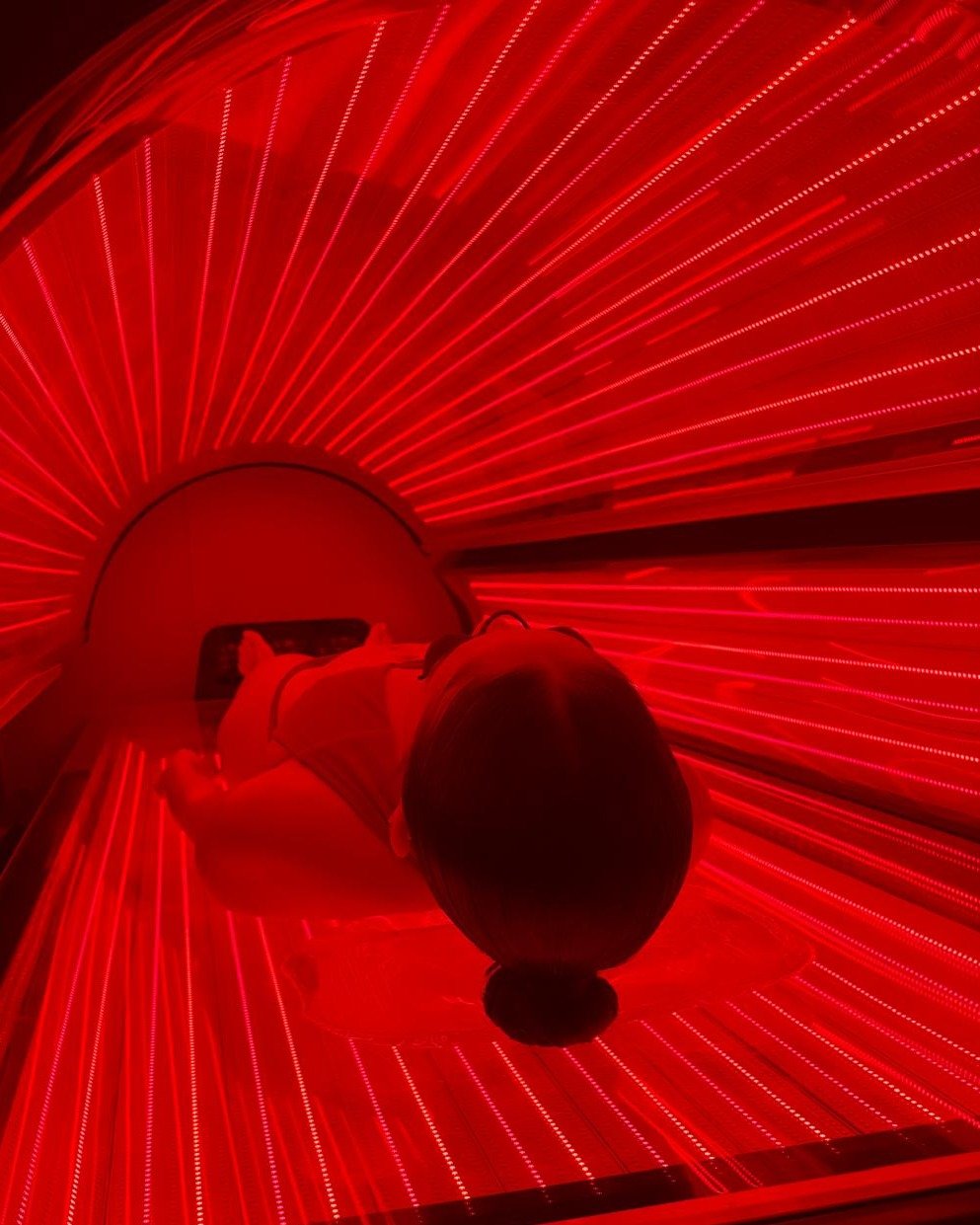
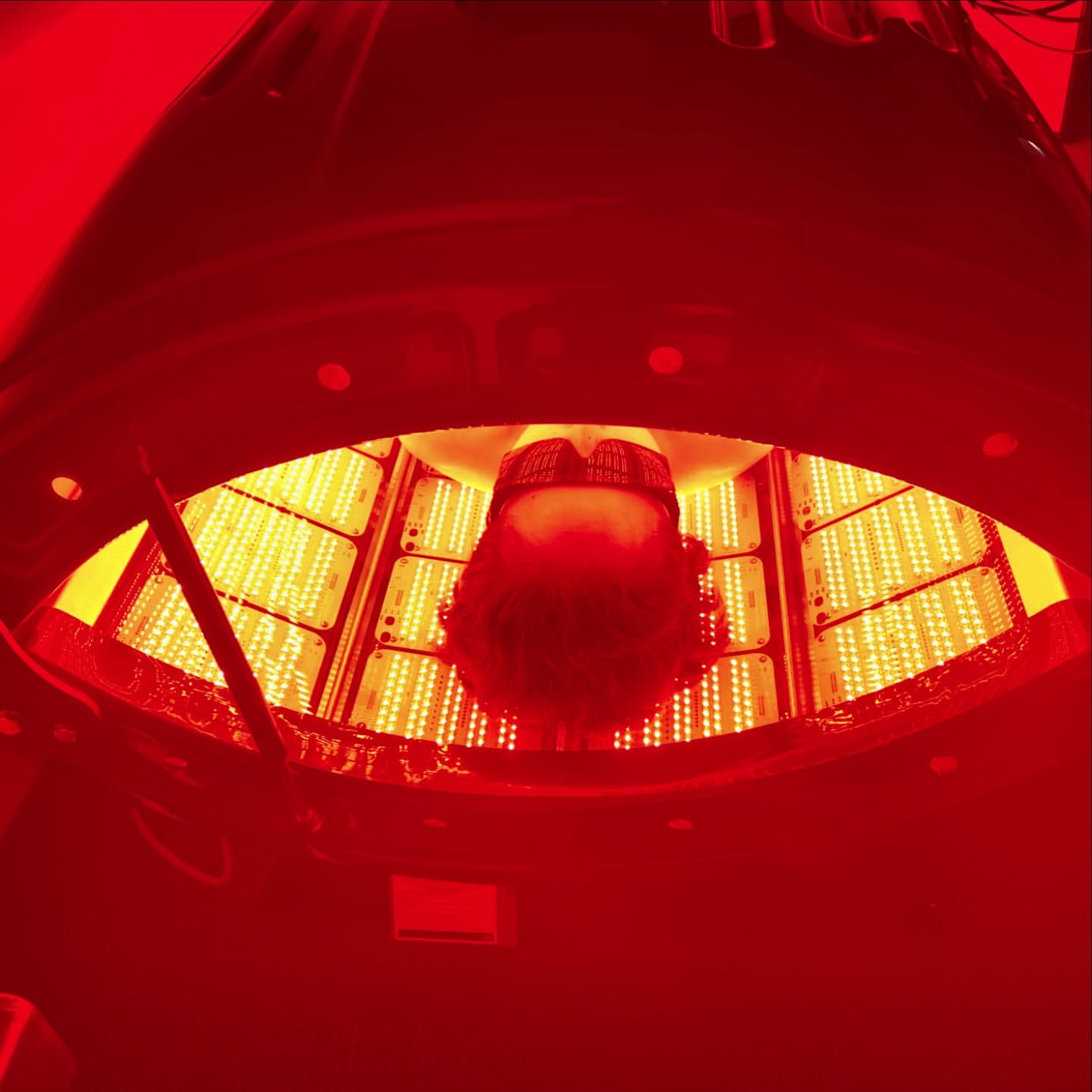

 EN
EN EN_GB
EN_GB DE
DE EL
EL ES
ES UZ
UZ FR
FR IT
IT JA
JA CS
CS DA
DA DE_AT
DE_AT FI
FI ET
ET HR
HR FR_BE
FR_BE HU
HU KO
KO IS
IS KA
KA LT
LT NL
NL UK
UK TR
TR SV
SV SR
SR SL
SL SK
SK RU
RU RO
RO PT
PT NB
NB AR
AR CY
CY