



Introduction: Beyond the Surface of Skincare
In the ever-evolving landscape of dermatology and aesthetics, the pursuit of radiant, youthful skin often leads us down a path of endless creams, invasive procedures, and fleeting trends. However, in recent years, a shift has occurred toward bio-hacking and cellular optimization. At the forefront of this revolution is Red Light Therapy (RLT).
Once the domain of elite athletes and high-end medical spas, this technology has permeated the mainstream beauty conversation. You may have seen the futuristic masks glowing on social media feeds or read about celebrities attributing their “glass skin” to red light sessions. But amidst the hype, a critical question remains: Is this merely a placebo effect wrapped in a tech-savvy package, or is there legitimate physiological science at play?
The short answer is that the science is robust. RLT is not just about illuminating the skin; it is about energizing the body at a microscopic level. By exploring the biological correlation between specific light wavelengths and skin health, we can uncover why this modality is potentially one of the most significant non-invasive breakthroughs for tissue rejuvenation.
This guide will deconstruct the mechanisms of Red Light Therapy, explore its profound benefits for aging and inflammation, and provide a roadmap for integrating it into your life.
Part 1: De-mystifying the Technology
Mis on punase valguse teraapia?
At its core, Red Light Therapy—formally known in the scientific community as Photobiomodulation (PBM) or Low-Level Laser Therapy (LLLT)—is a non-invasive therapeutic technique. It utilizes specific wavelengths of light, naturally found within the visible light spectrum, to penetrate the skin’s layers without causing thermal damage or pain.
Unlike the ultraviolet (UV) rays from the sun or tanning beds, which degrade DNA and cause photo-aging, red light is restorative. It does not burn the skin; rather, it “feeds” it.
The Biological Mechanism: The “Battery” of the Cell
To understand why RLT works, we must look at the mitochondria—often referred to as the “power plant” of the cell. Mitochondria are responsible for producing Adenosine Triphosphate (ATP), the energy currency of all biological functions.
When skin cells are stressed (due to aging, pollution, or illness), mitochondria produce less ATP. Red light therapy functions by stimulating a specific enzyme within the mitochondria called Cytochrome C Oxidase. This stimulation breaks the bond of nitric oxide (which can clog the cellular system) and allows oxygen to return, effectively supercharging the mitochondria to produce more ATP.
With more energy, cells can function more efficiently, repair damage faster, and rejuvenate themselves.
Key Takeaway: Think of Red Light Therapy as a battery charger for your skin cells. It provides the raw energy required for the body to heal itself.
Part 2: The Two New Features
To fully grasp the scope of RLT, we must look beyond the basic “it helps skin” summary. Here are two critical dimensions of RLT that define its efficacy.
Feature 1: The Science of Wavelengths (The Nanometer Nuance)
Not all red light is created equal. The efficacy of the therapy depends entirely on the wavelength used, measured in nanometers (nm).
- Red Light (630nm – 660nm): This range is considered “visible” red light. It has a shallower penetration depth, making it ideal for treating the surface of the skin. It is the gold standard for addressing fine lines, texture issues, wound healing, and acne. It targets the fibroblasts in the dermal layer.
- Near-Infrared Light (810nm – 850nm): While invisible to the naked eye, this light penetrates much deeper—past the skin and into muscle, connective tissue, and even bone. While primarily used for pain relief and muscle recovery, Near-Infrared (NIR) is crucial for skin health because it reduces systemic inflammation and improves blood flow from the inside out, providing a solid foundation for healthy skin.
Wavelength Comparison Table
| Lainepikkus | Classification | Parima jaoks | Penetration Depth |
|---|---|---|---|
| 630 nm | Visible Red | Fine lines, superficial skin rejuvenation | Epidermis/Dermis |
| 660 nm | Visible Red | Collagen production, wound healing | Dermis |
| 850 nm | Near-Infrared | Deep inflammation, severe acne scarring, circulation | Subcutaneous/Muscle |
Feature 2: Lifestyle Synergy (Stacking Treatments)
Red Light Therapy does not exist in a vacuum. Its effects can be significantly amplified when combined with specific lifestyle choices and topical applications. This is known as “habit stacking.”
- Green Tea and Antioxidants: Studies suggest that applying green tea extract to the skin before RLT can speed up results. The antioxidants in green tea scavenge free radicals, while the red light stimulates repair, creating a powerful dual-action effect.
- Microneedling: Many dermatologists recommend using RLT immediately after microneedling. The microneedling triggers a physical healing response, and the red light provides the cellular energy to execute that healing faster and with less downtime.
- Circadian Rhythm Alignment: Using red light in the morning can help set your circadian rhythm, while avoiding blue light at night protects melatonin. Healthy sleep cycles are critical for skin repair, making the timing of your light therapy a holistic health hack.
Part 3: How Red Light Therapy Revolutionizes Skin Health
The benefits of RLT are vast and well-documented. Here, we expand on the five core benefits mentioned in your original text, diving deeper into the physiological changes occurring.
1. The Anti-Aging Powerhouse: Collagen and Elastin Synthesis
The most sought-after benefit of RLT is its anti-aging capability. Our skin relies on two structural proteins: collagen (which provides structure and firmness) and elastin (which provides snap and bounce). After the age of 25, our natural production of these proteins declines by approximately 1% per year.
How RLT helps:
Red light wavelengths (specifically 660nm) directly stimulate fibroblasts. Fibroblasts are the specific cells within the dermis responsible for manufacturing collagen. By increasing fibroblast activity, RLT essentially tricks the body into thinking it is younger, restarting the collagen factories.
Clinical trials have shown that consistent use can lead to:
- A reduction in the depth of fine lines and crow’s feet.
- Increased dermal density (thicker, plumper skin).
- A reduction in skin roughness.
2. Mastering Inflammation: The Solution for Eczema and Rosacea
Chronic inflammation is the root of many skin disorders, including rosacea, eczema, and psoriasis. These conditions are characterized by an overactive immune response, leading to redness, swelling, heat, and discomfort.
How RLT helps:
RLT acts as a modulator. It inhibits the production of pro-inflammatory cytokines while boosting anti-inflammatory cytokines. It also improves lymphatic drainage, which helps flush out the toxins that contribute to puffiness and swelling.
For rosacea sufferers, who often have weakened capillaries that flush easily, RLT can help strengthen the vascular walls and reduce the appearance of broken blood vessels over time. It provides a soothing, non-heat-based method to calm hyper-reactive skin barriers.
3. Accelerated Tissue Repair: Wounds and Scars
Whether it is a surgical incision, a scrape, or the aftermath of an acne breakout, the skin needs to heal. Sometimes, this healing is imperfect, leading to scar tissue (fibrosis).
How RLT helps:
RLT encourages a process called angiogenesis, which is the formation of new blood vessels. This increases the supply of oxygen and nutrients to the injured area. Furthermore, RLT helps organize the collagen fibers during the healing process.
Instead of collagen forming in a chaotic, cross-hatched “scar” pattern, RLT encourages the collagen to align in a more lattice-like, normal skin pattern. This is why it is frequently used post-surgery to minimize the visibility of scars and prevent keloids.
4. The Glow Factor: Tone, Texture, and Pigmentation
Dull, uneven skin tone is often a result of poor circulation and environmental damage (oxidative stress). When blood flow is sluggish, the skin looks grey or sallow because it isn’t receiving enough oxygenated blood.
How RLT helps:
By boosting microcirculation, RLT brings a fresh supply of blood to the surface. This imparts a natural, healthy “glow” immediately after treatment. Long-term, this increased turnover helps shed dead skin cells more efficiently, leading to a smoother texture.
Regarding hyperpigmentation (sun spots or melasma), RLT can help regulate melanocytes (pigment-producing cells). While it is not a “bleaching” agent, by reducing the background inflammation that triggers pigment production, it helps skin tone even out over time.
5. A Multi-Faceted Approach to Acne
Acne is complex; it involves bacteria, oil production, and inflammation. While Blue Light is famous for killing the Cutibacterium acnes bacteria, Red Light is the perfect partner.
How RLT helps:
- Rasu regulatsioon: Some evidence suggests RLT helps normalize oil production.
- Healing: Acne lesions are essentially small wounds. RLT speeds up the closure of these wounds.
- Scar Prevention: By reducing the inflammation of an active breakout, RLT significantly lowers the chance of developing Post-Inflammatory Hyperpigmentation (PIH) or pitted scars after the pimple heals.
Part 4: Integration and Application
How to Incorporate Red Light Therapy into Your Routine
Transitioning from theory to practice requires consistency. RLT is not a “one-and-done” treatment; it is akin to exercise. You cannot go to the gym once and expect six-pack abs; similarly, you cannot use red light once and expect a wrinkle-free face.
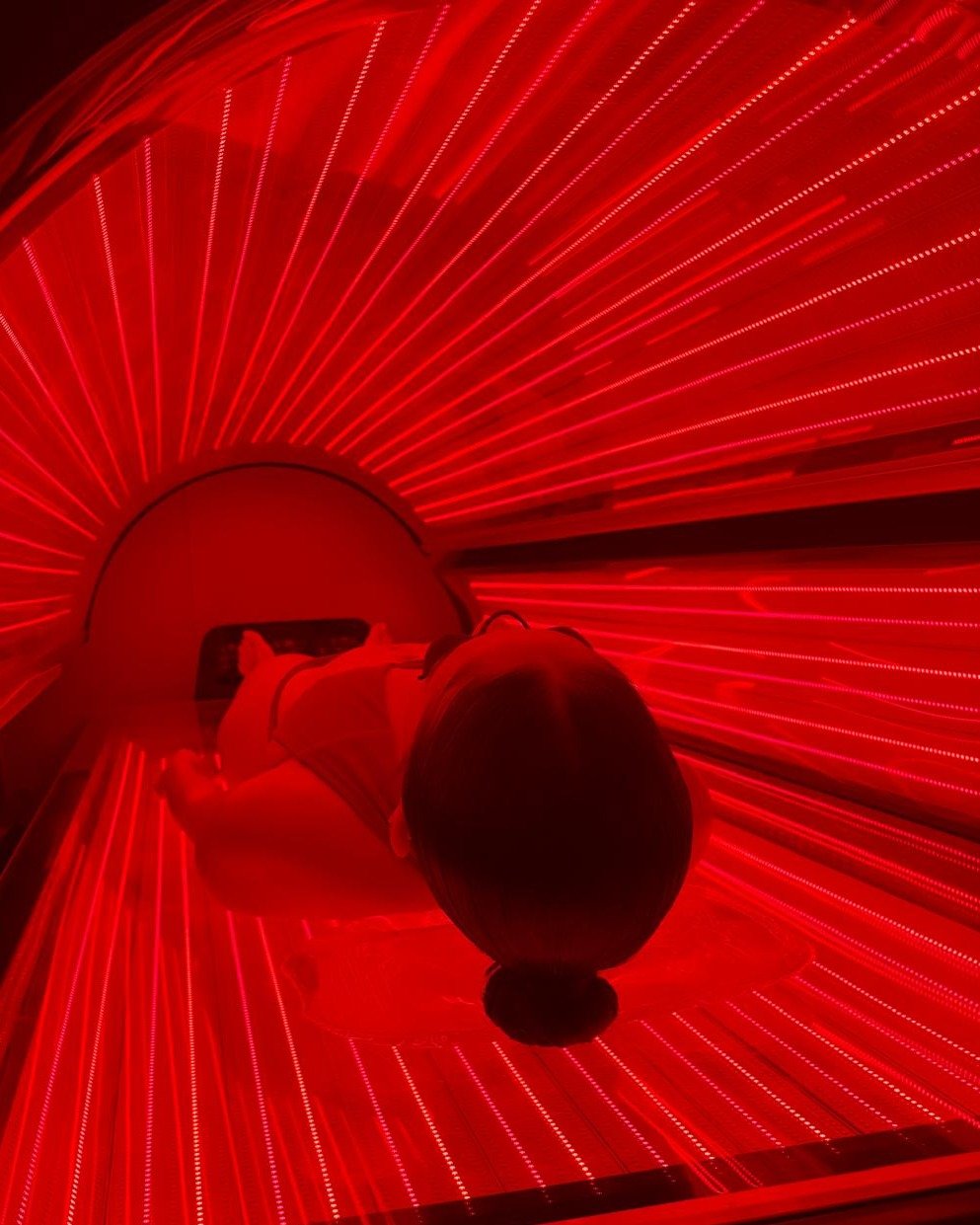
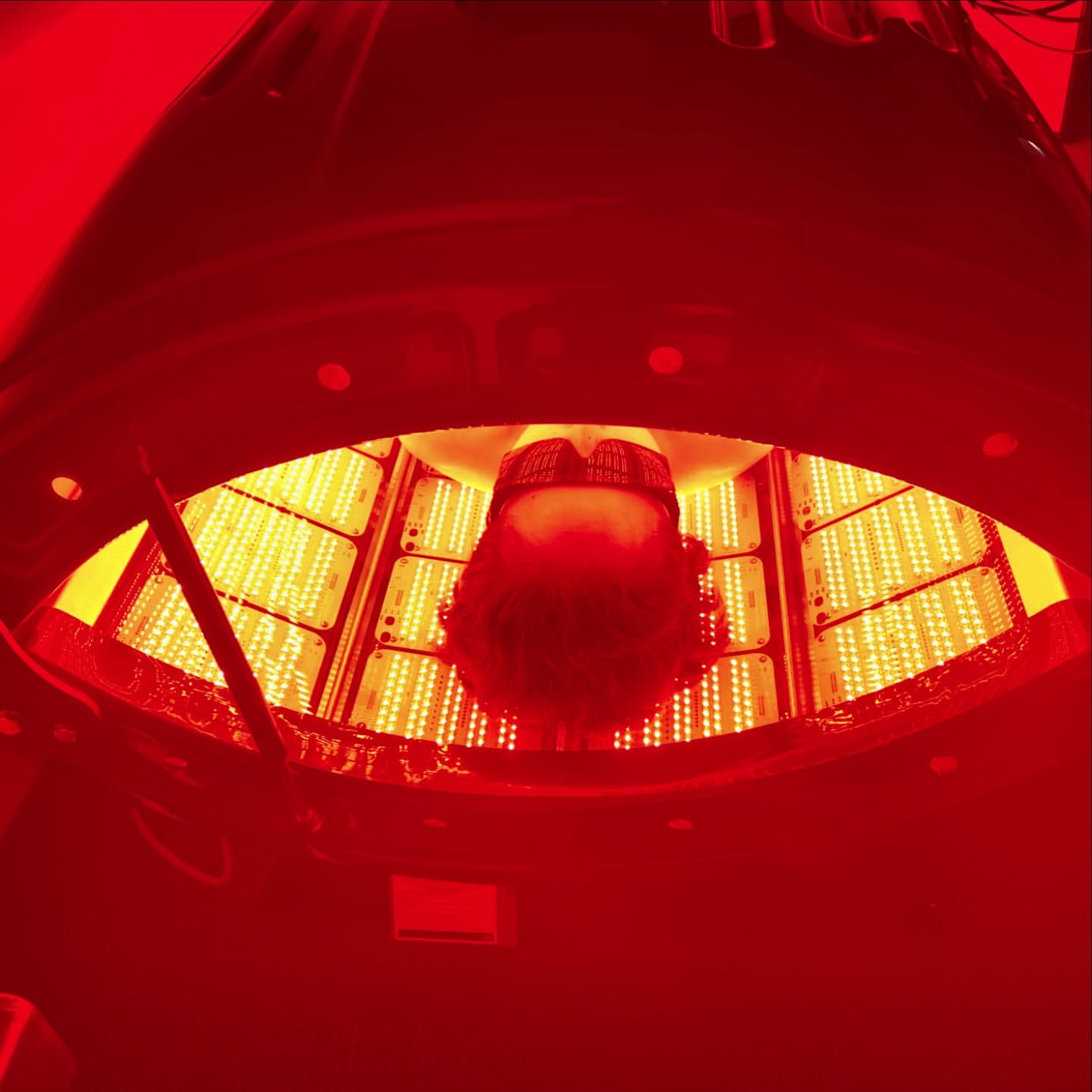
Professional Treatments
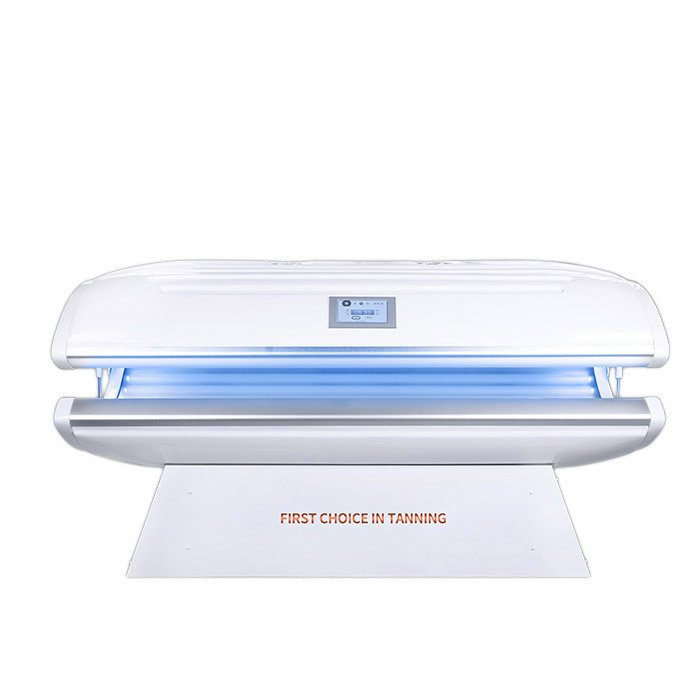
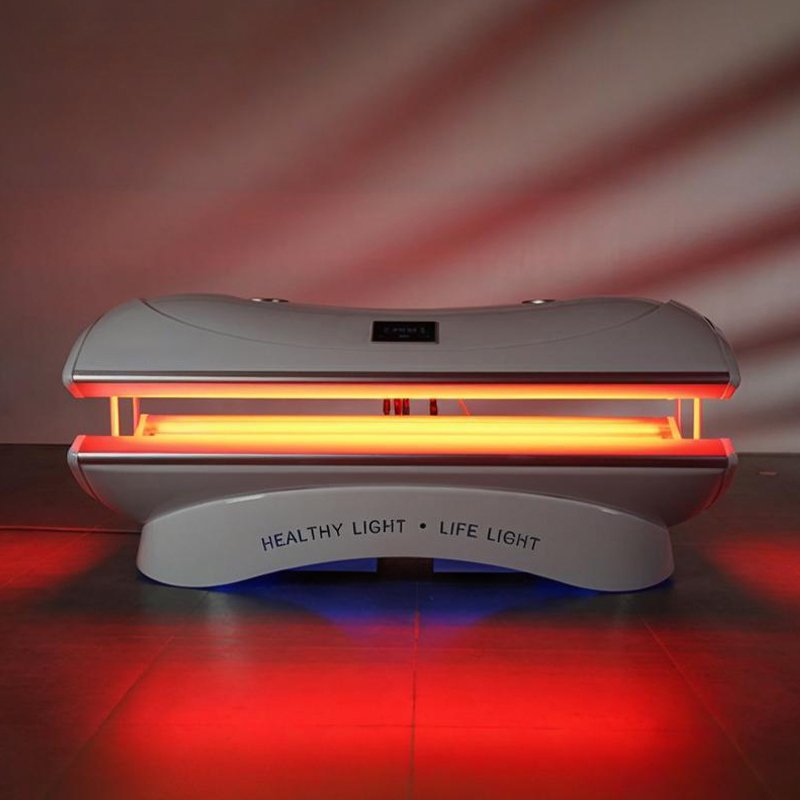
- Where: Dermatology clinics, med-spas, and high-end aesthetician offices.
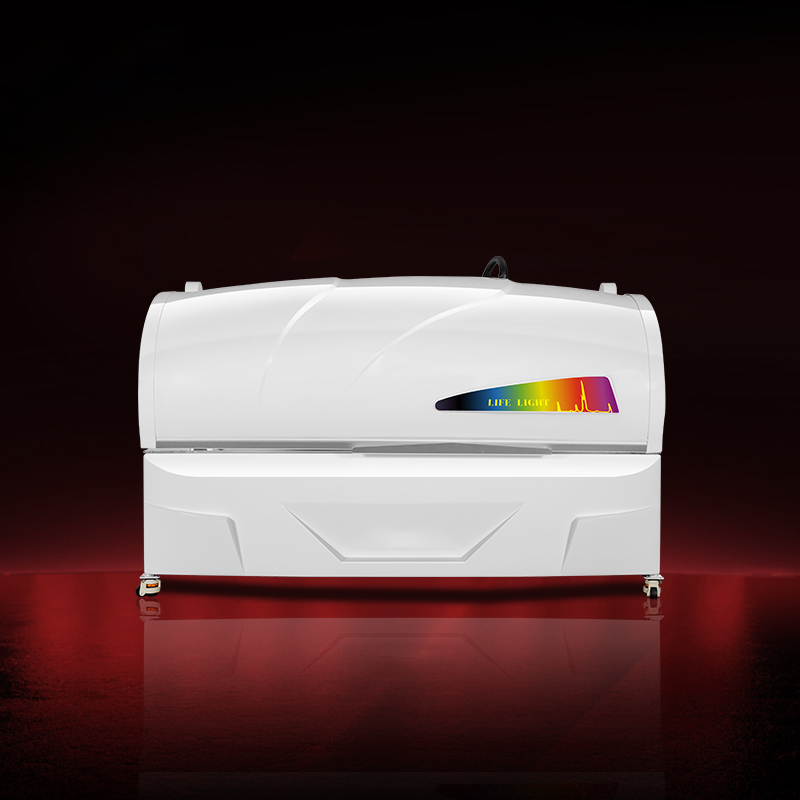
- Equipment: Large, full-body beds or high-powered panels.
- Plussid: Supervision by experts, powerful medical-grade intensity.
- Miinused: High cost per session, travel time required.
Kodused seadmed
- Types: LED face masks, handheld wands, tabletop panels.
- Plussid: Convenience, one-time cost, ability to treat daily.
- Miinused: Lower power output compared to medical devices (though this is changing with newer tech), requires self-discipline.
The Ideal Protocol
- Cleanse: Always start with a clean face. Makeup, sunscreen, and dirt can block the light photons from penetrating the skin.
- Distance: If using a panel, sit 6–12 inches away from the device. If using a mask, ensure it sits comfortably on the face.
- Kestus: Aim for 10–20 minutes. Longer is not necessarily better; there is a “biphasic dose response,” meaning after a certain point, the benefits plateau or even reverse.
- Sagedus: 3 to 5 times per week is the sweet spot for most skin goals.
- Post-Care: Follow up immediately with your serums and moisturizers, as your skin is primed to absorb them.
Part 5: Safety and Suitability
Is Red Light Therapy Right for You?
One of the most appealing aspects of RLT is its safety profile. Because it uses light emitting diodes (LEDs) rather than UV bulbs or lasers that cut the skin, it is non-ablative and non-thermal.
Who benefits most?
- Individuals noticing early signs of aging.
- Those with chronic inflammatory skin conditions.
- People recovering from facial surgery or microneedling.
- Teenagers or adults struggling with mild to moderate acne.
Precautions
While generally safe, there are specific considerations:
- Valgustundlikkus: If you are taking medications that increase light sensitivity (such as Isotretinoin/Accutane, certain antibiotics like tetracycline, or some diuretics), you must consult a doctor. RLT could cause a reaction in these cases.
- Eye Safety: While red light is not inherently damaging to the eyes in the way UV light is, the brightness can be intense. It is recommended to wear the blackout goggles provided with most devices, especially if you have a history of seizures or migraines triggered by bright light.
- Cancer: If you have a history of skin cancer or active lesions, consult an oncologist. While RLT helps healthy cells grow, we want to ensure we aren’t stimulating the growth of malignant cells.
Part 6: Frequently Asked Questions (FAQs)
1. Can I use Retinol or Vitamin C with Red Light Therapy?
Yes, but the order matters. It is generally recommended to apply your active skincare ingredients after your light therapy session. Using Red Light Therapy on clean, bare skin ensures maximum light penetration. After the session, your circulation is boosted, making your skin more receptive to the absorption of serums like Vitamin C or Retinol. Note: If you have very sensitive skin, wash off strong retinoids before using the light to avoid potential irritation.
2. Will Red Light Therapy interfere with my Botox or Fillers?
No, Red Light Therapy is safe to use with injectables. In fact, many dermatologists recommend it to help reduce the bruising and swelling that can occur immediately after injection. It does not “dissolve” fillers or deactivate Botox. However, always wait 24 hours after an injection to touch or apply pressure to the face (like wearing a heavy LED mask) to avoid moving the product.
3. How long does it take to see tangible results?
Patience is essential. Because RLT works at a cellular level to stimulate natural protein production, results are cumulative.
- Immediately: You may notice a “glow” from increased circulation.
- 2-4 Weeks: Reduction in inflammation and active acne breakouts.
- 8-12 Weeks: Visible improvements in fine lines, skin texture, and firmness.
Most clinical studies measure results after 12 weeks of consistent use.
Conclusion: Illuminating the Future of Your Skin
The era of relying solely on topical chemicals to maintain skin health is fading. Red Light Therapy represents a paradigm shift toward supporting the body’s innate biological wisdom. By providing our cells with the precise energy they need to repair, regenerate, and thrive, we are not just masking imperfections—we are healing them.
The science is clear: whether you are looking to smooth out wrinkles, calm a flare-up of eczema, or simply maintain a vibrant complexion, red light offers a safe, non-invasive, and highly effective solution. It bridges the gap between the medical and the cosmetic, offering professional-grade results from the comfort of your home.
As with any wellness regimen, the secret ingredient is consistency. If you are ready to invest in the long-term health of your skin, Red Light Therapy is more than just a trend—it is a bright addition to a modern, health-conscious lifestyle.
Are you ready to see your skin in a new light? Contact our specialists today to discuss which device is best suited for your unique skin goals.

 EN
EN EN_GB
EN_GB DE
DE EL
EL ES
ES UZ
UZ FR
FR IT
IT JA
JA CS
CS DA
DA DE_AT
DE_AT FI
FI ET
ET HR
HR FR_BE
FR_BE HU
HU KO
KO IS
IS KA
KA LT
LT NL
NL UK
UK TR
TR SV
SV SR
SR SL
SL SK
SK RU
RU RO
RO PT
PT NB
NB AR
AR CY
CY