
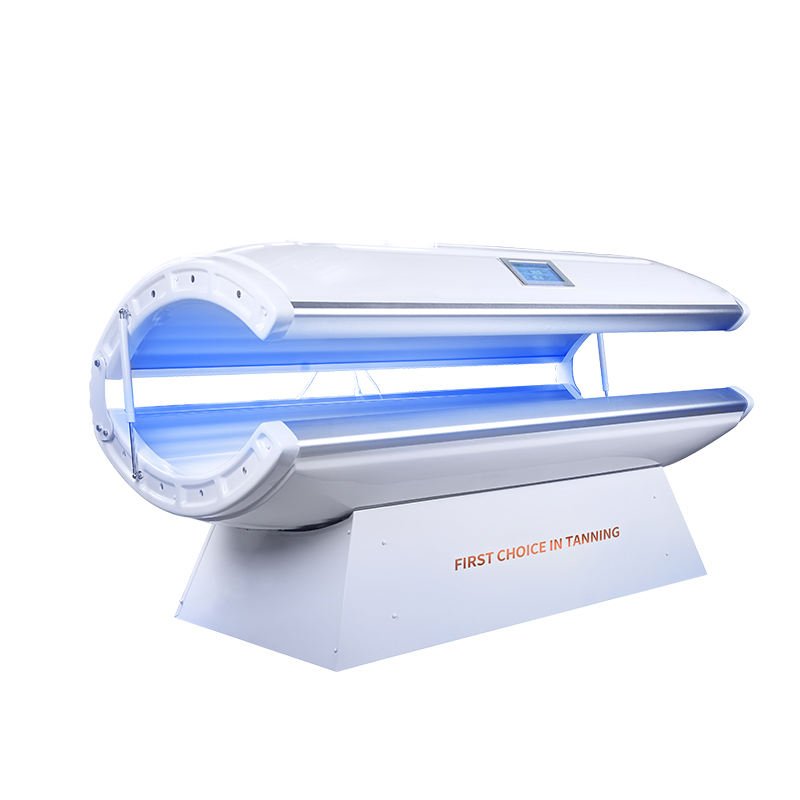
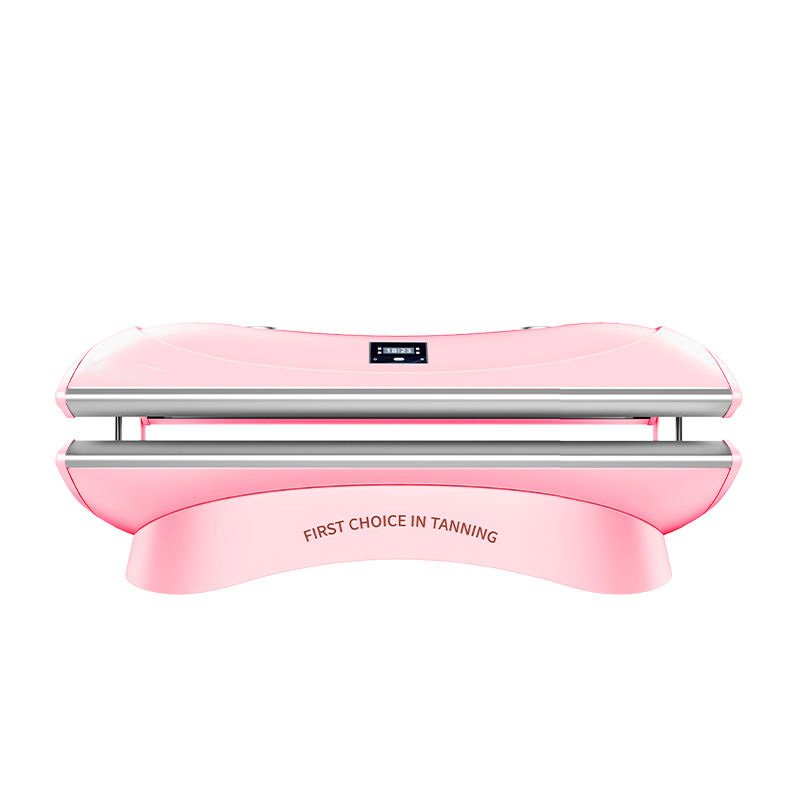
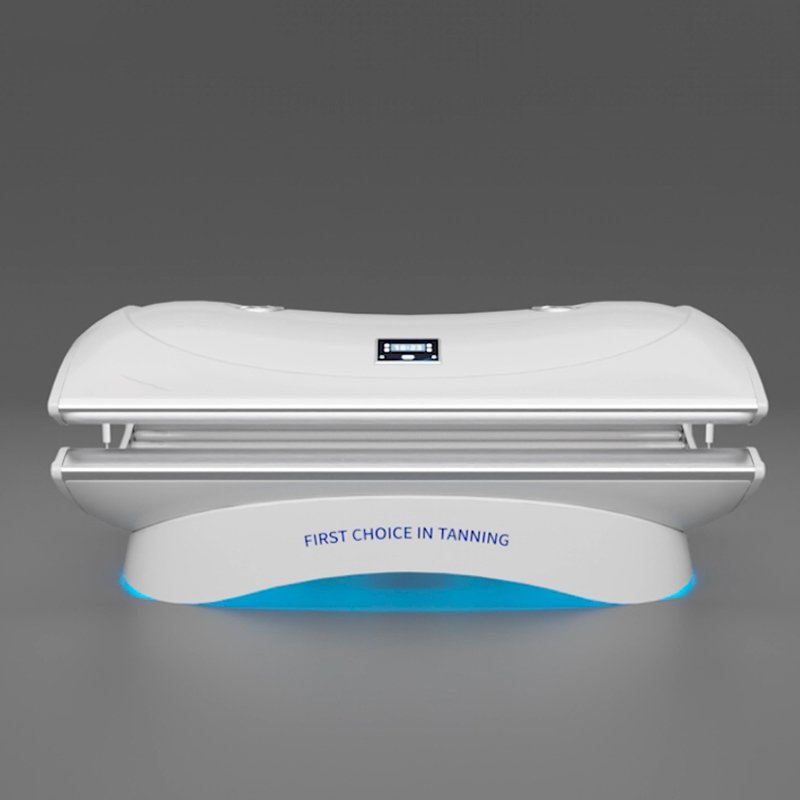
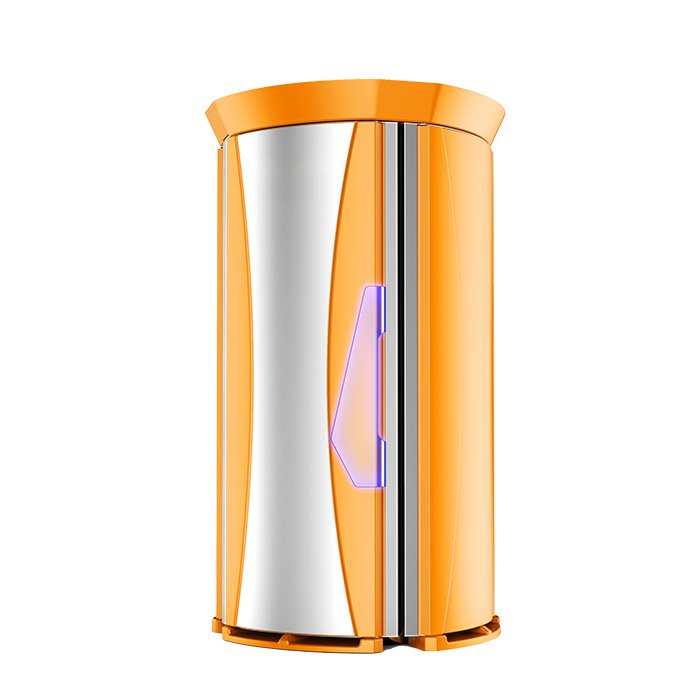

In the modern world, where advanced technologies and alternative treatments continue to evolve, red light therapy (RLT) has emerged as a potentially groundbreaking solution for a variety of health and wellness concerns. Whether it’s used to improve the appearance of your skin, alleviate pain, or enhance overall healing, red light therapy has caught the attention of both medical professionals and the general public alike.
But what exactly is red light therapy, and why is it becoming so popular? How does it work, and is it effective for different conditions? In this comprehensive guide, we’ll dive into everything you need to know about red light therapy, including its mechanisms, benefits, limitations, and safety considerations. By the end, you’ll have a clearer understanding of whether this therapy could be a useful addition to your health regimen.

1. What Exactly is Red Light Therapy?
Red light therapy, also known as low-level laser therapy (LLLT) or photobiomodulation, is a treatment method that uses specific wavelengths of red light to stimulate healing processes in the body. The therapy targets cells and tissues, promoting regeneration, reducing inflammation, and improving circulation. This non-invasive treatment has gained popularity for its potential to enhance skin health, reduce the appearance of wrinkles, scars, and acne, and accelerate healing.
RLT works by sending low-intensity red or near-infrared light into the body’s tissues. The light penetrates deeply into the skin, where it interacts with the mitochondria – the energy-producing units of cells. By boosting mitochondrial activity, cells have more energy to perform essential functions like repair and rejuvenation. While more research is needed, some studies have shown promising results for a wide range of conditions.
2. The History and Development of Red Light Therapy
The use of red light therapy can be traced back to early space exploration. NASA initially experimented with low-level light exposure to help plants grow in space, but the benefits didn’t stop there. Researchers soon discovered that red light could also promote healing in human tissue. Since then, the therapy has evolved from a niche scientific tool into a widely utilized treatment for various medical and cosmetic purposes.
The initial interest in red light therapy wasn’t purely cosmetic. For example, it is commonly used in photodynamic therapy (PDT), a treatment that activates photosensitive drugs to destroy cancer cells. Red light’s ability to stimulate cellular processes has made it a valuable tool for treating skin cancers, acne, and other dermatological conditions.
Today, red light therapy is being tested for use in many medical applications, ranging from chronic pain relief to recovery from surgeries and sports injuries.
3. How Does Red Light Therapy Work in the Body?
Red light therapy primarily works by interacting with the mitochondria in your cells. When exposed to specific wavelengths of red light, the mitochondria become more efficient at producing adenosine triphosphate (ATP), the energy currency of the cell. Increased ATP production can improve cellular function, allowing cells to repair damaged tissues, regenerate skin, and reduce inflammation.
In terms of skin health, RLT can stimulate collagen production. Collagen is a protein that forms the structural foundation of your skin, and as you age, your body’s collagen production slows down. By promoting collagen synthesis, red light therapy can help reduce wrinkles, fine lines, and improve skin texture.
Moreover, the therapy may enhance blood flow, further aiding in skin rejuvenation and the healing of wounds. The increased circulation helps deliver oxygen and nutrients to cells, contributing to faster tissue repair.
4. Conditions That Red Light Therapy Can Address
While red light therapy is most commonly known for its benefits in skin care, its potential goes far beyond that. Here are some of the most common conditions that RLT is being used to treat:
- Skin Conditions: Acne, psoriasis, eczema, rosacea, and sun damage can all benefit from red light therapy due to its ability to reduce inflammation, stimulate collagen, and promote healing. It can also help fade scars and stretch marks.
- Wrinkle Reduction and Skin Rejuvenation: By stimulating collagen production, red light therapy can significantly reduce fine lines, wrinkles, and sagging skin, making it a popular anti-aging treatment.
- Hair Growth: RLT has shown promise in treating androgenic alopecia (male and female pattern baldness) by stimulating hair follicles and promoting new hair growth.
- Pain and Inflammation: Red light therapy has been used to manage chronic pain, reduce inflammation, and accelerate the healing of wounds and injuries. Conditions like osteoarthritis, tendonitis, and even musculoskeletal injuries may benefit from this therapy.
- Wound Healing: Red light is effective in enhancing wound healing by promoting cellular regeneration and reducing inflammation. It is frequently used to treat surgical wounds, burns, and chronic ulcers.
5. The Effectiveness of Red Light Therapy
Despite its growing popularity, the effectiveness of red light therapy remains a topic of ongoing research. While many small studies and anecdotal reports suggest that RLT can be effective for a range of conditions, more large-scale, high-quality studies are needed to definitively prove its benefits.
Most experts agree that red light therapy shows promise for certain skin conditions, pain relief, and healing, but the exact results can vary from person to person. In clinical settings, the therapy may be used in combination with other treatments to achieve optimal outcomes.
6. Is Red Light Therapy Safe?
Overall, red light therapy is considered safe when used appropriately. Unlike ultraviolet (UV) light, which can cause skin damage and increase the risk of skin cancer, red light is non-invasive, non-toxic, and does not emit harmful radiation. It’s a gentle treatment with minimal risk of side effects.
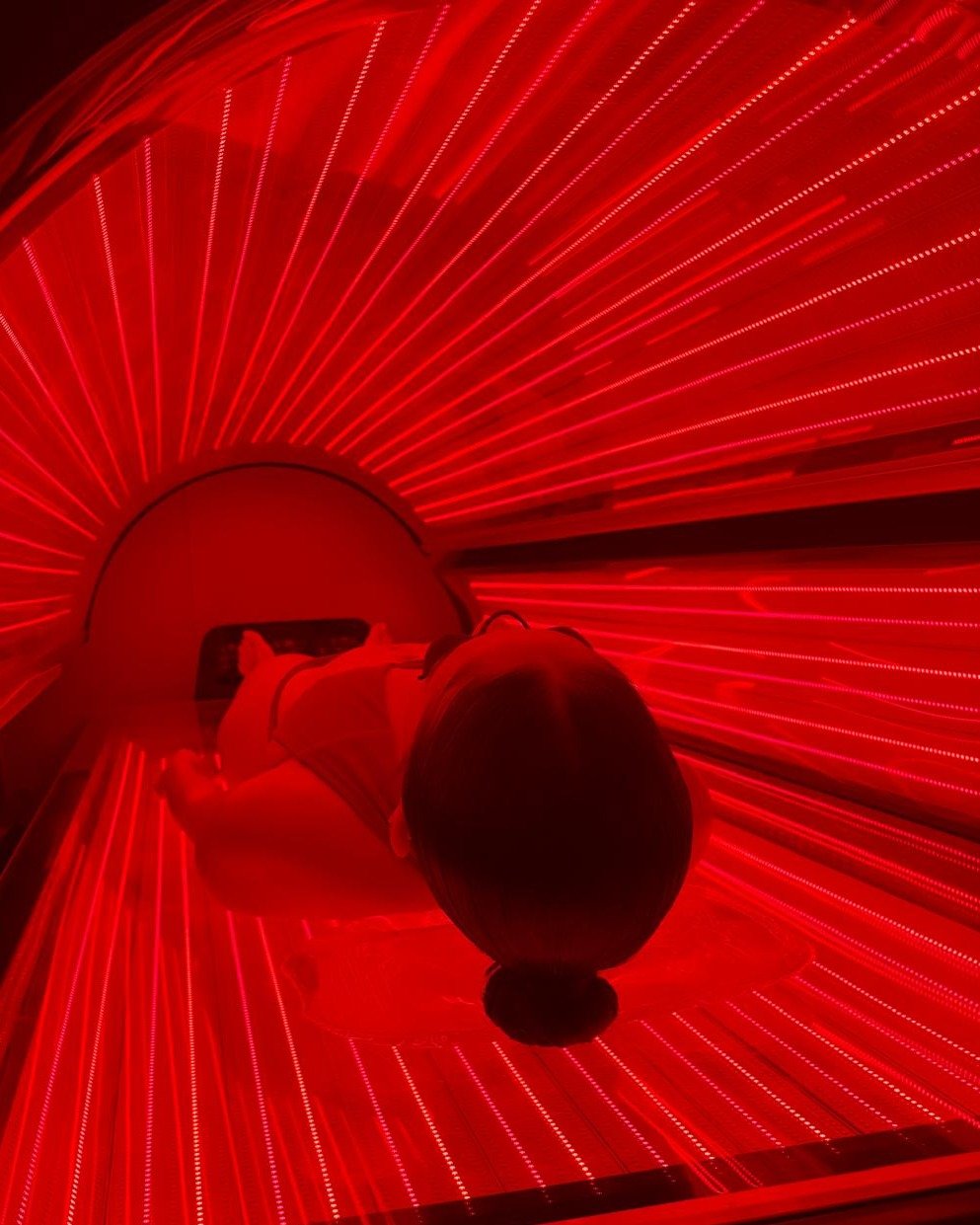
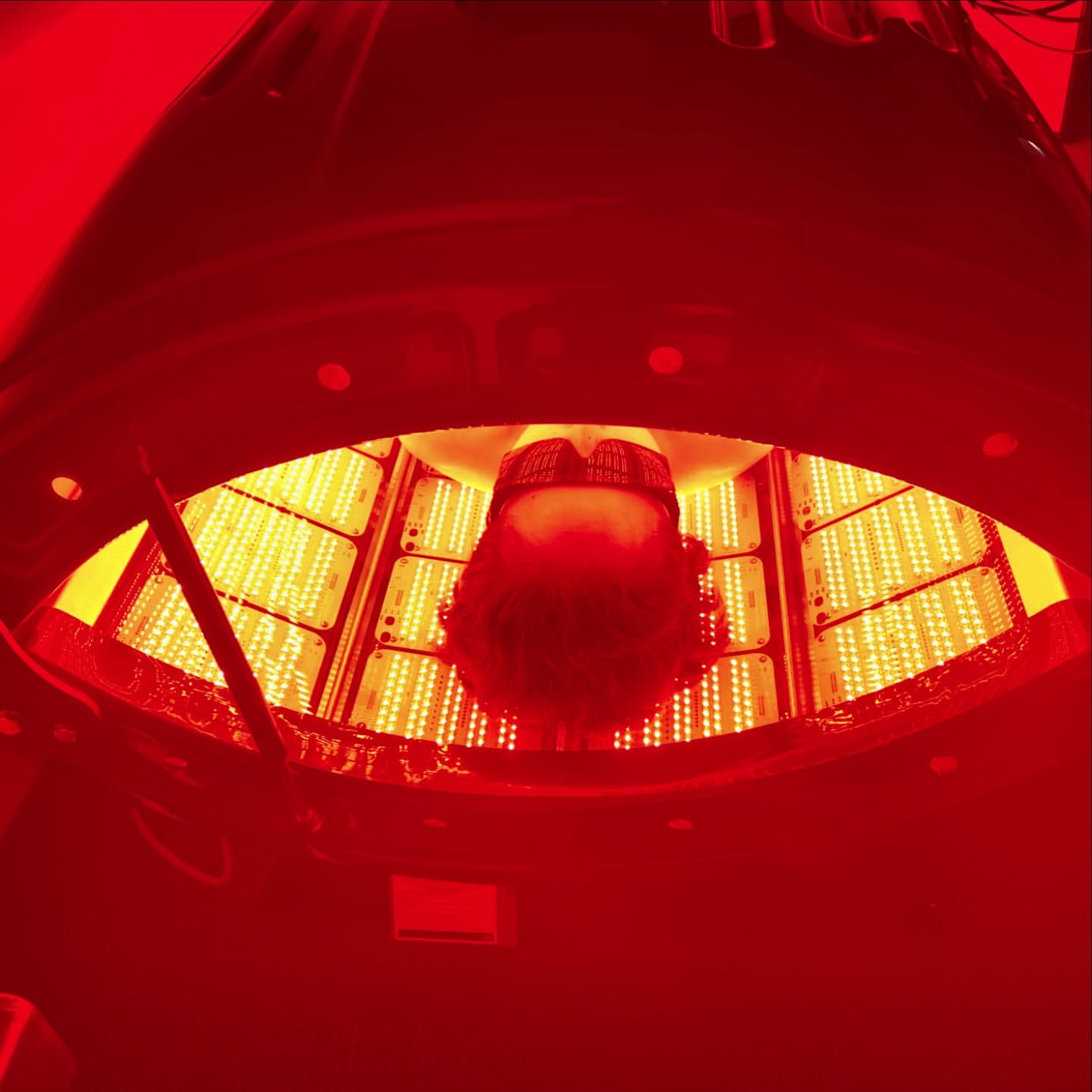
However, it’s important to follow usage guidelines to avoid overstimulation. Overexposure to red light could potentially cause eye damage, so protective eyewear should always be worn during treatment. Additionally, it’s essential to consult a dermatologist or healthcare provider before starting therapy to ensure it’s suitable for your specific skin condition or health concerns.
7. At-Home Devices: Are They Safe and Effective?
With the rising popularity of red light therapy, many devices are now available for at-home use. These devices are generally safe when used correctly, but they tend to be less powerful than those used in medical or professional settings. As a result, the results may not be as dramatic or fast.
If you decide to use an at-home device, ensure that you follow the instructions carefully, wear protective eyewear, and use the device as recommended. Consulting with a healthcare provider before starting treatment can also help you set realistic expectations and avoid any potential risks.
FAQs about Red Light Therapy:
1. What are the main benefits of red light therapy?
Red light therapy is most commonly used for its ability to improve skin appearance, reduce wrinkles and scars, accelerate wound healing, and promote hair growth. It also shows potential for relieving pain and inflammation from conditions like arthritis and tendonitis.
2. How long does it take to see results with red light therapy?
The timeline for results varies depending on the condition being treated and the individual’s response to therapy. For skin issues, some people may notice improvements after a few weeks of regular treatment, while others may require several months of consistent sessions for optimal results.
3. Are there any side effects of red light therapy?
Red light therapy is generally safe with minimal risk of side effects. However, improper use, such as overexposure or failure to protect the eyes, could cause irritation or damage. Always follow recommended guidelines and consult a professional if unsure.
Conclusion:
Red light therapy is an emerging treatment that offers a wide range of potential benefits for skin care, pain relief, wound healing, and more. While the science continues to evolve, the existing research suggests that RLT is a safe and promising option for various health concerns. If you’re considering red light therapy, it’s important to speak with a healthcare provider or dermatologist to determine if it’s right for your needs. With ongoing advancements in this field, it’s exciting to think about the potential it holds for the future of wellness.

 EN
EN EN_GB
EN_GB DE
DE EL
EL ES
ES UZ
UZ FR
FR IT
IT JA
JA CS
CS DA
DA DE_AT
DE_AT FI
FI ET
ET HR
HR FR_BE
FR_BE HU
HU KO
KO IS
IS KA
KA LT
LT NL
NL UK
UK TR
TR SV
SV SR
SR SL
SL SK
SK RU
RU RO
RO PT
PT NB
NB AR
AR CY
CY