


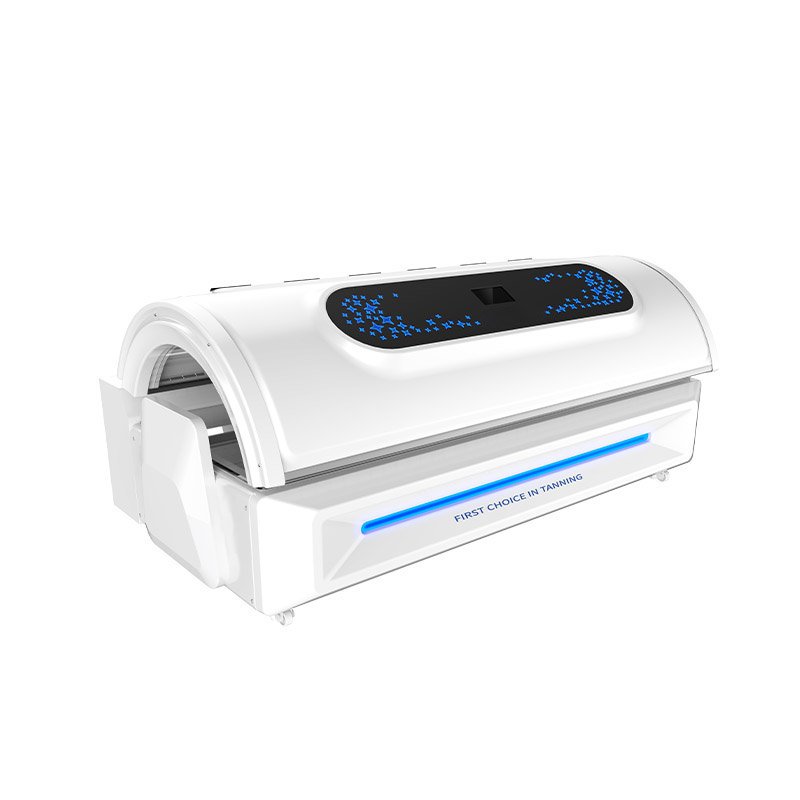
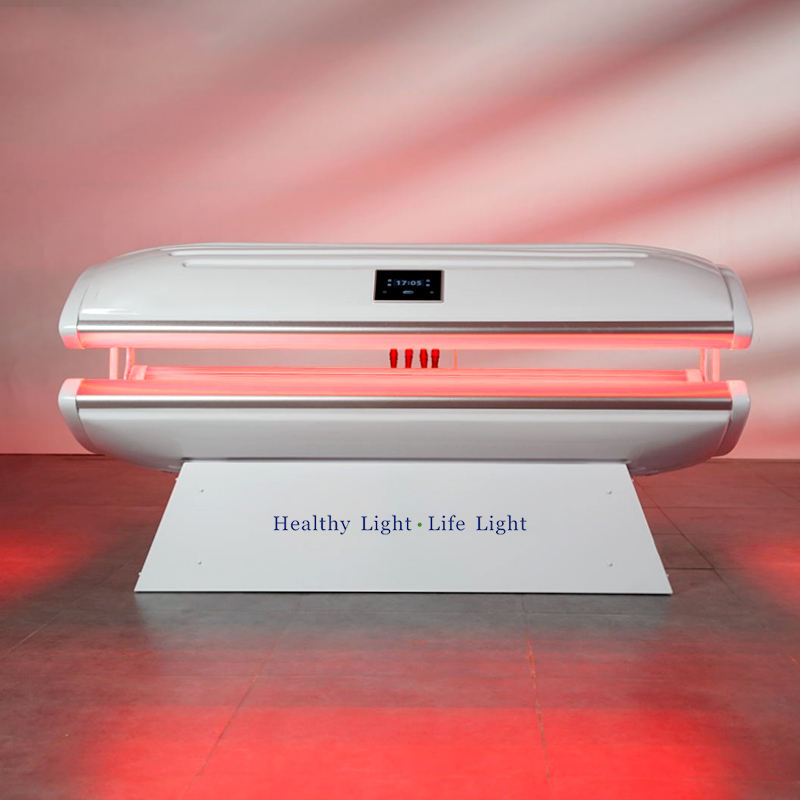

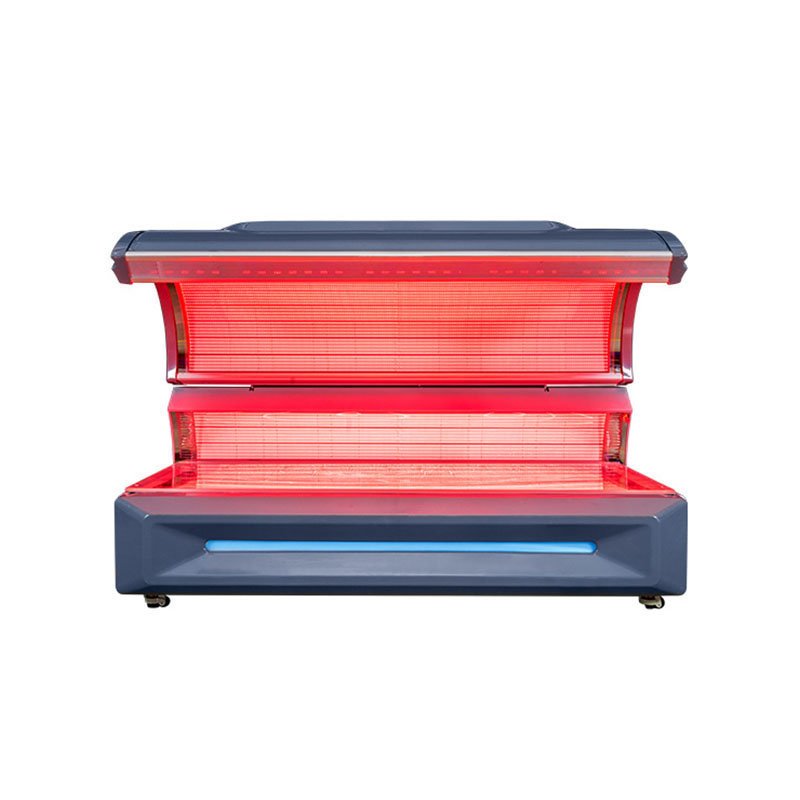
At Healthlighten, we have spent years refining our medical-grade red light therapy devices to help you get the most out of your therapy sessions in the comfort of your own home. We understand that sleep is vital for your overall health, and that’s why we’re here to guide you on how to improve it. One effective method that has been gaining traction is red light therapy, especially when used before bedtime.
So, when is the best time to do red light therapy for sleep? The ideal window is about 30 minutes before bed. This timing helps to trigger your body’s natural wind-down process, promoting a deeper and more restful sleep. In this article, we’ll explore the optimal timing for red light therapy, how it improves sleep, and how you can integrate it into your evening routine for maximum benefit.
This guide covers:
- The best time for red light therapy for sleep
- The science behind how red light therapy promotes better sleep
- Practical tips for incorporating red light therapy into your bedtime routine
- Two innovative features to enhance your red light therapy sessions
- Answers to the most common questions about red light therapy
By the end of this article, you’ll know exactly when to use red light therapy, how it works, and how to get the most from your sessions, ensuring that you wake up feeling fully refreshed.

What is the Best Time to Do Red Light Therapy for Sleep?
Through years of testing and research at Infraredi, we’ve found that the best time to engage in red light therapy for sleep is approximately 30 minutes before bed. Why this specific timing? During this period, red light helps signal your brain that it’s time to relax and prepare for sleep. By absorbing these beneficial wavelengths, you enhance your circadian rhythm, which helps to regulate your sleep cycle and improve overall sleep quality.
Red light therapy works by mimicking the natural sunset, which naturally cues your body to wind down. Unlike blue light—which can disrupt your circadian rhythm and interfere with sleep—red light is soothing and helps to prepare your mind and body for rest.
How Does Red Light Therapy Improve Sleep?
You might be asking, “How exactly does red light therapy help improve my sleep?” The secret lies in how the specific wavelengths of light interact with your body at a cellular level.
Cellular Activation
Red light therapy works by penetrating the skin and stimulating the mitochondria in your cells—the energy powerhouses of your body. The wavelengths of light help increase the production of ATP (adenosine triphosphate), which fuels your body’s repair processes. This energy boost helps reduce inflammation and oxidative stress, both of which can hinder quality sleep.

Hormonal Regulation
Red light therapy also influences your body’s production of melatonin, the hormone responsible for regulating your sleep-wake cycles. Melatonin levels naturally rise in the evening to promote sleep, and red light exposure encourages this process, leading to quicker sleep onset and a deeper quality of sleep. Additionally, red light can help reduce cortisol (the stress hormone) and regulate dopamine, contributing to relaxation without overstimulation.
Deep Sleep and REM Sleep
Studies have shown that regular red light therapy use can enhance deep sleep (slow-wave sleep) and improve the duration of REM sleep. These stages are crucial for physical restoration, memory consolidation, and emotional well-being, ensuring you wake up feeling rejuvenated and ready to face the day.
How to Use Red Light Therapy for Sleep
Using red light therapy effectively for sleep is simple, but consistency and proper technique are key. Follow these tips for optimal results:
1. Be Consistent
Whether you’re using red light therapy for sleep, pain relief, or general wellness, regular use is crucial for achieving the best results. Consistency helps train your brain to associate red light with relaxation and sleep. Use your device at the same time each night—ideally about 30 minutes before bed—and stick to this routine for several weeks to experience maximum benefits. Over time, you’ll notice how it improves both your sleep onset and quality.
2. Create a Calm Environment
Your environment plays a significant role in the effectiveness of red light therapy. To optimize the benefits, create a calming atmosphere that promotes relaxation:
- Dim the lights: Low lighting signals your body that it’s time to wind down.
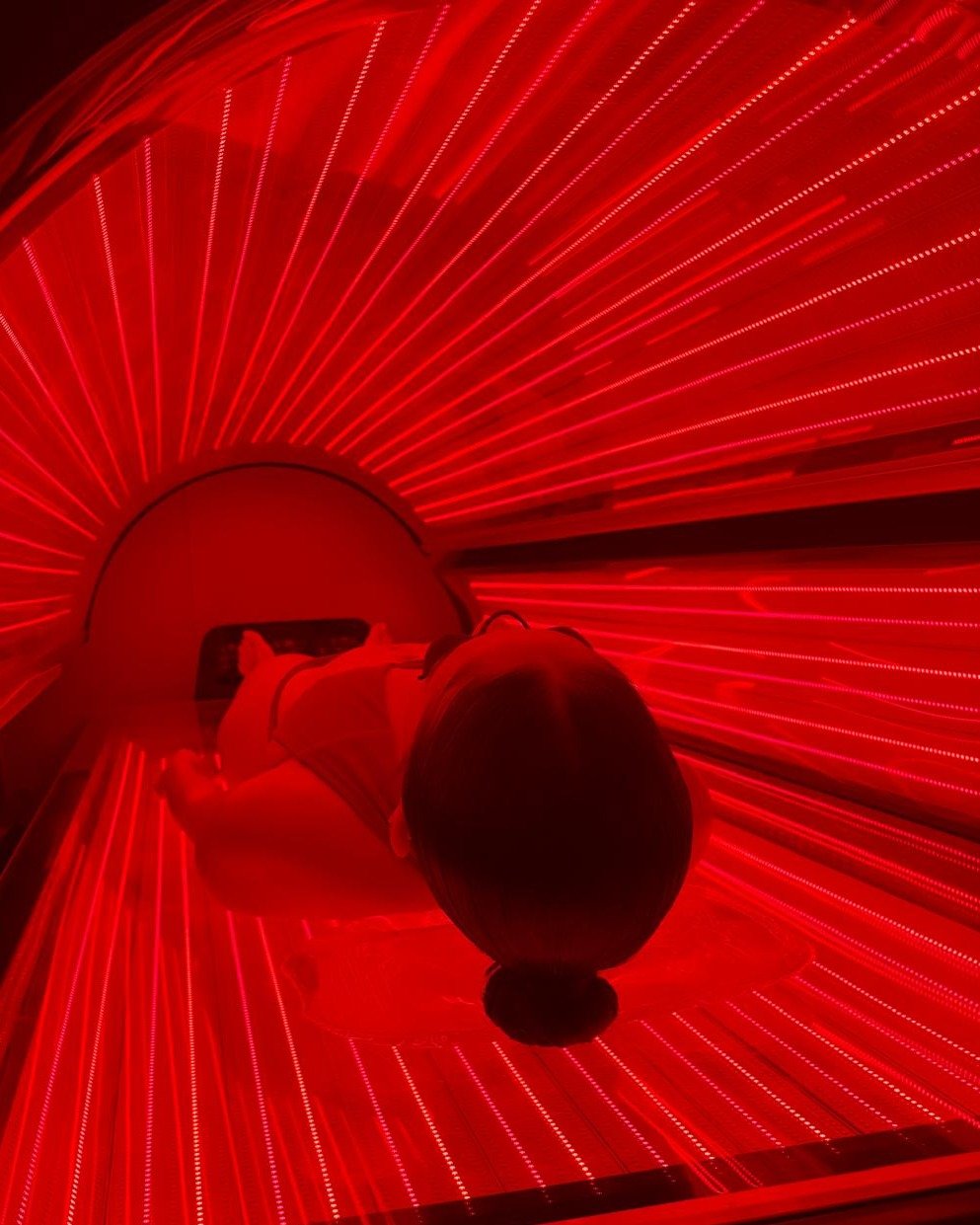
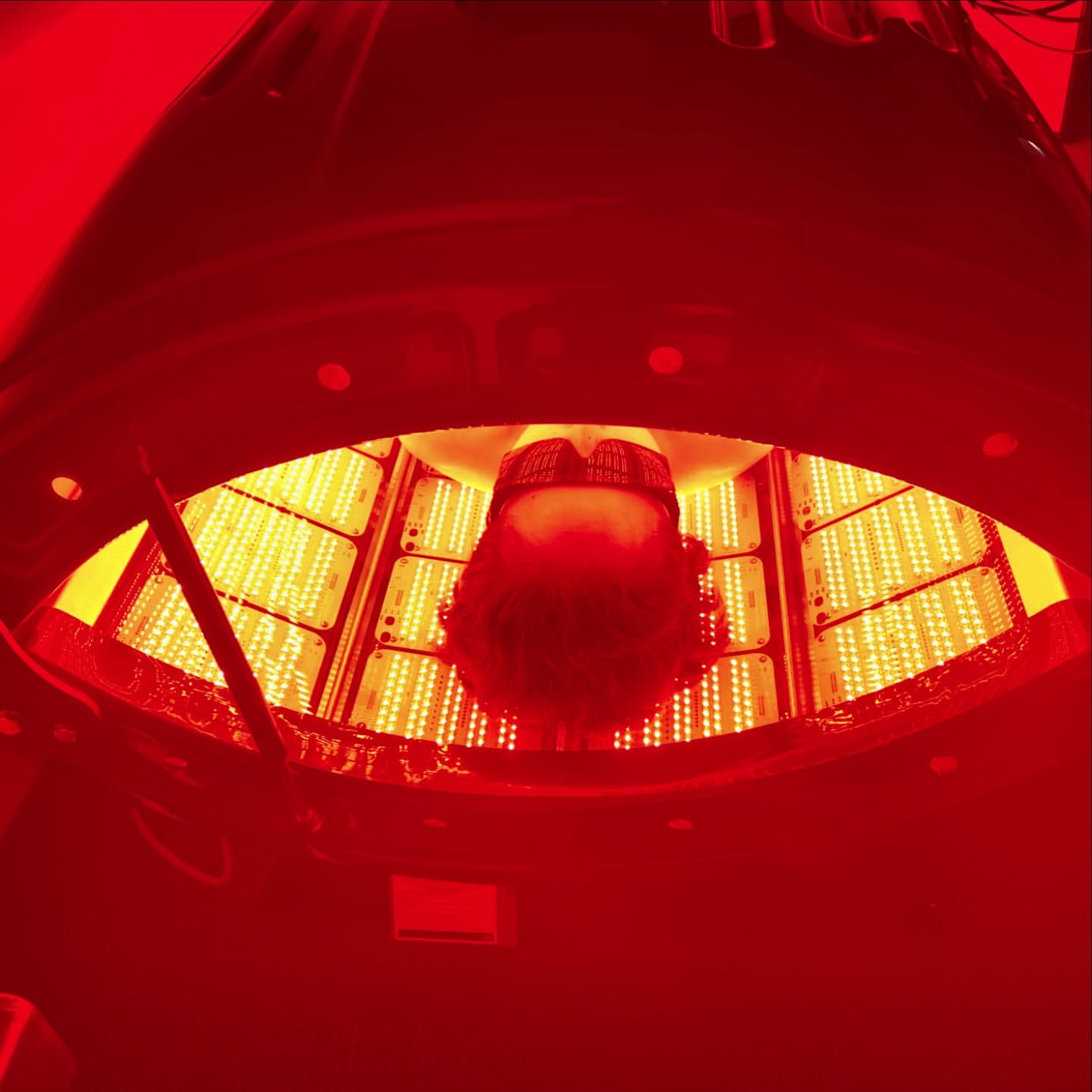
- Position your red light device properly: Place it around 6 to 12 inches from your body, ensuring it covers your face, shoulders, and chest for the best results.
- Enhance your surroundings: Consider adding soft background music or using a calming essential oil diffuser with scents like lavender or chamomile to boost relaxation.
3. Mind Your Session Duration
The ideal session length for red light therapy is between 10 and 20 minutes. This time frame is long enough for your body to absorb the beneficial light and begin the relaxation process but not so long that it risks overstimulation. Longer sessions may leave you feeling too energized, while shorter sessions might not provide enough benefits.
4. Proper Positioning
Correct positioning is vital to ensure that the red light therapy works effectively. Whether seated or lying down, aim for a distance of 6 to 12 inches from the light source. Ensure that the device covers key areas like the face, upper chest, and shoulders. This ensures the therapeutic wavelengths penetrate deeply into the skin and stimulate cellular processes that promote restful sleep.
5. Relax and Unwind
Red light therapy is more effective when paired with other relaxation techniques. Use the time during your session to engage in calming activities like:
- Deep breathing exercises: Slow, deep breaths activate your parasympathetic nervous system, which signals your body to relax.
- Mindful reading: Avoid screen time and opt for a physical book or e-ink device to avoid blue light.
- Gentle stretching: Consider doing a few light stretches or yoga poses to release physical tension.
These activities not only help you unwind but also make the red light therapy session more enjoyable and effective.
Complementing with a Relaxing Bedtime Ritual
Pair your red light therapy session with other proven sleep rituals for even greater benefit. Here are a few options to consider:
| Ritual | Benefit | How to Combine |
|---|---|---|
| Herbal Tea | Calms the nervous system | Sip chamomile or valerian tea before your session. |
| Aromatherapy | Enhances relaxation through scent | Use lavender or cedarwood essential oils during therapy. |
| Journaling | Clears the mind | Write down your thoughts or reflect on your day. |
| Stretching | Relieves muscle tension | Do a short stretching session to prepare for rest. |
These activities enhance the calming effects of red light therapy, promoting deeper relaxation and more restorative sleep.
Frequently Asked Questions
Q1: Can I use red light therapy in the morning?
Yes, red light therapy can be beneficial in the morning, especially for boosting energy and stimulating cellular repair. However, for sleep improvement, the best time to use red light therapy is about 30 minutes before bed, as it helps regulate melatonin production and supports a natural sleep-wake cycle.
Q2: Is red light therapy safe for everyone?
Yes, red light therapy is generally safe for most people. However, if you have photosensitivity, certain eye conditions, or are on medications that increase light sensitivity, it’s a good idea to consult with a healthcare provider before beginning therapy. Always follow the guidelines for your device and avoid staring directly into the light.
Q3: How quickly will I notice improvements in my sleep?
Many users report feeling the effects of red light therapy within 1-2 weeks of consistent use. You may experience faster sleep onset, reduced sleep latency, and deeper sleep stages. For optimal results, it’s recommended to stick with a routine for 4-6 weeks.
Conclusion
Red light therapy is a powerful, non-invasive tool that can significantly enhance the quality of your sleep. The best time to use it is about 30 minutes before bed, as this helps signal to your body that it’s time to relax and prepare for rest. By being consistent with your sessions, creating a calm environment, and incorporating other relaxation practices, you can experience deeper, more restorative sleep.
At Healthlighten, our mission is to provide you with the highest quality, medical-grade red light therapy devices to improve your health and well-being. Ready to unlock the full potential of red light therapy? Explore our range of products today and take the first step toward better sleep tonight.

 EN
EN EN_GB
EN_GB DE
DE EL
EL ES
ES UZ
UZ FR
FR IT
IT JA
JA CS
CS DA
DA DE_AT
DE_AT FI
FI ET
ET HR
HR FR_BE
FR_BE HU
HU KO
KO IS
IS KA
KA LT
LT NL
NL UK
UK TR
TR SV
SV SR
SR SL
SL SK
SK RU
RU RO
RO PT
PT NB
NB AR
AR CY
CY