
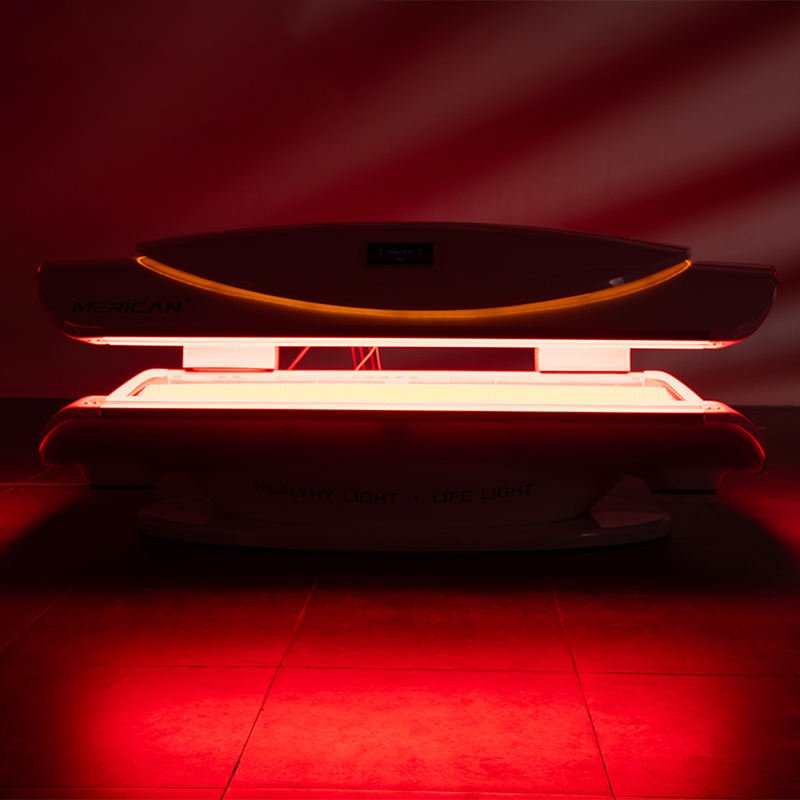


1. Introduction: What Are Red Light Therapy Beds and Why Are They Popular?
In recent years, red light therapy has become a game-changer in the beauty and wellness industry. Offering a wide range of benefits for skin health, muscle recovery, and overall rejuvenation, red light therapy is now becoming a staple in beauty salons across the globe. But, when people refer to “red light therapy tanning beds,” there is often confusion surrounding their true purpose. Unlike traditional tanning beds that use UV light to tan the skin, red light therapy beds focus solely on emitting red and near-infrared light, offering unique health benefits without causing a tan.
In this guide, we will dive deep into the world of red light therapy beds, exploring their benefits, answering common questions, and comparing them with other types of therapy options available. Whether you are considering a red light therapy bed for your salon or personal use, we’ll help you make an informed decision.

2. Understanding Red Light Therapy: The Basics
Red light therapy (also known as low-level light therapy or LLLT) involves the use of red and near-infrared light wavelengths to stimulate cellular activity in the skin and tissues beneath it. Unlike UV light, which can cause skin damage, red light promotes healing, reduces inflammation, and helps regenerate skin cells. It is a non-invasive treatment that has become popular for its ability to improve skin texture, reduce signs of aging, and aid in muscle recovery.
How Does Red Light Therapy Work?
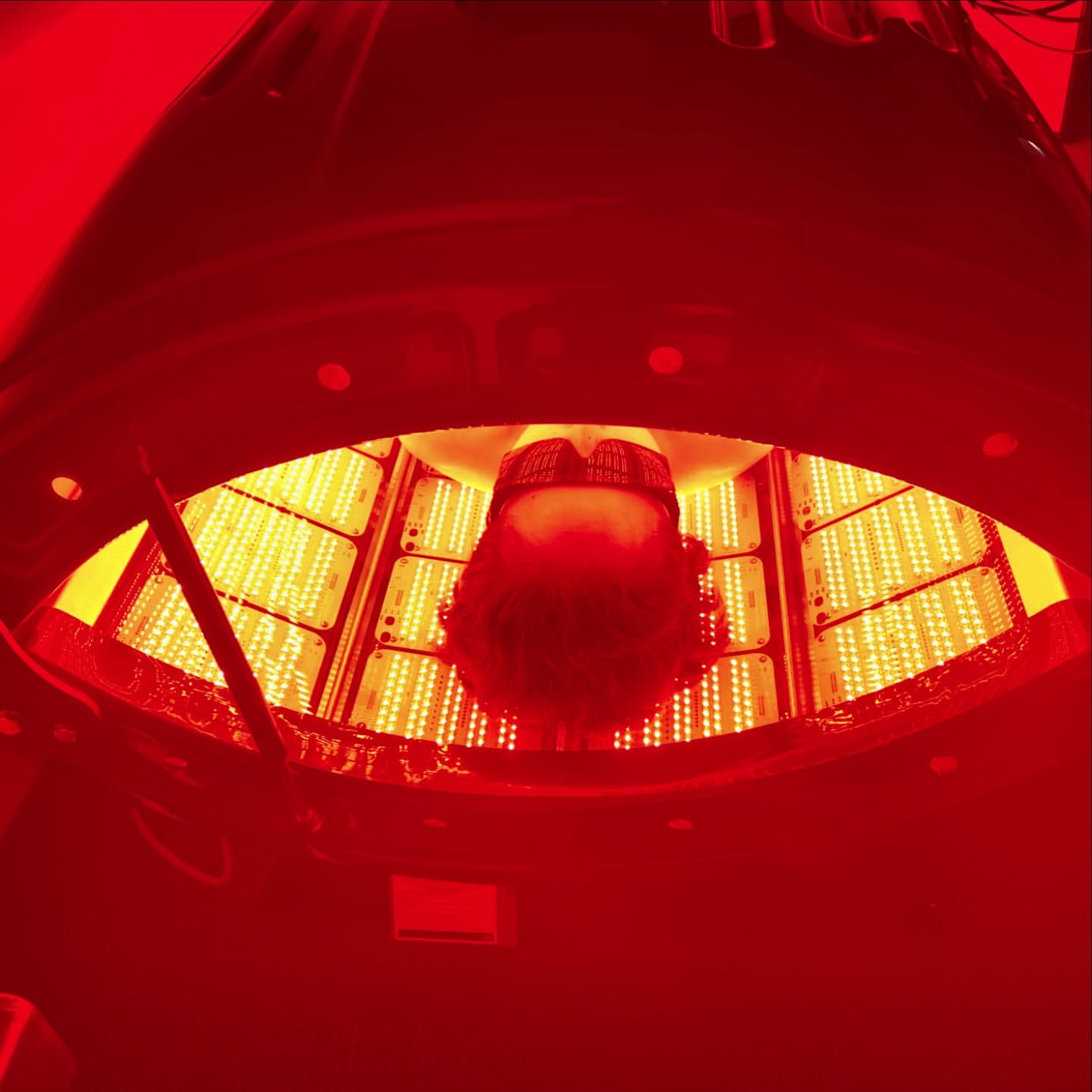
When the skin is exposed to red and near-infrared light, the light energy penetrates deep into the skin, stimulating the mitochondria of cells. This increased cellular activity boosts the production of collagen and elastin, key proteins responsible for skin elasticity and firmness. As a result, red light therapy can help improve skin appearance by reducing wrinkles, fine lines, and scars. The therapy is also known for its soothing effect, which can lead to improved relaxation and stress relief.
3. The Surge in Popularity of Red Light Therapy Beds in Beauty Salons
Red light therapy is quickly becoming a mainstream treatment, with beauty salons and spas adopting this technology to cater to growing consumer demand. The allure of red light therapy beds lies in their ability to offer a relaxing and non-invasive alternative to traditional UV tanning beds. Unlike conventional tanning beds, which use harmful ultraviolet light to tan the skin, red light therapy beds expose users to only red and near-infrared light, avoiding the risks of sunburn and premature aging caused by UV radiation.
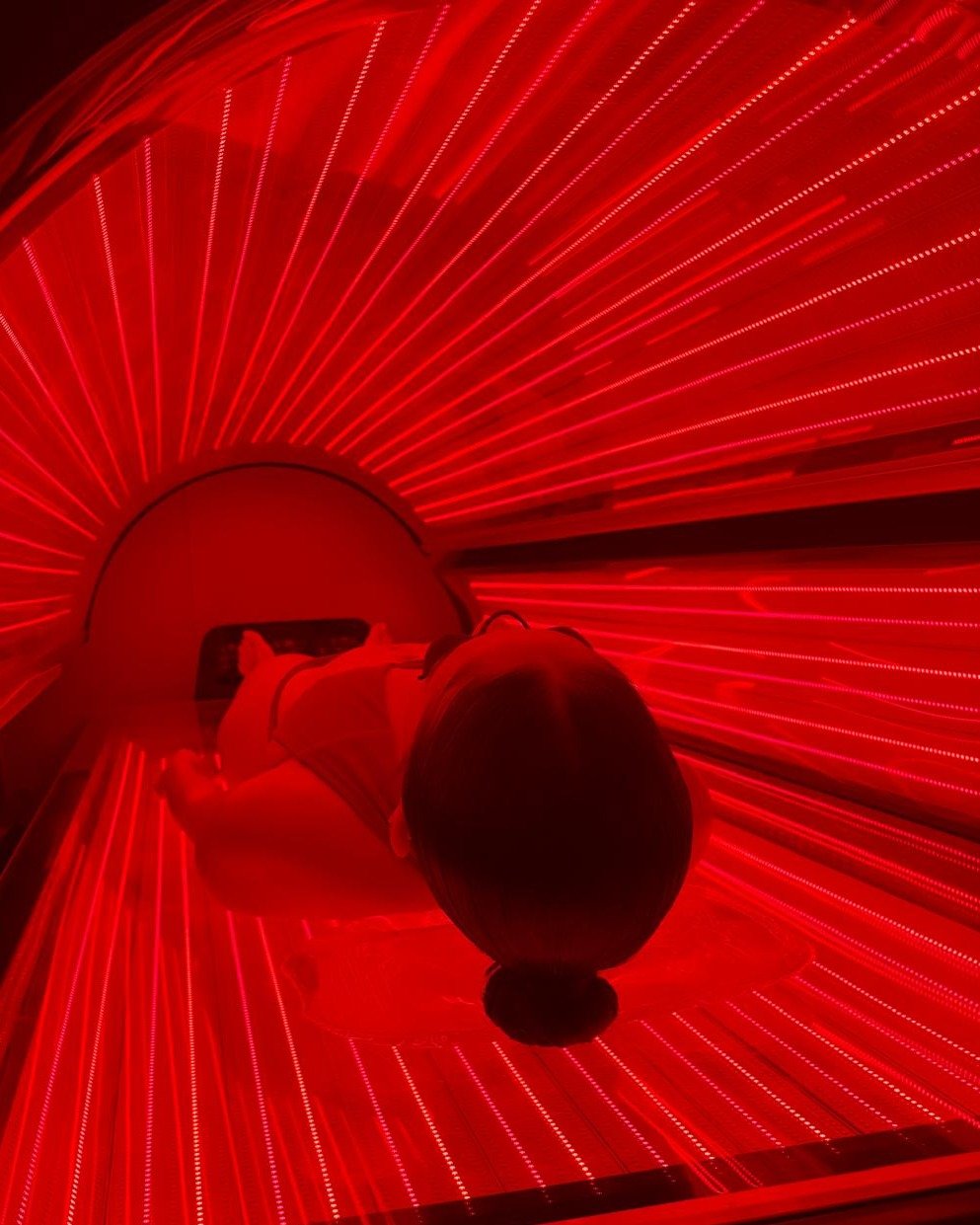
Salon clients are increasingly drawn to red light therapy beds because they offer a relaxing and energizing experience. Many users report feeling rejuvenated after their sessions, with some even falling asleep due to the calming effects. Additionally, because the therapy beds cover the entire body, they provide a quick and efficient treatment, which is ideal for high-turnover salons looking to maximize their business revenue.

4. Red Light Therapy Beds vs. Red Light Panels: A Comparison
When considering red light therapy, you may encounter two main options: red light therapy beds and red light therapy panels. Each has its advantages and disadvantages, so it’s important to understand the key differences before making a choice.
4.1 Size and Space Requirements
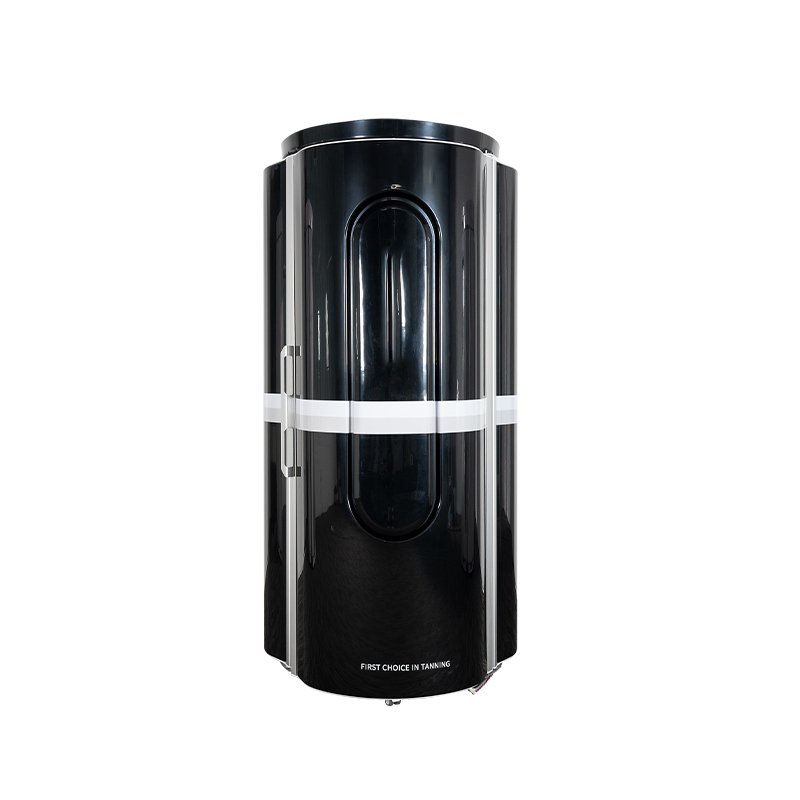
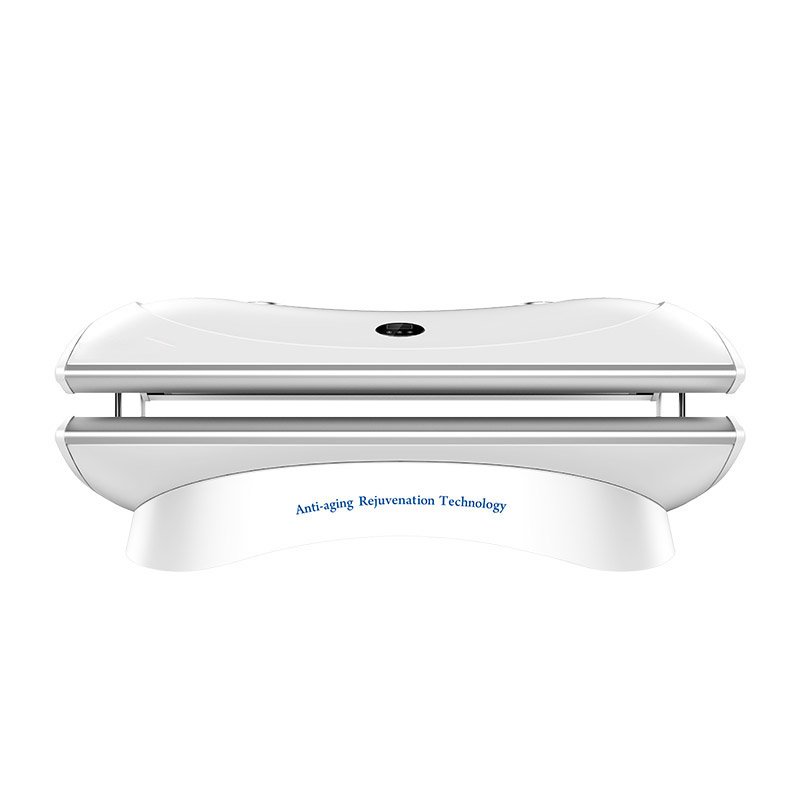
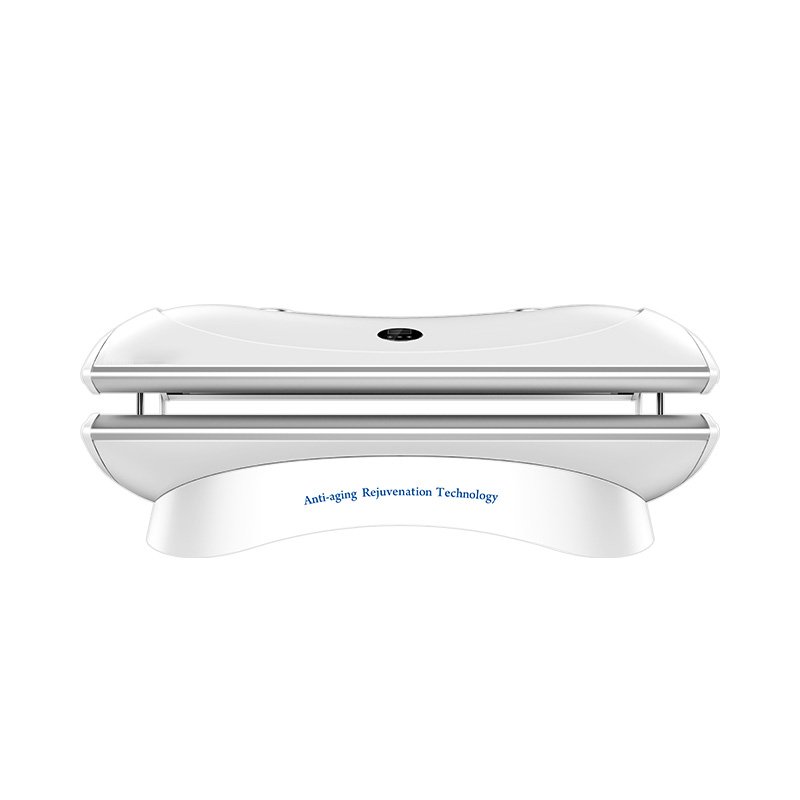
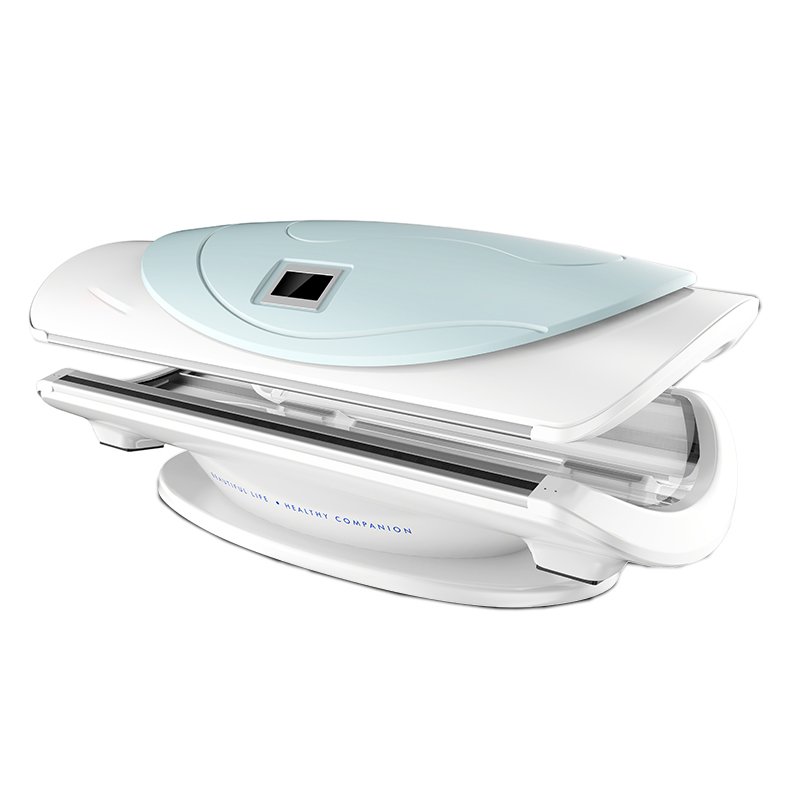
Red light therapy beds are large, often requiring the space of a small room. They offer full-body treatment and are typically used in professional salons. On the other hand, red light therapy panels are much more compact and can be mounted on a wall or used as a tabletop device. This makes panels a great option for individuals with limited space, such as those living in small apartments or homes.
4.2 Convenience and Multitasking
Red light therapy panels have a significant advantage in terms of convenience. Because the panel typically only targets one side of the body at a time, users are free to multitask—whether it’s checking their phone, reading a book, or relaxing in other ways. In contrast, red light therapy beds require you to lie still and be fully immersed in the light, leaving little room for multitasking during the session.
4.3 Price and Shipping
Red light therapy panels are far more affordable than beds, with prices ranging from a few hundred to a few thousand dollars. Red light therapy beds, however, can cost anywhere from $25,000 to $125,000, depending on the brand and features. Additionally, shipping a red light therapy bed can be cumbersome and costly due to its large size, while panels are much easier to ship and install, making them more accessible for individuals looking for a more affordable and practical option.
4.4 Ease of Use for Clinics
Red light therapy beds are designed for high-frequency use, making them ideal for clinics or salons where quick turnover is essential. They typically feature superior cooling systems to support continuous operation throughout the day. In contrast, while red light panels are great for home use, they are not designed for constant use in a commercial setting.
5. Do Red Light Therapy Beds Tan You?
Unlike traditional tanning beds that use UV light to induce tanning, red light therapy beds do not tan the skin. While some red light beds may include UV light in their design, the primary function of red light therapy is not to tan the skin but to promote healing, improve skin appearance, and reduce inflammation. When using red light therapy beds that emit only red and near-infrared light, you will not develop a tan, but instead, experience skin rejuvenation benefits.
6. Advantages and Disadvantages of Red Light Therapy Beds
Like any treatment, red light therapy beds come with both benefits and challenges. Here’s an overview of the pros and cons:
6.1 Pros of Red Light Therapy Beds
- Full-Body Treatment: Red light therapy beds provide a comprehensive treatment by exposing your entire body to the healing light, making them efficient and convenient for users.
- Relaxing and Energizing: Many users find red light therapy beds to be a calming experience that helps reduce stress while promoting rejuvenation and energy levels.
- Efficient for Clinics: Due to their larger size and faster treatment time, red light therapy beds are perfect for high-traffic salons and clinics looking to serve multiple clients in a short period.
6.2 Cons of Red Light Therapy Beds
- High Cost: Red light therapy beds are expensive, with prices often exceeding $25,000, which may be beyond the budget of many individuals or small businesses.
- Large Size: The size of red light therapy beds makes them difficult to install in smaller spaces. They are generally better suited for professional salons rather than personal home use.
- Shipping Challenges: Due to their size and weight, shipping and installation costs for red light therapy beds can be substantial.
7. Red Light Therapy Beds vs. Traditional Tanning Beds
Traditional tanning beds use UV light to stimulate melanin production, giving the skin a tan. While this can lead to a sun-kissed glow, UV tanning beds also carry significant risks, including premature aging and skin damage. In contrast, red light therapy beds do not use UV light and are focused on promoting skin health, reducing inflammation, and encouraging collagen production. While both types of beds have their place, red light therapy beds offer a safer, more rejuvenating alternative to traditional tanning beds.
8. Is It Worth Visiting a Red Light Therapy Tanning Salon?
Visiting a salon for red light therapy can be expensive, with prices typically ranging from $20 to $100 per session. For individuals who are committed to the therapy and want to see long-term results, investing in a personal red light therapy panel may be a better option. However, for those who are new to red light therapy, trying a few sessions at a salon can help determine whether the treatment is right for you before making a larger investment.
9. Frequently Asked Questions
9.1 Are Red Light Therapy Beds Safe?
Yes, red light therapy beds are considered safe when used properly. Unlike UV tanning beds, which can cause skin damage, red light therapy does not emit harmful UV rays and has been shown to promote skin health without side effects.
9.2 Can Red Light Therapy Help with Skin Aging?
Yes, red light therapy is particularly effective at reducing signs of aging. It stimulates collagen production, improves skin elasticity, and helps reduce the appearance of wrinkles, making it a great option for those seeking to maintain a youthful appearance.
9.3 How Often Should I Use a Red Light Therapy Bed?
The frequency of red light therapy sessions depends on your goals and the device being used. Most users benefit from 3-5 sessions per week for optimal results. However, individual needs may vary, so it’s important to consult with a professional before starting a treatment regimen.
10. Conclusion: Choosing the Right Red Light Therapy Option
Whether you choose a red light therapy bed or a panel, both options offer significant health benefits. While red light therapy beds are ideal for clinics and salons due to their full-body treatment and efficiency, red light therapy panels are more affordable, compact, and perfect for home use. Ultimately, the best choice depends on your needs, space, and budget. However, for most individuals, a red light therapy panel is a practical, cost-effective solution that provides most of the benefits of a bed without the hefty price tag.

 EN
EN EN_GB
EN_GB DE
DE EL
EL ES
ES UZ
UZ FR
FR IT
IT JA
JA CS
CS DA
DA DE_AT
DE_AT FI
FI ET
ET HR
HR FR_BE
FR_BE HU
HU KO
KO IS
IS KA
KA LT
LT NL
NL UK
UK TR
TR SV
SV SR
SR SL
SL SK
SK RU
RU RO
RO PT
PT NB
NB AR
AR CY
CY