No. 55, Science Avenue, Shushan Modern Industrial Park, Shou County, huainan, China
What is the best red light therapy bed?
Table of Contents
1. Introduction to Light Therapy: A Comprehensive Overview
In recent years, light therapy, also known as photobiomodulation, has emerged as a highly effective and popular treatment for a variety of conditions. It has gained significant attention in both therapeutic and cosmetic fields, with its applications expanding rapidly. According to market research, the global light therapy industry was valued at over $1 billion USD in 2020, and the sector continues to grow. This rise in popularity is indicative of the increasing recognition of light therapy’s potential benefits, from anti-aging treatments to enhanced recovery and pain management.
Light therapy offers a spectrum of applications, ranging from the treatment of superficial skin issues to deeper musculoskeletal ailments. Its versatility and evidence-based efficacy have made it a sought-after solution for improving overall health, reducing inflammation, enhancing skin rejuvenation, and managing chronic pain.
This guide delves deep into light therapy, offering you insight into its benefits, the science behind its effectiveness, how to select the right devices, and a comprehensive look at some of the top light therapy products on the market today.
2. Understanding the Science Behind Light Therapy
Light therapy harnesses the power of specific wavelengths of light to stimulate healing and rejuvenation within the body. By exposing the skin to controlled doses of red, near-infrared, and sometimes blue light, various biological processes are triggered that promote tissue repair, reduce inflammation, improve blood flow, and enhance collagen production.
The concept of photobiomodulation is rooted in the ability of light to penetrate the skin, where it activates mitochondria in cells to produce energy (ATP), which is essential for tissue repair and overall cellular function. This stimulation leads to a reduction in pain, faster recovery times, and healthier skin.
3. Key Benefits of Light Therapy
Light therapy has demonstrated a broad array of benefits for both aesthetic and therapeutic purposes. Some of the most notable advantages include:
Anti-Aging:Red light therapy can stimulate collagen production, improving skin elasticity and reducing fine lines and wrinkles.
Pain Relief: Near-infrared light can penetrate deep into tissues, providing relief from joint pain, muscle soreness, and inflammation.
Improved Skin Health: Red light therapy helps treat acne, sunspots, and skin scars by promoting skin regeneration and healing.
Accelerated Healing: Wounds and injuries can heal faster due to increased circulation and cellular regeneration facilitated by light therapy.
Mood Enhancement: Exposure to light, particularly red light, can trigger the production of endorphins, helping to reduce symptoms of depression and anxiety.
4. Different Types of Light Therapy Devices
When considering a light therapy device, there are several factors that will determine the best choice for you. One of the primary considerations is the type of light emitted by the device, which falls into three major categories: red light, near-infrared light, and combination devices that use both.
Red Light Therapy Devices
Red light typically ranges from 600 to 700 nm on the light spectrum. This wavelength is ideal for targeting superficial skin conditions like wrinkles, acne, and scars. Red light also helps to improve skin texture, promote hair growth, and accelerate wound healing.
Near-Infrared Light Therapy Devices
Near-infrared light, which operates within the 700-900 nm range, has a deeper penetration capability, reaching muscles, joints, and bones. It is highly effective for treating pain, inflammation, and promoting healing in deeper tissues.
Combination Devices
Many devices offer a combination of both red and near-infrared light. These devices allow users to benefit from the therapeutic effects of both shallow and deep tissue treatment, maximizing the overall healing process.
5. Important Factors to Consider When Choosing a Light Therapy Device
When deciding on a light therapy device, several technical specifications should be considered to ensure you are making the right investment. Below are the key features to look for:
Irradiance (Intensity of Light)
Irradiance refers to the intensity of light emitted by the device and is measured in milliwatts per centimeter squared (mW/cm²). For optimal therapeutic results, the device should have a high irradiance, as it ensures that enough light energy is being delivered to the tissues during each session.
Wavelengths of Light
Different wavelengths of light penetrate the skin to varying depths. Red light penetrates up to 5 millimeters, while near-infrared light can reach several centimeters beneath the skin. Choosing a device with the right wavelength for your needs will ensure you get the most effective treatment.
Total Number of LEDs
The number of LEDs in a light therapy device affects its overall power and the area it can treat in a given session. A higher number of LEDs allows for more coverage, leading to more efficient treatments. However, the quality of the LEDs is just as important as the quantity—high-quality LEDs emit consistent and effective light wavelengths.
6. Top Light Therapy Products on the Market
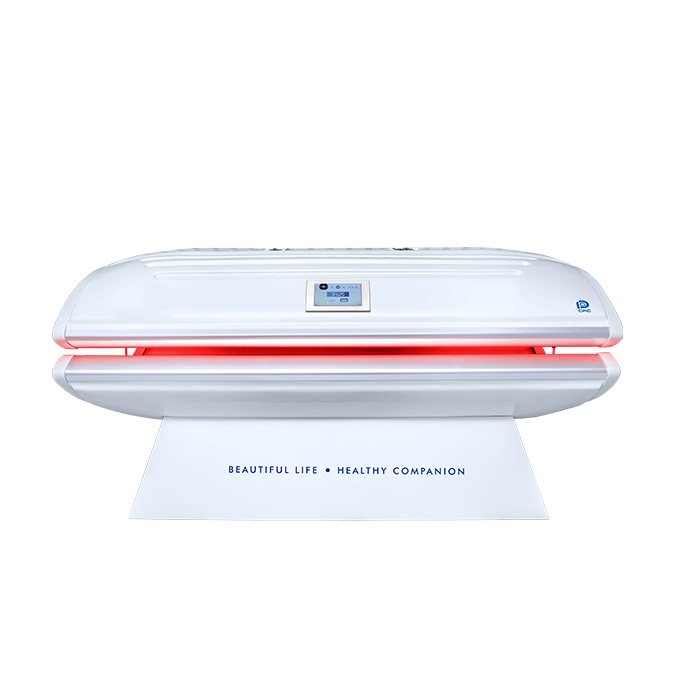
After understanding the science and factors that influence the effectiveness of light therapy, it’s time to explore some of the best devices available for home and clinical use. Among the top options is the Prism Light Pod, a state-of-the-art full-body red light therapy bed that provides exceptional coverage and treatment benefits.
Prism Light Pod: A Comprehensive Solution
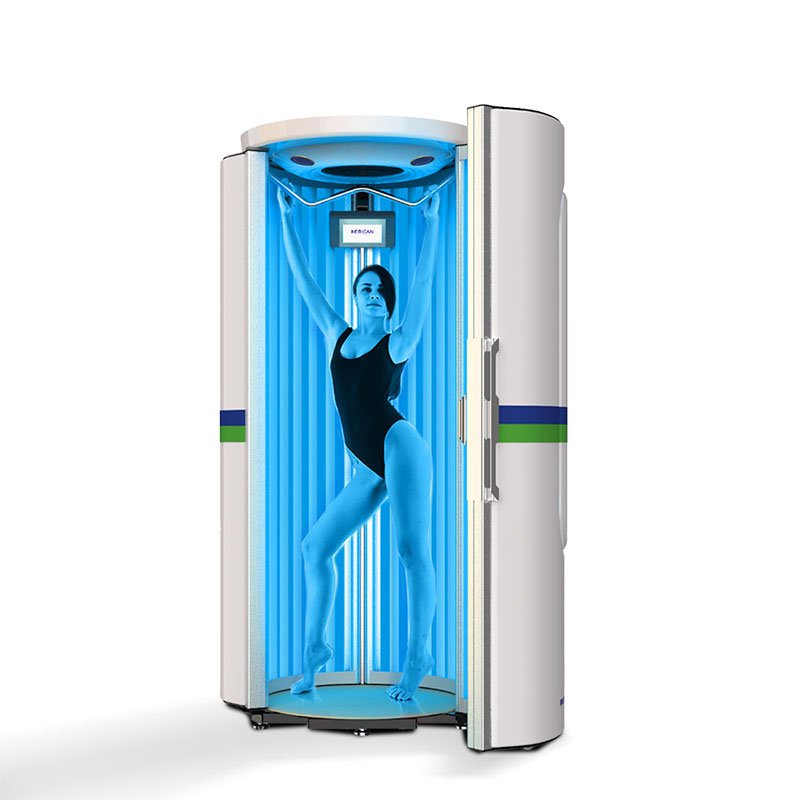
The Prism Light Pod is an advanced light therapy device designed for both clinical and personal use. It uses red and near-infrared light to provide a full-body treatment experience, promoting healing, pain relief, and skin rejuvenation. Here are some key features that set the Prism Light Pod apart:
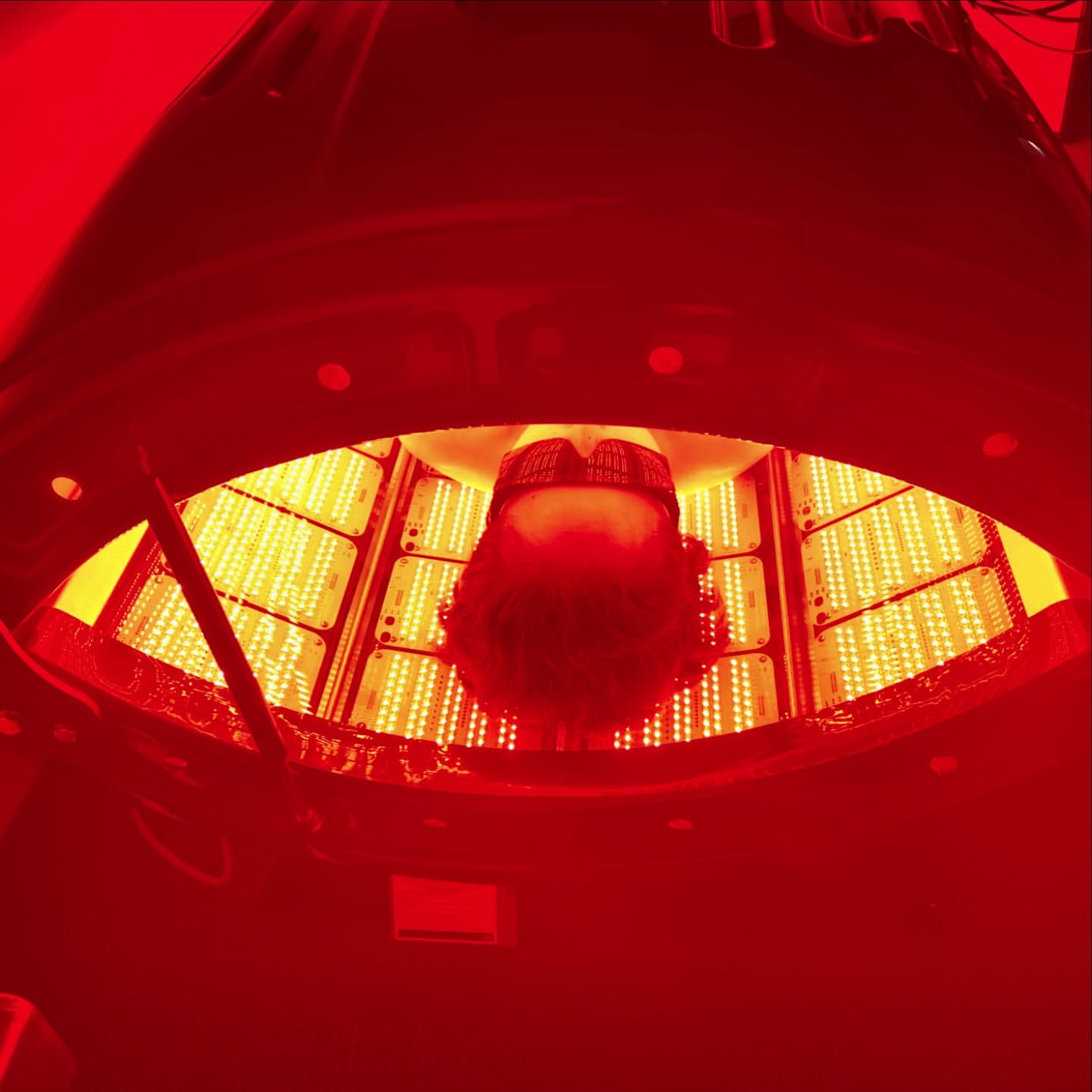
Full-Body Coverage: With 14,000 LEDs, the device surrounds the user with light, ensuring comprehensive treatment.
Six Optimized Settings: These include sports recovery, chronic pain management, arthritis relief, wound healing, skin rejuvenation, and weight loss.
User-Friendly Design: The Prism Light Pod is easy to use, requiring no healthcare training or special setup. It operates through a simple touchscreen interface, and the session automatically ends after 15 minutes.
Energy Efficiency: The pod supports a standard 110V outlet, making it accessible and cost-effective.
Marketing Support for Clinics: The purchase includes a $10,000 marketing package to help promote the device in clinical settings.
7. Adding Light Therapy to Your Practice or Wellness Routine
Light therapy devices such as the Prism Light Pod offer a significant benefit to health and wellness clinics. By adding red light therapy to your practice, you can expand your service offerings, attract new customers, and provide a non-invasive, drug-free treatment option.
The therapeutic effects of red light therapy have made it particularly appealing to athletes, wellness seekers, and individuals looking for alternative methods to improve their health. Whether used for pain relief, injury recovery, or skin rejuvenation, offering light therapy to your clients can set you apart from competitors.
9. Conclusion: The Future of Light Therapy
Light therapy is a powerful, non-invasive treatment option that continues to show remarkable benefits for a wide range of health conditions. Whether you’re looking to improve your skin, accelerate recovery, or manage pain, light therapy provides a holistic approach to wellness.
As the technology behind light therapy devices continues to evolve, choosing the right device for your needs will be crucial. The Prism Light Pod stands out as a leader in the industry, offering advanced features, ease of use, and comprehensive coverage for both home and clinical use. With its ability to enhance recovery, improve skin health, and manage chronic pain, light therapy is not just a trend—it’s a long-term investment in your well-being.
If you are ready to embrace the healing power of light, consider integrating light therapy into your routine and experience the benefits firsthand. Whether for personal use or as part of a wellness clinic, light therapy can help you look and feel your best.
8. Frequently Asked Questions (FAQs)
Q1: How long do light therapy sessions last?
Most light therapy sessions last between 10 to 20 minutes. The Prism Light Pod, for example, offers 15-minute sessions, which are optimized for maximum effectiveness.
Q2: Can light therapy help with chronic pain?
Yes, light therapy, especially near-infrared light, is effective for reducing chronic pain and inflammation in muscles, joints, and bones.
Q3: Is light therapy safe for all skin types?
Light therapy is generally safe for all skin types. However, individuals with sensitive skin or certain medical conditions should consult a healthcare professional before beginning treatment.
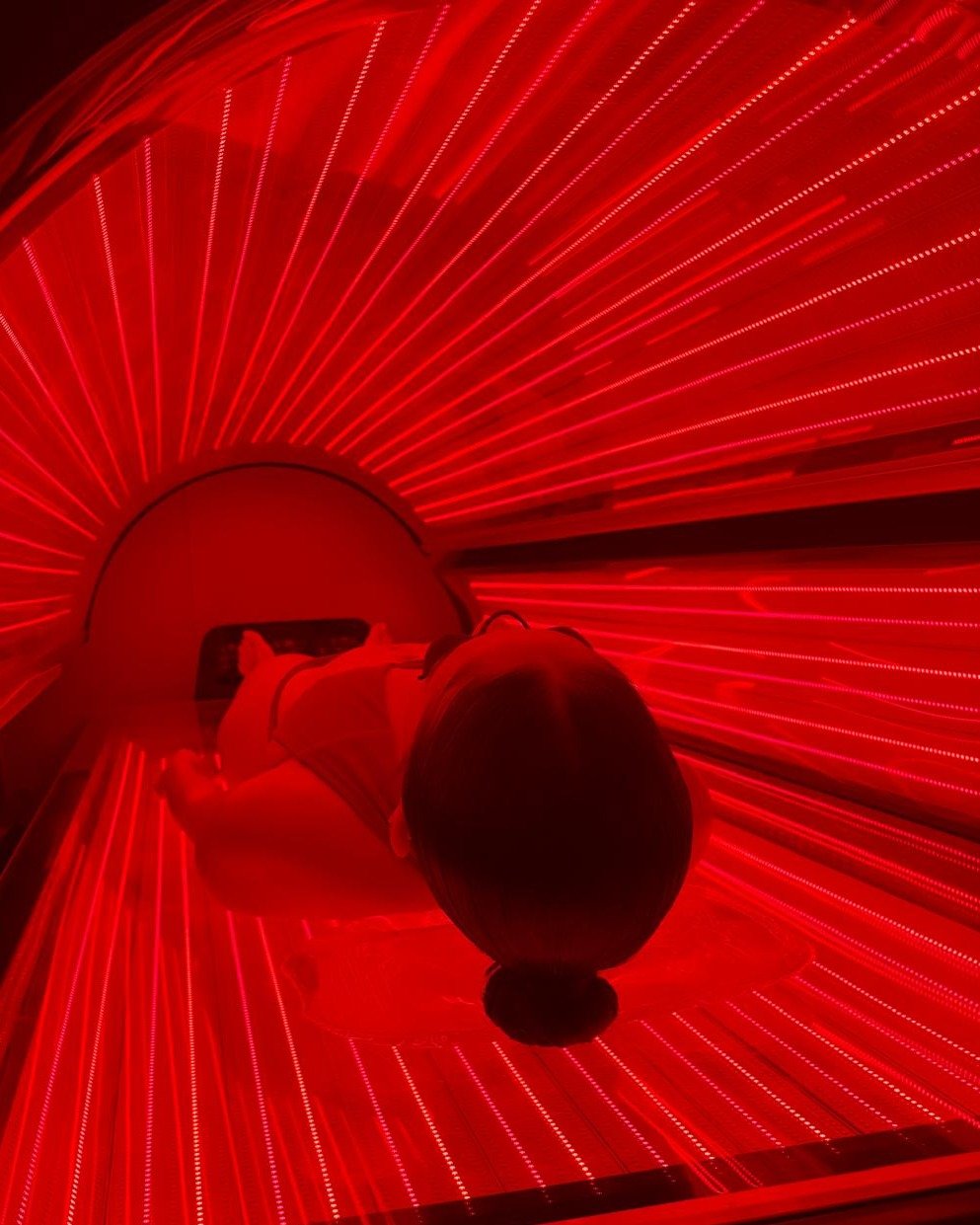
Lying on a red light therapy bed provides a comprehensive, non-invasive systemic treatment that utilizes specific wavelengths of red and near-infrared light to stimulate cellular energy production, drastically reduce bodily inflammation, and accelerate the natural repair of tissues and skin.
Red light therapy acts as a bio-energetic boost for your body, functioning primarily by stimulating the mitochondria—the “power plants” within your cells—to produce more energy in the form of Adenosine Triphosphate (ATP). When your cells have more energy, they function more efficiently
If you are curious about the timeline for seeing tangible improvements from red light therapy, the answer lies in understanding that this is a cumulative biological process, much like exercise or nutrition





 EN
EN EN_GB
EN_GB DE
DE EL
EL ES
ES UZ
UZ FR
FR IT
IT JA
JA CS
CS DA
DA DE_AT
DE_AT FI
FI ET
ET HR
HR FR_BE
FR_BE HU
HU KO
KO IS
IS KA
KA LT
LT NL
NL UK
UK TR
TR SV
SV SR
SR SL
SL SK
SK RU
RU RO
RO PT
PT NB
NB AR
AR CY
CY