




Introduction: The Rise of Red Light Therapy in Modern Health
In recent years, red light therapy has surged in popularity, moving beyond the realm of beauty treatments to become a comprehensive health tool. Also known as photobiomodulation (PBM), this non-invasive treatment is now recognized not only for its skin rejuvenating abilities but also for its role in enhancing overall health. Whether you’re looking to improve skin tone, reverse hair loss, or reduce chronic pain, red light therapy promises to deliver a holistic range of benefits.
Unlike many fleeting wellness trends, red light therapy is backed by substantial scientific research, making it a promising and sustainable treatment option. This article will explore the science behind red light therapy, its various health benefits, and how you can safely incorporate it into your daily routine for maximum results.

1. Understanding Red Light Therapy: What It Is and How It Works
Red light therapy, also known as photobiomodulation, involves exposing the body to low levels of red or near-infrared light. These wavelengths, typically ranging from 600 to 1000 nanometers, penetrate the skin and interact with cells at a deep level, initiating a series of biological processes that promote healing, reduce inflammation, and stimulate collagen production.
The treatment works by stimulating the mitochondria in cells, which are responsible for energy production. When the mitochondria absorb light energy, they become more efficient, leading to faster tissue repair, increased circulation, and a decrease in oxidative stress. This cellular response is what underpins the wide-ranging benefits of red light therapy.
Types of Red Light Therapy Devices:
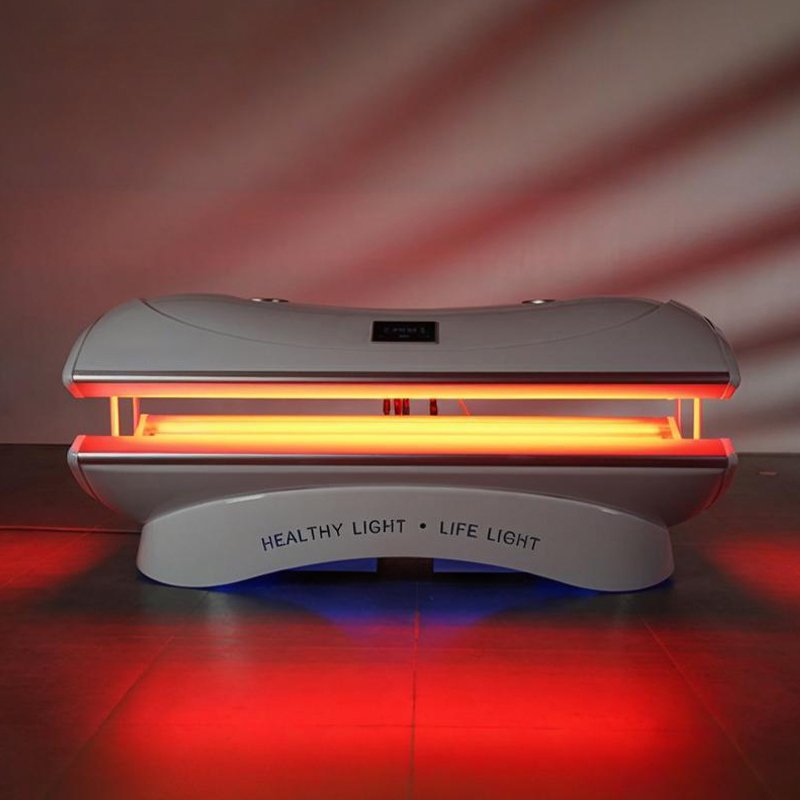
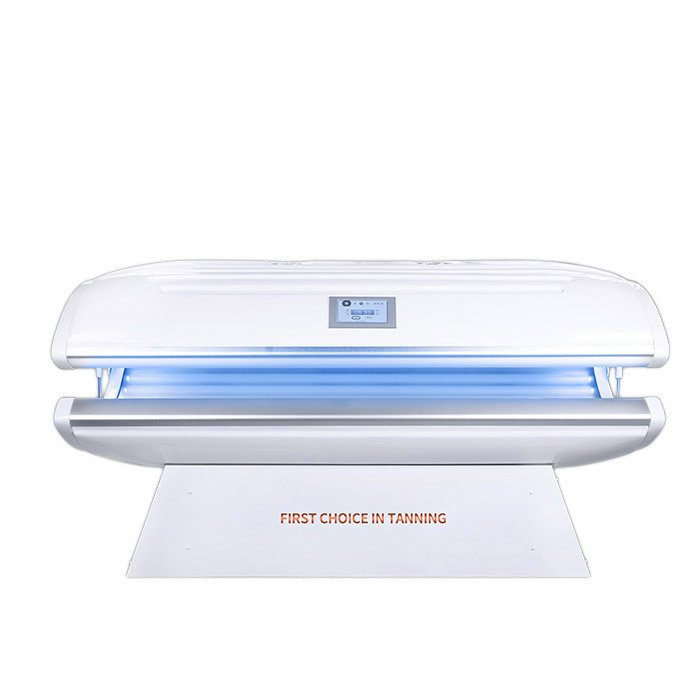
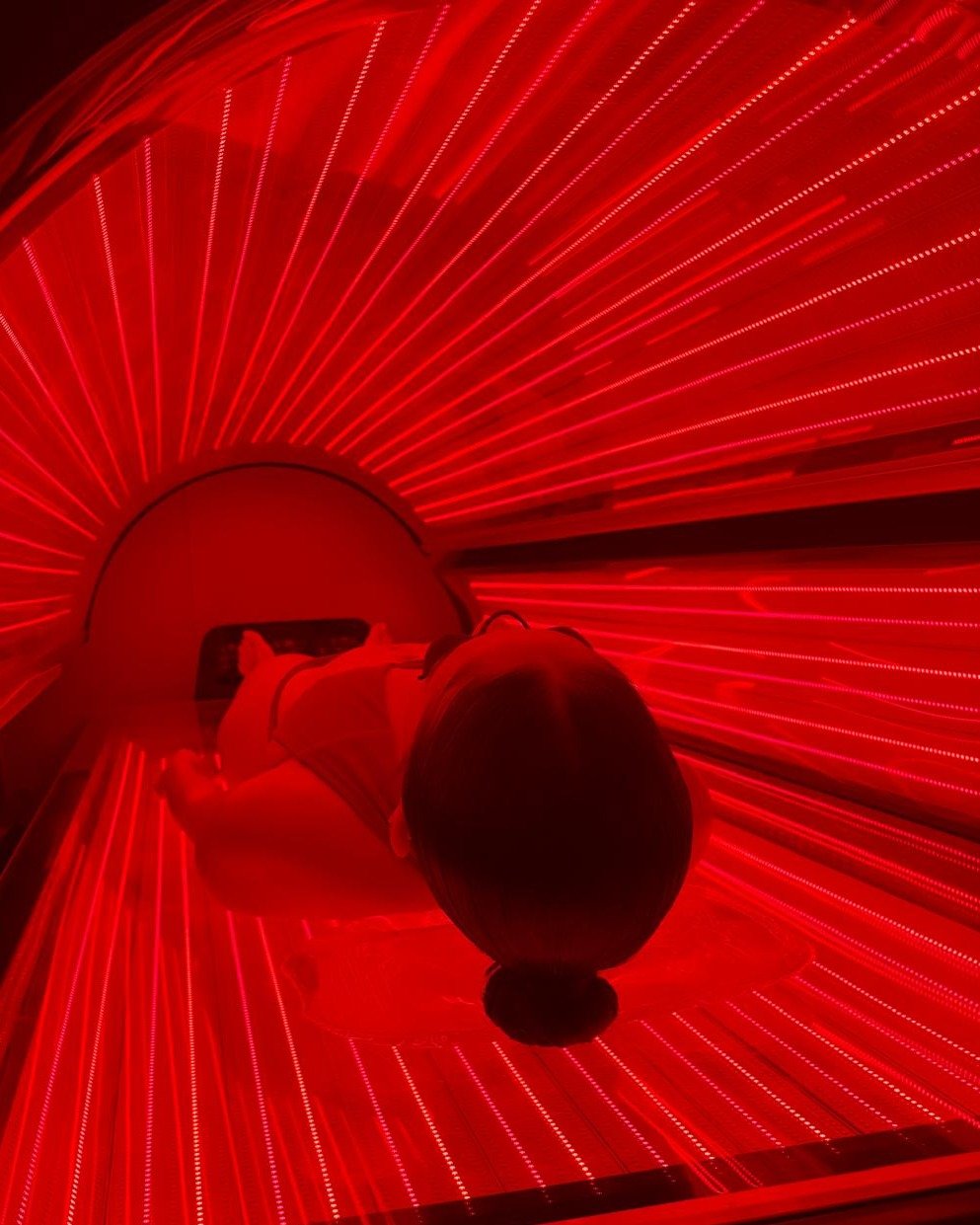
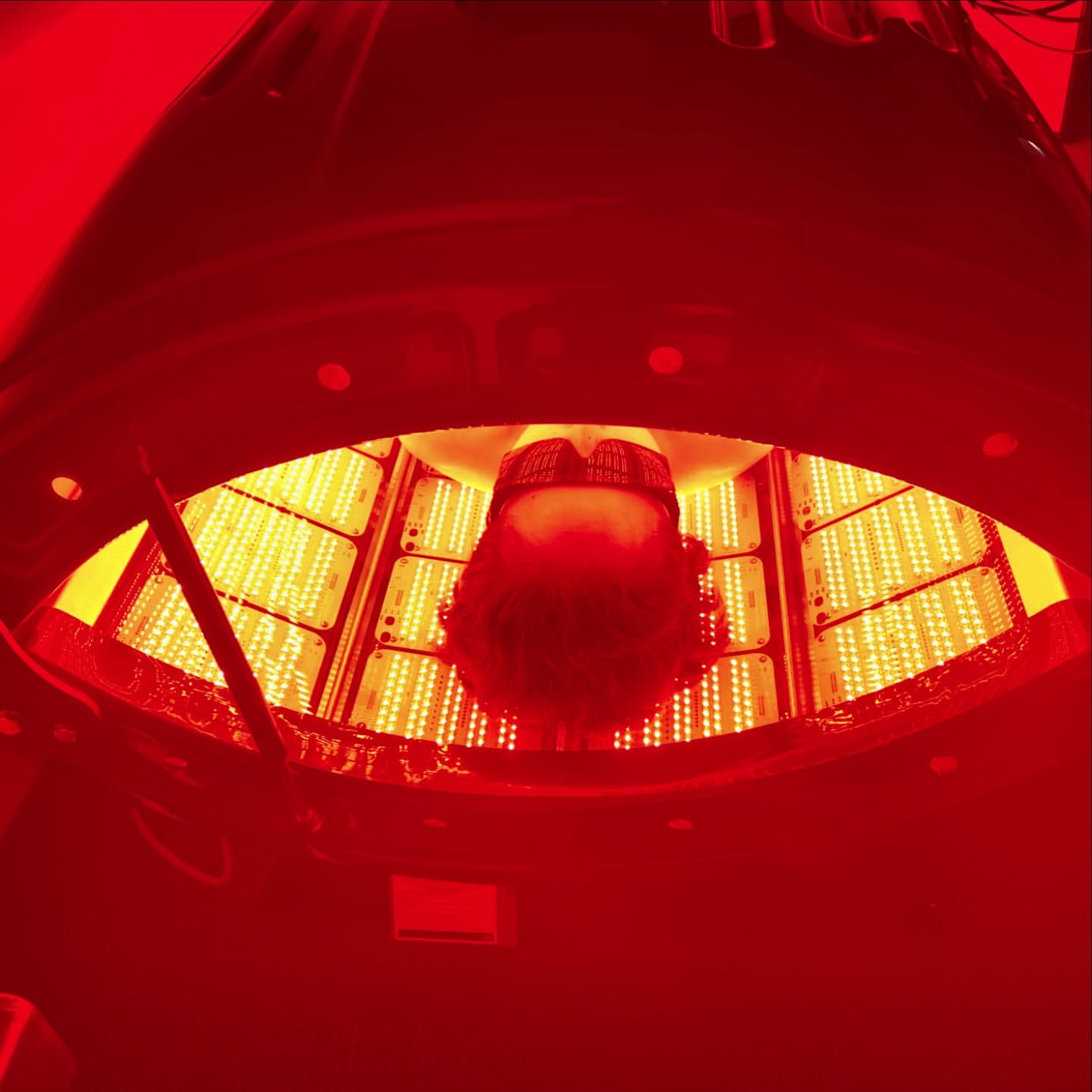
- Full-Body Beds: These beds, resembling tanning booths, expose the entire body to red and near-infrared light, providing an all-over healing effect.
- Facial Masks and Helmets: These devices target specific areas of the face or scalp, commonly used for skin rejuvenation and hair regrowth.
- Handheld Wands and Combs: Portable devices allow for precise, targeted treatment for localized pain or skin issues.
- Wall Panels and Standalone Units: These units are designed for home use or professional settings and can treat large areas like the back or chest.
Each device has its own unique benefits, making it essential to choose the one that fits your needs, whether you are targeting a specific area or looking for full-body exposure.
2. Proven Health Benefits of Red Light Therapy
While it may sound too good to be true, red light therapy offers a wide range of scientifically supported benefits. These benefits go beyond skin care to impact other areas of health, including cognitive function, pain relief, and muscle recovery. Below are the primary health benefits of red light therapy.
2.1. Reversing Signs of Aging
The most widely recognized benefit of red light therapy is its ability to combat visible signs of aging. Research has shown that consistent use of red light can improve skin texture, reduce wrinkles, and promote the production of collagen. Collagen is a protein that plays a crucial role in keeping the skin firm and youthful.
Devices designed for facial treatment, such as red light masks, are FDA-cleared for reducing fine lines, wrinkles, and sun damage. Clinical studies have shown that after several months of treatment, users see improvements in skin tone, texture, and elasticity. The anti-aging effects of red light therapy are particularly effective for treating:
- Fine lines and wrinkles
- Sun spots and pigmentation
- Loose or sagging skin
- Dry, dull skin
Not only do these results make red light therapy a popular treatment for anti-aging, but the effects can last even after therapy has concluded, as evidenced by studies where the benefits continued for up to a month after treatment cessation.
2.2. Stimulating Hair Regrowth
Another exciting benefit of red light therapy is its potential to encourage hair regrowth. Red light therapy is FDA-approved for treating androgenic alopecia, also known as male and female pattern baldness. The therapy works by stimulating dormant hair follicles and promoting increased blood flow to the scalp, thereby encouraging the growth of new hair.
Studies show that, with consistent use, patients experience not only regrowth but also an increase in hair thickness and length. Red light therapy has even been shown to work as effectively as conventional treatments such as minoxidil, a popular medication used for hair loss.
For individuals looking for a non-invasive treatment for hair thinning, red light therapy offers a promising solution. It is available through devices like:
- Red light helmets designed to fit over the head
- Handheld combs for easy, on-the-go treatment
- Scalp masks that provide direct light to hair follicles
2.3. Treating Acne and Skin Inflammation
Acne is another skin condition that benefits from red light therapy. Unlike other light-based treatments like blue light therapy (which kills acne-causing bacteria), red light targets inflammation, promotes healing, and reduces the redness associated with acne. It does this by stimulating the body’s natural healing process and accelerating tissue repair.
A study conducted on people with mild to severe acne found that regular red light therapy treatments resulted in:
- Significant reductions in oil production
- Improvement in the appearance of acne lesions
- A notable decrease in overall skin inflammation
By combining red light therapy with blue light therapy (photodynamic therapy or PDT), many individuals have experienced even more remarkable results, showing complete resolution of acne over time.
2.4. Improving Cognitive Function
Emerging studies suggest that red light therapy may be effective for improving brain health and cognitive function. This is particularly relevant for people with neurodegenerative conditions like Alzheimer’s and dementia. Red light exposure to the brain, through transcranial or intranasal application, appears to stimulate brain cells, increase blood circulation, and support neurogenesis (the growth of new neurons).
In one recent study, participants with early to moderate-stage dementia showed significant improvements in memory and cognitive function after eight weeks of daily red light therapy. These findings have led to further interest in how red light therapy might slow the progression of Alzheimer’s disease and improve overall brain health.
2.5. Alleviating Chronic Pain and Inflammation
Red light therapy has gained traction in the medical community for its ability to reduce pain and inflammation associated with conditions like arthritis, fibromyalgia, and chronic back pain. Studies suggest that the therapy works by decreasing oxidative stress, improving circulation, and reducing inflammatory markers in the body.
Patients suffering from chronic pain report feeling relief after just a few sessions of red light therapy. The treatment is also effective for post-surgical pain and recovery, helping individuals heal faster and with less discomfort.
3. Tips for Using Red Light Therapy Safely
While red light therapy is generally safe, there are a few precautions to keep in mind to ensure that you maximize its benefits and avoid potential side effects.
3.1. Consult with a Healthcare Provider
Before starting red light therapy, particularly if you have sensitive skin or a pre-existing medical condition, it’s a good idea to speak with a healthcare provider. This is especially important for people with darker skin tones, as red light therapy can sometimes cause hyperpigmentation if not used correctly.
3.2. Ensure Your Device is FDA-Cleared
When choosing a red light device for home use, make sure it’s FDA-cleared. FDA-cleared devices are tested for safety, although they may not necessarily be approved for effectiveness. Look for devices that specifically mention FDA clearance for the intended use.
3.3. Follow Instructions for Safe Usage
Different red light devices come with different instructions regarding usage duration and eye protection. Always read and follow the manufacturer’s guidelines to avoid overexposure. If you’re using red light therapy near the face, protect your eyes with appropriate eyewear to avoid potential damage.
4. Two Extra Features You Should Know About Red Light Therapy
4.1. Combining Red Light Therapy with Other Treatments
Red light therapy is even more effective when combined with other treatments. For example, combining red light with microneedling can improve collagen production and enhance skin regeneration. Similarly, when used alongside chemical peels, red light therapy can speed up recovery and improve overall skin texture.
4.2. Red Light Therapy for Athletic Recovery
Athletes have increasingly turned to red light therapy to accelerate recovery, especially for muscle soreness, joint pain, and inflammation. By reducing oxidative stress and improving circulation, red light therapy helps to rejuvenate tissues and ease muscle stiffness, enabling quicker recovery times between workouts or after intense athletic performances.
FAQs
Q1: How long does it take to see results from red light therapy?
Results can vary depending on the condition being treated. For skin rejuvenation, noticeable results may appear after 4-6 weeks of consistent use, while hair regrowth may take 3-6 months of regular therapy. Pain relief may be felt immediately, though long-term relief typically requires ongoing sessions.
Q2: Can I use red light therapy every day?
Yes, red light therapy can generally be used daily, but it’s important to follow the device’s instructions regarding treatment time. Overuse can sometimes cause minor skin irritation or eye discomfort, so balance is key.
Q3: Is red light therapy safe for all skin types?
Red light therapy is generally safe for all skin types. However, people with darker skin tones should be cautious, as they may be more prone to hyperpigmentation. It’s best to consult with a dermatologist before starting treatment.
Conclusion: Is Red Light Therapy Right for You?
Red light therapy offers a wide range of benefits for both cosmetic and medical purposes, making it a versatile and valuable addition to many health routines. Whether you’re seeking to reduce signs of aging, stimulate hair regrowth, alleviate chronic pain, or improve cognitive function, this scientifically proven treatment could be the solution you’ve been looking for.
With consistent use, red light therapy can help you achieve lasting results without the need for invasive procedures or harmful chemicals. Always ensure that you’re using FDA-cleared devices and consult with a healthcare provider if you have any concerns. By integrating red light therapy into your wellness routine, you can unlock its full potential and experience the myriad benefits it has to offer.

 EN
EN EN_GB
EN_GB DE
DE EL
EL ES
ES UZ
UZ FR
FR IT
IT JA
JA CS
CS DA
DA DE_AT
DE_AT FI
FI ET
ET HR
HR FR_BE
FR_BE HU
HU KO
KO IS
IS KA
KA LT
LT NL
NL UK
UK TR
TR SV
SV SR
SR SL
SL SK
SK RU
RU RO
RO PT
PT NB
NB AR
AR CY
CY