


Introduction: A Bright New Approach to Healing and Wellness
Imagine a therapy that uses gentle beams of red light—not harsh lasers or ultraviolet rays—to penetrate your skin and encourage cells to heal faster, reduce pain, and restore your appearance. That’s the promise of red-light therapy, and a red-light therapy bed is one of the more immersive ways to get the full-body benefits of this approach. In this article, we’ll dive deep into what a red-light therapy bed is, how it works, what it’s good for (and what it isn’t), safety considerations, usage guidelines, and much more. We’ll also introduce you to two additional features that are becoming popular in next-generation red-light beds: dynamic wavelength modulation and integrated vibration/heat therapy, and answer key frequently asked questions. By the end, you should have a comprehensive, up-to-date understanding of what a red-light therapy bed can and cannot do.

Section 1: Understanding Red-Light Therapy
What Is Red-Light Therapy?
Red-light therapy (sometimes shortened as RLT) refers to the use of light in the red and near-infrared wavelengths (typically between about 600 and 1,000 nanometers) to stimulate biological effects in the body. Because these wavelengths penetrate deeper than visible light, they can interact with mitochondria (the powerhouses of cells) and encourage increased cellular energy production, better repair, and improved function.
This therapy is also often called by several alternative names: low-level laser therapy (LLLT), low-power laser therapy, photobiomodulation, or low-level light therapy. All of these point to the same fundamental idea: using non-thermal (i.e., low heat) light to help cells function better, rather than to burn or ablate tissue.
How Does Red-Light Therapy Work on a Cellular Level?
The underlying mechanism involves mitochondria, the organelles in cells responsible for producing adenosine triphosphate (ATP), which is the basic “energy currency” for most cellular processes. When red or near-infrared light hits these cells, it is absorbed by chromophores (light-absorbing molecules) in mitochondria, stimulating them to produce more ATP. With more energy, cells are better equipped to carry out repair, reduction of oxidative stress, regulation of inflammation, and regeneration.
In short: the red light provides a gentle “boost” to cellular metabolism, which in turn can enhance recovery, reduce damage, and improve tissue function.
One of the key advantages is that red-light therapy does not rely on heat or ultraviolet radiation. Instead, it is a nonthermal modality, meaning it does not produce significant heating or burning of skin tissues, and it avoids the DNA-damaging UV that is implicated in skin cancer.
Forms of Red-Light Therapy Devices
There are several ways to deliver red-light therapy, each suited to different targets or treatment needs:
- Red-light therapy mask / facial device: A mask that fits over the face with built-in LEDs, designed for short, repeated sessions to treat acne, wrinkles, pigmentation, and other facial concerns.
- Red-light therapy panel / panel arrays: Flat LED panels (small or large) that can be mounted on a wall or placed on a table, used for targeting specific zones or whole-body exposures depending on their size.
- Red-light therapy wand / hand-held device: A small, portable tool with LEDs at one end. You move it across localized areas (e.g., scars, joints, small muscle groups).
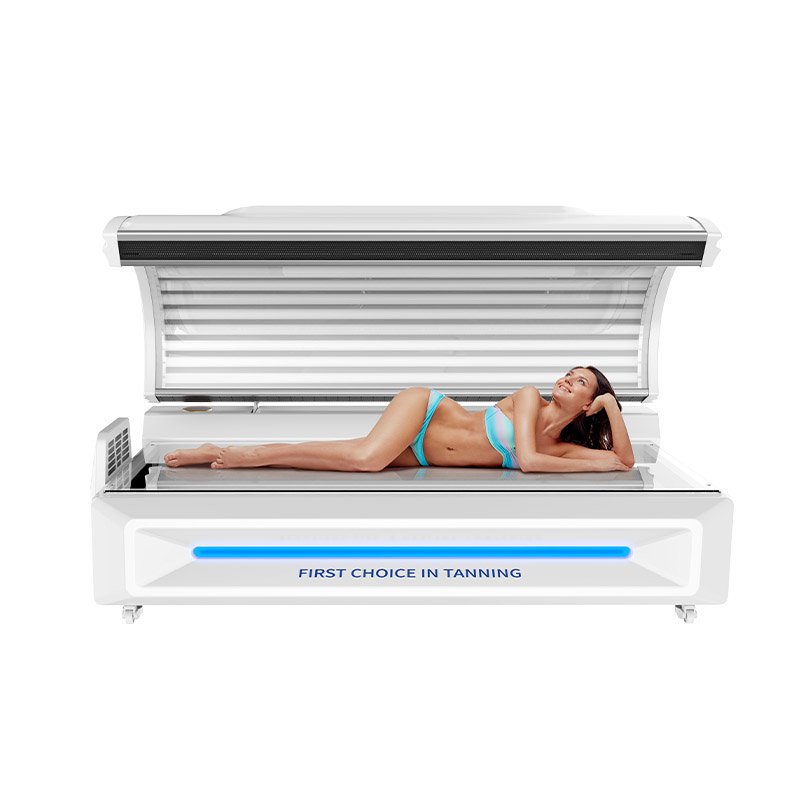
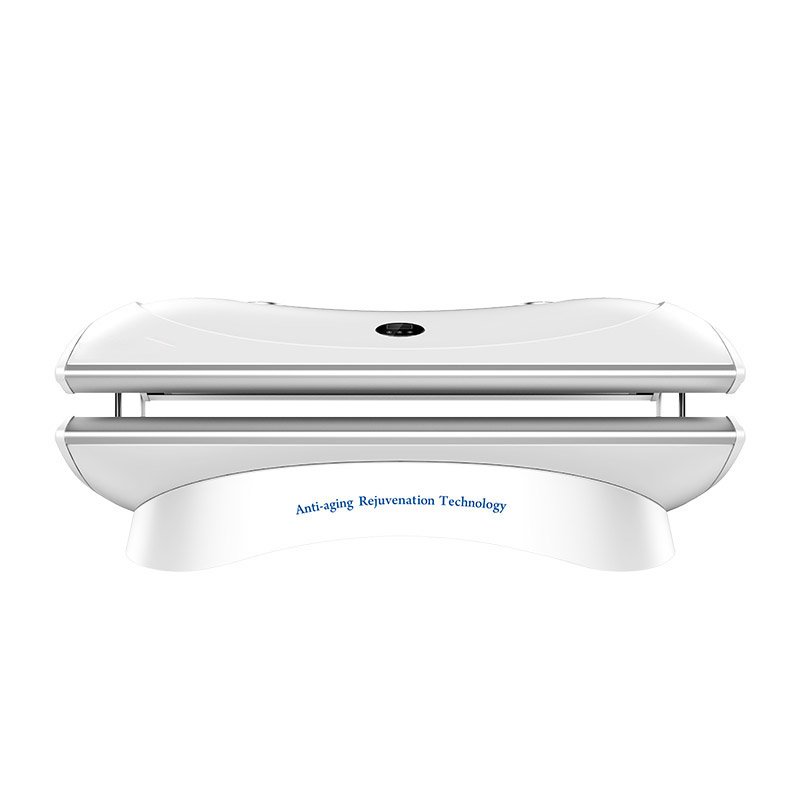
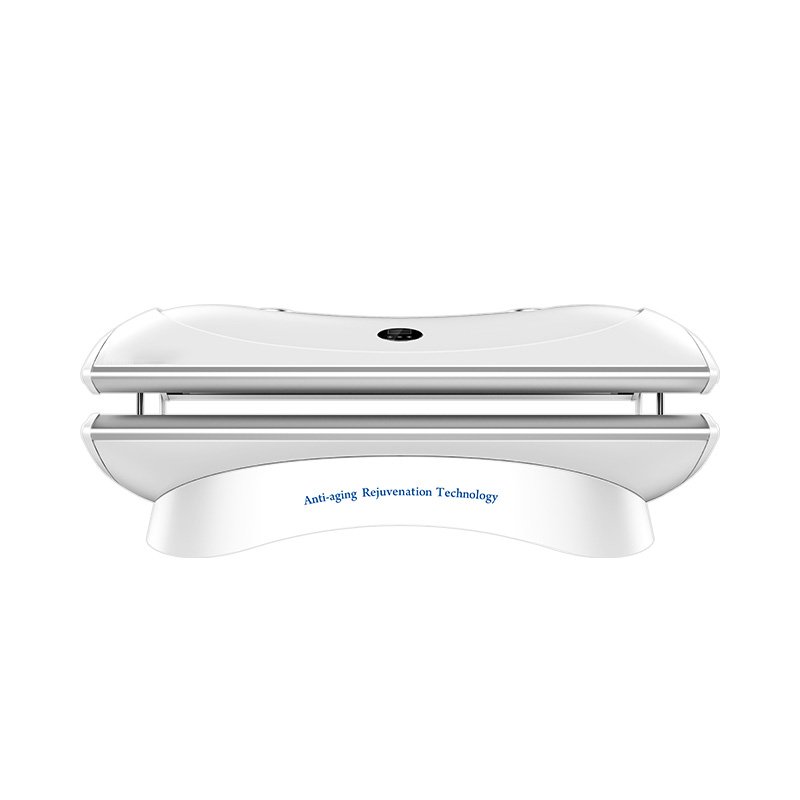
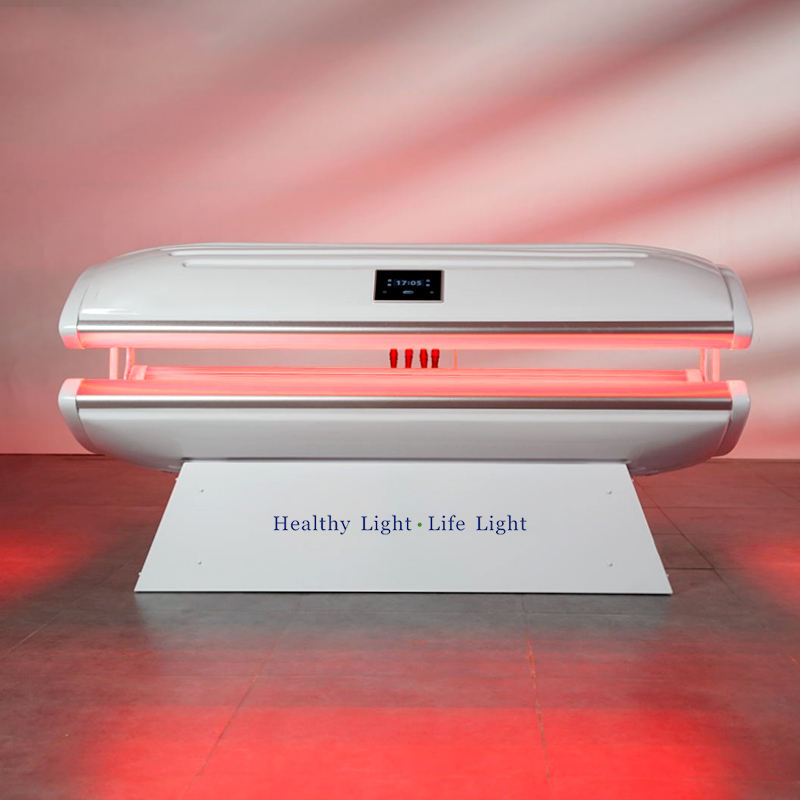
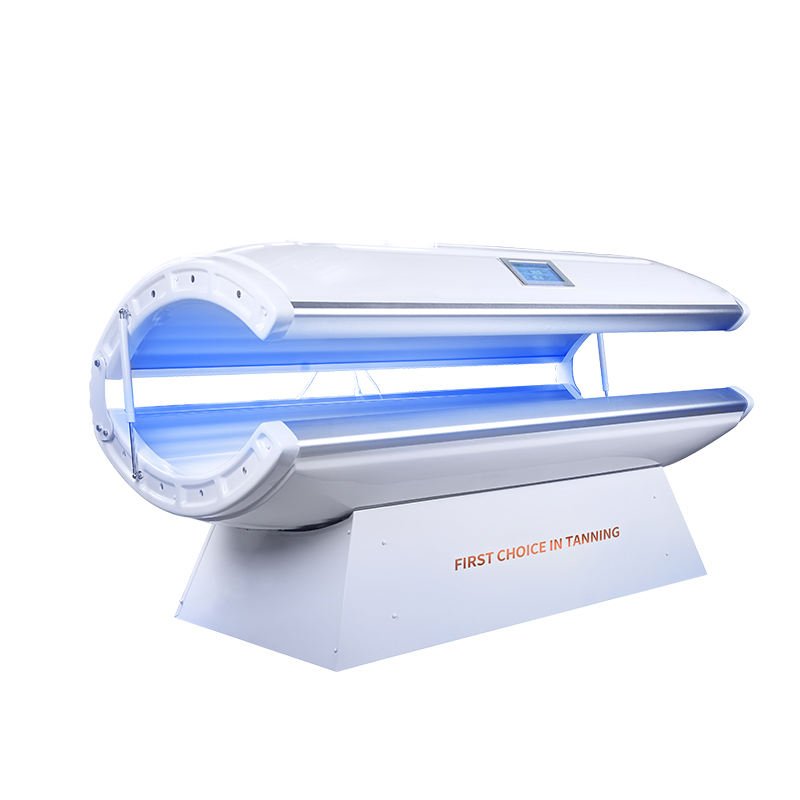
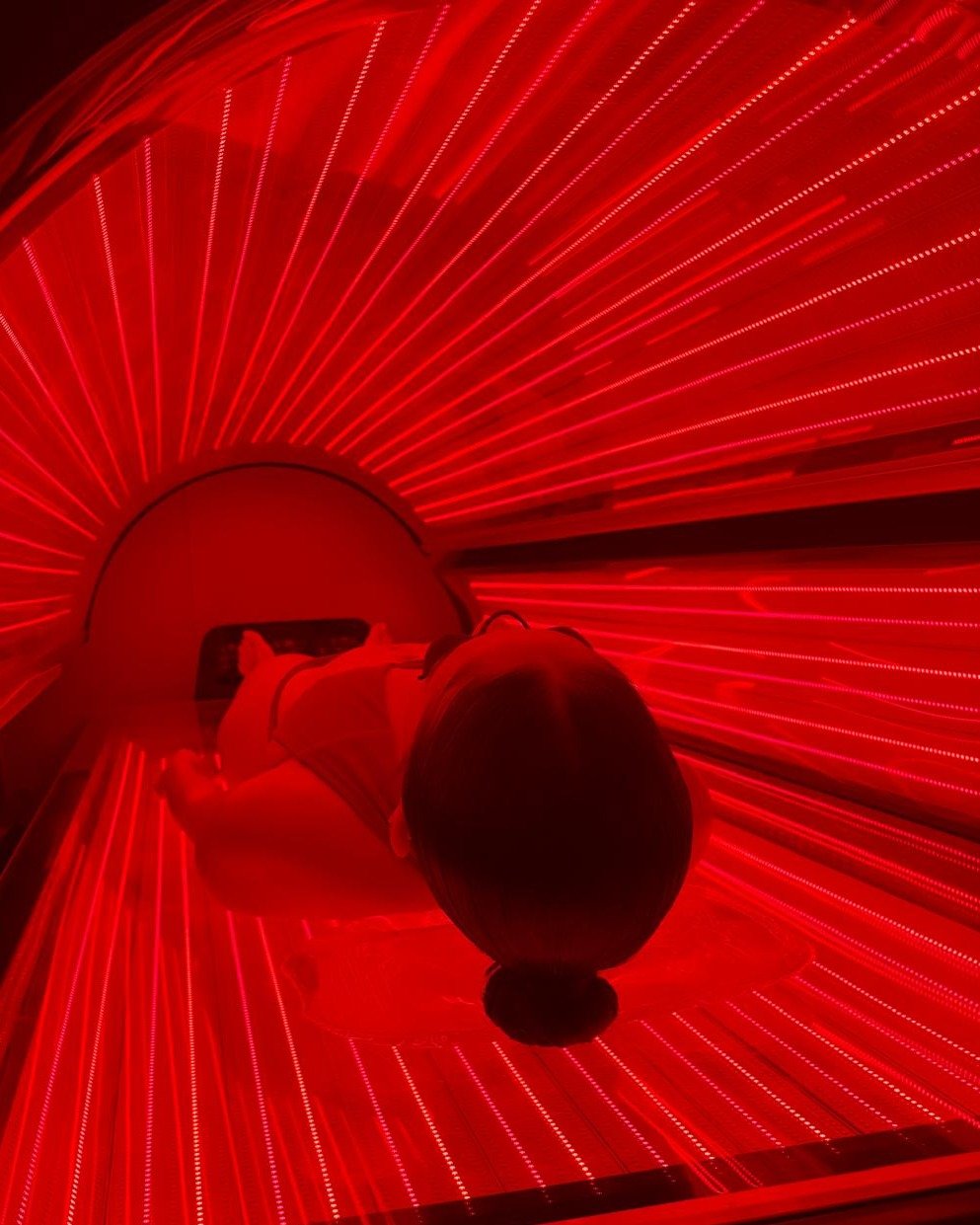
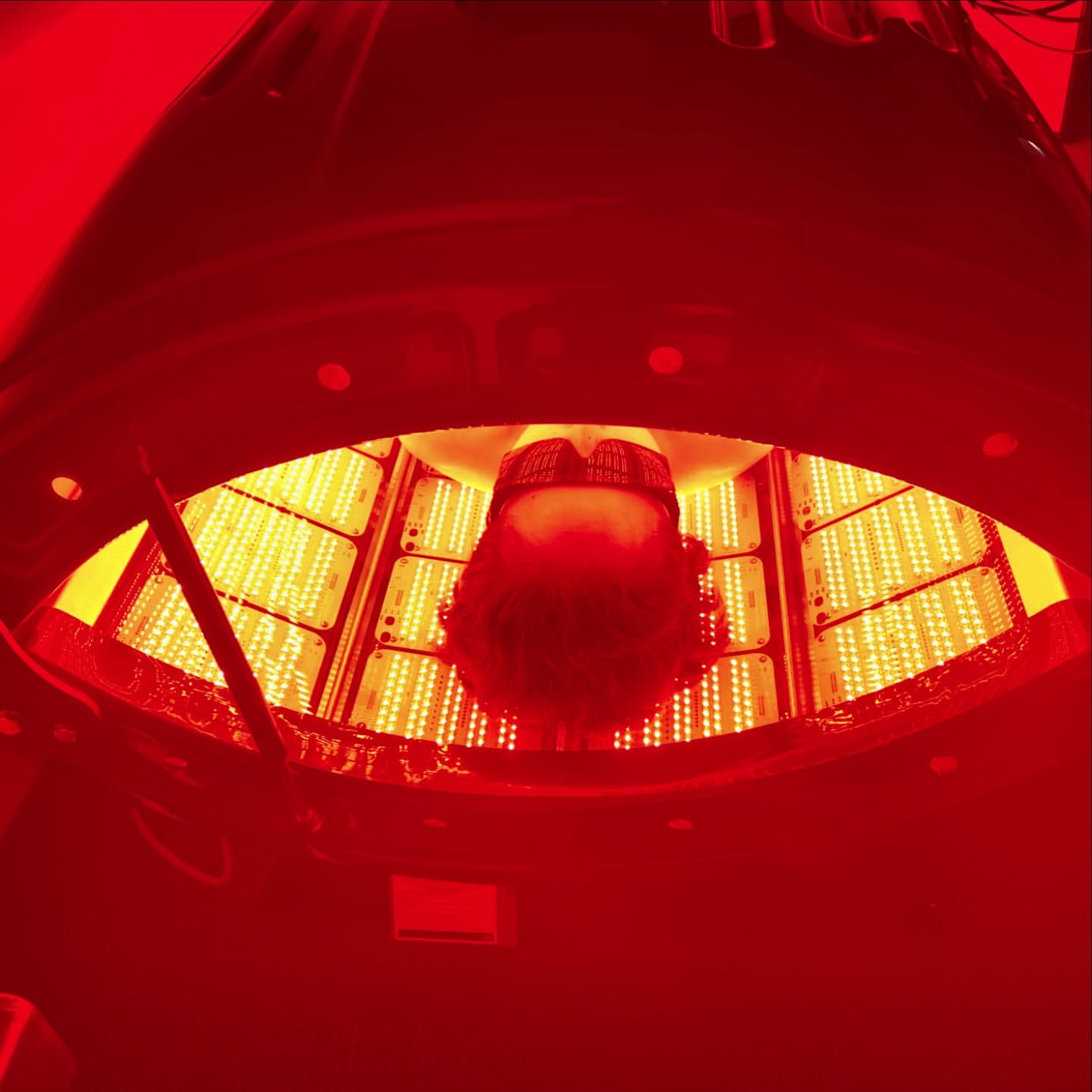
- Red-light therapy bed / booth: A full-body chamber resembling a tanning bed, equipped with red and near-infrared LED bars all around, so the user lies down and receives full-body light exposure simultaneously.
While home devices (masks, panels, wands) are often more accessible, they tend to be less powerful than the machines found in clinics, which means results can take longer to show—but they are also safer and more convenient for regular use.
Section 2: What a Red-Light Therapy Bed Helps With
Below is a comprehensive overview of the conditions and situations for which a red-light therapy bed may offer benefits. Some are well supported by research, others are emerging. In every case, further studies are needed to fully validate and optimize treatment protocols.
1. Skin Health, Aging, and Rejuvenation
One of the most commonly cited benefits is improved skin appearance and vitality.
- Wrinkles, fine lines, and skin texture: Red-light therapy stimulates collagen and elastin — proteins that give skin its structure and elasticity. With time, this can translate into smoother, firmer skin and reduced signs of aging.
- Sun damage and pigmentation: Because red light can enhance repair mechanisms and modulate oxidative stress, it may improve signs of photodamage like sun spots, discoloration, and uneven tone.
- Scars and stretch marks: Red-light therapy may help remodel collagen and promote tissue repair, thereby softening scar tissue and reducing the visibility of stretch marks over time.
2. Acne and Acne Scarring
Red-light therapy has anti-inflammatory properties, which can help calm active acne lesions, reduce redness, and support healing. Some devices combine red and blue light to target bacteria as well. Over time, red-light therapy may also help reduce the appearance of acne scars by supporting healthy remodelling of tissue.
3. Pain Relief and Inflammation Reduction
A substantial body of research has focused on pain and inflammation. Red-light therapy is thought to reduce inflammatory mediators, modulate signaling pathways, and improve circulation, which can lead to symptom relief.
- General inflammatory pain: Studies have shown promise for conditions characterized by tissue inflammation.
- Temporomandibular joint dysfunction (TMD): Small trials suggest red-light treatment may reduce jaw pain, clicking, and tenderness.
- Arthritis (especially rheumatoid arthritis): For some patients, red-light therapy has been found to reduce morning stiffness, joint pain, and swelling—but evidence is more robust for rheumatoid arthritis than for degenerative osteoarthritis.
- Tendinopathy / tendon issues: Some research (e.g., systematic reviews of clinical trials) suggests red-light therapy can improve function and reduce pain in tendinopathies.
4. Hair Growth and Hair Health
One of the more exciting and tangible uses is hair restoration. For conditions like androgenetic alopecia (pattern hair loss), red-light therapy (especially in comb or helmet form) has been investigated and shown encouraging results. Studies suggest:
- Improved hair density / count
- Increased hair shaft thickness
- Extended growth phases of hair follicles
When used in a full-body red-light bed, the scalp also receives exposure, which may support concurrent benefits.
5. Wound Healing and Postoperative Recovery
Because red-light therapy promotes cell repair, circulation, and anti-inflammatory processes, it may support wound healing and improved recovery following surgeries, burns, or skin injuries. Some clinical trials and animal studies support more rapid closure of wounds and improved tissue quality when red light is used adjunctively.
6. Joint & Muscle Recovery, Sports Applications
Athletes and active people may use red-light therapy for:
- Post-exercise recovery: Red light may help reduce muscle soreness, speed up repair of microtears, and improve functional recovery.
- Joint recovery: For stresses to joints (knees, shoulders, etc.), red light can reduce inflammation, support cartilage health, and relieve pain.
7. Mood, Sleep, and Cognitive Function (Emerging Evidence)
While this area is less established, some early studies suggest:
- Dementia / cognitive decline: A 2021 review of 10 studies found potential benefits in memory, sleep, and emotional regulation in people with dementia when light therapy was applied to the brain (e.g., via transcranial and intranasal approaches). However, the authors caution that many of the studies had small sample sizes and lacked rigorous controls.
- Sleep quality / circadian effects: Light exposure in the red / near-infrared spectrum can influence biological rhythms and neurochemical regulation, hinting at indirect benefits to sleep and mood.
These applications remain exploratory and require more large-scale, controlled trials.
8. Body Contouring / Temporary Fat Reduction (Feature: Dynamic Wavelength Modulation)
Some clinics and device manufacturers now offer dynamic wavelength modulation in red-light beds. This means the device automatically shifts between multiple red and near-infrared wavelengths during a session to target fat cells, stimulate lipolysis, and enhance contouring. While this is not a weight-loss method per se, it may reduce the circumference of specific areas (e.g., abdomen, thighs) temporarily by inducing microscopic changes in fat cell membranes or fluid dynamics.
9. Integrated Vibration / Heat Therapy (Feature: Combined Modality Enhancement)
Another evolving feature is the integration of vibration and gentle heat into red-light therapy beds. The idea is that mild vibration can improve circulation and lymphatic drainage, while low-level heating can help tissues become more receptive to the light, enhancing penetration and metabolic response. This combined modality may enhance results in muscle recovery, cellulite reduction, and comfort during sessions.
Section 3: How a Red-Light Therapy Bed Works — Step by Step
What Happens During a Session?
Here is a general outline of what a session in a red-light therapy bed looks like:
- Preparation
- Remove reflective or metallic jewelry, and clothing on the areas to be treated (you may wear underwear or a gown).
- Put on protective eyewear or goggles (many systems require this to avoid eye exposure).
- Cleanse the skin lightly so it is free of heavy lotions, oils, or makeup that might block light.
- Entry & Positioning
- Lie down on the bed, similar to a tanning bed.
- Proper alignment ensures all surfaces to be treated are evenly exposed.
- Some beds offer adjustable panels or tilting supports to ensure coverage of underarms, sides, and limbs.
- Treatment Duration
- Sessions typically last from 5 to 20 minutes, depending on device strength, distance, and target tissue.
- During the session, the LEDs emit red and near-infrared light wavelengths.
- In advanced beds, dynamic modulation may vary which wavelengths are emitted at different periods.
- Optional Features
- The unit may also provide gentle vibration or low-level heating.
- Some beds may incorporate pulsed modes (on/off cycles) to reduce tissue adaptation and enhance cellular response.
- End of Session & Aftercare
- After the cycle ends, exit the bed and rehydrate with water.
- Avoid applying heavy emollients immediately; wait for a short period to allow tissues to benefit from the light.
- Some patients follow up with antioxidant serums or gentle moisturizers to complement the therapy.
Dose, Distance, and Frequency Considerations
The effectiveness of red-light therapy depends on several key variables:
- Irradiance / light intensity (mW/cm²)
- Wavelength(s) used (typically 600–1,000 nm range)
- Distance from the source (closer means stronger effect, but also a higher risk of overexposure)
- Session duration
- Frequency (how many times per week or month)
Clinics generally calibrate their devices to achieve optimal irradiance at a safe distance for maximum benefit. Home users may need to adjust spacing or reduce exposure time. The goal is to deliver an effective but non-damaging dose of photons to cells.
Section 4: Evidence & Research — What the Studies Show (and Don’t)
While red-light therapy has garnered much attention, it is essential to ground expectations in the current state of scientific evidence. Below is a breakdown of what is supported by research, what is still speculative, and where gaps remain.
Strength of Evidence by Application
| Application | Level of Evidence* | Summary of Findings | Key Limitations / Caveats |
|---|---|---|---|
| Skin rejuvenation, wrinkles | Moderate | Many clinical trials show reduction in fine lines, improved texture, better skin tone | Variability in devices, protocols, and outcome measures |
| Acne treatment | Moderate | Clearer lesions, reduced redness, fewer breakouts in many studies | Best when combined with other modalities; results modest |
| Hair regrowth / alopecia | Moderate to promising | Improved hair density and thickness in controlled trials | Long-term effects and comparison to standard treatments still under study |
| Pain / inflammation (MSK pain) | Moderate | Many trials show pain reduction, improved function, especially for localized inflammation | Some trials are small or lack long-term follow-up |
| Arthritis & joint issues | Mixed to moderate | Benefits seen mostly in rheumatoid arthritis; limited effect seen in osteoarthritis | Heterogeneous protocols make comparisons tricky |
| Tendinopathy | Moderate | Several studies show pain relief and higher functional scores | Best evidence is for lower-limb tendinopathies; dosage optimization needed |
| Wound healing / recovery | Promising | Faster closure, improved tissue quality in animal and small human trials | Larger clinical trials needed |
| Dementia / cognitive support | Exploratory / low-to-moderate | Some positive early findings in small trials | Requires rigorous, larger trials to draw any firm conclusions |
| Body contouring / fat reduction | Emerging / experimental | Some data show transient reduction in circumference | Effects are likely temporary; not a substitute for weight loss |
* “Level of Evidence” means the current strength of clinical trials, reviews, and meta-analyses for that application.
Key Observations & Notes
- Many positive results come from short-term, small-sample studies.
- Protocols (wavelengths, intensity, session length) vary widely, making direct comparisons difficult.
- Some trials lack adequate controls (placebo/sham) or long-term follow-up.
- Devices used in clinical research are often far more powerful than consumer-grade devices, so results may not scale linearly.
- While adverse events are rare, improper dosing—especially with stronger devices—can lead to skin irritation or burns.
What the Research Doesn’t (Yet) Support
- Significant, sustained weight loss: Red-light therapy may change local circumference or fluid dynamics, but it has not been shown to cause meaningful fat loss or calorie burning.
- Cure for serious diseases: Though early research explores neurodegenerative conditions and systemic diseases, red light is not a standalone cure and should be viewed as adjunctive.
- Guaranteed regeneration: Not every tissue or injury will fully regenerate simply by shining light; structural damage or deep-seated disease may require more intensive intervention.
Section 5: Safety, Risks, and Contraindications
General Safety Profile
Red-light therapy is considered relatively safe when used correctly. Because it uses low power and non-UV light, the risk of DNA damage or carcinogenesis is considered minimal. However, several precautions are necessary to avoid complications.
Possible Side Effects and Risks
- Skin redness, irritation, or blistering: At higher intensities or prolonged exposure, tissue irritation may occur. One early trial noted blistering at too high LED levels.
- Eye damage: Direct exposure of the eyes to high-intensity red or near-infrared light can pose risks—protective goggles are strongly recommended.
- Photosensitivity reactions: People taking medications that increase light sensitivity (e.g., certain antibiotics, retinoids, chemotherapy agents, or photosensitizing dermatologic drugs) may have increased risk of adverse effects.
- Overheating or discomfort: Though red-light therapy is nonthermal, adjacent heating or prolonged exposure may cause discomfort.
Is There a Cancer Risk?
No credible evidence demonstrates that red-light therapy causes cancer. Because it does not use ultraviolet (UV) wavelengths—which are known DNA-damaging agents—its mechanism of action does not inherently carry the same risks as tanning booths or sun exposure.

Use During Pregnancy & Other Special Cases
- Pregnancy: There is limited but somewhat reassuring data. One study of 380 pregnant women who used certain forms of light/laser therapy during pregnancy found no adverse effects on mothers or fetuses. However, data specific to full-body red-light beds is still sparse, so caution is advised.
- Children or minors: Safety is not fully established, especially for growing tissues. Consultation with a pediatric specialist is recommended.
- History of cancer or skin disease: Those with a personal history of skin cancer or active lesions should consult an oncologist or dermatologist before using red-light therapy.
- Photosensitivity / autoimmune conditions: Certain autoimmune or photodermatosis conditions may make red-light exposure more risky; medical supervision is prudent.
Contraindications & Precautions
- Use protective eyewear during treatments
- Start with conservative (lower intensity, shorter duration) protocols
- Do not use over open wounds without medical guidance
- Discontinue use if skin irritation, burning, blistering, or other adverse symptoms develop
- Inform your doctor of all medications, supplements, or health conditions before initiating treatment
Section 6: Practical Guidance — What to Expect & How to Use It
Choosing a Red-Light Therapy Bed (In Clinic or Spa)
If you’re considering undergoing treatments at a professional facility, here are some criteria to look for:
- Wavelength range and irradiance: Confirm the bed emits red + near-infrared wavelengths in a therapeutic range (e.g., 630–850 nm) with sufficient intensity.
- Uniform coverage: The LED bars should be positioned to minimize “shadow zones” or underexposed regions.
- Pulse / modulation options: Ability to modulate or pulse the light for more dynamic exposure.
- Extra features: Vibration, heat, adjustable panels, cooling fans, or timed cycles.
- Safety certifications: The facility should follow recognized safety protocols and provide eye protection.
- Experienced staff and protocols: Seek facilities that tailor session length and frequency to your condition, rather than a one-size-fits-all approach.
Using a Red-Light Therapy Bed at Home
If you have access to a home red-light therapy bed, here are practical tips:
- Check FDA clearance or regulatory approval (where applicable) to confirm the device’s safety.
- Start slow: Use the lowest effective exposure time and gradually increase if no irritation occurs.
- Maintain consistent distance: Keep your body at the recommended distance from the light sources.
- Protect your eyes: Use goggles or shields supplied with the device.
- Monitor your skin: Look for signs of overexposure (redness, stinging, peeling) and adjust accordingly.
- Follow a schedule: For many conditions, treatments of 2 to 5 times per week for several weeks may be standard before tapering.
- Document progress: Keep photos, symptom logs, or measurements to track changes over time.
Typical Protocols (Examples)
| Condition | Typical Session Duration | Frequency | Notes |
|---|---|---|---|
| Skin / wrinkles | 8–15 minutes | 3–5× per week | Use closer distance for facial zones |
| Acne | 10–15 minutes | 3× per week | Combine with blue light if available |
| Joint / muscle pain | 10–20 minutes | 4–6× per week | Focus on affected area; may require multiple cycles |
| Hair regrowth | 15 minutes | 3–5× per week | Position head directly under LEDs |
| Body contouring | 10–20 minutes | 2–3× per week | May incorporate dynamic wavelength modulation |
These are illustrative; optimal timing and frequency should be individualized.
Section 7: Pros, Cons, and Realistic Expectations
Benefits & Advantages
- Noninvasive: No needles, chemicals, or surgery required.
- Low side-effect profile: When used correctly, adverse effects are rare.
- Whole-body coverage (with a bed): You can treat multiple areas in one session.
- Versatility: Potential applications for skin, pain, hair, recovery, and more.
- Adjunctive potential: Often used alongside other therapies (laser, micro-needling, medications) to augment results.
Potential Downsides & Limitations
- Cost: Professional bed sessions can be expensive (often $80+ per session) and home devices can be pricey.
- Time commitment: Benefits often accrue slowly—over weeks to months of repeated sessions.
- Modest effect size: Some improvements may be cosmetically subtle rather than dramatic.
- Device variability: Not all beds or home units are equal; inferior devices may yield weak results.
- Risk of overexposure: Misuse can lead to burns or eye injury (though rare).
- Not a remedy for every condition: Serious diseases, deep structural damage, or systemic conditions may require more intensive interventions.
Setting Realistic Expectations
- Don’t expect overnight miracles—changes usually accumulate slowly.
- Progress may plateau, and maintenance sessions may be necessary.
- Results are highly individual, depending on age, skin condition, depth of issue, overall health, and device quality.
- Use red light as part of a holistic approach—nutrition, sleep, exercise, skincare, and medical care all matter.
Section 8: Two Cutting-Edge Features to Watch (Expanded)
Feature 1: Dynamic Wavelength Modulation
Traditional red-light beds emit fixed wavelengths (e.g., 630 nm, 810 nm). The newer beds offer dynamic modulation, meaning the system cycles among several wavelengths or overlapping bands during treatment. The rationale is:
- Different wavelengths penetrate to different depths and target different chromophores.
- Cycling wavelengths can prevent cellular adaptation and maintain responsiveness.
- Some combinations may better engage adipocytes (fat cells) for contouring or enhance mixed-tissue healing.
As the technology matures, you may see beds that automatically adjust the ratio or sequence of red vs. near-infrared light depending on treatment goals (skin vs muscle vs fat).
Feature 2: Integrated Vibration + Heat + Lymphatic Stimulation
An emerging trend is to combine red-light therapy with vibration, gentle heating, and even lymphatic massage elements. These additions aim to:
- Enhance microcirculation and lymphatic flow, reducing stagnation and improving nutrient delivery.
- Warm tissue slightly to increase perfusion and relax muscles, making photonic absorption more efficient.
- Provide mechanical stimulus (vibration) that may synergize with light to enhance repair or breakdown of local deposits (e.g., cellulite).
- Improve user comfort and reduce perception of “dryness” or stiffness during sessions.
These hybrid systems represent a multi-modal approach that may maximize therapeutic benefit, though rigorous clinical evidence is still in early stages.
Section 9: Cost, Access, and Where to Get It
How Much Does It Cost?
The cost depends heavily on whether you’re visiting a clinic or investing in a home unit.
- Clinic or spa sessions: Commonly, each full-body red-light therapy session costs $80 or more. Some places offer packages or memberships to reduce per-session cost.
- Home red-light beds: High-quality units (especially full-body) can cost thousands of dollars. Smaller devices (masks, panels) are more affordable but limited in coverage.
- Maintenance costs: Occasional replacement of LED modules, goggles, or electrical components may be required.
Where to Find Red-Light Therapy Beds
- Medical clinics / dermatology practices: Some dermatologists or medical spas offer red-light treatment.
- Wellness centers / medspas: Often specialize in aesthetic and recovery services.
- Dedicated red-light clinics: Some businesses focus solely on light therapy, offering beds, panels, and protocols.
- Home purchase / rental: For personal use, you can buy or sometimes rent a bed or panel setup. Reading reviews and ensuring regulatory compliance is critical.
When selecting a clinic, ask about device specifications, session protocols, staff training, safety measures, and expected results.
Section 10: Case Studies & Anecdotal Examples
While large-scale studies are ongoing, many users and some small trials report compelling anecdotal and case-level outcomes. Here are a few illustrative examples (anonymized) to show real-world application:
- A middle-aged woman with mild wrinkles and sun damage used red-light therapy bed sessions 4 times per week for six weeks. She reported smoother texture, improved skin glow, and fading of some pigmentation spots.
- An amateur athlete with recurring knee pain used a red-light bed for 10 minutes daily over the knee area for two weeks. He reported reduced swelling, improved range of motion, and faster recovery post workouts.
- A person with mild androgenetic hair loss used full-body red-light bed twice a week while also using a topical hair growth solution. Over 3 months, she noted increased thickness and density in the frontal and crown scalp areas.
- A spa client seeking body contouring underwent sessions using a modulating red-light bed (600–850 nm) for 15 minutes per session, 3 times per week. Measurements showed a slight reduction in waist and thighs, though no change in weight.
These cases don’t replace controlled trials, but they illustrate how red-light beds are being used in practice.
Section 11: Tips for Maximizing Your Results
Here are best practices gleaned from research and real-world use:
- Consistency is key: Frequent, regular sessions often outperform sporadic use.
- Hydration and nutrition: Support cellular repair with antioxidants, protein, vitamins (e.g. C, E), and plenty of water.
- Pre-cleanse the skin: Remove sunscreen, oils, makeup—light should reach skin directly.
- Avoid overuse: More is not necessarily better; overexposure can blunt benefits or cause irritation.
- Synergistic therapies: Combine red light with micro-needling, microneedling peptides, vitamin C, or other dermatologist-backed treatments (per professional guidance).
- Monitor progress: Keep logs, photos, and measurements every few weeks to assess changes over time.
- Adapt protocol: If effects plateau, adjust duration, distance, or frequency.
- Follow safety precautions: Use eye protection, avoid photosensitizing substances, do not trespass device power limits.
Conclusion: Shedding Light on the Possibilities
Red-light therapy beds represent one of the most immersive and full-body ways to harness the therapeutic effects of red and near-infrared light. Though the science is still evolving, evidence suggests they may help with skin health, pain relief, hair growth, wound healing, joint recovery, and even body contouring when combined with innovative features like dynamic wavelength modulation and vibration/heat integration.
However, it’s important to approach red-light therapy realistically. It is not a miracle cure. The effectiveness depends heavily on the quality of the device, treatment protocol, individual’s health, and consistency of use. Safety precautions—especially eye protection and proper dosing—are essential.
If you’re considering using a red-light therapy bed (in a clinic or at home), consult with qualified professionals, follow recommended protocols, and monitor your progress. As research advances, we may see even more powerful and precise light therapies emerging, but for now, red-light beds offer a promising, noninvasive tool in the wellness and recovery toolbox.
Frequently Asked Questions (FAQs)
1. Who should avoid or use caution with red-light therapy beds?
People who are on medications that increase skin or eye sensitivity (e.g., retinoids, certain antibiotics, chemotherapy agents, photosensitizing drugs) should consult a physician before use. Anyone with a history of skin cancer, active skin lesions, eye disease, or a condition making them photosensitive should also seek medical advice first.
2. How many red-light therapy bed sessions will I need before seeing results?
This depends on what you’re treating, the strength of the device, and your individual biology. Some improvements (like skin glow or reduction in soreness) may appear after 2–4 weeks, while more structural changes (wrinkles, hair density, body contouring) may require 8–12 weeks or more of consistent use. Maintenance sessions afterward are often helpful.
3. Can you overdo red-light therapy?
Yes. While red-light therapy is relatively safe, using it at too high an intensity or for too long can lead to skin redness, irritation, blistering, or discomfort. Overexposure may also reduce the beneficial response. Always start with conservative settings and monitor your skin’s reaction.

 EN
EN EN_GB
EN_GB DE
DE EL
EL ES
ES UZ
UZ FR
FR IT
IT JA
JA CS
CS DA
DA DE_AT
DE_AT FI
FI ET
ET HR
HR FR_BE
FR_BE HU
HU KO
KO IS
IS KA
KA LT
LT NL
NL UK
UK TR
TR SV
SV SR
SR SL
SL SK
SK RU
RU RO
RO PT
PT NB
NB AR
AR CY
CY