



1. Introduction: The Rise of Red Light Therapy Tanning Beds
In recent years, the wellness and beauty industries have seen a surge in innovative treatments that promise to improve skin health, boost energy, and deliver a sense of well-being. One such trend that has gained significant traction is the use of commercial red light therapy tanning beds.
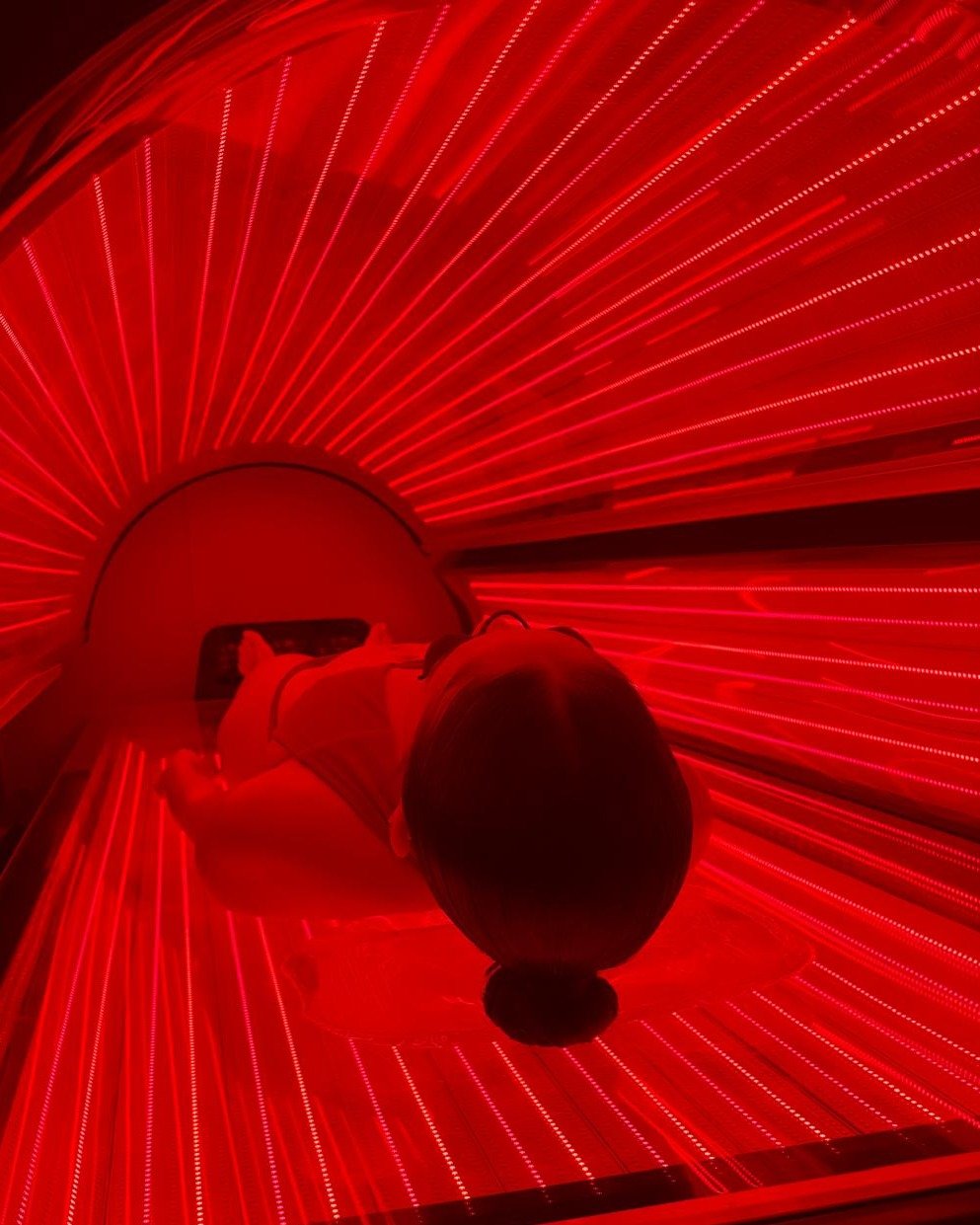
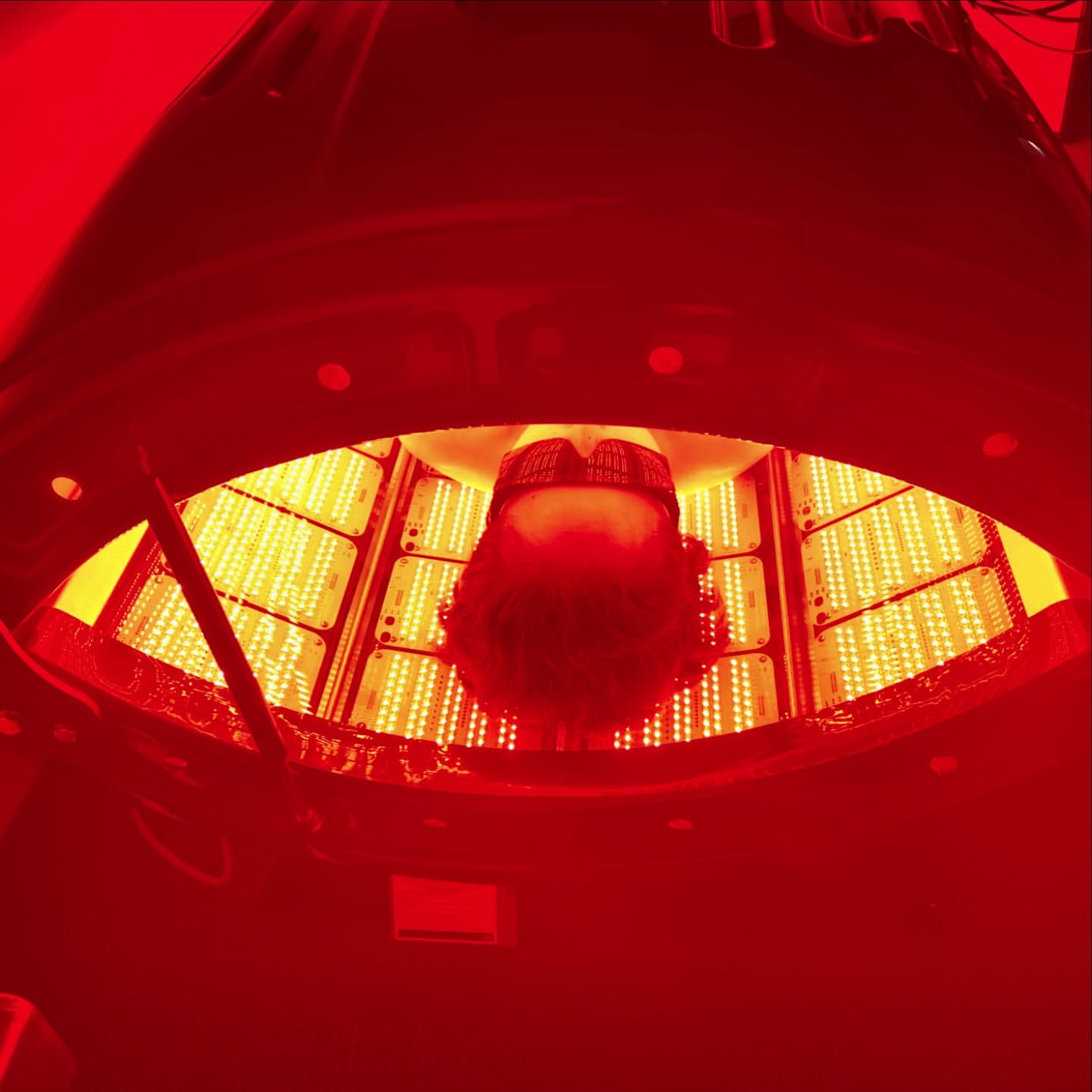
Despite their name, red light therapy tanning beds don’t actually tan your skin in the traditional sense. Instead, they expose the body to specific wavelengths of red and near-infrared light, which penetrate deep into the skin to stimulate cellular repair and rejuvenation. This technology is now a sought-after feature in spas, salons, and wellness centers worldwide.
In this comprehensive guide, we’ll unpack everything you need to know about these beds — how they work, their pros and cons, how they compare to other devices, and whether investing in one is worth it for you or your business. You’ll also find practical alternatives, extra tips, and clear answers to common questions.

2. Why Red Light Therapy Is Trending in Salons and Spas
Red light therapy has steadily evolved from a niche health hack to a mainstream beauty treatment. Articles about its benefits appear frequently in major publications like The New York Times and Vogue, and influencers often share their red light sessions online.
This growing buzz has inspired spas and salons to offer full-body red light beds alongside traditional tanning services. While people used to flock to salons for that bronze glow, many now visit to soak in the wellness perks of red light without risking sunburn or UV-related skin damage.
What makes these beds so popular? For one, the treatment is simple and non-invasive. Users simply lie back and relax for about 15–20 minutes while the bed’s light panels do the work. Many describe the experience as deeply calming — some even drift off to sleep during sessions.
This ‘hands-free’ treatment is easy to market: it feels like a tanning bed, minus the UV rays, but with numerous possible wellness benefits. For salons, it’s a practical addition that attracts clients looking for skin rejuvenation, anti-aging solutions, and general wellness.
3. How Red Light Therapy Beds Differ from Red Light Panels
One common question is how these large beds compare to red light panels — the vertical or portable devices often used at home. Let’s break down the key differences.
a) Size and Space Requirements
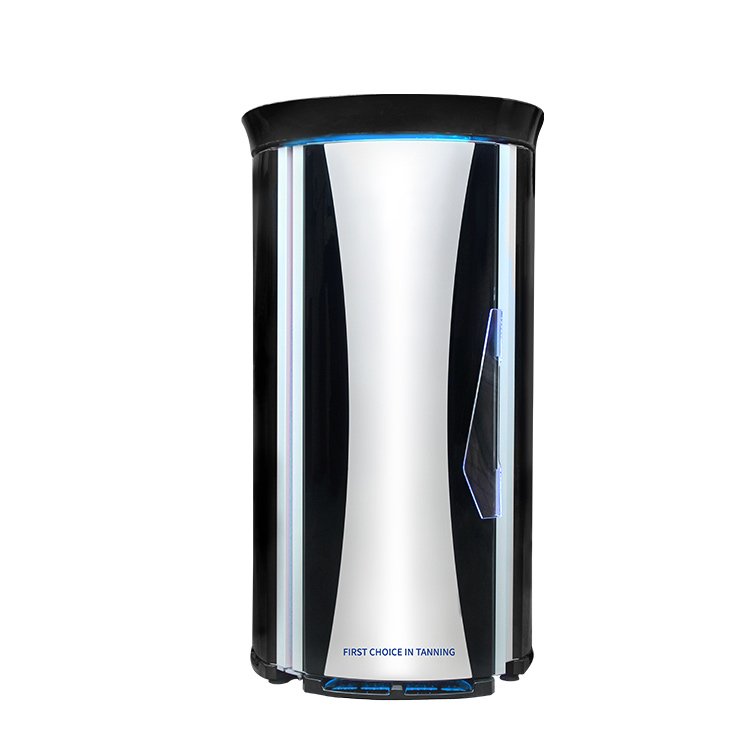
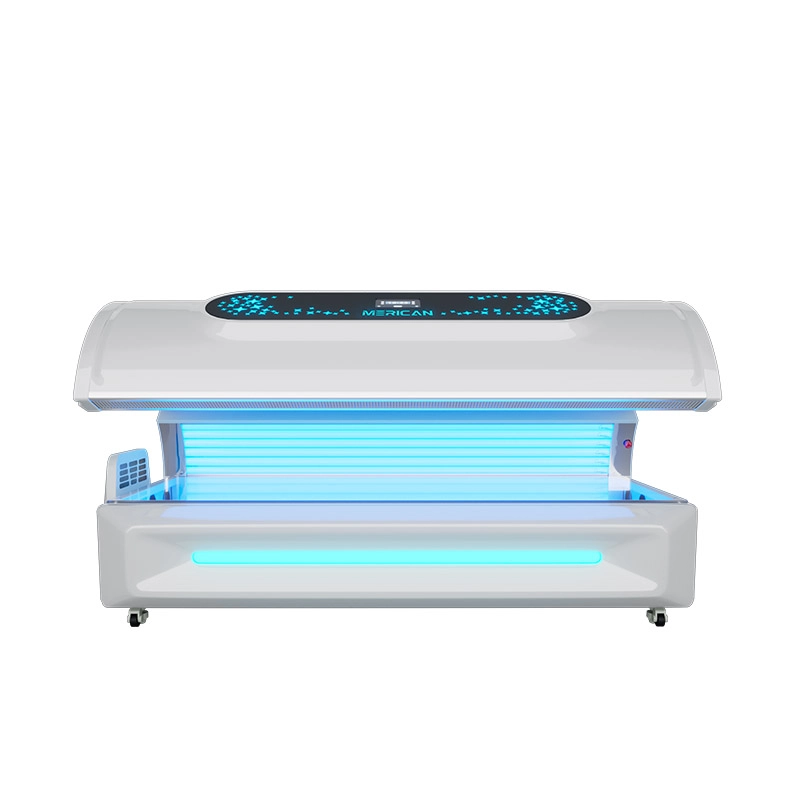
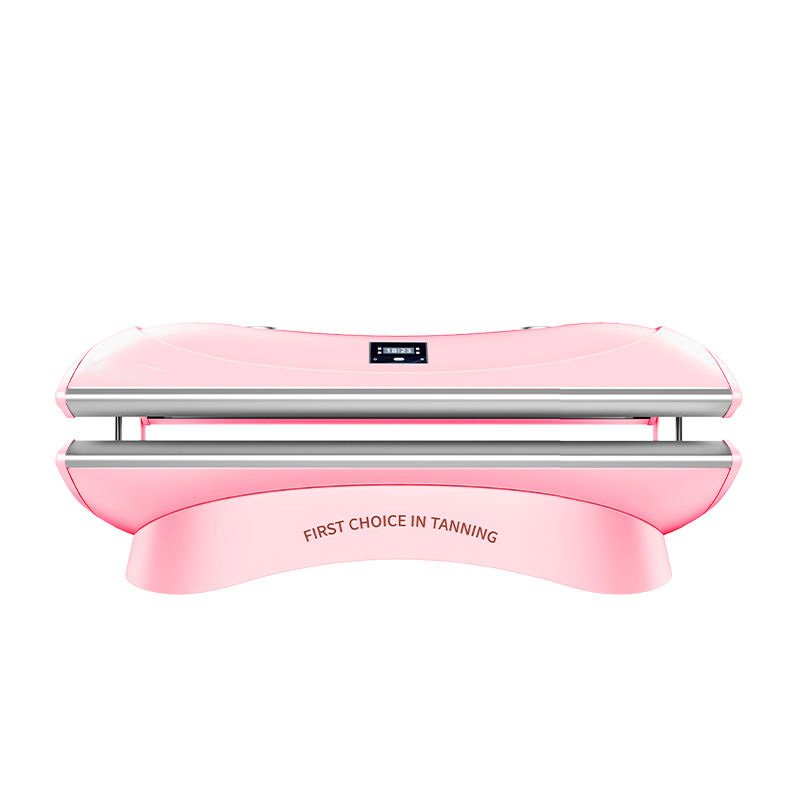
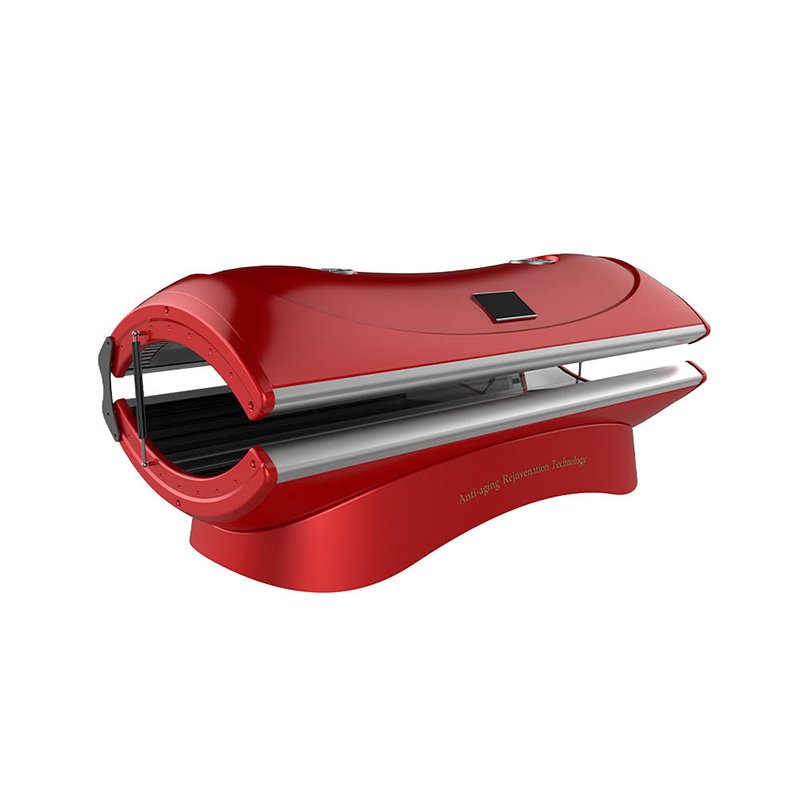
Commercial beds are about the size of a standard tanning bed — roughly 6–8 feet long and several feet wide. They require dedicated floor space and can dominate a treatment room. In contrast, red light panels are more compact. A tall panel can stand against a wall, while smaller tabletop versions fit easily on a shelf. For home users or small studios, panels offer greater flexibility.
b) Multitasking Potential
When using a panel, you can often multitask — checking emails or reading — because only part of your body is exposed at once. With a bed, you’re fully enclosed and lying down, so multitasking isn’t practical. However, this can be an advantage: it forces you to relax and unplug.
c) Variety and Availability
The market for red light panels is booming. There are countless brands offering panels of all shapes, sizes, and intensities. Beds, on the other hand, are less common and mostly sold to commercial businesses. This limits choices for personal buyers.
d) Cost and Shipping
Red light beds are a significant investment. Entry-level models start around $25,000 and can exceed $100,000. Add shipping fees — these units are large and heavy, requiring professional installation. By contrast, full-body panel setups can cost as little as $4,000–$5,000, while small panels start under $1,000. Panels ship more easily and don’t need special logistics.
e) Professional Use
Beds shine in a commercial setting. They’re designed for high-volume, repeated use and usually have built-in cooling systems to keep clients comfortable during extended sessions. Panels for home use don’t always have this feature and may not stand up to constant daily treatments.
4. Do Red Light Beds Actually Tan You?
The name “red light tanning bed” is a bit misleading. True red light therapy uses visible red and near-infrared wavelengths — not ultraviolet (UV) light. Since UV rays are responsible for tanning (and sunburns), you won’t develop a tan from pure red light exposure.
However, some commercial “hybrid” beds combine red light therapy with UV lamps to offer both skin rejuvenation and tanning in one session. Always check the product details: if your goal is wellness benefits only, choose a bed that emits only red and near-infrared light.
5. How Red Light Therapy Works
Red light therapy works by delivering specific wavelengths (typically around 630–850 nanometers) that penetrate the skin’s surface. These wavelengths interact with mitochondria — the energy producers in your cells — to encourage the production of adenosine triphosphate (ATP). More ATP means your cells have more energy to repair, rejuvenate, and function optimally.
Reported benefits include:
- Enhanced collagen production for firmer skin
- Faster wound healing
- Reduction of fine lines and wrinkles
- Improved circulation
- Relief from muscle and joint discomfort
- Support for mood and sleep cycles

6. Advantages of Red Light Therapy Beds
Let’s explore why businesses and clients alike love these beds:
- Full-Body Coverage
Beds treat your entire body at once. This makes sessions faster than using a small handheld device or a single panel. - Premium Client Experience
Lying down in a warm, softly glowing bed feels luxurious. Many clients report feeling deeply relaxed, which can make them more likely to book repeat sessions. - Time Efficiency for Businesses
For salons and spas, beds help maximize revenue. A client’s session typically lasts 10–20 minutes, allowing for multiple appointments per hour. - Non-Invasive and Painless
Unlike some cosmetic treatments, red light therapy is gentle and has no downtime. Clients can return to their day immediately afterward. - Potential Wellness Benefits
While more research is still needed, many studies suggest red light therapy may support anti-aging, pain relief, muscle recovery, and skin health.
7. Drawbacks of Red Light Therapy Beds
While the benefits are compelling, it’s important to consider the drawbacks:
- High Initial Cost
Buying a commercial-grade bed can be prohibitively expensive for small businesses or individual users. - Bulky and Space-Consuming
A bed requires a dedicated room. This can be a dealbreaker for small studios or home users with limited space. - Not Always Portable
Unlike panels, beds are fixed in place once installed. If you move your business, transporting them can be complicated and costly. - Potential Overheating
Long sessions can cause the bed to heat up. Quality models come with cooling systems, but cheaper units might not.
8. Red Light Beds vs. Other Tanning Beds
How do red light therapy beds stack up against traditional tanning beds?
Traditional Tanning Beds:
- Use UV light to darken the skin’s pigment
- Prolonged exposure can damage the skin, cause sunburn, and increase the risk of skin cancer
- Offer little to no wellness benefits beyond a temporary tan
Red Light Therapy Beds:
- Use non-UV red and near-infrared light
- Focus on skin rejuvenation, cellular repair, and wellness benefits
- Do not cause sunburn or increase skin cancer risk (when pure)
9. Are Salon Red Light Therapy Sessions Worth It?
Visiting a salon for red light sessions can be a great way to try the therapy without investing thousands upfront. A single session may cost $20–$100, depending on location and session length.
For short-term goals or to test how your body responds, a salon is a practical option. But for regular use — say two or three times per week — costs add up quickly. Many users find that buying a quality home panel pays for itself in just a few months.
10. Should You Buy a Red Light Therapy Bed for Personal Use?
Unless you run a wellness center or luxury spa, buying a commercial red light bed probably isn’t practical. Panels make much more sense for most people. They’re:
- Affordable
- Portable
- Easy to store
- Effective for targeted treatments
Panels offer nearly the same wellness benefits as beds, especially if you use them consistently.
11. Additional Tips for Choosing the Right Red Light Therapy Option
Tip #1: Check the Wavelengths
For optimal benefits, look for devices that offer both red (around 630–660 nm) and near-infrared (810–850 nm) light. This combination penetrates multiple layers of skin and tissues.
Tip #2: Prioritize Certified Safety
Buy from reputable brands that have independent testing and certifications. This ensures your device delivers the advertised wavelengths and operates safely.
Tip #3: Don’t Overdo It
More isn’t always better. Follow usage guidelines to avoid overstimulation, which can reduce effectiveness.
12. Two Extra Features You Should Know
Feature #1: Combination Therapy Beds
Some modern commercial beds now combine red light therapy with additional features like vibration or heat therapy. Vibration can help stimulate circulation, while gentle heat enhances relaxation and boosts results.
Feature #2: Smart Controls and App Integration
Some high-end beds and panels come with app controls, session tracking, and adjustable wavelengths. This customization helps tailor treatments for specific goals — whether that’s skin rejuvenation, muscle recovery, or sleep support.
13. Final Thoughts: Is Investing in a Red Light Bed Worth It?
At the end of the day, the right choice depends on your situation and goals. If you’re a business owner looking to expand your services, a commercial red light therapy bed can be a unique selling point that attracts wellness-focused clients and boosts revenue.
For most individuals, a high-quality red light panel will deliver excellent results without the steep cost or space requirements. You’ll still enjoy improved skin, potential pain relief, and that revitalized feeling after each session — all from the comfort of home.
14. Frequently Asked Questions
Q1: What benefits can I expect from using a red light therapy tanning bed?
Red light therapy can help improve skin texture, reduce fine lines, stimulate collagen, support muscle recovery, ease joint discomfort, and promote an overall sense of well-being.
Q2: Is red light therapy safe?
When used properly, red light therapy is considered very safe. It doesn’t emit UV radiation, so there’s no risk of sunburn or skin damage. Always follow the manufacturer’s instructions and consult your doctor if you have any medical conditions.
Q3: Can red light therapy help with acne or other skin conditions?
Many users find that red light therapy can calm inflammation and promote healing, which may benefit acne-prone skin. For stubborn acne, some treatments combine red and blue light. Always check with a dermatologist for personalized advice.
15. Conclusion: Make the Right Choice for Your Needs
Commercial red light therapy tanning beds offer an appealing way for salons and spas to expand their services and attract wellness-focused clients. They’re relaxing, effective, and deliver full-body coverage in a short amount of time.
However, for personal use, most people will find that a good red light therapy panel provides nearly all the same benefits at a fraction of the price — without taking over an entire room.
As with any wellness tool, consistency is key. Whether you choose a panel or a bed, regular sessions will help you get the best results. Think about your space, budget, and goals — and you’ll be well on your way to enjoying the many perks of red light therapy.

 EN
EN EN_GB
EN_GB DE
DE EL
EL ES
ES UZ
UZ FR
FR IT
IT JA
JA CS
CS DA
DA DE_AT
DE_AT FI
FI ET
ET HR
HR FR_BE
FR_BE HU
HU KO
KO IS
IS KA
KA LT
LT NL
NL UK
UK TR
TR SV
SV SR
SR SL
SL SK
SK RU
RU RO
RO PT
PT NB
NB AR
AR CY
CY