



1 Illuminating the Path to Better Sleep
Modern life bombards us with artificial light at every turn—phone screens glow long after sunset, office fluorescents flicker from dawn to dusk, and city skylines pulse neon well past midnight. This unrelenting brightness rewires our internal clocks, sabotaging the restorative sleep our bodies crave. Yet hidden at the opposite end of the visible spectrum lies an unexpected ally: red light. When delivered at therapeutic wavelengths, red light can soothe frazzled nerves, steady circadian rhythms, and coax the pineal gland into releasing sleep‑inducing melatonin. In this deep‑dive guide you’ll discover how red light therapy (RLT) works, why it outperforms blue‑blocking glasses alone, and how to incorporate it into a holistic bedtime ritual that transforms night‑time into a true healing sanctuary.

2 Why the Color of Light Dictates the Depth of Your Sleep
Light is not just illumination; it is biological information. Regulated by millions of years of evolution, the human body interprets specific wavelengths as either “day” or “night” cues. High‑energy blue light (≈ 460–500 nm), abundant in sunlight and digital screens, tells the brain to halt melatonin production and remain alert. Conversely, longer red wavelengths (≈ 620–750 nm) signal dusk, triggering the hormonal cascade that ushers us into restful slumber. Unfortunately, 24‑hour connectivity hijacks this ancient system—scrolling through social feeds beneath cool‑white LEDs at 11 p.m. effectively convinces the brain that it is still mid‑afternoon.
Here are the most significant effects of light color on sleep biology:
- Melatonin Suppression vs. Release: Blue light engages melanopsin receptors in the retina, instructing the pineal gland to hold melatonin in reserve. Red light barely interacts with these receptors, allowing natural hormone secretion to proceed.
- Circadian Rhythm Drift: Erratic light exposure shifts our master clock in the suprachiasmatic nucleus (SCN), delaying sleep onset and fragmenting deep sleep cycles.
- Neurological Overstimulation: Short‑wavelength light heightens cortical activity, keeping brainwaves in a beta state long past bedtime. Red light nudges the nervous system toward slower alpha and theta waves associated with relaxation and dream formation.
3 Red Light Therapy Demystified
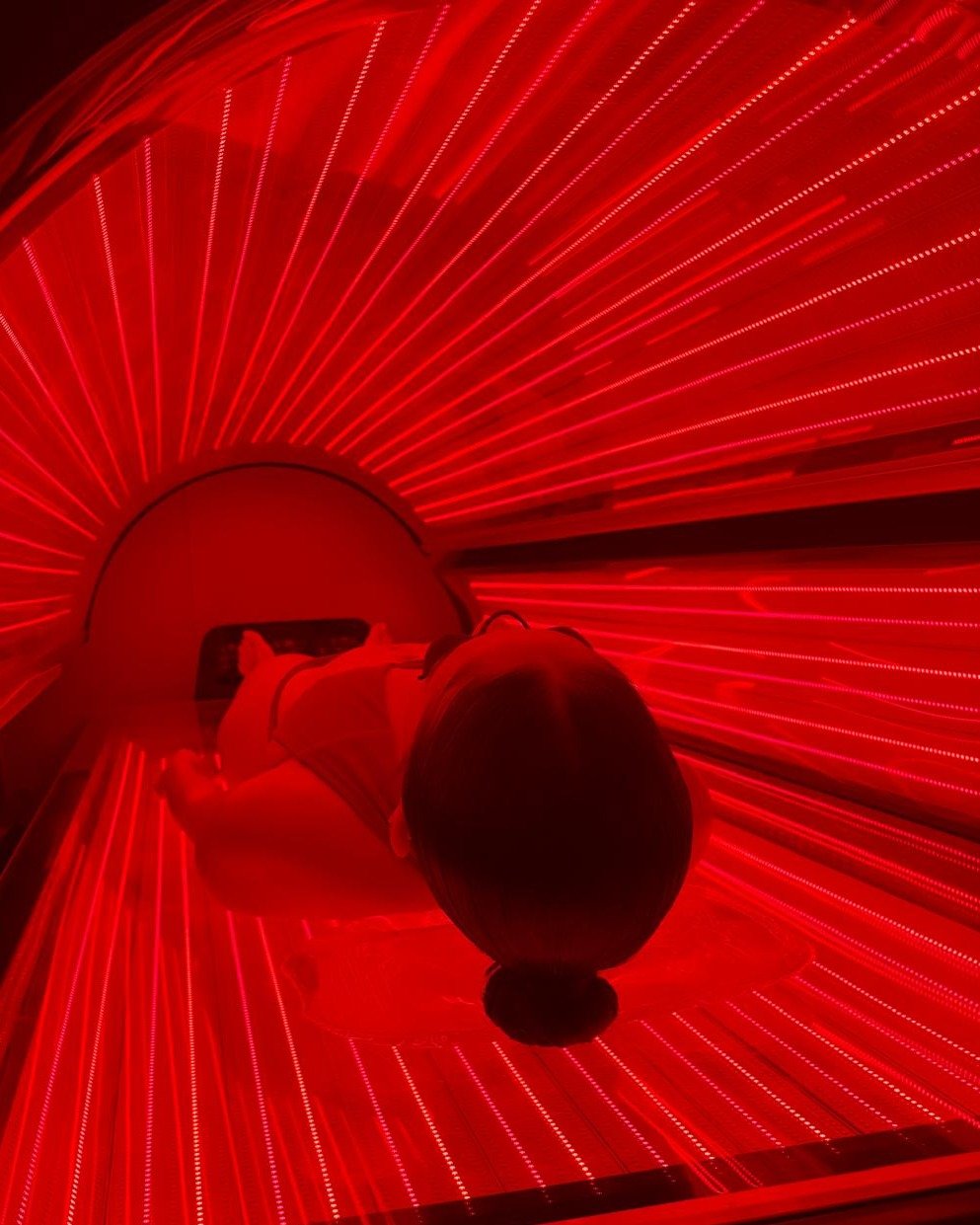
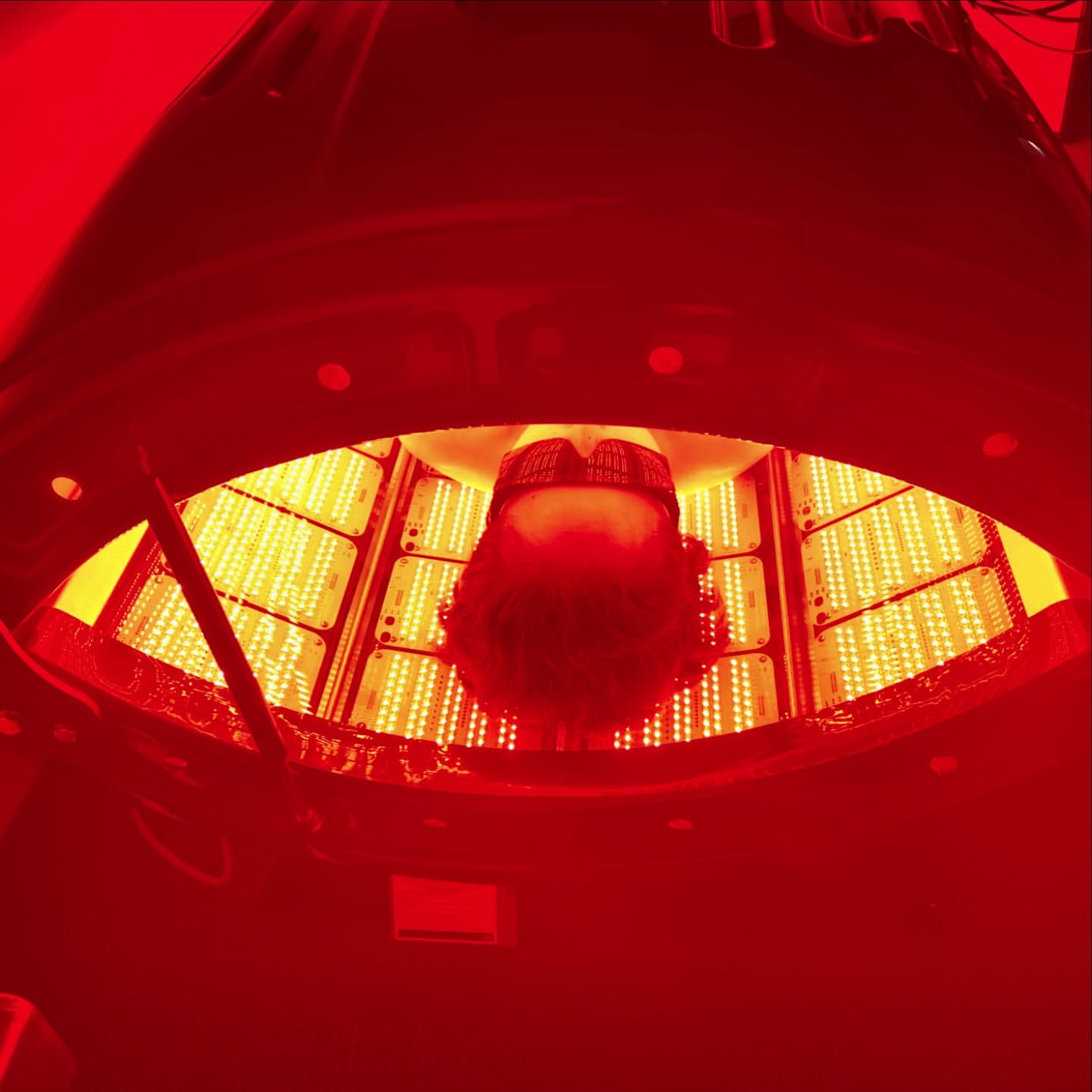
Red light therapy—also known as photobiomodulation—uses low‑level red and near‑infrared (NIR) photons to catalyze biochemical changes inside cells. Unlike high‑intensity lasers used for skin resurfacing, RLT employs gentle LEDs or low‑level lasers that produce negligible heat. These diodes emit precise wavelengths (typically 630–660 nm red and 810–850 nm NIR) that penetrate tissue, reaching mitochondria without damaging surface structures.
Once inside the cell, photons interact with cytochrome c oxidase, a key enzyme in the mitochondrial respiratory chain. This interaction accelerates ATP (adenosine triphosphate) production—the energy currency of life. Higher ATP output fuels cellular repair, dampens oxidative stress, and lowers systemic inflammation, all of which support deeper, uninterrupted sleep.
4 How RLT Transforms the Architecture of Sleep
- Re‑Synchronizing Circadian Rhythms: Morning exposure to bright, full‑spectrum light anchors the “day” phase, while an evening session of red light signals the transition to “night.” This two‑tier light strategy recalibrates the SCN, shortening sleep latency and improving REM‑to‑slow‑wave balance.
- Boosting Endogenous Melatonin: Because red light does not inhibit pineal output, nighttime exposure supports the natural nocturnal rise of melatonin. Some studies show a 15–20 % increase in circulating melatonin after consistent RLT.
- Lowering Cortisol and Perceived Stress: Photobiomodulation reduces activity in the hypothalamic‑pituitary‑adrenal (HPA) axis, trimming elevated evening cortisol that often manifests as racing thoughts or midnight wake‑ups.
- Mitigating Pain and Inflammation: Whether from athletic training or chronic illness, pain disrupts deep sleep. RLT’s anti‑inflammatory action soothes sore muscles and joints, letting the body slip more readily into regenerative delta waves.
- Enhancing Cellular Detoxification: Increased ATP accelerates the glymphatic system’s nightly flush of neuro‑toxins such as beta‑amyloid, which has been linked to memory consolidation and long‑term cognitive resilience.
5 Scientific Evidence: What the Research Shows
| Study | Year | Participants | Protocol | Sleep Outcome |
|---|---|---|---|---|
| International Journal of Sleep Medicine | 2023 | 60 adults with chronic insomnia | 20‑min RLT, 660 nm, nightly for 4 weeks | ↑ total sleep time by 26 min; ↓ sleep latency by 35 % |
| Sports Recovery Journal | 2024 | 40 elite swimmers | Post‑training NIR (850 nm) for 12 min | ↑ deep sleep (slow‑wave) by 18 %; ↓ perceived fatigue scores |
| Frontiers in Neurology | 2025 | 32 shift‑workers | Combined morning bright‑light & evening RLT for 6 weeks | Realigned circadian phase by 1.3 h; improved daytime alertness |

6 Implementing RLT: A Step‑by‑Step Nighttime Protocol
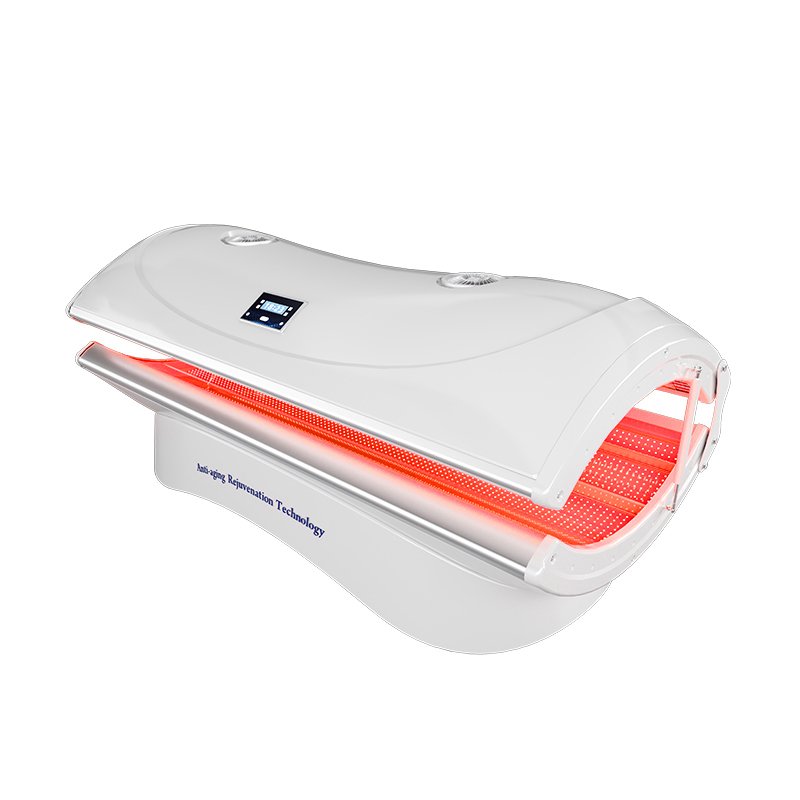
- Select the Right Device: Whole‑body panels deliver comprehensive coverage; handheld wands target localized pain that might wake you at night. Aim for clinically validated wavelengths (630–660 nm red and/or 810–850 nm NIR).
- Choose Optimal Timing: Schedule sessions 30–60 minutes before lights‑out to give the nervous system time to downshift.
- Set the Scene: Dim other lighting, silence notifications, and play soft ambient music or nature sounds to reinforce evening calm.
- Position Correctly: Sit or lie 15–30 cm from the panel for 10–20 minutes. Rotate midway if coverage is uneven.
- Pair with Relaxation Techniques: Deep diaphragmatic breathing, guided meditation, or gentle yoga poses amplify parasympathetic tone.
- Track Your Progress: Use a sleep‑tracking wearable or journal to monitor total sleep time, latency, and subjective freshness on waking. Adjust session duration based on results.
7 EXTRA FEATURE #1: The 7‑Day “Reset Your Rest” Evening Blueprint
Sometimes the best way to adopt a new habit is through a structured short‑term challenge. Below is a one‑week framework designed to recalibrate your circadian rhythm using RLT alongside complementary practices.
- Day 1 – Declutter Digital Evenings: Power down all blue‑light devices 90 minutes pre‑bed. Replace scrolling with a paperback novel under warm lamplight.
- Day 2 – Hydration & Herbal Support: Sip chamomile or tart‑cherry tea (a natural melatonin source) 30 minutes before your inaugural 15‑minute RLT session.
- Day 3 – Magnesium Wind‑Down: Add 200–400 mg magnesium glycinate after RLT to further relax muscles and nerves.
- Day 4 – Guided Breathwork: Practice 4‑7‑8 breathing under the red glow, extending exhalations to engage the vagus nerve.
- Day 5 – Gratitude Journaling: Post‑session, write down three positive events from the day to prime the mind for pleasant dreams.
- Day 6 – Progressive Muscle Relaxation: Starting at the toes, tense and release muscle groups while bathed in red light, flushing residual tension.
- Day 7 – Sound Bath Integration: Combine RLT with a 15‑minute playlist of binaural beats set at 4–8 Hz to match theta brainwaves.
Users often report a noticeable shift in sleep quality by the end of this micro‑program, laying the foundation for long‑term success.
8 EXTRA FEATURE #2: Red Light Device Buyer’s Checklist
- Wavelength Range: Confirm 630–660 nm (red) and 810–850 nm (NIR).
- Power Density: Look for 30–100 mW/cm² at target distance to ensure therapeutic dosage.
- Flicker Rate: Choose drivers with low (<1 %) flicker to avoid subtle nervous‑system stress.
- Modular Design: Panels that daisy‑chain allow you to upgrade treatment area as budget permits.
- EMF Emissions: Select units independently tested for minimal electromagnetic fields.
- Warranty & Return Policy: Reputable manufacturers provide 2‑ to 5‑year coverage and 30‑day trials.
- Certifications: FDA‑cleared or CE‑marked devices meet safety and efficacy standards.
9 Frequently Asked Questions
Q1 – Can I overdo red light therapy and disrupt sleep?
RLT is remarkably safe, but excessive durations (60+ minutes nightly) may generate mild overstimulation in sensitive individuals. Stick to 10–20 minutes, monitor how you feel, and scale gradually.
Q2 – Is red light enough, or do I still need to block blue light?
Think of RLT as supportive, not a complete substitute. Red light cues melatonin release, but simultaneous blue light from devices can still negate those benefits. Employ screen filters, amber bulbs, or blue‑blocking glasses in tandem.
Q3 – How soon will I notice improvements in sleep?
Acute relaxation often appears after the first session, yet measurable gains in total sleep time and efficiency typically emerge after 10–14 consecutive nights.
10 A Brighter Night Ahead
In an era where insomnia is nearly as common as smartphones, red light therapy shines as a science‑backed antidote to the chaos of artificial illumination. By reviving ancestral signals at sunset—soft, warm, and soothing—RLT restores harmony between brain and body. Pair it with mindful evening practices, and your bedroom becomes more than a place to crash; it becomes a nightly spa for cellular renewal. Embrace the crimson glow, honor your circadian rhythm, and step into each morning refreshed, resilient, and ready to thrive.

 EN
EN EN_GB
EN_GB DE
DE EL
EL ES
ES UZ
UZ FR
FR IT
IT JA
JA CS
CS DA
DA DE_AT
DE_AT FI
FI ET
ET HR
HR FR_BE
FR_BE HU
HU KO
KO IS
IS KA
KA LT
LT NL
NL UK
UK TR
TR SV
SV SR
SR SL
SL SK
SK RU
RU RO
RO PT
PT NB
NB AR
AR CY
CY