


1 A New Dawn for Indoor Bronzing
Once, the quest for a golden glow required entire afternoons sprawled across beach towels, armed with coconut‑scented oil and little more than hope for an even tan. Fast‑forward to 2025 and indoor tanning has become a sophisticated, science‑driven art that caters to diverse beauty ideals, tight schedules, and year‑round wellness objectives. In this expanded guide you will:
- Compare red light therapy beds and ultraviolet (UV) tanning beds from the ground up.
- Discover the cellular science that powers each technology.
- Weigh tangible benefits against documented risks.
- Learn pro‑level tips for safe, results‑oriented usage.
- Explore real‑world case studies and expert quotes.
By the final section you will possess the knowledge to choose—confidently—whether therapeutic LEDs, conventional UV lamps, or a hybrid regimen fits best with your complexion goals, health status, and lifestyle constraints.

2 Technology Demystified: How Modern Beds Work
2.1 Red Light Therapy Beds Explained
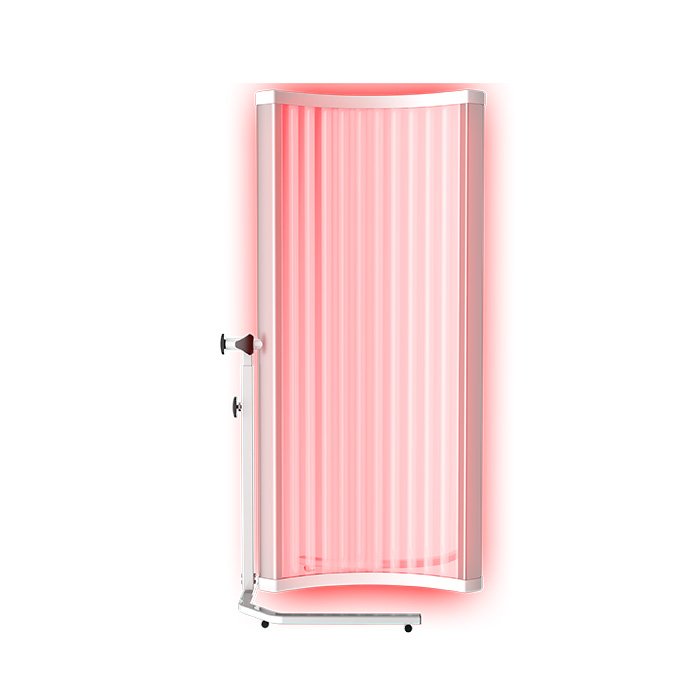
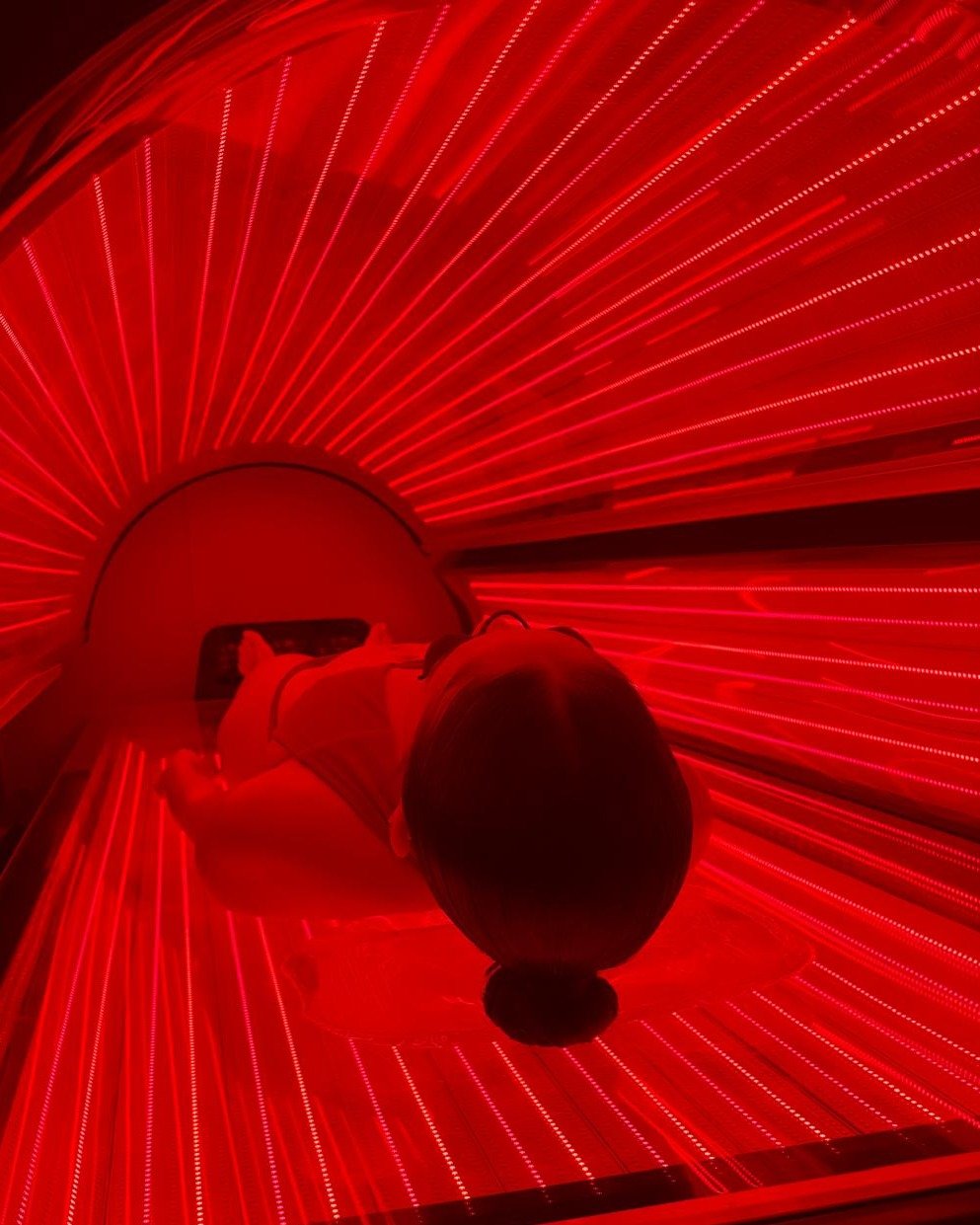
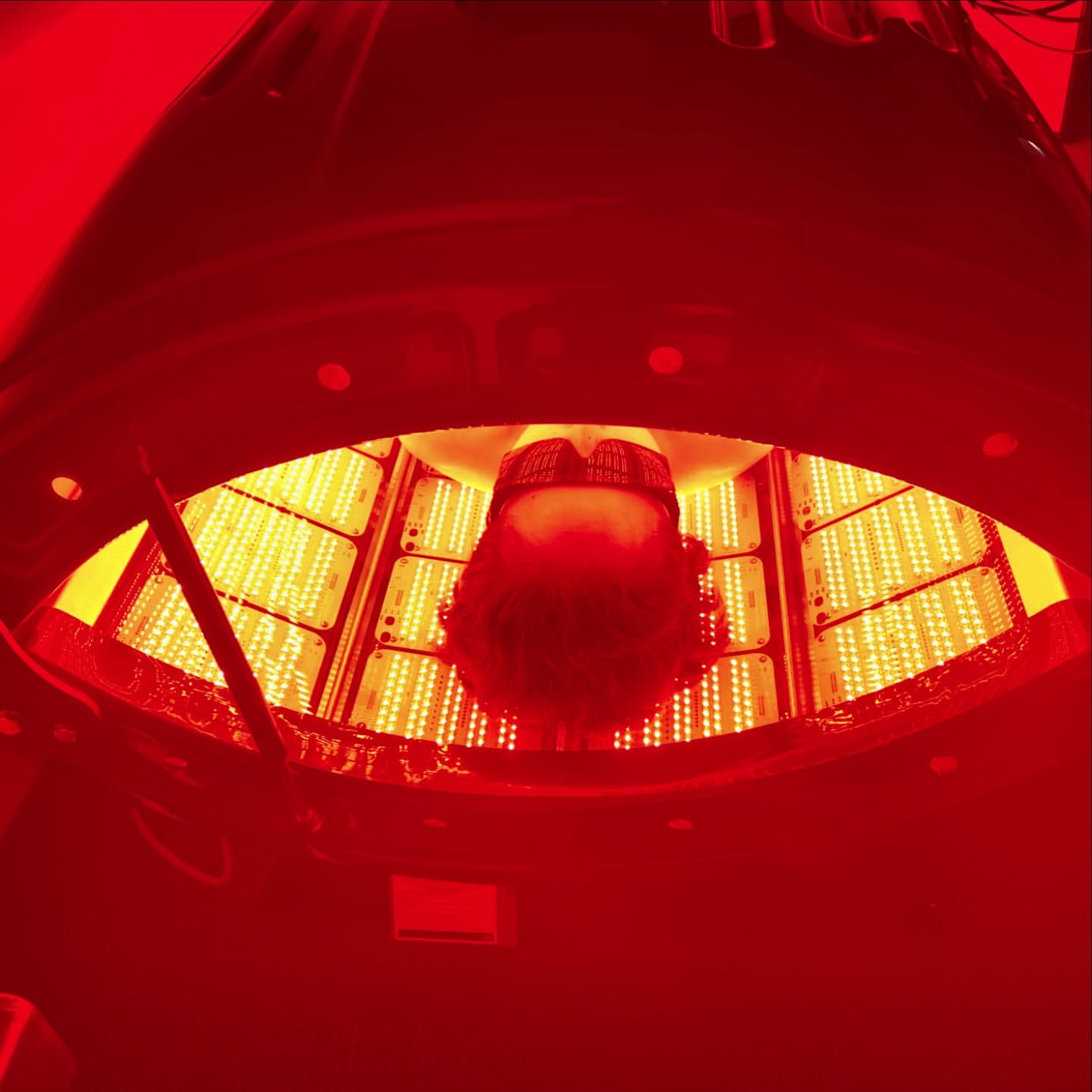
Picture a sleek capsule lined with cool‑touch LEDs. When activated, the unit floods your skin with wavelengths between ≈ 630 nm and 1 100 nm. Those photons glide through the epidermis and signal mitochondria to produce more adenosine triphosphate (ATP)—the biochemical “battery pack” inside every cell. The result? Accelerated repair, reduced inflammation, and visible smoothing of fine lines. Because LEDs remain at skin‑safe temperatures, you can position your body millimeters from the panels without fear of scorching.
2.2 UV Tanning Beds in Plain English
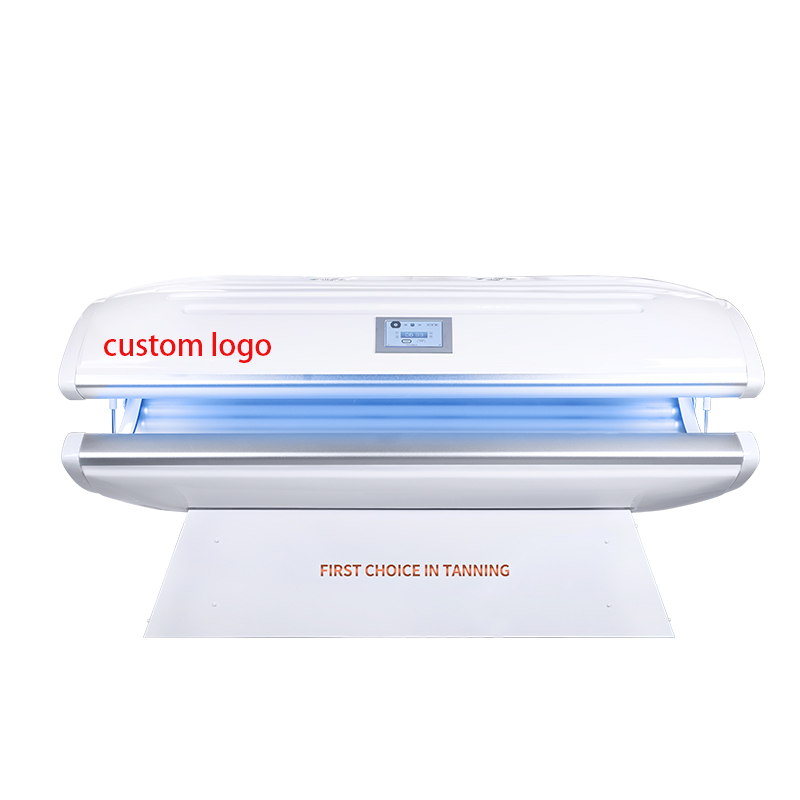
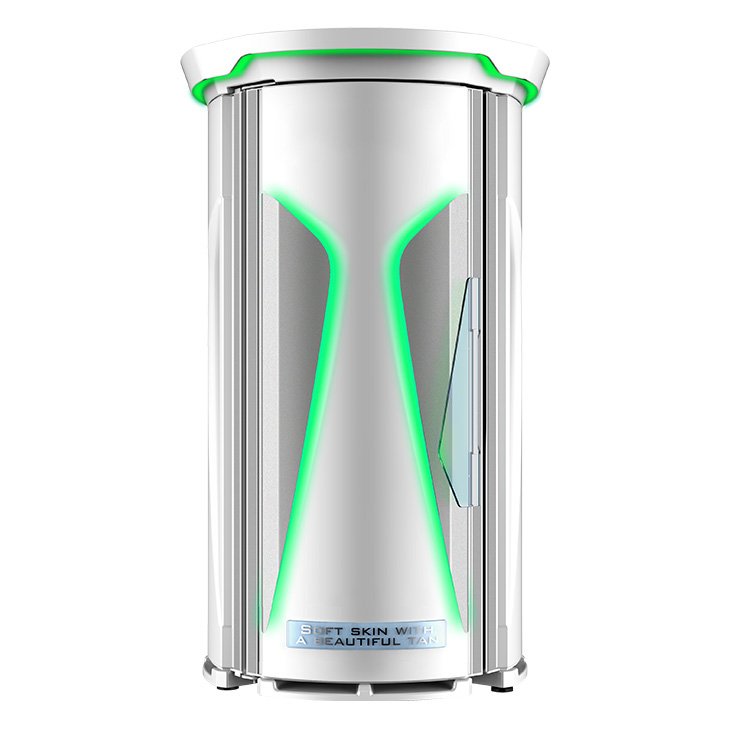
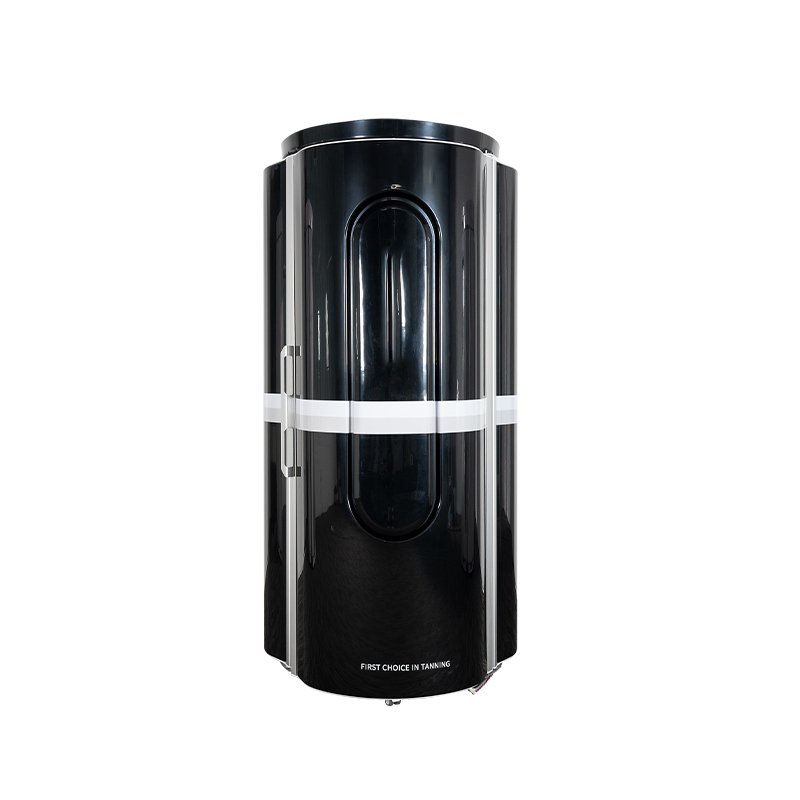
Traditional tanning beds rely on fluorescent tubes that emit just enough UVA (320–400 nm) for immediate bronzing and UVB (290–315 nm) for delayed, melanin‑rich coloration. Properly engineered filters remove UVC, the harshest ultraviolet band. Within minutes, melanocytes fire up their protective pigment factories, gifting the skin a caramel hue reminiscent of a seaside holiday—minus the sand between your toes.
3 Light & Skin 101: A Hands‑On Science Lesson
3.1 The Electromagnetic Spectrum Made Simple
Think of light as an invisible orchestra. Each instrument plays at a unique frequency—some create gentle bass notes (radio waves), others belt out piercing, high‑energy solos (X‑rays). Visible light occupies the 400–700 nm octave, while red light sits at the warmer, lower‑energy end. UV light lurks just outside human sight, shorter and more intense.
3.2 Why Wavelength Matters to Your Cells
Your skin is loaded with photo‑acceptor proteins, tiny gatekeepers that respond to specific wavelengths. Red and near‑infrared photons activate cytochrome c oxidase, a key enzyme in mitochondria. When “switched on,” the enzyme accelerates ATP output, sparks antioxidant defenses, and even modulates gene expression related to collagen synthesis. In contrast, UVA and UVB photons push melanocytes to release melanin for protection—a biological sunscreen that doubles as a bronzing mechanism.
4 Documented Benefits of Red Light Therapy Beds
- Dermal Remodeling: Boosted collagen and elastin reduce crow’s‑feet, laugh lines, and stretch marks.
- Enhanced Recovery : Athletes leverage near‑infrared waves to expedite muscle repair after strenuous workouts.
- Inflammation Control: Arthritis sufferers report diminished joint pain and longer flexibility windows.
- Metabolic Support: Early trials link red‑light exposure to improved thyroid hormone output and moderated appetite.
- Mood Elevation: Multiple studies note increases in serotonin and dopamine, combating seasonal affective disorders.
- Hair Growth Stimulation: Dermatology clinics employ red LEDs to revive follicles in androgenic alopecia patients.
4.1 Peer‑Reviewed Evidence Snapshot
| Journal | Year | Participant Size | Main Outcome |
|---|---|---|---|
| Oxidative Medicine & Cellular Longevity | 2023 | 48 | ↑ ATP production, ↓ oxidative stress markers |
| Lasers in Surgery & Medicine | 2024 | 112 | 36 % wrinkle depth reduction after 12 weeks |
| Journal of Sports Science | 2025 | 65 athletes | 25 % faster muscle recovery vs. placebo |
5 Potential Downsides & Safety Caveats of Red Light
Although labeled “non‑ionizing” and therefore incapable of DNA mutation, red light therapy still requires responsible use:
- Eye Protection: Prolonged exposure without goggles can strain retinas.
- Diminishing Returns: Doubling session length does not double benefits; cells plateau once ATP saturation peaks.
- Contra‑indications: People undergoing photosensitizing drugs or cancer therapies should consult their physician before starting sessions.
- Room & Budget: A full‑body bed can occupy 30 ft² and cost upward of USD 6 000.
6 Well‑Known Advantages of UV Tanning Beds
- Instant Cosmetic Tan: A five‑minute session delivers a vacation‑style glow.
- Boosted Vitamin D: UVB triggers conversion of 7‑dehydrocholesterol to cholecalciferol (vitamin D3), vital for bone, immune, and mental health.
- Winter Blues Relief: Strategic UV exposure stimulates serotonin, curbing seasonal affective disorder (SAD) symptoms.
7 Documented Risks Associated with UV Tanning
The scientific consensus identifies several hazards:
- Elevated Cancer Risk: Regular indoor tanning before age 35 increases melanoma probability by up to 75 %.
- Photo‑Aging: UVA degrades collagen fibers, accelerating wrinkles, sagging, and hyper‑pigmentation.
- Sunburn & DNA Damage: UVB overdose causes painful erythema and potential mutations.
- Ocular Injury: Cataracts and corneal burns rise when goggles are skipped or ill‑fitted.
8 Head‑to‑Head Matrix: Red Light vs. UV (At a Glance)
| Category | Red Light Therapy Bed | UV Tanning Bed |
|---|---|---|
| Main Purpose | Cellular repair, anti‑aging, wellness | Rapid pigmentation, vitamin D spike |
| Core Wavelengths | 630–1 100 nm | 290–400 nm |
| Heat Output | Minimal | Moderate–High |
| Skin‑Darkening Power | Indirect (requires combo lamps) | Direct melanin trigger |
| Long‑Term Cancer Risk | None documented | Well‑established |
| Average Salon Cost | USD 25–50 | USD 10–30 |
9 EXTRA FEATURE #1 — Seven‑Step Decision Checklist
- Identify Your Primary Outcome: Repair, tan, or a blend?
- Audit Skin Type: Fitzpatrick I–VI, history of burns, family melanoma record.
- Consider Medical Constraints: Hormonal conditions, acne meds, photosensitivity.
- Budget & Space: Will you buy a home panel or rely on salon memberships?
- Verify Certifications: Look for FDA, CE, or ISO labels on equipment.
- Plan Frequency: Write a weekly schedule and monitor skin response.
- Commit to Aftercare: Hydration, antioxidants, annual dermatologist screening.
10 EXTRA FEATURE #2 — Five Insider Hacks for Maximum Benefit
- Hydrate Thoroughly: Consume 2 liters of water before and after any session.
- Time Your Sessions: Morning red‑light exposure pairs well with workouts; UV should be limited to mid‑afternoon to mimic safer sun conditions.
- Rotate Modalities: Alternate red‑light days with minimal‑dose UV days for balanced color and collagen support.
- Use Targeted Skincare: Apply peptides and niacinamide post‑red light to amplify collagen synthesis.
- Track Progress Visually: Photograph the same body area weekly under identical lighting to evaluate improvements objectively.
11 Real‑World Case Study: Mia’s Hybrid Routine
Mia, 32, Chicago‑based fitness coach
Goal: Maintain a light bronze tone year‑round while supporting intense workout recovery.
Routine:
- Monday, Wednesday, Friday — 15 minutes red light (full‑body bed).
- Tuesday — 6 minutes low‑pressure UVB for vitamin D and mild bronze.
- Thursday — Rest day, topical retinoid and peptide cream.
- Saturday — Outdoor jog; if cloudy, 10 minutes near‑infrared targeting quads and hamstrings.
- Sunday — Complete rest, hydration overhaul.
Results after 12 weeks: 20 % reduction in DOMS (delayed‑onset muscle soreness) ratings, visible tan retention without peeling, zero new freckles or burns, and a noticeable lift in mood during Chicago’s gray winter months.
12 Frequently Asked Questions
Q1 Can I combine red light therapy and UV tanning in the same visit?
Yes. Several salons offer combo units that sequence red light before a brief UV exposure. Red light can prime skin by boosting micro‑circulation, potentially lowering oxidative stress when you switch to UV. Follow the manufacturer’s timing recommendations and never exceed the combined maximum exposure.
Q2 Will red light therapy clash with my medications?
Most drugs remain unaffected, yet individuals on retinoids, certain antibiotics, or other photosensitizing prescriptions should obtain medical clearance. Red light is gentler than UV, but a cautious approach ensures no unexpected reactions.
Q3 How soon will I notice benefits from red light sessions?
Superficial changes such as a dewy glow or a drop in muscle tightness can appear after three to five sessions. Deeper collagen remodeling or chronic pain relief often requires consistent use for four to eight weeks.
13 Radiant Wrap‑Up
Indoor tanning has evolved far beyond the fluorescent beds of the 1980s. Red light therapy beds offer a science‑backed route to cellular rejuvenation with minimal risk, whereas UV tanning beds deliver the fastest route to a bronzed complexion—but demand scrupulous safety measures. By applying the research, checklists, and professional hacks outlined above, you can tailor a regimen that safeguards your skin, aligns with your wellness ambitions, and complements your lifestyle.
Remember: your skin is a lifelong companion. Treat it kindly, illuminate it wisely, and keep that glow for years to come.

 EN
EN EN_GB
EN_GB DE
DE EL
EL ES
ES UZ
UZ FR
FR IT
IT JA
JA CS
CS DA
DA DE_AT
DE_AT FI
FI ET
ET HR
HR FR_BE
FR_BE HU
HU KO
KO IS
IS KA
KA LT
LT NL
NL UK
UK TR
TR SV
SV SR
SR SL
SL SK
SK RU
RU RO
RO PT
PT NB
NB AR
AR CY
CY