



Tossing and turning through the night isn’t just frustrating—it can profoundly impair your mood, productivity, and overall well-being. Recent data shows that half of UK adults fail to hit the recommended 7–9 hours of nightly rest, averaging just under seven hours of sleep per night. This chronic sleep debt can manifest as poor concentration, weakened immunity, and increased stress. Enter red light therapy: a non-invasive, science-backed approach that’s rapidly gaining traction not only for its skin-rejuvenating prowess but also for its remarkable ability to synchronize your internal clock and deepen your slumber. In this comprehensive guide, you’ll discover how red light at specific wavelengths boosts cellular energy, heightens melatonin production, eases pain, and helps you reclaim restorative rest—plus two bonus features and three essential FAQs to clear up any lingering questions.

Feature: Quick Facts About Red Light Therapy and Sleep
- Mechanism: Red wavelengths (600–650 nm) penetrate skin and stimulate mitochondrial function.
- Melatonin Boost: Promotes natural production of the sleep hormone without disrupting circadian rhythm.
- Session Length: Typically 10–20 minutes per evening, 3–7 times per week.
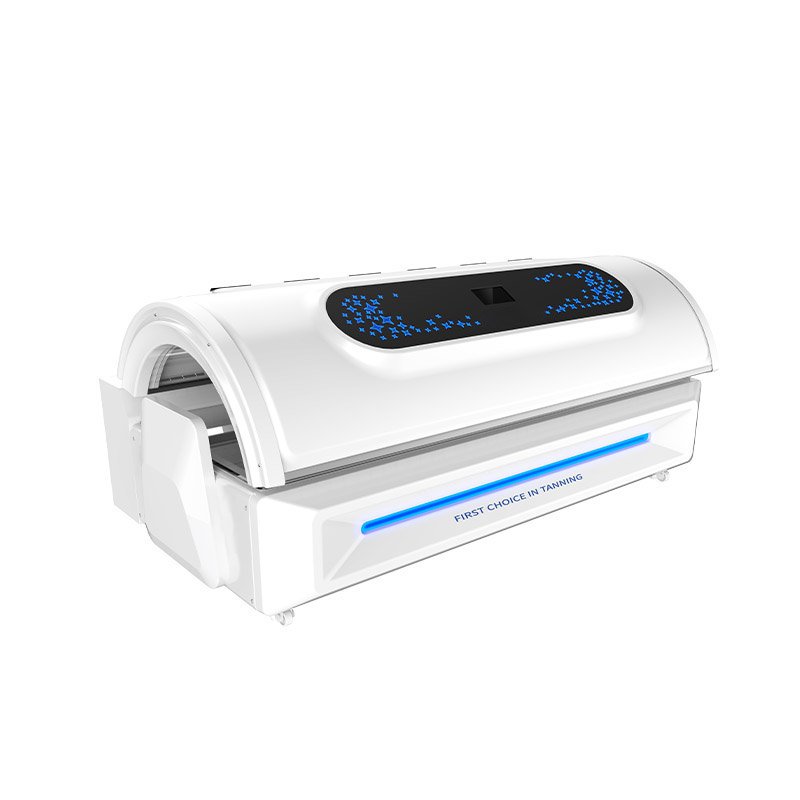
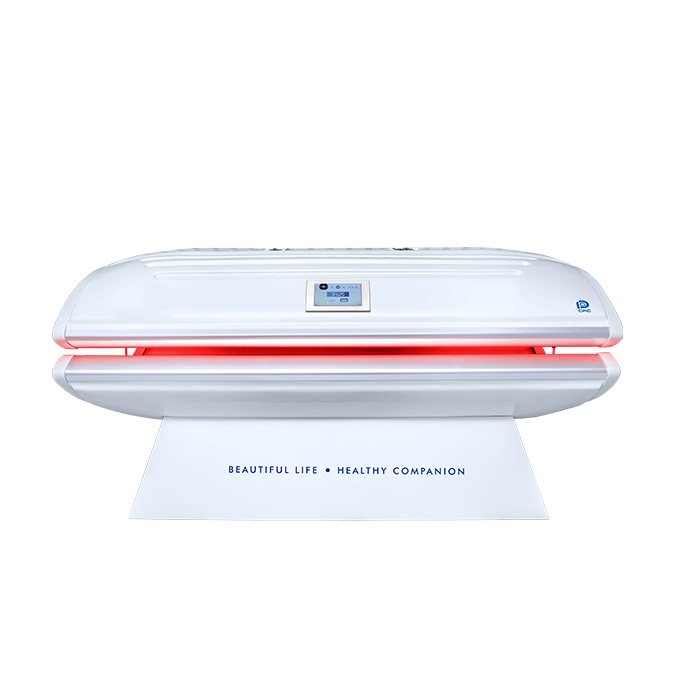
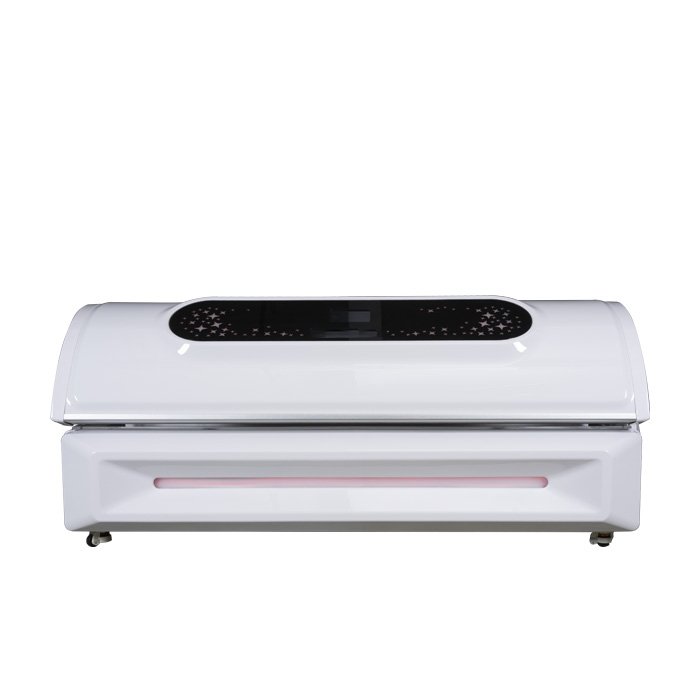
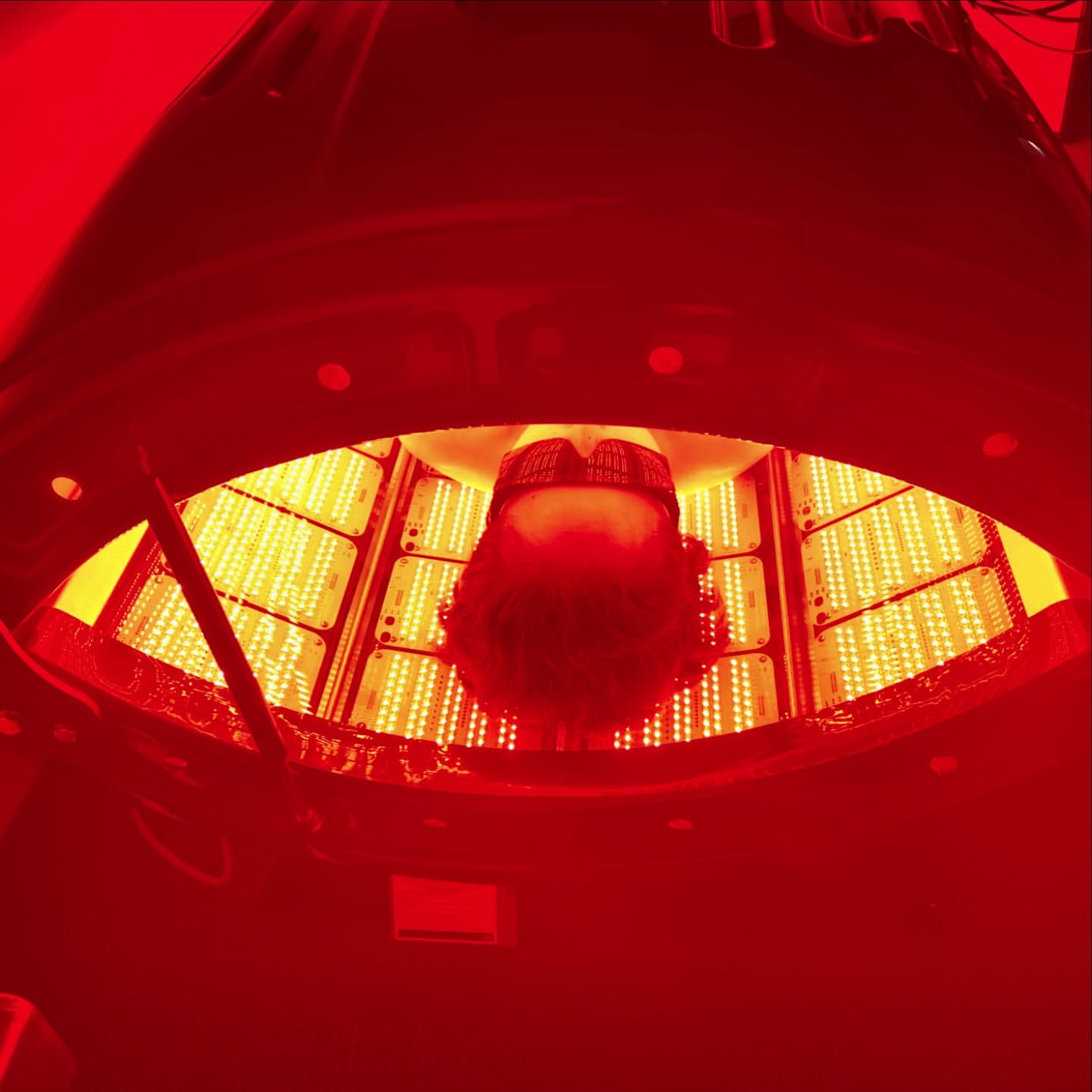
- Device Types: Lightboxes, panels, handheld wands, masks, alarm-clock hybrids.
- Safety Profile: Non-UV, pain-free, minimal side effects when used as directed.
1. Understanding the Modern Sleep Crisis
In today’s hyper-connected world, continuous exposure to screens, erratic work schedules, and constant stressors combine to throw our biological clocks into disarray. Our bodies evolved to follow the natural progression of daylight—blue-enriched sunlight during the day keeps us alert, while dimmer, longer-wavelength light in the evening cues the release of melatonin, the hormone that gently ushers us into slumber. Yet over 50 % of British adults describe difficulty maintaining adequate rest, cutting into the restorative phases of sleep known as deep (slow-wave) and REM sleep.
Beyond grogginess and irritability, chronic insufficient sleep is linked to cardiovascular issues, metabolic dysfunction, and impaired cognitive performance. Traditional solutions like prescription sleep aids may offer temporary respite but often carry risks of dependency and next-day drowsiness. This growing concern has fueled demand for non-pharmacological interventions—among them, light-based therapies designed to realign our internal clocks. In recent years, red light therapy has emerged as a promising candidate. Unlike blue or white light—which can suppress melatonin and trigger wakefulness—red light delivers cellular-level benefits without disturbing our circadian rhythms.
2. What Is Red Light Therapy? The Science Explained
Red light therapy (RLT), also known as low-level light therapy (LLLT) or photobiomodulation, employs carefully targeted wavelengths—typically between 600 and 650 nanometers—to penetrate the epidermis and reach mitochondria, the “power plants” of our cells. By stimulating cytochrome c oxidase, a key enzyme in the mitochondrial respiratory chain, RLT enhances adenosine triphosphate (ATP) production, supplying cells with more energy to repair and regenerate tissues.
- Mitochondrial Stimulation: Boosted ATP levels translate into improved cellular repair and reduced oxidative stress.
- Nitric Oxide Release: RLT triggers local release of nitric oxide, which dilates blood vessels, improving circulation.
- Anti-Inflammatory Effects: Lowered pro-inflammatory cytokines can alleviate chronic inflammation and pain.
This trifecta of energy enhancement, vascular improvement, and inflammation reduction underpins RLT’s diverse health benefits—from skin rejuvenation and joint pain relief to accelerated muscle recovery in athletes. When it comes to sleep, the primary draw is its capacity to support melatonin synthesis without the disruptive aftereffects of artificial blue light.

3. How Red Light and Sleep Are Connected
Our sleep-wake cycle, or circadian rhythm, relies on environmental light cues to maintain a roughly 24-hour pattern of alertness and rest. Exposure to high-intensity blue light in the evening (from screens or LED lighting) tricks the brain into delaying melatonin release, shifting our internal clock later and making it harder to fall asleep at a reasonable hour.
By contrast, red light—situated at the opposite end of the visible spectrum—does not inhibit melatonin synthesis. In fact, controlled studies have demonstrated that evening sessions with low-level red light can significantly elevate melatonin levels, shorten the time it takes to drift off (sleep latency), and improve overall sleep quality. Beyond hormonal effects, RLT’s enhancement of blood flow and reduction of oxidative stress may support the neural networks involved in sleep regulation.
4. Proven Benefits of Red Light Therapy for Slumber
4.1 Regulating the Circadian Rhythm
Red wavelengths mimic the gradual reddening of sunset, signaling to your body that daytime activity is concluding. By substituting blue-heavy devices with a dedicated red light session 30–60 minutes before bed, you send a clear biochemical cue for melatonin release, helping reset errant sleep cycles without medication.
4.2 Enhancing Melatonin Production
In laboratory and field studies, participants exposed to red light reported higher evening melatonin concentrations compared to control groups under dim white light. These hormonal shifts translate into faster sleep onset and increased time spent in deep sleep stages, crucial for memory consolidation and physical restoration.
4.3 Minimizing Morning Grogginess
“Sleep inertia”—the post-awakening haze that lingers for 15–30 minutes—can derail morning productivity. Trials using red light delivered through eye masks or proximity lamps both during and immediately after sleep demonstrated a notable reduction in inertia, accelerating cognitive alertness upon waking without suppressing residual melatonin.
4.4 Supporting Sleep Disorders
For individuals grappling with chronic insomnia or anxiety, controlled red light exposure has shown promise in reducing sleep latency and nighttime awakenings. By dampening hyperarousal in the central nervous system, RLT fosters an environment conducive to continuous, undisturbed rest.
4.5 Alleviating Pain-Related Sleep Disruptions
Chronic pain—stemming from arthritis, fibromyalgia, or musculoskeletal injuries—often fragments sleep, leading to a vicious cycle of pain exacerbation and insomnia. RLT’s anti-inflammatory and analgesic effects can ease discomfort, enabling longer, more consolidated sleep episodes.
4.6 Easing SAD Symptoms
Seasonal Affective Disorder peaks during shorter, darker days, triggering depressive symptoms that disrupt sleep patterns. Preliminary research indicates that one hour of red light therapy can lift mood and normalize circadian rhythms in SAD sufferers, reducing insomnia and daytime fatigue.
4.7 Accelerating Cellular Repair (Extra Feature)
By ramping up ATP production, RLT speeds the body’s natural repair processes, from muscle regeneration post-workout to epidermal turnover. Improved tissue healing supports healthy sleep by ensuring that damaged cells and inflammatory mediators are cleared more efficiently, reducing nighttime discomfort.
4.8 Stress Reduction and Mood Enhancement (Extra Feature)
Beyond its direct sleep-promoting effects, red light therapy has been observed to lower stress hormones like cortisol and elevate endorphins. This dual action calms the mind and uplifts mood, making it easier to transition into a state of relaxation conducive to sleep.
5. How to Use Red Light Therapy for Sleep at Home
- Select an Appropriate Device: Lightbox or panel for broader coverage; mask or headband for targeted eye exposure; alarm-clock hybrids for combined wind-down and wake-up cues.
- Establish Consistent Timing: Aim for a 10–20 minute session roughly 45 minutes before bedtime, at the same time each evening.
- Optimize Your Environment: Dim ambient lighting, maintain a cool room (16–19 °C), and minimize noise.
- Complementary Relaxation Techniques: Pair RLT with meditation, gentle yoga, or deep-breathing exercises to enhance calming effects.
- Limit Light Exposure After Sessions: Avoid screens or bright lamps post-therapy to preserve melatonin production.
Feature: Home Setup Checklist
- Choose a red light device with wavelengths between 600–650 nm.
- Position your device 15–30 cm from your face or body.
- Schedule daily use: same time each evening, 10–20 minutes.
- Replace overhead bulbs with warm red/amber alternatives.
- Create a calm atmosphere: cool room, minimal noise, cozy bedding.
- Prepare relaxation aids: meditation app, herbal tea, soft music.
- Track your sleep with a journal or app to monitor improvements.
6. Expert Tips for Maximizing Your Red Light Therapy
- Consistency Over Intensity: Short, daily sessions trump sporadic long exposures.
- Dose Gradually: Begin with 5–10 minutes and increase to 20 minutes as tolerated.
- Protect Your Eyes: Use built-in shields or a mask to prevent eye strain at close range.
- Combine with Morning Sunlight: Get 10–15 minutes of daylight after waking to cement your circadian rhythm.
- Monitor Skin Temperature: Maintain slight distance to avoid discomfort from device warmth.
- Consult a Professional: If you have photosensitivity or take photosensitizing medications, seek medical advice before starting RLT.
7. Case Study: Athlete’s Journey to Peak Recovery
Background: Emma, a semi-professional triathlete, struggled with frequent nighttime awakenings and muscle soreness that disrupted her sleep and training. Despite a strict exercise regimen, she found her recovery plateauing.
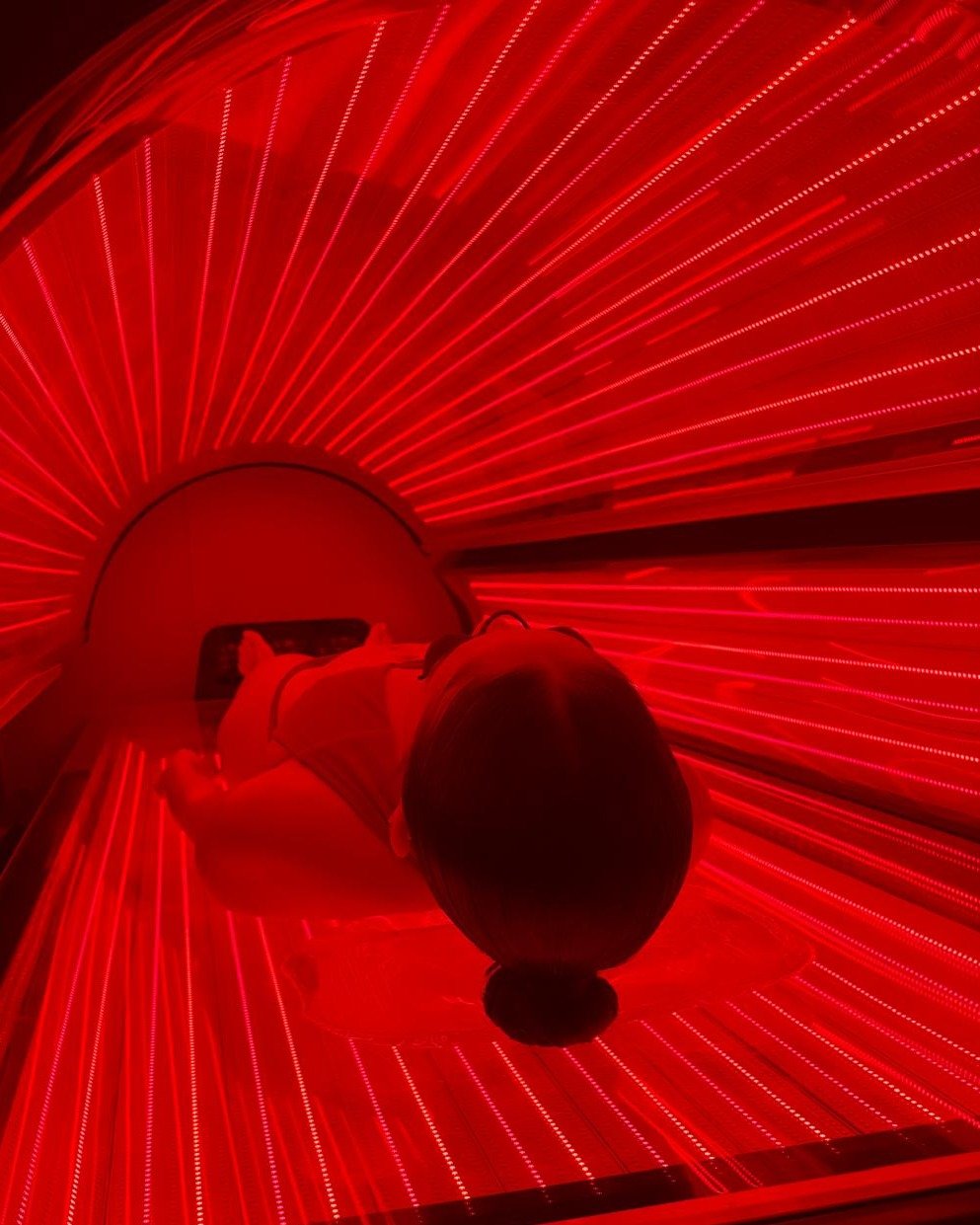
Intervention: Under a sports medicine specialist’s guidance, Emma introduced 15 minutes of full-body red light panel sessions 45 minutes before bed—five nights per week—and wore a red light eye mask for an additional 10 minutes upon waking.
Outcomes: Within three weeks, Emma reported falling asleep 25 % faster, sleeping through the night more consistently, and experiencing a 30 % reduction in perceived muscle soreness. Her performance metrics improved, and she credited the restful nights for her enhanced endurance.
Conclusion
Persistent sleep troubles can feel inescapable, but red light therapy presents a gentle, evidence-based pathway to reclaiming restorative rest—without pills or invasive procedures. By stimulating cellular energy, supporting melatonin production, and promoting relaxation, targeted red light sessions can synchronize your circadian rhythm, deepen sleep stages, and minimize grogginess. When combined with a calm environment, consistent routines, and mindful relaxation techniques, RLT becomes a cornerstone of a holistic sleep strategy. Ready to let red light guide you to better nights? Begin with small, regular doses this evening and track your progress—you may find the glowing answer to your sleep woes is closer than you think.
Frequently Asked Questions
1. Is red light therapy safe for everyone?
Red light therapy is generally considered safe for most adults when used as directed, since it uses low-level, non-UV wavelengths. However, individuals with photosensitivity disorders or those on photosensitizing medications should consult a healthcare professional before starting RLT. Pregnant women and those with epilepsy triggered by light should also seek medical advice.
2. How long before noticing sleep improvements?
Many users report initial improvements—such as quicker sleep onset and reduced nighttime awakenings—within 1–2 weeks of consistent use. For deeper, more sustained changes in sleep architecture, plan for a 4–6 week trial, tracking your sessions and sleep quality to fine-tune timing and dosage.
3. Can I use red light therapy during the day?
While daytime RLT can support skin health and muscle recovery, it won’t aid sleep unless used strategically in the evening. Daytime red light has minimal impact on circadian cues; saving sessions for 30–60 minutes before bedtime is most effective for harmonizing your sleep-wake cycle.

 EN
EN EN_GB
EN_GB DE
DE EL
EL ES
ES UZ
UZ FR
FR IT
IT JA
JA CS
CS DA
DA DE_AT
DE_AT FI
FI ET
ET HR
HR FR_BE
FR_BE HU
HU KO
KO IS
IS KA
KA LT
LT NL
NL UK
UK TR
TR SV
SV SR
SR SL
SL SK
SK RU
RU RO
RO PT
PT NB
NB AR
AR CY
CY