





Introduction
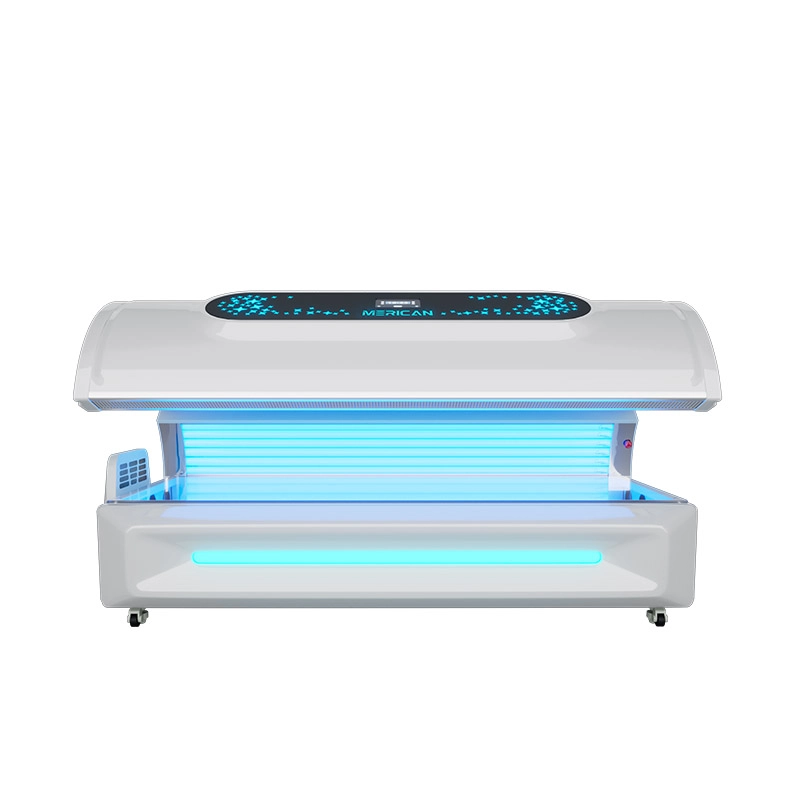
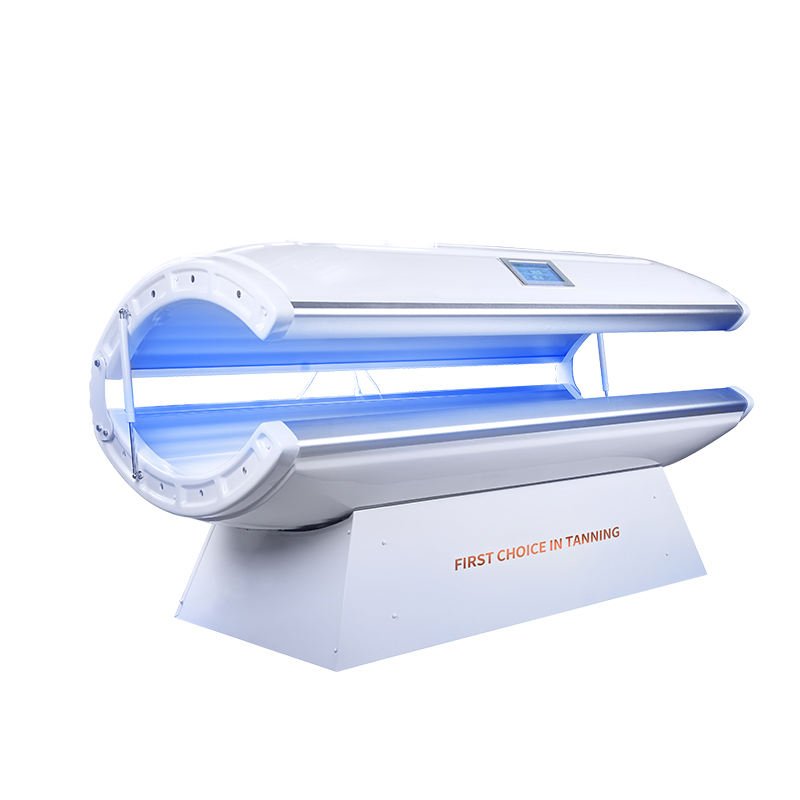
Many people enjoy a good tan, whether it’s to look better in a swimsuit or simply to boost their mood with a golden glow. Tanning beds offer a quicker way to achieve this look compared to traditional sunbathing. However, frequent exposure to UV rays—whether from the sun or a tanning bed—can be harmful to your skin. It’s essential to understand how often you should use a tanning bed to prevent skin damage and ensure long-lasting results.
This article will discuss the recommended frequency of tanning bed use, the impact of skin type on tanning sessions, safety tips, and more. By the end, you’ll have a clear understanding of how to tan responsibly and safely while still achieving the perfect tan.

How Often Should You Use a Tanning Bed?
For Beginners
If you’re new to tanning beds, it’s crucial to start slow to avoid overexposing your skin to harmful UV rays. In your first week, limit your tanning sessions to 2 to 3 times a week, with each session lasting no more than 3 to 10 minutes. The duration of your sessions will depend on your skin type, which we’ll dive into in a moment.
After the first week, assess how your skin reacts to the tanning sessions. If you don’t notice any excessive redness or burns, you can gradually increase the number of sessions. Aim for 3 to 4 sessions per week. However, remember to never exceed the recommended time limit for your skin type and the specific tanning bed you’re using.
Once you’ve achieved your desired tan, you can transition to “maintenance mode.” For maintenance, you can reduce your sessions to once or twice a week to preserve the tan without overexposing your skin to UV radiation.
Important Note
These guidelines are general. Your skin type, health, and age will play significant roles in determining how often you can use a tanning bed. Always listen to your body, and if you notice any signs of irritation, take a break and consult a professional.
Understanding Skin Types and Tanning Bed Frequency
Your skin type plays a pivotal role in determining how much UV exposure you can tolerate. Dermatologists classify skin into six types, ranging from very fair to very dark. Let’s explore how your skin type affects the frequency of tanning bed use.
Skin Type I (Very Fair)
People with Type I skin usually have pale skin, freckles, and light-colored eyes. Their skin is very sensitive and prone to burning easily. If you have Type I skin, tanning in a bed should be approached with extreme caution. This skin type doesn’t tan well and is more likely to burn than to develop a golden glow.
Recommendation: It is generally advised to avoid traditional tanning methods for people with Type I skin. Instead, opt for alternatives like spray tans or self-tanning lotions, which offer a bronzed look without UV exposure.
Skin Type VI (Very Dark)
At the other end of the spectrum, Type VI skin is naturally darker and has built-in protection against sunburn. People with this skin type are less likely to burn but still face risks of overexposure.
Recommendation: If you have Type VI skin, you can tolerate longer tanning sessions of around 10 minutes and can typically use a tanning bed 3 to 4 times per week.

Skin Types II – V
For those with skin types II through V, which range from fair to dark, the frequency of tanning bed use falls somewhere between the extremes. Generally, fairer skin requires less exposure, while darker skin can tolerate more frequent sessions.
Recommendation: If you have these skin types, a good rule of thumb is to start with shorter sessions (3-5 minutes) and gradually build up as your skin adjusts to UV exposure.
Important Tanning Bed Tips
1. Pre-Tan Skin Care
Always start by cleansing your skin before entering the tanning bed. Removing makeup, dirt, and oil ensures that your skin absorbs the UV rays more evenly. Additionally, exfoliating your skin prior to tanning will remove dead skin cells, helping you achieve a smoother, longer-lasting tan.
2. Use Indoor Tanning Lotion
Indoor tanning lotions are specifically designed to work with UV light. These lotions help accelerate the tanning process and keep your skin moisturized. Dry skin doesn’t tan as well, so hydration is key for a flawless tan.
3. Protect Your Eyes
Never forget to wear protective eyewear when using a tanning bed. Regular sunglasses will not protect your eyes adequately against the intense UV rays produced by tanning beds. Ensure you wear the correct protective goggles designed for tanning sessions.
4. Avoid Overexposure
Moderation is essential. Avoid tanning for prolonged periods or increasing your frequency too quickly. If you notice any redness or discomfort, it’s time to take a break. Pay attention to your skin’s reaction and follow the recommended session times for your skin type.
5. Post-Tan Care
After your tanning session, hydrate your skin with a good-quality moisturizer. This not only helps lock in moisture but also prevents your skin from peeling. Aloe vera-based products, coconut oil, or shea butter are excellent choices for soothing and nourishing your skin.
6. Consult a Professional
If you’re unsure about the frequency or duration of your tanning sessions, don’t hesitate to consult a tanning salon professional. They can offer personalized recommendations based on your skin type and desired results.
Can You Use Sunscreen in a Tanning Bed?
A common question is whether you should apply sunscreen before using a tanning bed. The answer is no. Sunscreen creates a barrier between your skin and UV rays, which will interfere with the tanning process. For the best results, go into the tanning bed with clean, product-free skin.
Tanning with Sensitive Skin
If you have sensitive skin, you need to approach tanning with extra care. Sensitive skin is more likely to react to UV radiation, leading to irritation or burns. Here’s what you can do to protect your skin:
Start Slowly
Begin with shorter sessions (3-5 minutes) and space out your tanning sessions.
Use Sensitive-Skin-Specific Products
Invest in lotions designed for sensitive skin. These help hydrate and protect your skin during tanning.
Consider Your Medications and Diet
Some medications and foods can increase skin sensitivity to UV rays. Consult with your doctor if you’re on medications that might affect your skin’s reaction to UV light.
FAQs
1. How long is a typical tanning bed session?
Tanning bed sessions usually last 5 to 10 minutes, but the exact time depends on your skin type and tanning goals. Beginners should start with shorter sessions.
2. Can you use sunscreen in a tanning bed?
Sunscreen should not be used in a tanning bed, as it will block UV rays and reduce the effectiveness of your tan. Clean, product-free skin is ideal before your session.
3. How often should you use a tanning bed?
For beginners, 2-3 sessions per week is recommended. Once you’ve reached your desired tan, reduce your sessions to once or twice a week for maintenance.
Conclusion
Tanning beds can be a convenient way to achieve that glowing, bronzed look, but it’s essential to use them responsibly. The key to using tanning beds safely is understanding your skin type, following recommended usage guidelines, and taking proper care of your skin before and after each session.
By staying mindful of your skin’s needs, taking precautions, and avoiding overexposure, you can enjoy a healthy and radiant tan all year long. Always prioritize your skin’s health over achieving the darkest tan, and you’ll be able to flaunt a beautiful, safe glow every time.



 EN
EN EN_GB
EN_GB DE
DE EL
EL ES
ES UZ
UZ FR
FR IT
IT JA
JA CS
CS DA
DA DE_AT
DE_AT FI
FI ET
ET HR
HR FR_BE
FR_BE HU
HU KO
KO IS
IS KA
KA LT
LT NL
NL UK
UK TR
TR SV
SV SR
SR SL
SL SK
SK RU
RU RO
RO PT
PT NB
NB AR
AR CY
CY