No. 55, Science Avenue, Shushan Modern Industrial Park, Shou County, huainan, China
How much is a red light therapy bed session?
Table of Contents
1. Introduction: What Is Red Light Therapy and Why Should You Care?
Red light therapy (RLT) has gained significant attention as a natural, non-invasive treatment for a variety of health and wellness concerns. With its ability to rejuvenate skin, alleviate pain, promote muscle recovery, and even stimulate hair growth, RLT is proving to be an incredibly versatile therapy. As more people seek non-pharmaceutical ways to address common ailments, the demand for red light therapy is growing rapidly.
However, as with any treatment, one of the key questions that comes up is: How much does red light therapy cost? Whether you’re considering visiting a clinic for professional treatment or investing in an at-home device, this guide will explore the costs, benefits, and key factors you should know when deciding whether to incorporate red light therapy into your wellness routine.
2. Understanding the Science Behind Red Light Therapy
Red light therapy involves exposing the skin to specific wavelengths of red and near-infrared light. These wavelengths penetrate the skin at varying depths, helping to stimulate cellular processes, reduce inflammation, and promote healing. The primary mechanism of action is the stimulation of mitochondria in cells, which increases the production of adenosine triphosphate (ATP), the energy currency of the cell. This increased energy helps cells repair and regenerate more efficiently, improving skin health, reducing pain, and speeding up recovery times.
Although the treatment has gained recognition for its cosmetic benefits, such as improving skin tone and reducing signs of aging, it is also widely used for therapeutic purposes, including pain relief, muscle recovery, and even enhancing hair growth. The diverse applications of red light therapy have made it an increasingly popular option for individuals looking for natural solutions to various health issues.
3. Where Can You Get Red Light Therapy?
Red light therapy can be administered either professionally at a clinic or spa, or at home with a personal device. Both options have their pros and cons, with clinic treatments typically offering more powerful devices and professional supervision, while at-home devices provide convenience and long-term cost savings.
Red Light Therapy in Clinics and Spas
At a clinic, red light therapy sessions are usually guided by dermatologists or licensed skincare professionals. Clinics often offer a range of services, from targeted treatments for specific conditions, such as acne or muscle pain, to full-body sessions designed to treat chronic conditions like arthritis. One of the main benefits of visiting a clinic is access to high-powered, professional-grade equipment that may not be available in at-home devices.
Red Light Therapy at Home
On the other hand, home devices offer the flexibility of conducting red light therapy sessions on your own schedule, without the need to commute or pay for multiple visits. Many high-quality devices are available for home use, providing convenience and long-term value by allowing you to perform treatments at your own pace and comfort. We’ll dive deeper into the costs and benefits of at-home devices in the next sections.
4. How Much Does Red Light Therapy Cost in Clinics?
If you’re considering professional red light therapy treatments, you may be wondering: “How much does red light therapy cost per session?” The answer can vary depending on several factors, including the location of the clinic, the area being treated, and the number of sessions required. On average, you can expect to pay between $50 and $200 per session.
Initial Costs for Red Light Therapy at Clinics
If you are looking to treat a single condition, you will typically need about 2-3 sessions per week for 1-4 months. For example, treating a specific condition with red light therapy could cost around $50 per session, which would total approximately $600 for one month of treatment (12 sessions). This price could vary based on location and clinic overhead costs.
Long-Term Costs for Chronic Conditions
If you’re seeking treatment for chronic conditions, such as muscle pain, arthritis, or skin disorders, the costs can add up over time. For full-body treatments or ongoing maintenance, the cost can rise significantly. For example, full-body treatments for 3 months may cost up to $7,300. In some cases, individuals with chronic conditions may require continuous sessions for years, pushing the total lifetime cost to over $10,000.
Discounts and Memberships
Many clinics offer discounts for bulk purchases or membership plans, which can help reduce the overall cost. For instance, if you commit to purchasing a series of sessions upfront or buy a membership, you may receive a discount of 10-20%, which can help make the treatment more affordable in the long run.
5. How Much Does Red Light Therapy Cost at Home?
For those seeking a more affordable long-term solution, at-home red light therapy devices provide a cost-effective alternative. With the right device, you can perform multiple treatments without the need to schedule appointments or pay per session. At-home devices are also a great way to treat multiple conditions simultaneously, such as skin rejuvenation, pain relief, and muscle recovery.
Initial Costs for Red Light Therapy at Home
If you’re on a budget and looking for a smaller device, you can find portable options for as low as $269 for the HEALTHLIGHTEN Red Light Therapy Panel . Alternatively, the HEALTHLIGHTEN Portable offers a more robust solution . These devices are ideal for treating localized areas of the body, such as your face or joints.
Long-Term Savings with At-Home Devices
Although you’ll need to invest in the device upfront, the overall cost is significantly lower than ongoing clinic visits. For example, if you were to spend $480 for 12 sessions at a clinic, purchasing an at-home device would pay for itself after just one month. Plus, with proper maintenance, an at-home device can be used indefinitely, providing consistent value over time.
High-End At-Home Devices
If your doctor recommends full-body red light therapy for chronic pain or skin conditions, a larger and more powerful device may be necessary. One of the top devices on the market is the Red Light Therapy HEALTHLIGHTEN. This panel is ideal for those treating full-body conditions such as arthritis or for athletes looking to optimize performance and recovery.
6. Why At-Home Devices are a Better Investment
While clinical treatments provide immediate access to professional-grade devices, investing in an at-home red light therapy device offers several long-term advantages. Not only are at-home treatments more affordable over time, but they also provide a range of additional benefits:
Privacy: You can perform treatments in the comfort of your home, making it easier to treat sensitive areas without feeling self-conscious.
Control: At-home devices allow you to adjust the intensity, duration, and frequency of your treatments to suit your personal needs.
Time Savings: Perform red light therapy while doing other tasks, such as reading, working, or relaxing.
Portability: Many devices are compact and portable, making it easy to take them on the go, ensuring you can stick to your routine even while traveling.
7. What to Look for When Buying a Red Light Therapy Device
When purchasing a red light therapy device for home use, it’s essential to consider the quality and specifications to ensure the device will deliver the results you expect. While it’s tempting to opt for cheaper options, low-cost devices may not provide the necessary power or wavelength to achieve therapeutic benefits. Here’s what to look for when choosing a device:
Size and Coverage
For full-body treatments, opt for a large panel that covers the entire body. Mid-sized panels, which typically cost between $500 and $1,500, are ideal for targeting specific areas, such as the face or back.
Wavelength
Look for devices that use both red (600-650 nm) and near-infrared (800-850 nm) light. Red light is effective for treating skin-deep conditions, while near-infrared light penetrates deeper to address joint, muscle, and bone health. Both wavelengths work synergistically to provide the best results.
Power Density (Irradiance)
The power density, measured in milliwatts per square centimeter (mW/cm²), indicates the strength of the light emitted by the device. A higher power density ensures deeper penetration and more effective treatment. Look for a device with a power density of at least 100 mW/cm².
Safety Features
Many devices come with built-in timers and safety goggles to ensure safe and effective use. Look for devices that are EMF-free and avoid flickering lights, which can disrupt the therapy and cause discomfort.
8. Conclusion: The Future of Red Light Therapy
Red light therapy offers a wide range of benefits, from skin rejuvenation to chronic pain relief, making it a valuable addition to your wellness routine. Whether you choose to invest in clinic sessions or purchase an at-home device, the long-term benefits and cost savings make red light therapy a compelling option for improving your overall health. As you explore your options, consider factors such as device quality, treatment frequency, and overall cost to determine the best solution for your needs.
By understanding the science, costs, and various devices available, you can confidently make an informed decision about incorporating red light therapy into your health and wellness regimen. Whether for personal use or professional treatment, the potential benefits of this therapy are well worth exploring.
9. Frequently Asked Questions (FAQs)
Q1: Is red light therapy worth the money?
Yes, red light therapy has been clinically proven to improve skin health, reduce inflammation, relieve pain, and enhance muscle recovery. Over time, investing in an at-home device can provide significant cost savings compared to repeated clinic visits.
Q2: How long does a red light treatment last?
Each red light therapy session typically lasts between 10-20 minutes, depending on the device and the area being treated. Most people see results after several sessions, with continued benefits over weeks or months.
Q3: How much is a session of light therapy?
In-clinic red light therapy sessions typically cost between $50 and $200, depending on the size of the area being treated and the location. At-home devices are generally more cost-effective in the long term.
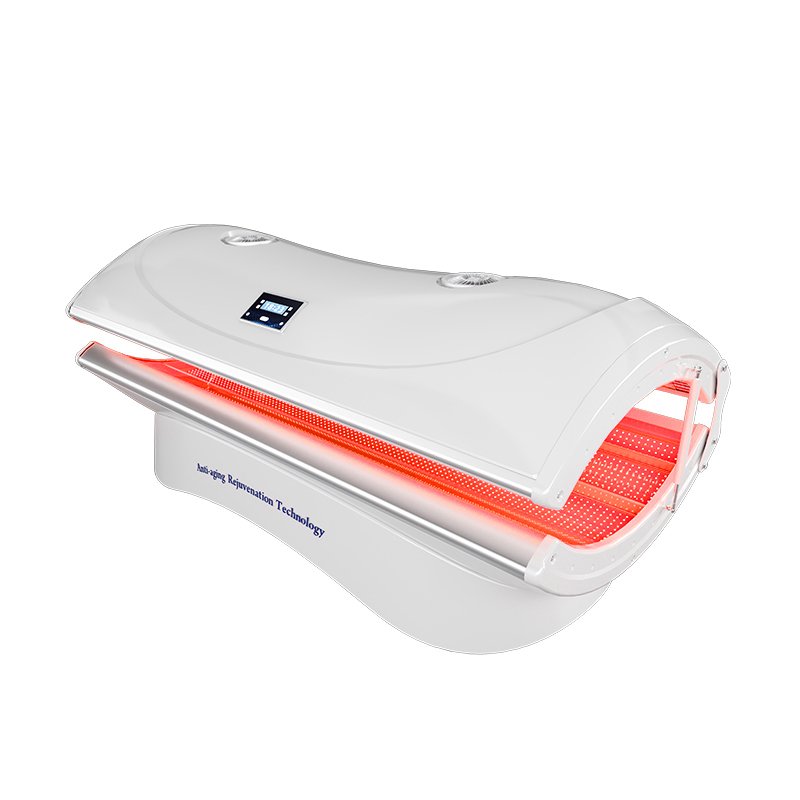
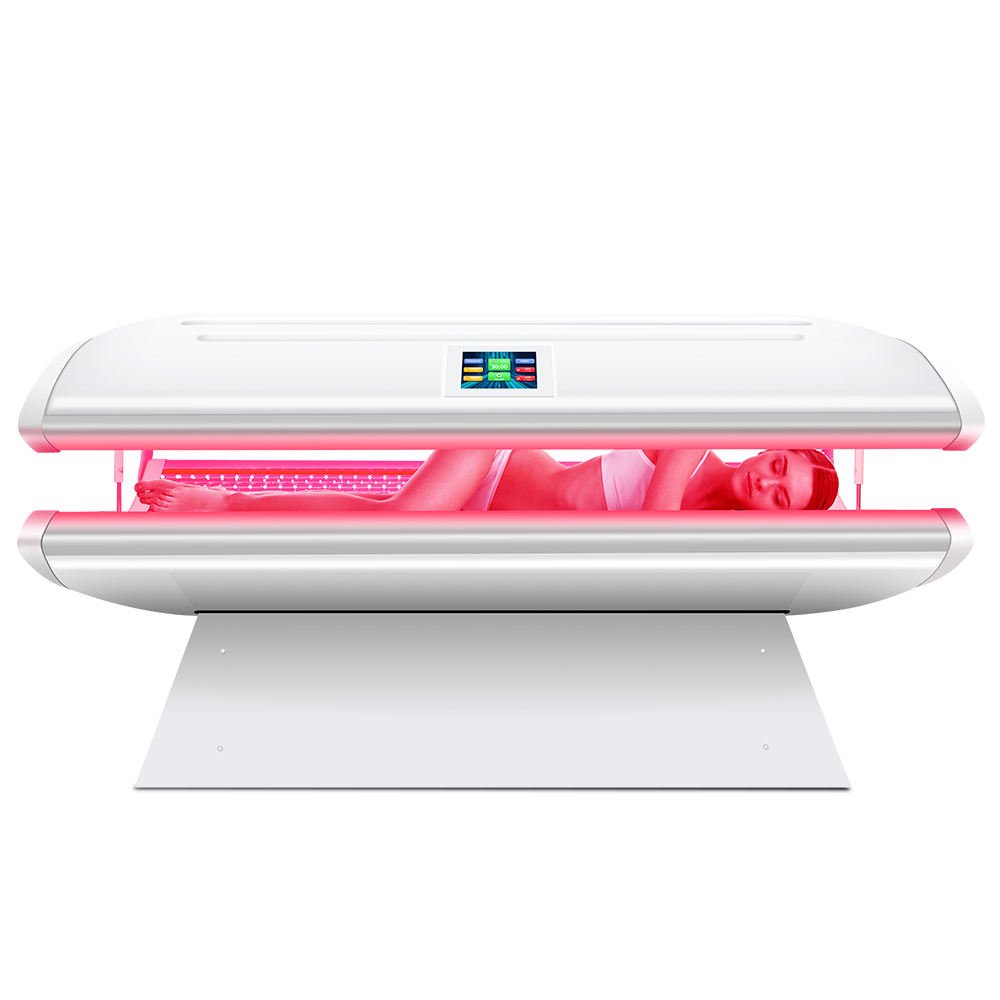
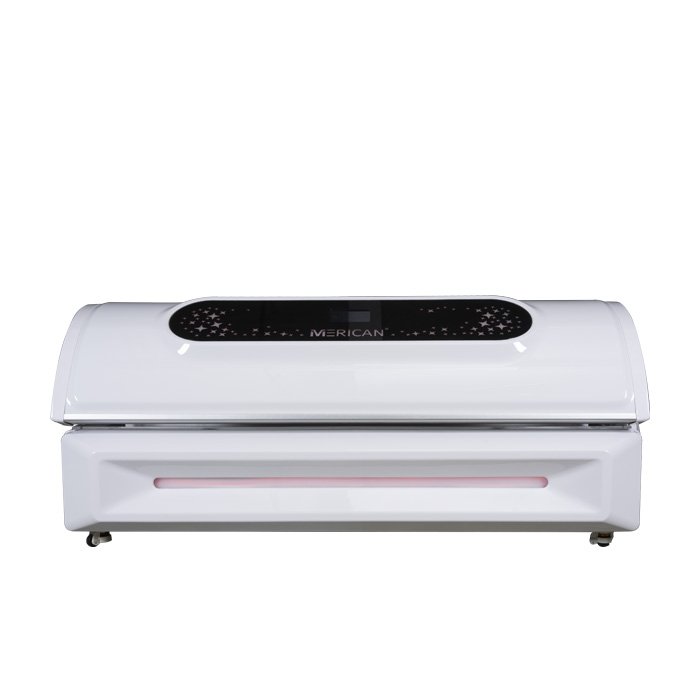
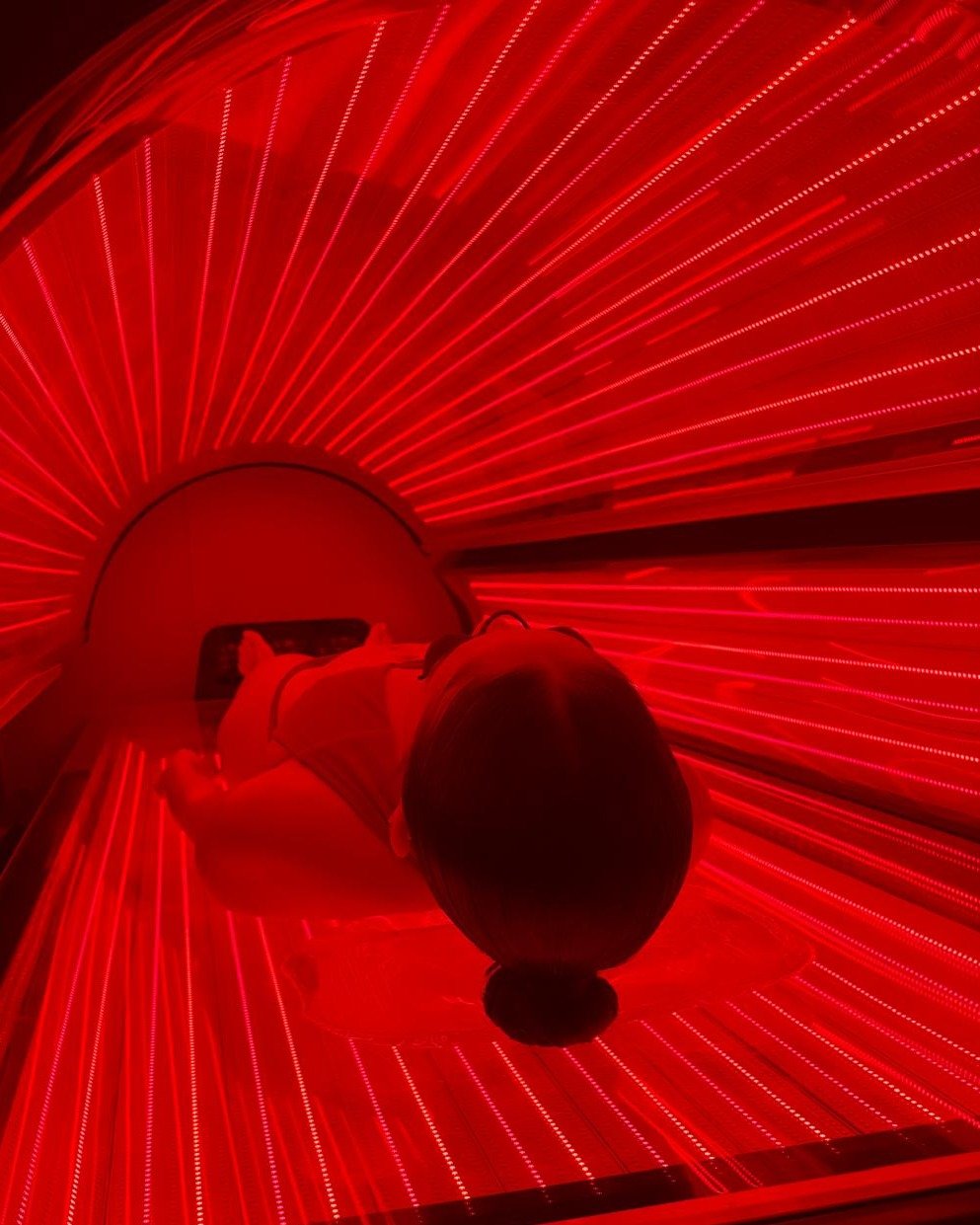
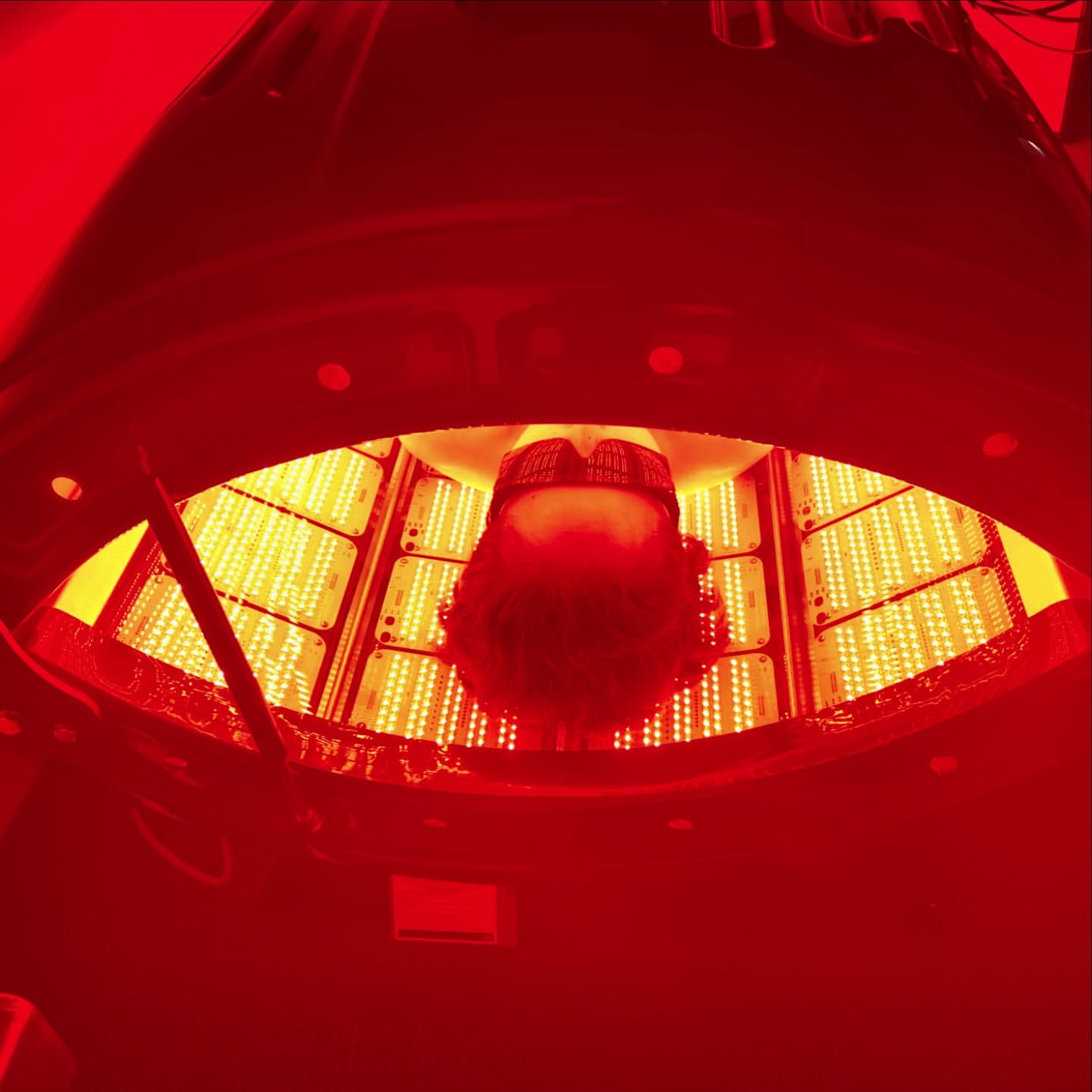
Lying on a red light therapy bed provides a comprehensive, non-invasive systemic treatment that utilizes specific wavelengths of red and near-infrared light to stimulate cellular energy production, drastically reduce bodily inflammation, and accelerate the natural repair of tissues and skin.
Red light therapy acts as a bio-energetic boost for your body, functioning primarily by stimulating the mitochondria—the “power plants” within your cells—to produce more energy in the form of Adenosine Triphosphate (ATP). When your cells have more energy, they function more efficiently
If you are curious about the timeline for seeing tangible improvements from red light therapy, the answer lies in understanding that this is a cumulative biological process, much like exercise or nutrition






 EN
EN EN_GB
EN_GB DE
DE EL
EL ES
ES UZ
UZ FR
FR IT
IT JA
JA CS
CS DA
DA DE_AT
DE_AT FI
FI ET
ET HR
HR FR_BE
FR_BE HU
HU KO
KO IS
IS KA
KA LT
LT NL
NL UK
UK TR
TR SV
SV SR
SR SL
SL SK
SK RU
RU RO
RO PT
PT NB
NB AR
AR CY
CY