
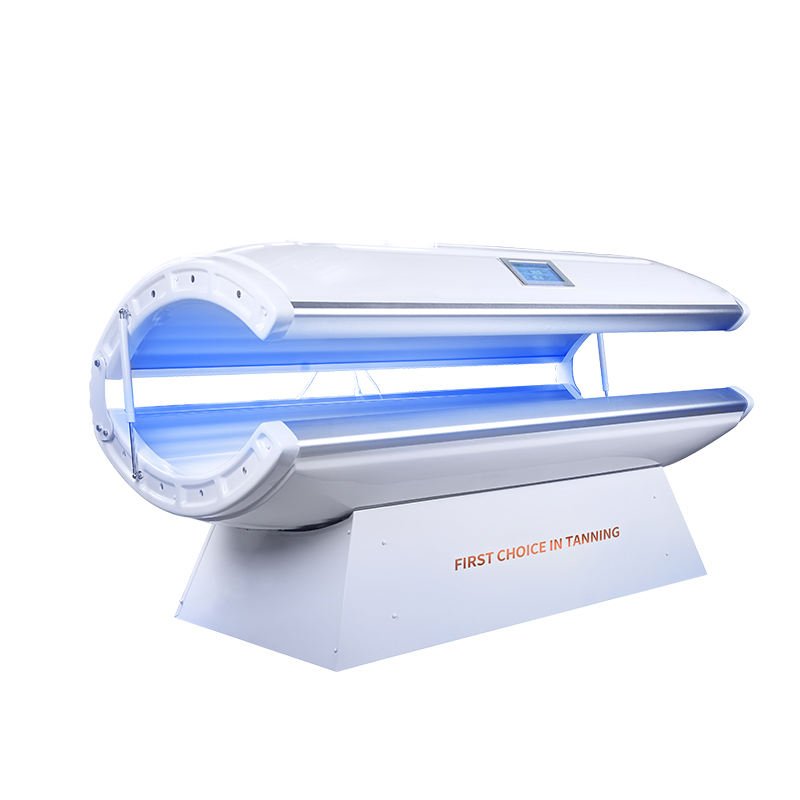
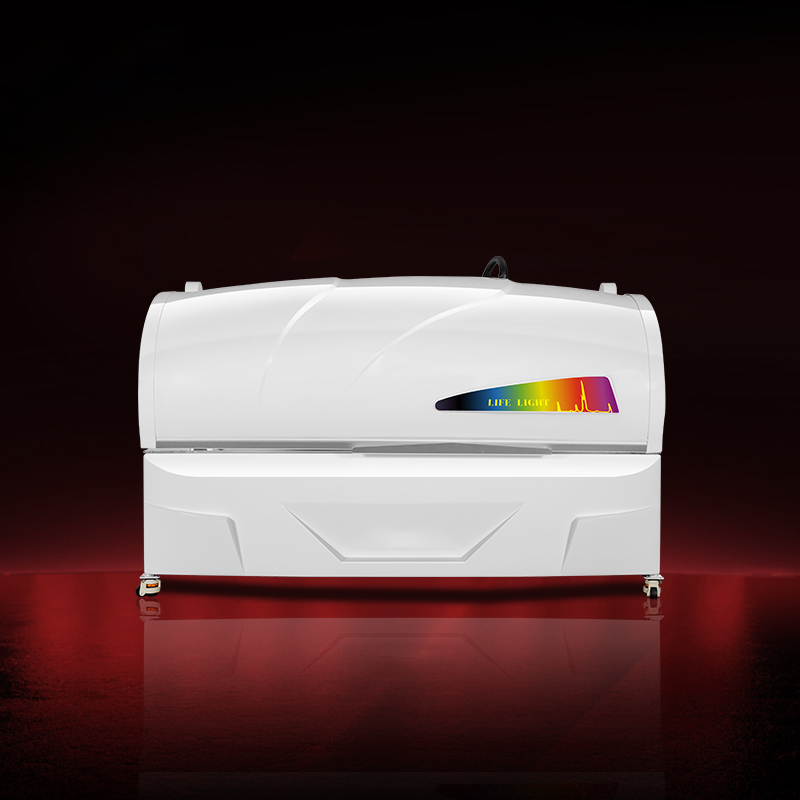
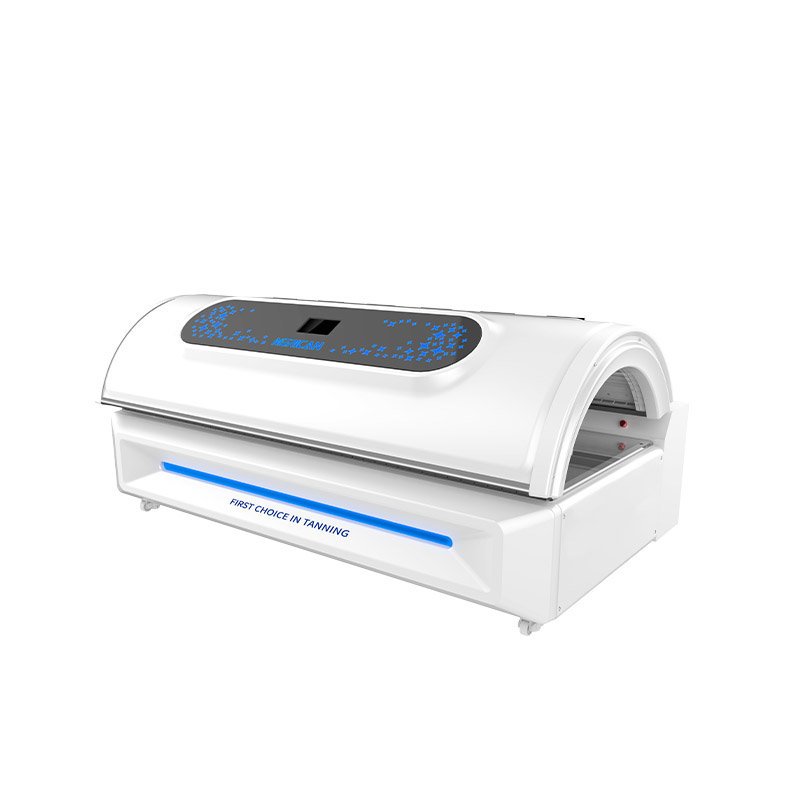
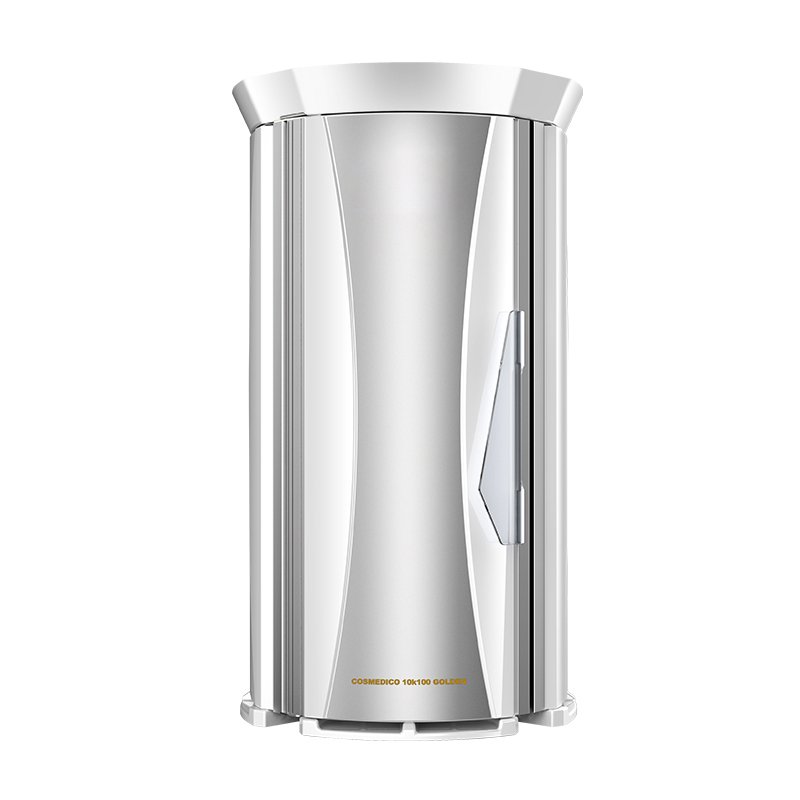

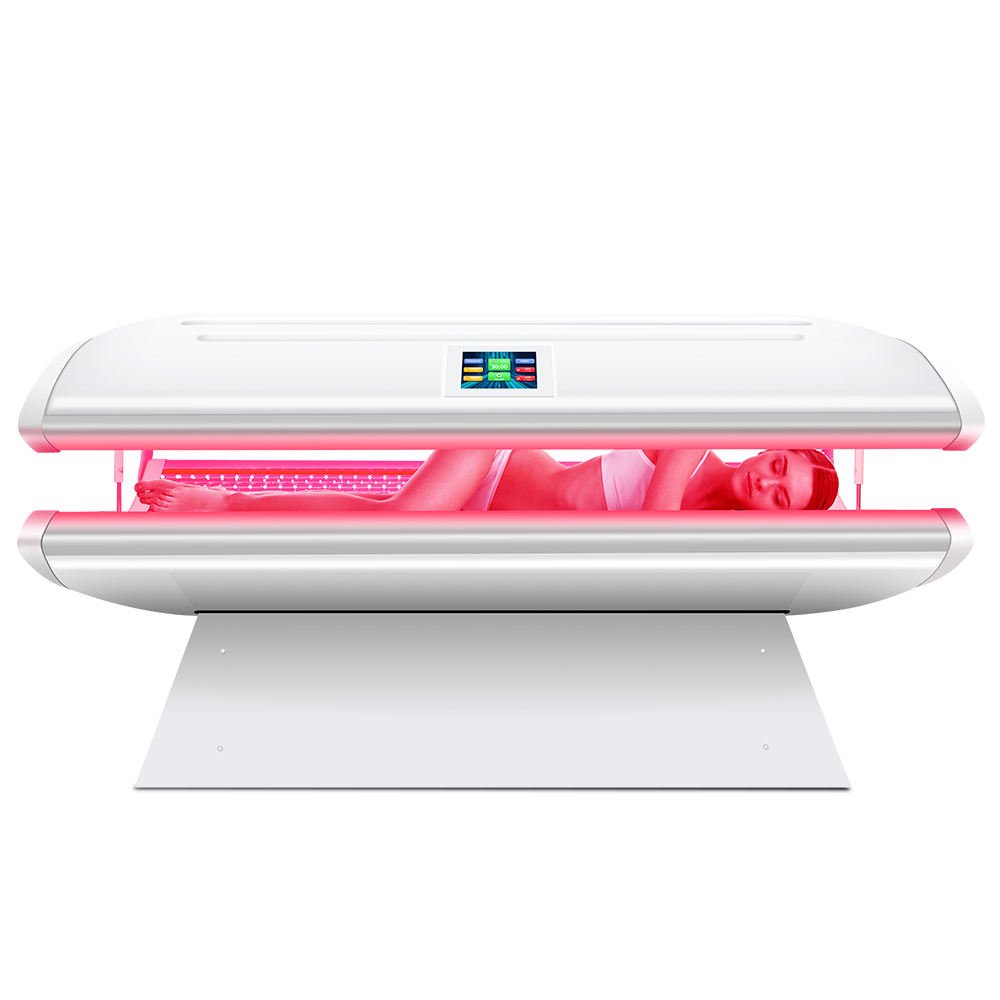
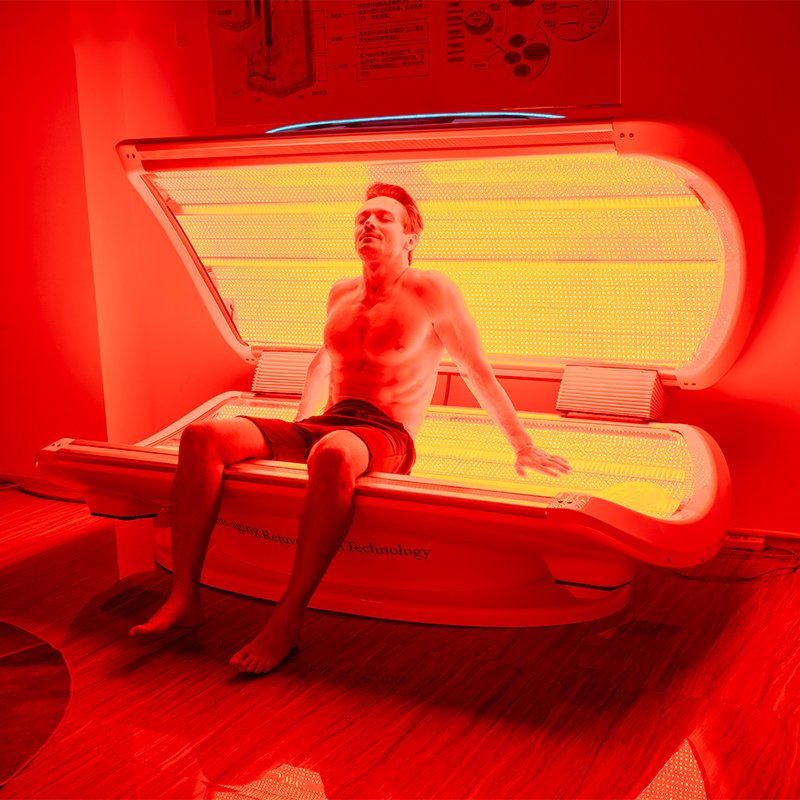
Tanning using solarium tanning beds is a popular way to achieve a bronzed glow without the need for direct sunlight. However, one common question people have is how many sessions it takes to develop a noticeable tan. The answer is not straightforward, as the number of sessions required depends on various factors, including skin type, previous tanning history, and the duration of each session.
This comprehensive guide will explore the factors that influence how many solarium tanning bed sessions you need to get a perfect tan, how to safely achieve your desired color, and how to maintain it over time.
1. Understanding the Fitzpatrick Skin Type Scale
One of the most important factors in determining how many solarium tanning bed sessions you need is your skin type. The Fitzpatrick scale classifies skin into six different types based on how it reacts to UV light, which can help predict the rate at which you will tan.
Type I (Very Fair Skin)
Those with Type I skin are typically very fair, rarely tan, and can burn easily. People with this skin type need to take extra care, as they are more susceptible to sunburns. Building a base tan will take several sessions, typically around 6–10, with adequate recovery time in between. It is crucial to start with shorter sessions to avoid burns.
Type II (Fair Skin)
People with Type II skin have fair skin that burns easily and may tan slightly. These individuals can expect to require around 4–8 solarium tanning bed sessions to see results. Start with shorter sessions and gradually increase the time spent in the bed to avoid overexposure.
Type III (Light to Medium Skin)
Those with light or medium skin tones tend to burn occasionally but can gradually tan. If you fall into this category, you may see results after around 3–5 sessions, with moderate exposure leading to a more noticeable tan.
Type IV (Medium to Olive Skin)
People with medium to olive skin can achieve their tan quickly. These individuals often need just 2–4 sessions to build a base tan as they naturally produce more melanin. Solarium tanning beds will likely give them faster results with minimal risk of burning.
Type V (Darker Skin)
People with darker skin have a natural ability to tan without burning, requiring only 2–3 sessions to achieve their desired color. Their skin contains higher levels of melanin, which helps them develop a deep tan more quickly.
Type VI (Deeply Pigmented Skin)
Those with deep, richly pigmented skin tend to tan very quickly and rarely burn. For these individuals, one or two solarium tanning bed sessions may be sufficient to achieve a noticeable tan, as their skin is already primed for UV exposure.

2. Factors That Influence the Number of Sessions
While your skin type plays a significant role in determining how quickly you can tan, there are other factors to consider:
Melanin Levels
The amount of melanin in your skin determines how quickly you can tan. Melanin absorbs UV rays and gives your skin its color. The more melanin your skin produces, the quicker you will tan.
Tanning History
If you already have a base tan from previous sun exposure or solarium tanning bed use, your skin will be more responsive to subsequent sessions. Those with little to no prior tanning history will need more sessions to build a base.
Genetics
Genetics affect how efficiently your skin produces melanin. Some people naturally tan faster than others due to genetic variations that influence melanin production.
3. The Safest Approach to Solarium Tanning Beds
While solarium tanning beds can give you a sun-kissed glow, it’s important to approach it with caution to protect your skin’s health.
Start Slowly
For beginners, it’s best to start with short tanning sessions, around 3 to 5 minutes. This helps your skin gradually adapt to the UV exposure. Over time, you can increase the length of your sessions to 6–10 minutes, depending on how your skin reacts.
Allow Recovery Time
Give your skin time to recover between sessions. Ideally, space your solarium tanning bed visits by at least 48 hours. This allows your skin to process the tanning effects and reduces the risk of burns or skin damage.
Protect Your Skin
Always use sunscreen with a high SPF to protect your skin from the harmful effects of UV rays. Additionally, tanning goggles are a must to protect your eyes from UV damage.
4. How Often Should You Use a Solarium Tanning Bed?
The frequency of your solarium tanning bed sessions largely depends on your tanning goals:
- Base Tan Development: Typically, you’ll need 3–5 sessions per week for 2–3 weeks. During this period, you can gradually increase the time spent in the solarium tanning bed.
- Maintenance of Tan: Once you’ve developed your tan, you’ll only need 1–2 sessions per week to maintain your glow.
Avoid overusing the solarium tanning bed, as excessive exposure can lead to skin damage and long-term health risks.
5. Can You Over-Tan? Signs You’ve Had Too Many Sessions
While it’s tempting to spend more time in the solarium tanning bed, overdoing it can lead to harmful consequences. Here are some signs that you’ve had too many sessions:
- Redness and Soreness: If your skin becomes red or sore, you’ve likely overexposed it to UV rays.
- Dryness or Peeling: Over-tanning can dehydrate your skin, causing it to become flaky or peel, which disrupts the tanning process.
- Increased Sensitivity: If your skin feels irritated or overly sensitive, it’s time to stop tanning and let it heal.
- Uneven Tan: Tanning too quickly can result in streaky or uneven pigmentation. Gradual tanning leads to smoother, more even results.

6. How Long Does It Take to Achieve a Tan?
Achieving a noticeable tan doesn’t happen overnight. The results of your solarium tanning bed sessions will gradually appear over the course of several days. Typically, you’ll start to notice a subtle tan after 1–2 sessions, but a more noticeable color will begin to show after 3–5 sessions.
The time it takes to reach your desired shade depends on several factors:
- Skin Type: Lighter skin types may take longer to develop a tan compared to darker skin types, which generally tan faster.
- Session Frequency: If you have frequent sessions, you may see faster results, but be sure to give your skin adequate time to recover between sessions.
- Session Length: Longer sessions may provide quicker results, but it’s better to start slowly to avoid overexposure.
Once you’ve achieved your desired color, you can maintain it with regular sessions.
7. Maintaining Your Tan Long-Term
Once you’ve reached your ideal shade, maintaining your tan is key to keeping that healthy glow. Follow these tips to ensure long-lasting results:
- Hydration: Keep your skin moisturized to help maintain your tan. Well-hydrated skin holds onto color longer and tans more evenly.
- Exfoliation: Regularly exfoliate your skin to remove dead skin cells and prevent uneven fading.
- Avoid Over-Tanning: Even once you’ve reached your desired shade, don’t overdo it. Stick to maintenance sessions to keep your skin safe and healthy.
8. Safety Considerations When Tanning
Solarium tanning beds should be approached with caution. While they offer a quick tan, overexposure can lead to premature aging, skin damage, and even an increased risk of skin cancer. Always prioritize your skin’s health and safety:
- Use high-quality tanning goggles to protect your eyes.
- Monitor how your skin reacts after each session, and take a break if you notice any irritation or redness.
- Follow professional advice regarding tanning products and skin care.
9. Consult with Tanning Professionals
For expert advice and a more personalized approach, consider consulting a tanning professional at your local salon. They can help you:
- Choose the right solarium tanning bed for your skin type.
- Develop a customized tanning plan to ensure the safest and most effective results.
- Recommend skin care products that will help you maintain your tan and keep your skin healthy.
10. The Role of Solarium Tanning Beds
To speed up your tanning process, consider using solarium tanning beds. These beds offer controlled exposure to UV light, allowing for a deeper tan with fewer sessions. Many solarium tanning beds are equipped with advanced features that provide more even and efficient tanning.
Using solarium tanning beds can help you achieve a deeper, longer-lasting tan while reducing the time needed for tanning. They are especially effective when used in conjunction with a consistent tanning routine and proper aftercare to keep your skin healthy.
11. Conclusion
Achieving a beautiful, bronzed tan through solarium tanning beds requires time, patience, and careful attention to your skin’s health. By understanding your skin type, taking a gradual approach to tanning, and following aftercare routines, you can enjoy a safe and natural-looking tan without compromising your skin’s safety.
Remember, moderation is key, and always listen to your skin. For more guidance or personalized tanning advice, visit your local salon and speak with a professional.
FAQs:
1. How many solarium tanning bed sessions do I need to develop a tan?
The number of sessions required depends on your skin type. Lighter skin types may need 6–10 sessions, while darker skin types may achieve results in as few as 2–4 sessions.
2. Can I use a solarium tanning bed every day?
No, it’s important to allow your skin to recover between sessions. Aim for 3–5 sessions per week during the initial tanning period and then reduce to 1–2 sessions per week for maintenance.
3. How can I protect my skin while tanning on a solarium tanning bed?
Always wear tanning goggles to protect your eyes and use sunscreen with a high SPF to prevent skin damage. Additionally, monitor your skin’s reaction and avoid excessive exposure to UV rays.

 EN
EN EN_GB
EN_GB DE
DE EL
EL ES
ES UZ
UZ FR
FR IT
IT JA
JA CS
CS DA
DA DE_AT
DE_AT FI
FI ET
ET HR
HR FR_BE
FR_BE HU
HU KO
KO IS
IS KA
KA LT
LT NL
NL UK
UK TR
TR SV
SV SR
SR SL
SL SK
SK RU
RU RO
RO PT
PT NB
NB AR
AR CY
CY