

Indoor tanning has gained widespread popularity in the beauty and skincare world as a controlled and convenient way to get that sun-kissed glow. While traditional sun tanning has long been a staple for achieving bronzed skin, tanning beds now offer an efficient, weather-independent solution. But a common question persists: How long does a tan from a tanning bed actually last?
In this comprehensive guide, we’ll explore how tanning beds work, the types of beds available, what to expect during the tanning process, and how long results typically last. We’ll also provide expert tips on maintaining your tan, mistakes to avoid, and answers to some frequently asked questions.

1. Understanding Tanning Beds: A Modern Way to Bronze
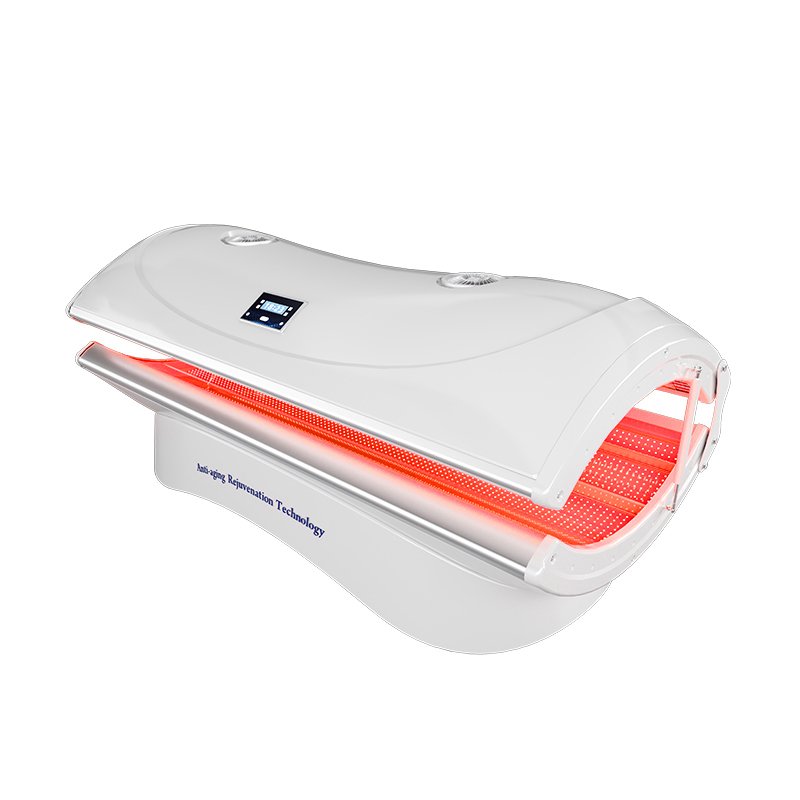
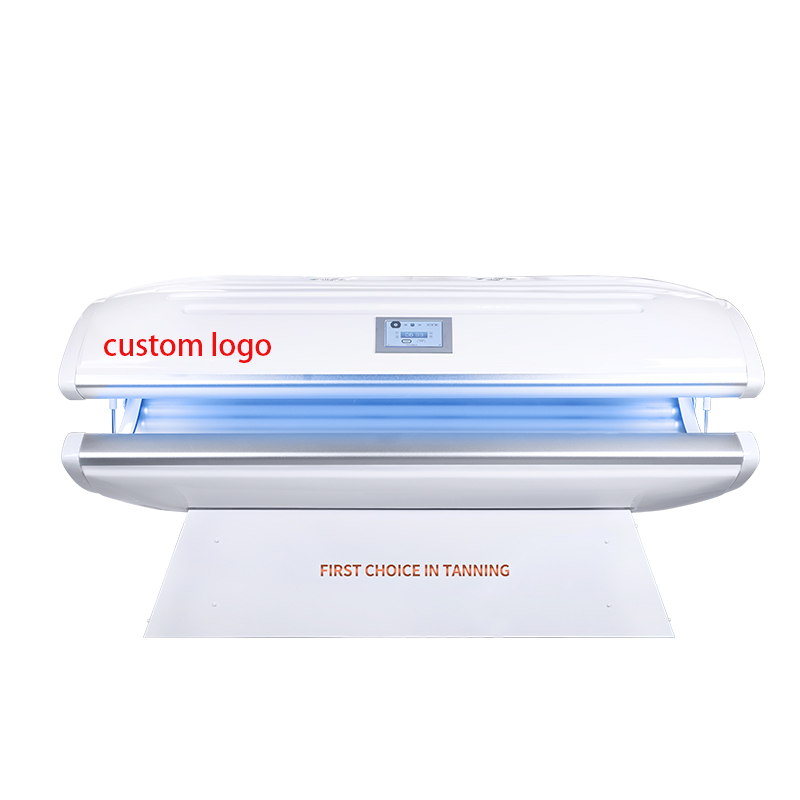
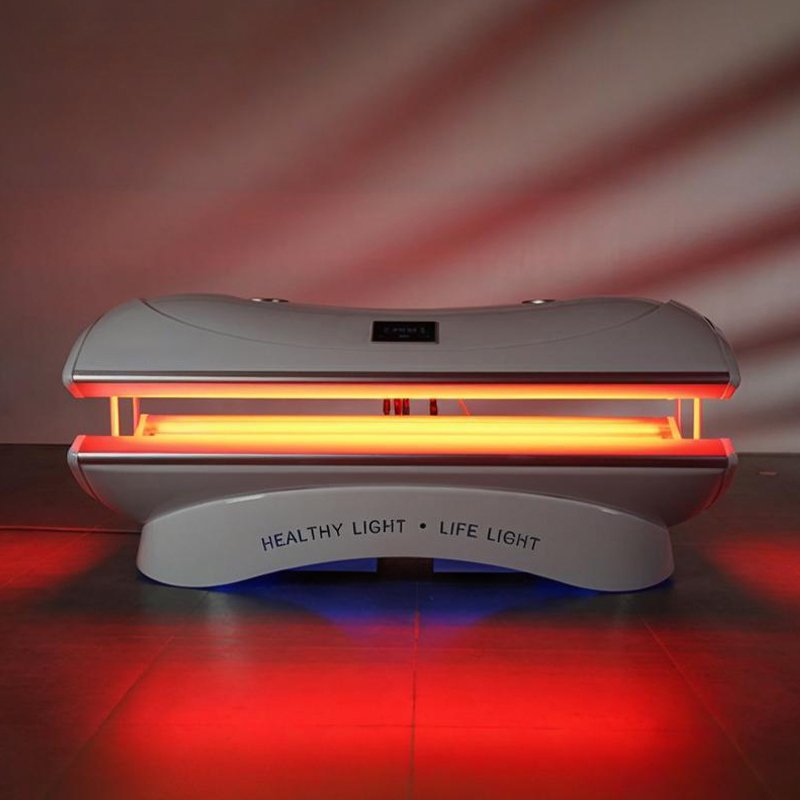
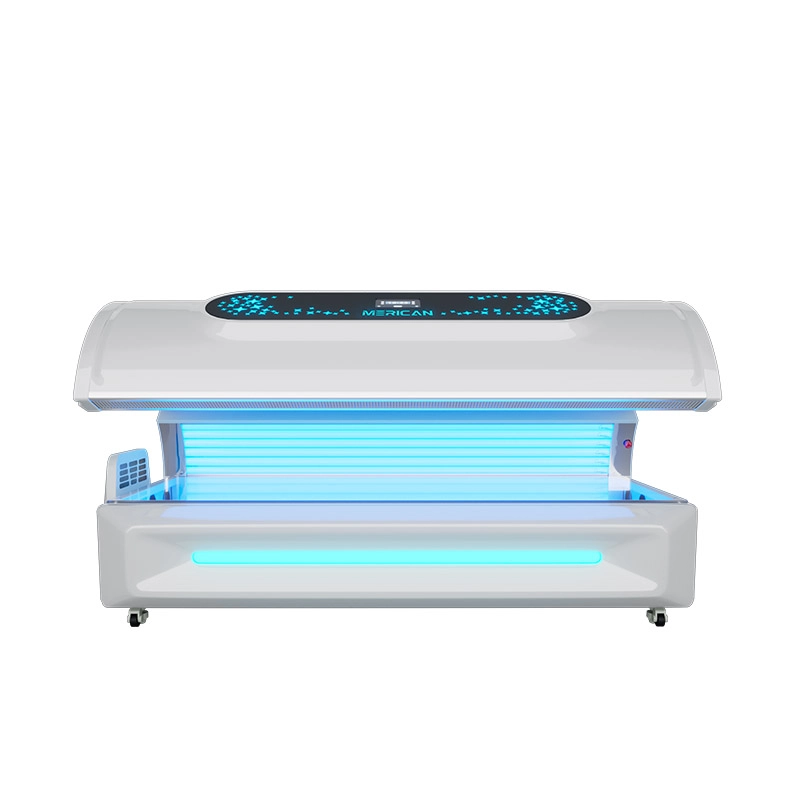
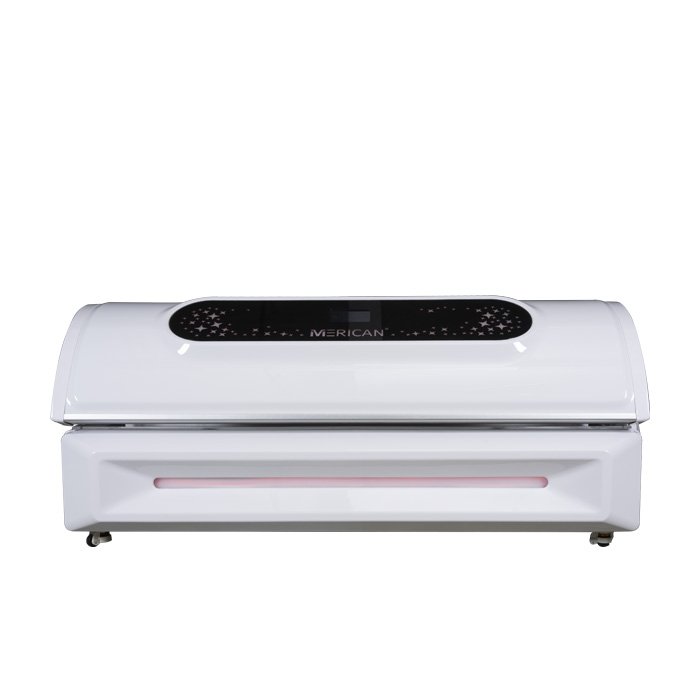
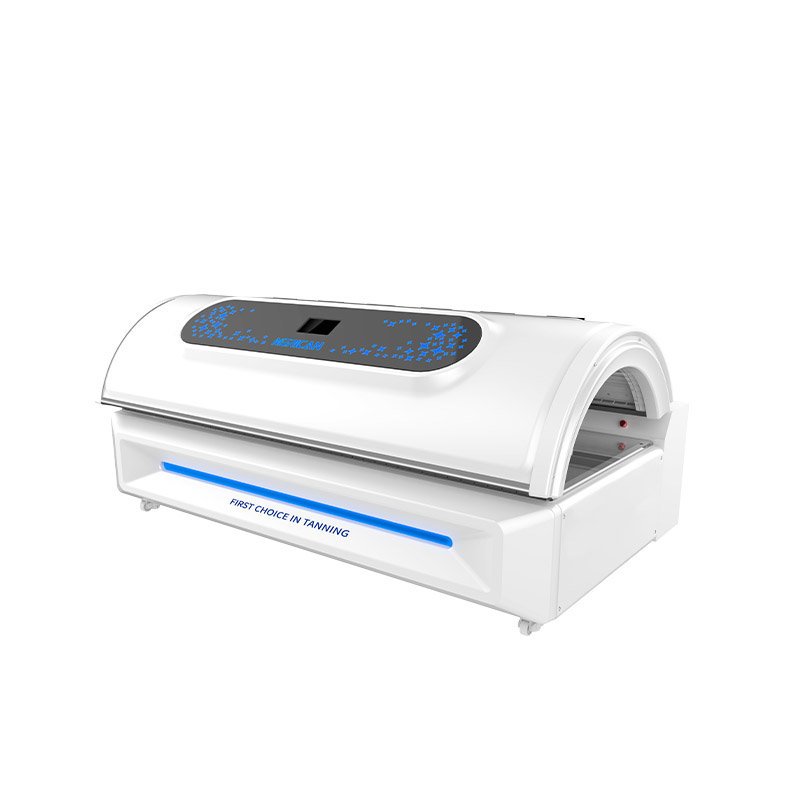
Tanning beds are specially designed machines that replicate the ultraviolet (UV) radiation of the sun. They’re used indoors to darken the skin through exposure to UV rays, giving the skin a deeper, more radiant color.
Tanning beds emit UVA and UVB rays, which simulate the sun’s effects but in a controlled setting:
- UVA Rays: These have longer wavelengths, penetrate deeper into the skin, and produce a quicker tan.
- UVB Rays: These have shorter wavelengths, target the upper layers of skin, and stimulate melanin production, which develops the tan over time.
The UV exposure stimulates melanocytes, which are skin cells responsible for producing melanin—the pigment responsible for tanning. Depending on the type of tanning bed used, the intensity, and your skin’s response, the results may vary.
2. Different Types of Tanning Beds and Their Effects
Tanning beds aren’t one-size-fits-all. There are different types of beds that cater to varying skin sensitivities and tanning preferences. Here’s a breakdown of the most commonly used ones:
2.1 Low-Pressure Tanning Beds
- UV Lamp Count: 20–32 bulbs
- Tanning Speed: Slow to moderate
- UV Intensity: Higher
- Best For: Experienced tanners who tan easily
These beds emit higher amounts of UVB rays and can take about 20+ minutes per session to build a base tan. Since UVB rays can be more intense, there is an increased risk of sunburn, especially for fair-skinned individuals. To maintain a consistent glow, frequent sessions are often necessary.
2.2 Medium-Pressure Tanning Beds
- UV Lamp Count: 33–54 bulbs
- Tanning Speed: Moderate
- UV Intensity: Lower than low-pressure beds
- Best For: Balanced tanning with reduced risk of burning
These beds offer a mix of UVA and UVB rays, requiring less time for each session and providing quicker results with reduced skin irritation.
2.3 High-Pressure Tanning Beds
- UV Lamp Count: Varies, but with stronger bulbs
- Tanning Speed: Fast
- UV Intensity: Lowest (filters out up to 99% of UVB rays)
- Best For: Deep, long-lasting tans with minimal burning
Although these beds are more expensive, they provide a richer tan that penetrates deeper and lasts longer. Tanners typically need fewer sessions, and the chance of sunburn is significantly minimized.
3. The Indoor Tanning Experience: What to Expect
Before diving into a tanning session, proper preparation and process awareness are essential. Here’s what a typical tanning bed experience involves:
3.1 Consult a Professional First
Not all skin types respond well to UV rays. That’s why speaking with a trained spa technician or skincare expert is crucial. They’ll help determine:
- Your skin type
- The best bed type for your needs
- Session durations
- Potential contraindications (e.g., skin conditions or medications)
3.2 Inspect the Equipment
Ensure that the tanning salon adheres to hygiene and safety standards. Clean, well-maintained equipment is essential for your safety. Check:
- Cleanliness of the tanning bed
- Bulb condition and function
- Reviews or testimonials about the spa
3.3 Choose Appropriate Attire
You can opt to tan nude or wear minimal clothing like a swimsuit. Whatever you choose, make sure to apply a moisturizer or tanning lotion to prevent dry or uneven patches. Some salons provide disposable garments or protective wear.
3.4 Prepare Your Skin
- Exfoliate: Remove dead skin cells to promote an even tan.
- Moisturize: Hydrate your skin to prevent dryness.
- Use indoor tanning lotion: These are specially formulated to protect skin and enhance tanning.
- Apply lip balm: Prevents your lips from chapping during the session.
3.5 Wear Eye Protection
UV rays can harm your eyes permanently. Goggles must be worn at all times. Adjust them slightly if you’re concerned about tan lines—but never remove them during the session.
3.6 Position Your Body for Even Exposure
Avoid staying in one position throughout the session. Ask the technician how to reposition your limbs to prevent uneven tanning or white lines (especially under the arms or along bikini lines).
3.7 Aftercare: Don’t Shower Immediately
Let your tan set by waiting at least 3 to 4 hours before showering. This allows the melanin to fully develop and deepen your tan. If needed, apply moisturizer post-session to soothe and rehydrate your skin.
4. How Long Does a Tan from a Tanning Bed Last?
The longevity of your tan depends on several factors, including the type of tanning bed, your skin type, and how well you maintain your skin afterward.
General Tanning Duration by Bed Type:
| Tanning Bed Type | Estimated Duration |
|---|---|
| Low-Pressure | 7–10 days |
| Medium-Pressure | 10–14 days |
| High-Pressure | 27–30 days |
Your skin naturally exfoliates every 28–30 days, and with it, the tan fades as the outermost skin layer sheds. This is why maintaining your tan requires a good skincare routine and periodic touch-up sessions.
5. Tips for Making Your Tanning Bed Results Last Longer
- Hydrate Daily: Moisturized skin retains pigment better.
- Avoid Hot Baths: Heat accelerates exfoliation. Choose lukewarm showers instead.
- Use Tan-Extending Products: Special lotions with bronzers or color boosters can help.
- Drink Plenty of Water: Hydration from within keeps your skin elastic and glowing.
- Skip Exfoliation for a Week: Don’t scrub your skin right after tanning.
- Limit Chlorine Exposure: Pools and hot tubs can fade your tan faster.
- Wear Loose Clothing: Tight clothes can rub off newly tanned skin.
6. Common Mistakes to Avoid After Indoor Tanning
- Skipping Moisturizer: Dry skin flakes faster, causing uneven fading.
- Not Using Tanning Lotions: They help enhance and preserve the color.
- Overexposing Yourself: More isn’t always better—too much UV can damage skin.
- Showering Immediately After: Wait at least 3–4 hours post-session.
- Ignoring Touch-ups: Don’t wait until your tan is completely gone to refresh it.
7. Is Indoor Tanning Better Than Sun Tanning?
While neither method is risk-free, indoor tanning offers advantages over natural sun exposure:
- Controlled Exposure: You’re not at the mercy of unpredictable UV intensity like when tanning under the sun.
- Quicker Results: High-pressure beds can give a rich tan in just a few sessions.
- Year-Round Availability: No need to wait for summer or a beach trip.
- Supervised Treatment: Professionals are available to monitor skin reactions.
That said, moderation is key. Overexposure to UV rays, whether from the sun or beds, can lead to premature aging or increase the risk of skin cancer. Always follow recommended safety protocols.
8. Frequently Asked Questions
Q1: How soon can I shower after a tanning bed session?
It’s best to wait 3 to 4 hours before taking a shower. This gives your skin enough time to develop and set the tan properly.
Q2: Can I use outdoor tanning oils in a tanning bed?
No. Tanning bed lotions are specially formulated for indoor use. Outdoor oils can damage the acrylic surface of tanning beds and reduce their effectiveness.
Q3: How often should I tan in a tanning bed to maintain my color?
Depending on the bed type and your skin tone, once every 7 to 10 days is usually sufficient. For high-pressure beds, once every 3 to 4 weeks may suffice.
Conclusion: A Glow That Lasts—with the Right Care
Tanning beds offer a reliable and convenient way to achieve beautifully bronzed skin without relying on the sun. Depending on the type of tanning bed used, your tan can last anywhere from a week to a full month. However, maintaining it requires diligent skincare, hydration, and smart practices.
When done responsibly, indoor tanning can give you that radiant, healthy glow year-round. Make sure to consult with professionals, use the right products, and avoid post-tan mistakes for optimal, long-lasting results.
Whether you’re new to tanning beds or a seasoned user, knowing how they work and how to care for your skin can make all the difference in achieving a gorgeous, long-lasting tan.

 EN
EN EN_GB
EN_GB DE
DE EL
EL ES
ES UZ
UZ FR
FR IT
IT JA
JA CS
CS DA
DA DE_AT
DE_AT FI
FI ET
ET HR
HR FR_BE
FR_BE HU
HU KO
KO IS
IS KA
KA LT
LT NL
NL UK
UK TR
TR SV
SV SR
SR SL
SL SK
SK RU
RU RO
RO PT
PT NB
NB AR
AR CY
CY