No. 55, Science Avenue, Shushan Modern Industrial Park, Shou County, huainan, China
does red light therapy work for neuropathy in feet
Table of Contents
Perfect Beginning
Foot neuropathy—numbness, tingling, burning or sharp discomfort in the toes, soles and arches—can turn the simple act of standing or walking into an ordeal. Whether it stems from diabetes, chemotherapy, compression injuries or other systemic disorders, neuropathic pain in the feet undermines mobility, sleep quality and overall well-being. Standard treatments often rely on medications with unwanted side effects, invasive procedures or lifestyle modifications that deliver only partial relief. Emerging as a promising, non-invasive, drug-free alternative, red light therapy (also known as low-level light therapy or photobiomodulation) harnesses specific wavelengths of red and near-infrared light to stimulate cellular repair, reduce inflammation and soothe damaged nerves.
In this comprehensive guide, you’ll discover how red light therapy works at a cellular level to address foot neuropathy, the types of devices and protocols suitable for home use, safety considerations, and practical tips to integrate this therapy into your daily routine. We’ve also included two extra features—a guided foot mobility routine and a printable symptom tracker—to help you optimise outcomes. Finally, our FAQ section answers your most pressing questions so you can make an informed decision about trying red light therapy for neuropathic foot pain.
1. Understanding Foot Neuropathy and Its Impact
Foot neuropathy refers to damage or dysfunction of the peripheral nerves that supply sensation and motor control to the feet. Common causes include:
Diabetic neuropathy: Chronic high blood sugar levels injure nerve fibres, leading to numbness, burning or sharp pains in the feet and lower legs.
Chemotherapy-induced neuropathy: Certain cancer drugs can damage sensory nerves, causing tingling, hypersensitivity or pain.
Entrapment syndromes: Conditions like tarsal tunnel syndrome compress the posterior tibial nerve as it passes under the ankle, producing foot discomfort and weakness.
Vitamin deficiencies & metabolic disorders: Lack of B12, alcoholism and hypothyroidism can all impair nerve health.
Idiopathic neuropathy: In some cases, the cause remains unknown despite extensive workup.
Symptoms may include hypersensitivity to touch, burning or “electric” shocks, muscle weakness, balance problems and even foot ulcers in severe diabetic cases. Left unmanaged, neuropathy diminishes quality of life by limiting mobility, disturbing sleep, increasing fall risk and, in advanced cases, leading to chronic wounds and infections.
Conventional treatments—antidepressants, anticonvulsants, topical agents and opioids—often bring side effects such as drowsiness, dizziness or gastrointestinal issues. Physical therapy, orthotics and lifestyle changes offer partial relief. Clearly, there is a pressing need for complementary approaches that are safe, easy to administer and able to promote genuine nerve repair rather than simply masking symptoms.
2. What Is Red Light Therapy? A Primer on Photobiomodulation
Red light therapy (RLT), interchangeably called low-level light therapy (LLLT) or photobiomodulation, employs specific wavelengths of visible red (620–660 nanometres) and near-infrared (810–850 nanometres) light to penetrate skin and underlying tissues. Unlike ultraviolet (UV) rays, these non-ionising wavelengths do not damage DNA or cause sunburn; instead, they are absorbed by mitochondrial chromophores—primarily cytochrome c oxidase. This absorption triggers:
Enhanced ATP production: Cells generate more adenosine triphosphate, the energy currency that powers repair processes.
Reduction of oxidative stress: Light exposure modulates reactive oxygen species, balancing cell signalling and preventing excess damage.
Upregulation of growth factors: Increased levels of vascular endothelial growth factor (VEGF) and nerve growth factor (NGF) foster new blood vessel formation and nerve regeneration.
Anti-inflammatory effects: Cytokine profiles shift away from pro-inflammatory mediators, reducing local swelling and pain.
Originally developed in the 1960s for wound healing and hair restoration, RLT has gained clinical traction in sports medicine, dermatology and neurology. Its advantages include:
Non‐invasiveness—no needles or incisions.
Drug‐free—no systemic side effects.
Ease of application—many devices suit home use.
Minimal downtime—patients resume normal activities immediately.
For foot neuropathy, the ability to directly target superficial nerves with clinically proven wavelengths positions red light therapy as a compelling adjunct or stand‐alone modality.
3. How Red Light Therapy Alleviates Neuropathic Foot Pain
Red light therapy combats neuropathy through multiple synergistic pathways:
3.1 Boosting Nerve Cell Energy
Damaged or degenerating neurons often suffer compromised mitochondria and depleted ATP. By stimulating cytochrome c oxidase, RLT increases ATP synthesis, empowering nerve cells to:
Maintain ion gradients essential for nerve conduction.
Fuel axonal transport of nutrients and organelles.
Synthesize proteins critical for myelin sheath repair.
3.2 Enhancing Microcirculation
Near-infrared light promotes vasodilation via nitric oxide release, improving blood flow to the feet. Better perfusion delivers oxygen, glucose and repair factors to injured nerves while flushing inflammatory metabolites away.
3.3 Modulating Inflammatory Responses
Chronic inflammation perpetuates neuropathic pain by sensitising nociceptors and causing further neural injury. Photobiomodulation down-regulates pro-inflammatory cytokines (IL-1β, TNF-α) and up-regulates anti-inflammatory mediators (IL-10), reducing edema and nociceptor firing.
3.4 Stimulating Neurotrophic Factors
Research indicates RLT increases production of nerve growth factor (NGF) and brain-derived neurotrophic factor (BDNF), which guide axon sprouting and reinnervation of sensory targets. Enhanced neurotrophin signalling accelerates the recovery of nerve conduction velocity, translating clinically into less numbness and tingling.
3.5 Alleviating Pain Signalling
Through a combination of ion channel modulation and reduced inflammatory mediators, RLT downshifts pain signal amplification. Patients frequently report an immediate sense of warmth and reduced allodynia (pain from non-painful stimuli) after sessions.
4. Choosing and Using Red Light Therapy Devices at Home
For foot neuropathy, several red light therapy formats exist:
Handheld wands: Offer portability but require manual scanning of the foot; best for spot treatment.
Light panels: Mounted on stands or placed on a table, panels cover a large area; ideal for simultaneous treatment of both feet.
Flexible garments embedded with LEDs that conform to the foot’s contours, enabling “hands-free” use while seated.
Key device specifications to assess:
Parameter
Recommended Range
Wavelength
620–660 nm (red) & 810–850 nm (near-infrared)
Irradiance (power density)
20–100 mW/cm² at target surface
Energy density (dose)
5–50 J/cm² per session
Treatment area
Large enough to encompass entire foot or targeted zone
Before purchasing, verify that the device:
Has FDA clearance or equivalent medical certification.
Includes documentation of irradiance measurements at treatment distance.
Offers adjustable treatment settings and timers.
Provides built-in eye protection guidelines or recommends goggles.
**Protocol Guidelines:**
Clean and dry your feet; remove lotions or oils.
Position the device 10–20 cm from the skin surface, depending on manufacturer instructions.
Select an energy density of 10–20 J/cm² for initial sessions; increase gradually if well-tolerated.
Treat each foot for 8–12 minutes, 3–5 times per week.
Monitor for signs of overexposure—persistent redness, heat or discomfort lasting more than two hours.
5. Safety Considerations and Best Practices
While red light therapy is generally safe, observe these precautions:
5.1 Eye and Skin Protection
Although RLT emits non-ultraviolet light, direct exposure to the eyes can cause glare and discomfort. Always wear protective goggles when treating around the ankle or dorsum of the foot. Individuals with photosensitive skin or on photosensitising medication (e.g., certain antibiotics, chemotherapy agents) should start with shorter exposures.
5.2 Contraindications
Avoid RLT over:
Active cancerous lesions without physician approval.
Areas with known hemorrhage or acute inflammation (e.g., gout flare).
Directly over tattoos or pigment irregularities without patch testing.
5.3 Monitoring and Adjusting Treatment
Keep a simple log of session date, duration, irradiance, energy density and subjective outcomes (pain level, sensation). After 4–6 weeks, evaluate progress. If pain diminishes and sensation improves, consider reducing frequency to 2–3 times per week for maintenance.
5.4 Combining Hydration and Topical Primers
Ensure adequate systemic hydration before sessions to support cellular metabolism. If desired, apply a thin layer of conductive gel or primer designed for light therapy to enhance photon penetration without interfering with LED output.
6. Integrating Red Light Therapy into a Comprehensive Care Plan
Red light therapy works best alongside other evidence-based strategies:
Glycemic control: For diabetic neuropathy, maintain strict blood sugar levels to prevent further nerve damage.
Physical therapy: Nerve gliding exercises and gentle plantar stretching help maintain range of motion and prevent adhesions.
Medication management: Coordinate RLT sessions with analgesics or anticonvulsants to optimise pain control without overreliance on drugs.
Nutrition and supplements: Consider B-complex vitamins, alpha-lipoic acid and omega-3 fatty acids, which support nerve health.
By addressing biochemical, mechanical and lifestyle factors concurrently with photobiomodulation, you create a multidimensional approach that accelerates nerve repair and maximises functional improvements.
7. Two Extra Features to Enhance Your Red Light Therapy Experience
Document your journey with this customizable log. Copy and print for daily use:
Date
Pain Level
(0–10)
Sensation
(Numb/Tingl/Sharp)
RLT Dose
(J/cm² × min)
Other Therapies
Notes
Fill in each day to monitor trends and adjust your protocol accordingly.
8. Frequently Asked Questions
Q1. How soon can I expect improvements in my foot neuropathy symptoms?
Individual responses vary, but most users report noticeable pain reduction and improved sensation within 4–6 weeks of consistent treatment (3–5 times weekly). For optimal results, maintain a log, adhere to recommended dosing and combine RLT with other therapeutic modalities.
Q2. Is red light therapy covered by insurance for neuropathy?
Coverage depends on your provider and region. While photobiomodulation is gaining acceptance in clinical practice, at-home devices typically fall under out-of-pocket expenses. Check with your insurer and consider submitting a letter of medical necessity from your physician.
Q3. Can I use red light therapy if I have diabetes and poor circulation?
Yes—RLT is particularly beneficial for diabetic neuropathy because it enhances microcirculation and cellular repair. However, ensure strict glycaemic control and consult your endocrinologist or podiatrist before beginning treatment to tailor doses and schedule.
Perfect Ending
Foot neuropathy doesn’t have to dictate your pace or quality of life. By leveraging red light therapy’s scientifically validated mechanisms—boosting cellular energy, improving blood flow, moderating inflammation and stimulating nerve regeneration—you can address the root causes of neuropathic pain rather than merely masking symptoms. Coupled with targeted foot mobility exercises, systematic symptom tracking and an integrative care plan, RLT empowers you to reclaim comfort, mobility and independence.
Remember to choose a high-quality, certified device; start with gentle doses; monitor your response; and collaborate with healthcare professionals to ensure safety and maximise benefits. Embrace this illuminating path toward healing—your feet will thank you long after the glow fades.
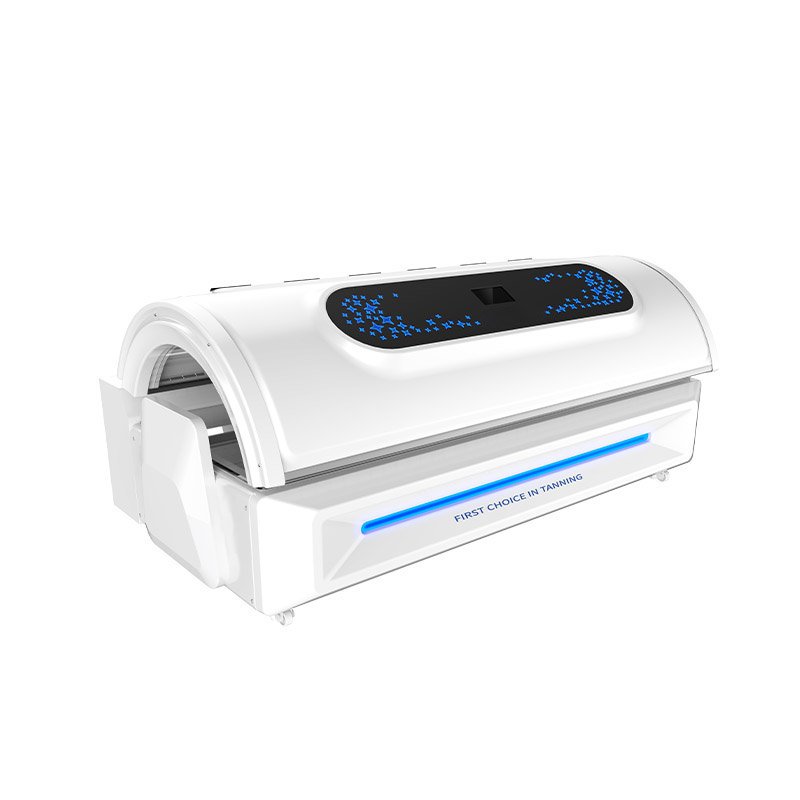
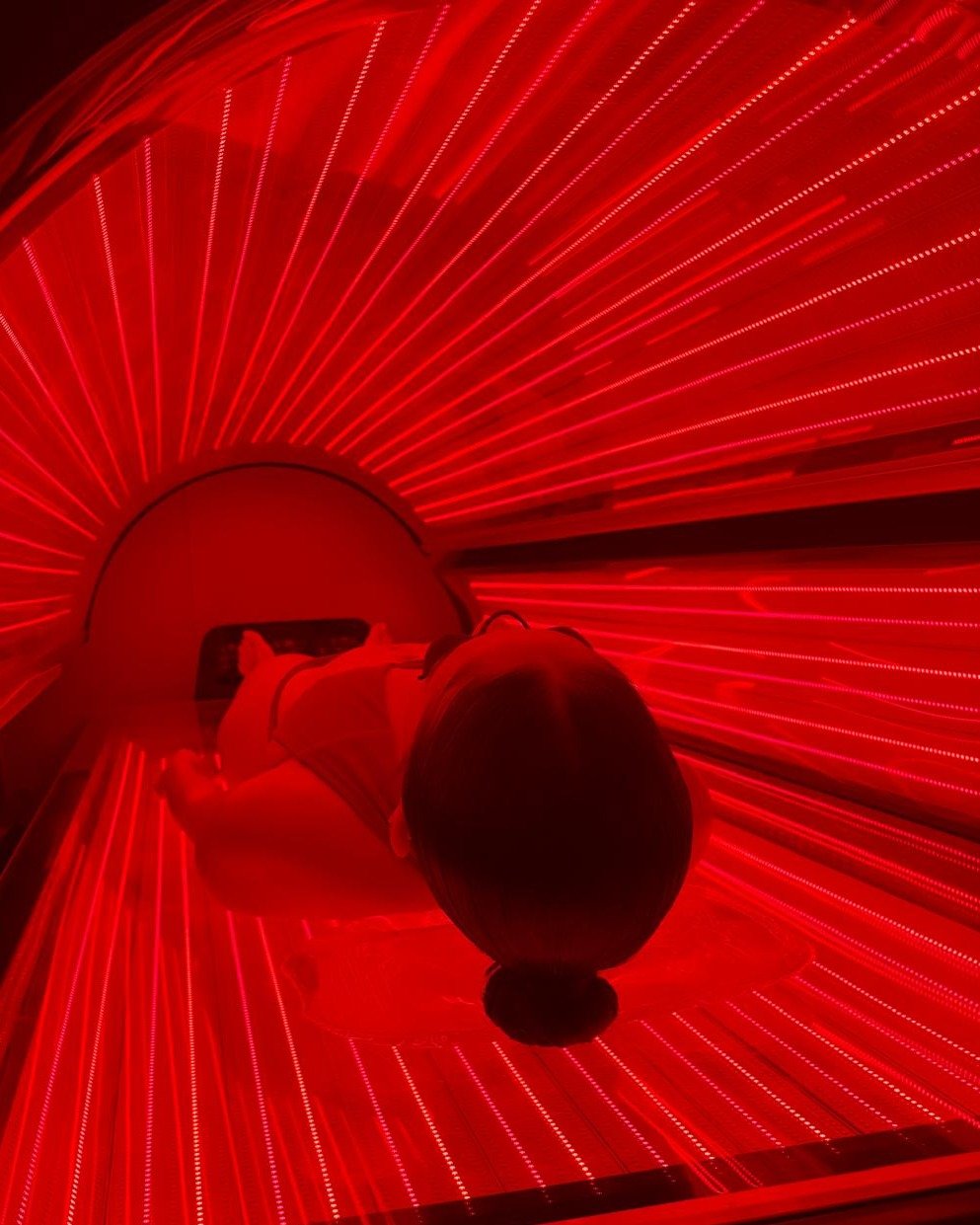
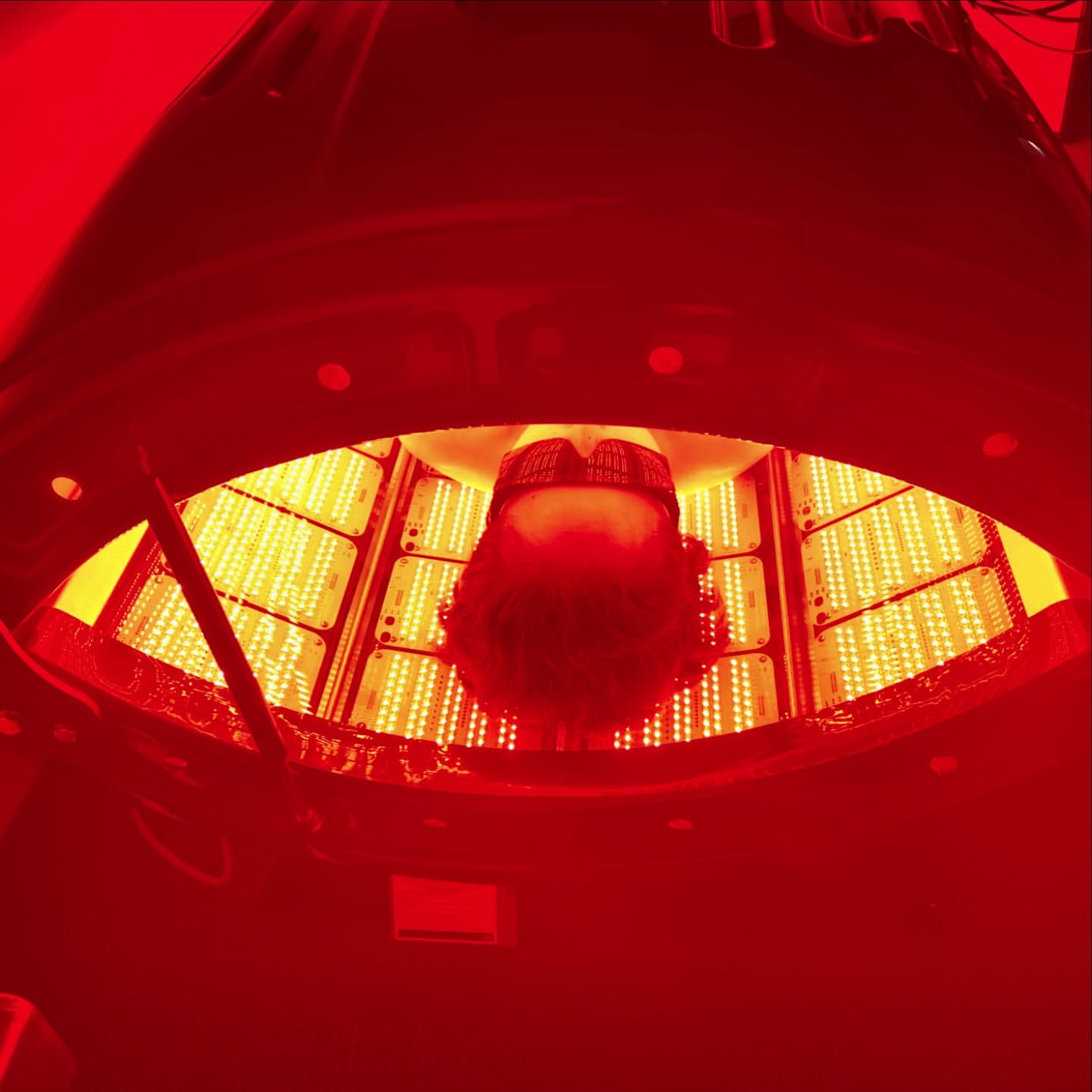
Lying on a red light therapy bed provides a comprehensive, non-invasive systemic treatment that utilizes specific wavelengths of red and near-infrared light to stimulate cellular energy production, drastically reduce bodily inflammation, and accelerate the natural repair of tissues and skin.
Red light therapy acts as a bio-energetic boost for your body, functioning primarily by stimulating the mitochondria—the “power plants” within your cells—to produce more energy in the form of Adenosine Triphosphate (ATP). When your cells have more energy, they function more efficiently
If you are curious about the timeline for seeing tangible improvements from red light therapy, the answer lies in understanding that this is a cumulative biological process, much like exercise or nutrition






 EN
EN EN_GB
EN_GB DE
DE EL
EL ES
ES UZ
UZ FR
FR IT
IT JA
JA CS
CS DA
DA DE_AT
DE_AT FI
FI ET
ET HR
HR FR_BE
FR_BE HU
HU KO
KO IS
IS KA
KA LT
LT NL
NL UK
UK TR
TR SV
SV SR
SR SL
SL SK
SK RU
RU RO
RO PT
PT NB
NB AR
AR CY
CY