No. 55, Science Avenue, Shushan Modern Industrial Park, Shou County, huainan, China
Does Red Light Therapy Work For Hair Loss?
Table of Contents
1. Introduction: How Red Light Therapy Can Help Combat Hair Loss
Hair loss is a challenge that many individuals face, often leading to frustration and low self-esteem. Whether you’re noticing thinning hair, a receding hairline, or balding patches, it’s only natural to search for solutions that can restore your hair and confidence. While treatments like hair transplants and medications are common, an emerging and effective non-surgical option is red light therapy.
Also known as low-level laser therapy (LLLT), red light therapy is gaining attention for its potential to promote hair growth and prevent further hair loss, particularly in the early stages of androgenetic alopecia (male and female pattern baldness). This guide will break down everything you need to know about red light therapy, how it works, its benefits, and whether it’s right for you.
2. What is Red Light Therapy for Hair Loss?
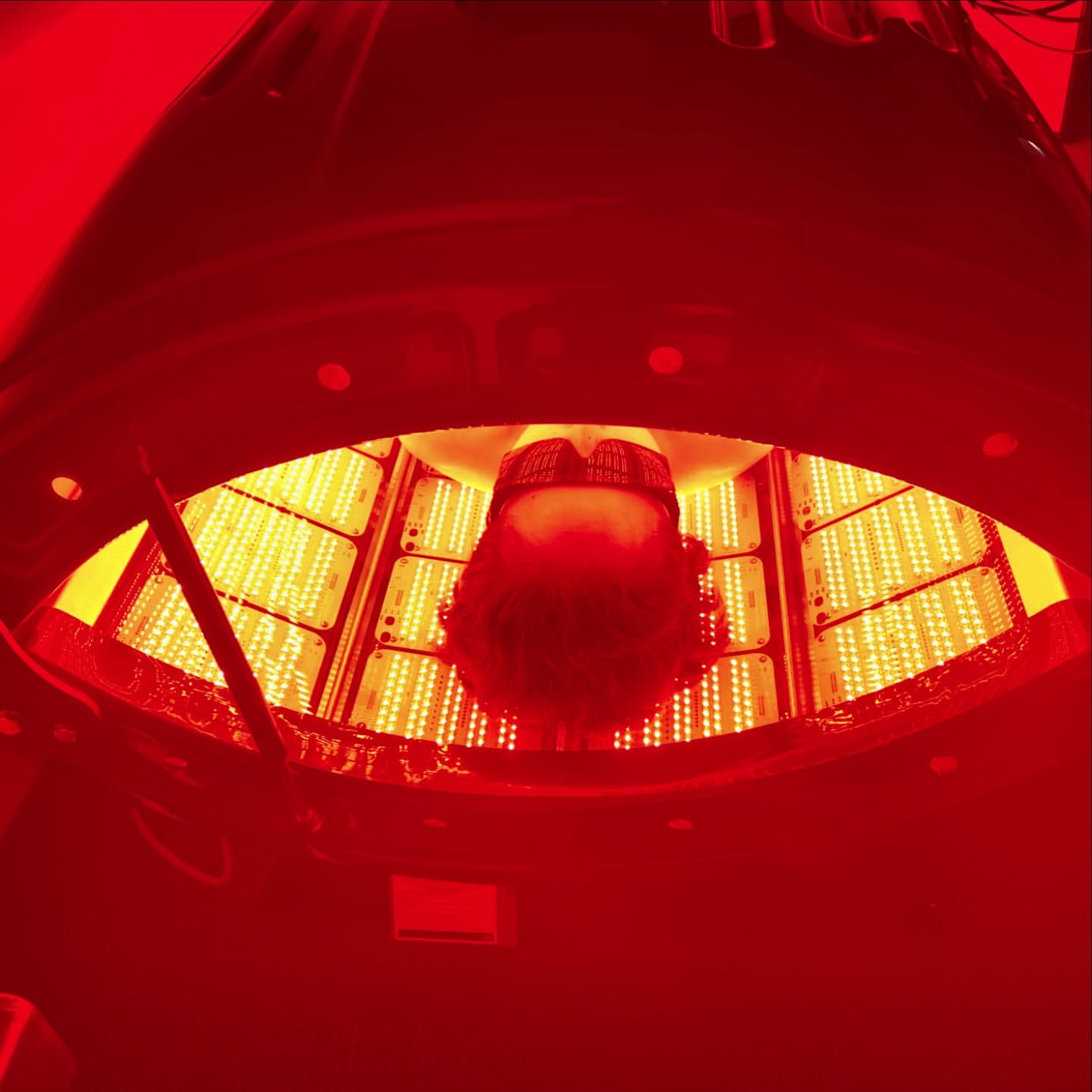
Red light therapy, or low-level laser therapy (LLLT), utilizes specific wavelengths of light to stimulate hair follicles and promote hair regrowth. Devices such as light-emitting caps, helmets, or handheld devices direct red light onto the scalp. This light is absorbed by the scalp’s cells, increasing cellular activity and encouraging hair follicles to stay in the growth (anagen) phase, while slowing down the shedding (telogen) phase.
Originally used for wound healing and tissue repair, red light therapy has shown promise in stimulating hair follicles and supporting hair growth. The most common wavelengths for hair regrowth range from 630 to 670 nanometers and 800 to 850 nanometers. The application of red light helps to improve mitochondrial function, blood circulation, and follicular activity, creating an ideal environment for hair growth.
3. How Effective is Red Light Therapy for Hair Loss?
Red light therapy has proven effective for many individuals dealing with hair loss, especially in the early-to-mid stages of male and female pattern baldness. Clinical studies have shown that consistent use of red light therapy can increase hair density, thickness, and overall scalp health. Although it is not as widely recognized as other treatments like minoxidil or PRP therapy, red light therapy offers a promising, non-invasive solution for stimulating hair growth and preventing further hair loss.
Using red light therapy consistently (3-5 times per week for several months) can significantly improve hair regrowth. It’s also beneficial as an adjunct treatment following a hair transplant, as it helps to improve the survival rate of transplanted hair follicles and promotes healing.
4. Red Light Therapy and Its Mechanism for Hair Regrowth
Red light therapy works by delivering light energy to the scalp, where it is absorbed by the cells. The absorbed light energy triggers several physiological changes that encourage hair follicles to remain in the active growth phase. Below is an overview of how red light therapy stimulates hair regrowth:
4.1. Stimulation of Hair Follicles
Red light therapy reactivates dormant hair follicles, preventing them from entering the shedding phase prematurely. This helps to extend the anagen (growth) phase of the hair cycle, allowing more hair to grow and reducing thinning.
4.2. Boosting Cellular Energy Production
Red light therapy increases adenosine triphosphate (ATP) production in cells. ATP is the energy currency of the cell, and by boosting its production, red light therapy encourages hair follicles to function more effectively, stimulating the growth of new hair.
4.3. Enhanced Blood Circulation
Healthy hair follicles require a good supply of oxygen and nutrients, which are delivered through blood flow. Red light therapy improves microcirculation in the scalp, ensuring that hair follicles receive the nutrients they need to thrive and grow.
4.4. Reducing Scalp Inflammation
Chronic inflammation is a significant factor in hair loss conditions like androgenetic alopecia and alopecia areata. Red light therapy has anti-inflammatory properties that help reduce scalp inflammation, promoting a healthier scalp environment and encouraging hair growth.
5. Is Red Light Therapy the Right Treatment for You?
Red light therapy is a non-invasive, drug-free treatment that can benefit a wide range of individuals. However, its effectiveness varies depending on the stage of hair loss and the underlying cause. Here’s a look at who is most likely to benefit from red light therapy:
5.1. Suitable Candidates
Red light therapy is particularly effective for individuals with early-to-mid-stage hair loss, such as those experiencing androgenetic alopecia (male or female pattern baldness). It is especially beneficial for individuals who are in the initial stages of hair thinning or those who have recently undergone a hair transplant.
Patients with hereditary hair loss, including both men and women, are likely to see positive results. Those with thinning hair or receding hairlines may find that red light therapy helps slow hair loss while promoting regrowth. It’s also a great option for those seeking a non-surgical solution to combat hair loss.
5.2. Individuals Who May Not Benefit
Red light therapy may not be effective for individuals with late-stage baldness, where hair follicles have already become completely dormant and are no longer capable of regrowth. Additionally, those with scarring alopecia, a condition where permanent damage has occurred to the hair follicles, may not see any improvements from red light therapy.
6. How to Use Red Light Therapy for Hair Loss
To achieve the best results from red light therapy, it’s important to follow a consistent routine and use the right device. Below are steps to get the most out of your red light therapy treatment:
6.1. Choosing the Right Device
There are various red light therapy devices available, including wearable laser caps, handheld devices, and in-clinic treatments. Laser caps and helmets are convenient and hands-free, allowing you to perform other tasks while receiving treatment. Home devices typically range from £200 to £800, depending on quality and features. Be sure to research the device before purchasing and select one that fits your budget and needs.
6.2. Creating a Consistent Routine
To see the best results, use your red light therapy device for 10-20 minutes, 3-5 times per week. Consistency is key to achieving noticeable improvements in hair growth. It may take several months (3-6 months) to see the full effects, so patience is important.
6.3. Maintaining a Healthy Scalp
Keep your scalp clean and free from excess oil or buildup to optimize the effectiveness of red light therapy. Wash your hair regularly using gentle, sulfate-free shampoos, and avoid harsh chemicals that could irritate your scalp.
6.4. Tracking Progress
Take before and after photos to track your progress over time. This will help you visualize any improvements and motivate you to continue with your treatment plan. Be patient, as hair growth can be a slow process.
7. Red Light Therapy Costs: Is It Affordable?
The cost of red light therapy can vary depending on whether you choose in-clinic treatments or at-home devices. In the UK, in-clinic treatments typically range from £45 to £75 per session, with discounts for multiple sessions. Home devices are priced between £200 and £800, with higher-end models offering more advanced features and better results.
While in-clinic treatments may provide faster results, home devices are a more affordable long-term option. If you’re considering home treatment, make sure to purchase from reputable brands to ensure the quality and effectiveness of the device.
8. FAQs: Red Light Therapy for Hair Loss
Is Red Light Therapy Safe for Daily Use?
Yes, red light therapy is generally considered safe for daily or frequent use. It is non-invasive and does not involve medications, making it a safe option for most individuals. However, always follow the manufacturer’s guidelines for safe usage, and consult with a healthcare provider if you have any concerns.
How Long Does It Take to See Results?
Results can vary depending on the individual, but most people begin to see visible improvements in hair growth after 3-6 months of consistent use. For some individuals, it may take longer to notice significant changes, so patience is essential.
Can Red Light Therapy Be Combined with Other Hair Loss Treatments?
Yes, red light therapy can be used alongside other hair loss treatments, such as minoxidil or natural oils like rosemary oil. Combining therapies can enhance results, but it’s important to consult with a healthcare provider before starting multiple treatments simultaneously.
9. Conclusion: Does Red Light Therapy Work for Hair Loss?
Red light therapy is a promising treatment for hair loss, particularly for those dealing with early-to-mid-stage androgenetic alopecia. Clinical studies have shown that red light therapy can increase hair density, promote thicker hair, and improve scalp health when used consistently over time. While results may vary depending on individual factors, this non-invasive, drug-free solution can be a valuable addition to your hair regrowth regimen. With patience and consistent use, red light therapy may help you restore your hair and regain your confidence.
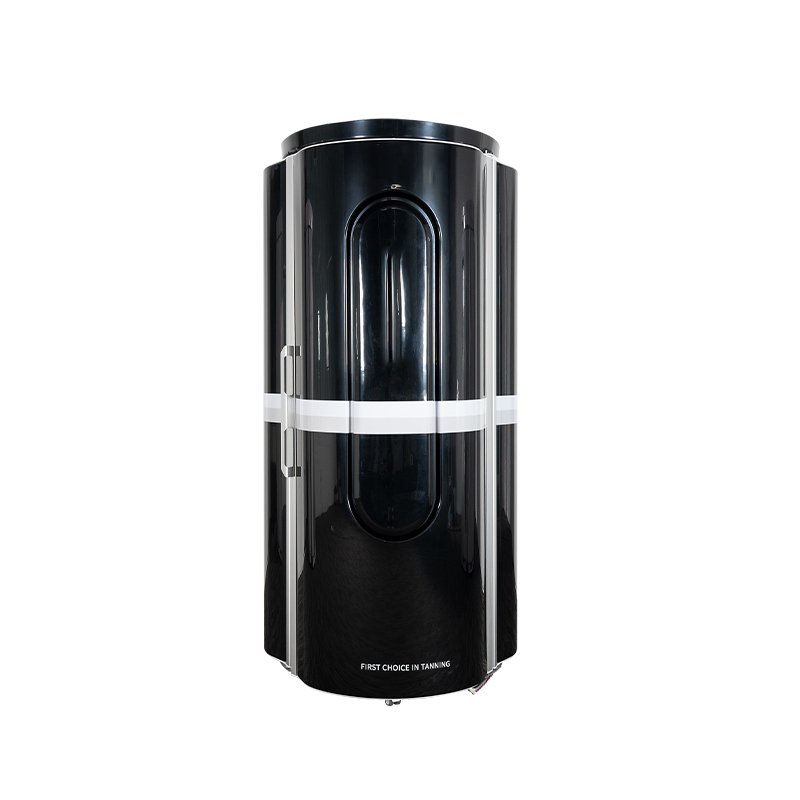
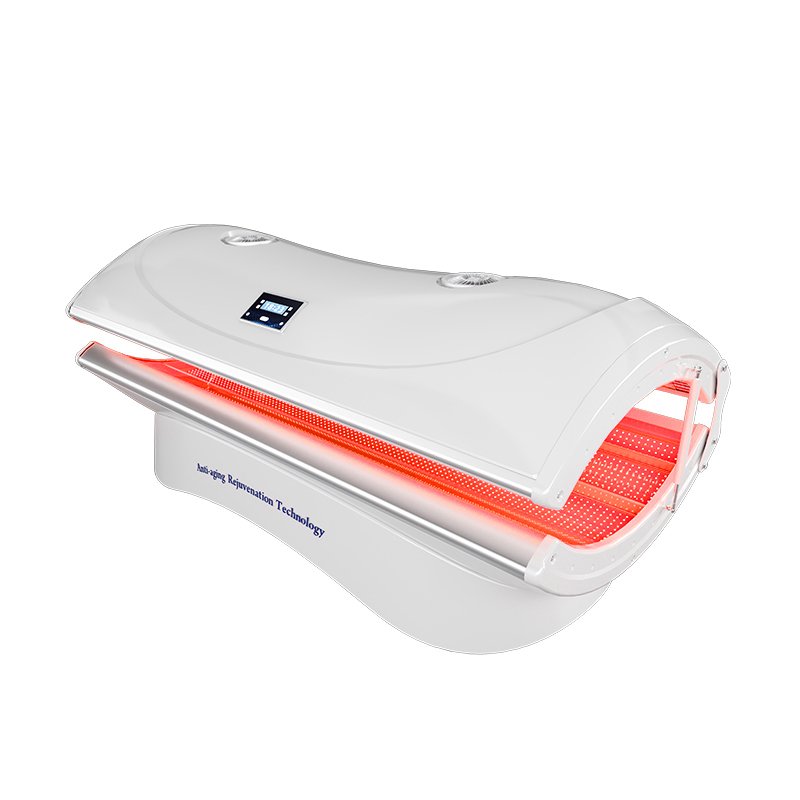
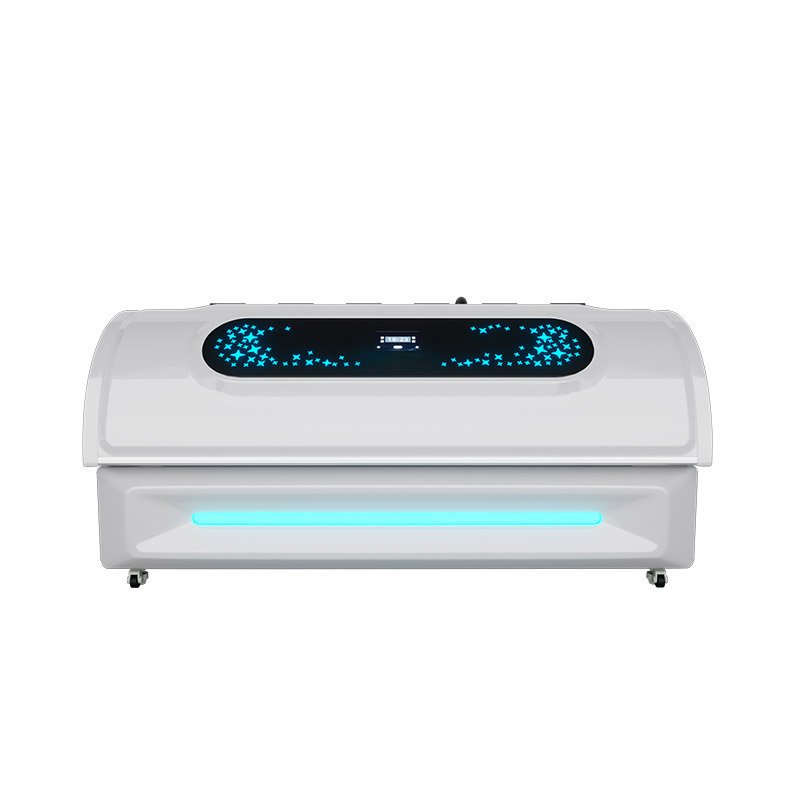
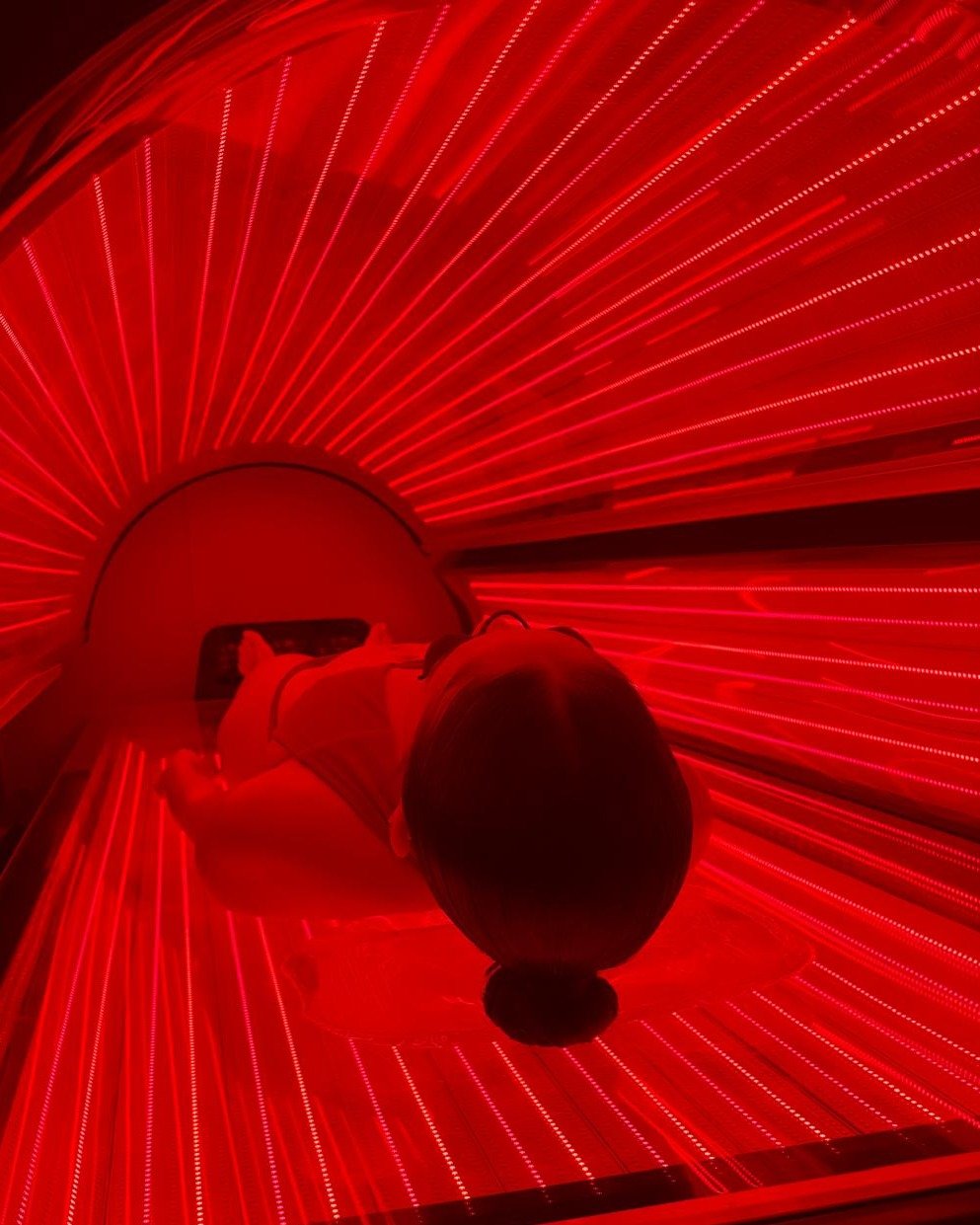
Lying on a red light therapy bed provides a comprehensive, non-invasive systemic treatment that utilizes specific wavelengths of red and near-infrared light to stimulate cellular energy production, drastically reduce bodily inflammation, and accelerate the natural repair of tissues and skin.
Red light therapy acts as a bio-energetic boost for your body, functioning primarily by stimulating the mitochondria—the “power plants” within your cells—to produce more energy in the form of Adenosine Triphosphate (ATP). When your cells have more energy, they function more efficiently
If you are curious about the timeline for seeing tangible improvements from red light therapy, the answer lies in understanding that this is a cumulative biological process, much like exercise or nutrition








 EN
EN EN_GB
EN_GB DE
DE EL
EL ES
ES UZ
UZ FR
FR IT
IT JA
JA CS
CS DA
DA DE_AT
DE_AT FI
FI ET
ET HR
HR FR_BE
FR_BE HU
HU KO
KO IS
IS KA
KA LT
LT NL
NL UK
UK TR
TR SV
SV SR
SR SL
SL SK
SK RU
RU RO
RO PT
PT NB
NB AR
AR CY
CY