




1. Introduction: Understanding Rosacea and How to Manage It
Rosacea is a common skin condition that affects millions of individuals worldwide, often leading to facial redness, visible blood vessels, and acne-like bumps. While it is widely misunderstood, rosacea can be a source of distress, significantly impacting a person’s self-esteem and daily life. The good news is, with proper care and understanding, rosacea can be effectively managed.
This article explores the causes, symptoms, and triggers of rosacea, as well as the different subtypes of this condition. We’ll dive into the best treatments, including home remedies, to help you manage and alleviate rosacea flare-ups. Whether you’re dealing with facial redness, persistent acne-like bumps, or other rosacea symptoms, we’ve got you covered with practical advice to help you regain healthy, glowing skin.

2. What Causes Rosacea?
Although the exact cause of rosacea remains unclear, several factors are believed to contribute to its development. These include an overactive immune system, genetic predisposition, and various environmental and lifestyle triggers that exacerbate the condition. Understanding these contributing factors is crucial to managing rosacea effectively.
Flare-ups are often triggered by factors such as alcohol consumption, spicy foods, and prolonged sun exposure. Essentially, anything that stimulates the growth and expansion of blood vessels over time can potentially lead to rosacea. While there’s no known cure for rosacea, the condition can be managed with the right treatments and lifestyle adjustments. Identifying your specific rosacea subtype is key to choosing the appropriate treatment plan.
3. Subtypes of Rosacea: Identifying and Understanding Your Condition
Rosacea manifests in four distinct subtypes, each with its own set of symptoms and treatment approaches. Dr. Maxfield explains that managing rosacea often involves trial and error, as each subtype behaves differently and requires a unique treatment strategy. Below are the main subtypes of rosacea:
Erythematotelangiectatic Rosacea (ETR)
This subtype is characterized by persistent facial redness, often appearing as flushing that lasts for more than 30 minutes. To manage ETR, it’s essential to treat the skin gently. Dr. Maxfield recommends avoiding skincare products containing isopropyl alcohol, witch hazel, and essential oils, which can irritate sensitive skin. Instead, opt for soothing ingredients like niacinamide, licorice extract, and barrier-strengthening ceramides. Additionally, daily application of sunscreen with an SPF of 50 is essential to protect the skin from UV-induced flare-ups.
Papulopustular Rosacea
Papulopustular rosacea resembles acne, with small red, pus-filled bumps scattered across the midface. Dr. Shah emphasizes that using retinol on this subtype can worsen the condition. Instead, sulfur-based treatments are highly effective for reducing inflammation and promoting healing. Sulfur is one of the most underrated skincare ingredients for this type of rosacea, according to Dr. Shah.
Phymatous Rosacea
Phymatous rosacea causes the thickening of the skin and the growth of oil glands, often leading to enlarged pores and uneven skin texture. Dr. Shah recommends starting with niacinamide to control oil production and minimize pore size. However, it’s crucial to seek professional care early on to prevent the condition from worsening.
Ocular Rosacea
Ocular rosacea affects the eyes, causing symptoms like a gritty feeling, crustiness along the lash line, and frequent styes. Unfortunately, many people with ocular rosacea don’t realize it’s part of their overall rosacea condition, leading to delayed treatment. Dr. Maxfield advises consulting an ophthalmologist or dermatologist to address this subtype and prevent further complications.
4. How Red LED Light Therapy Helps Treat Rosacea
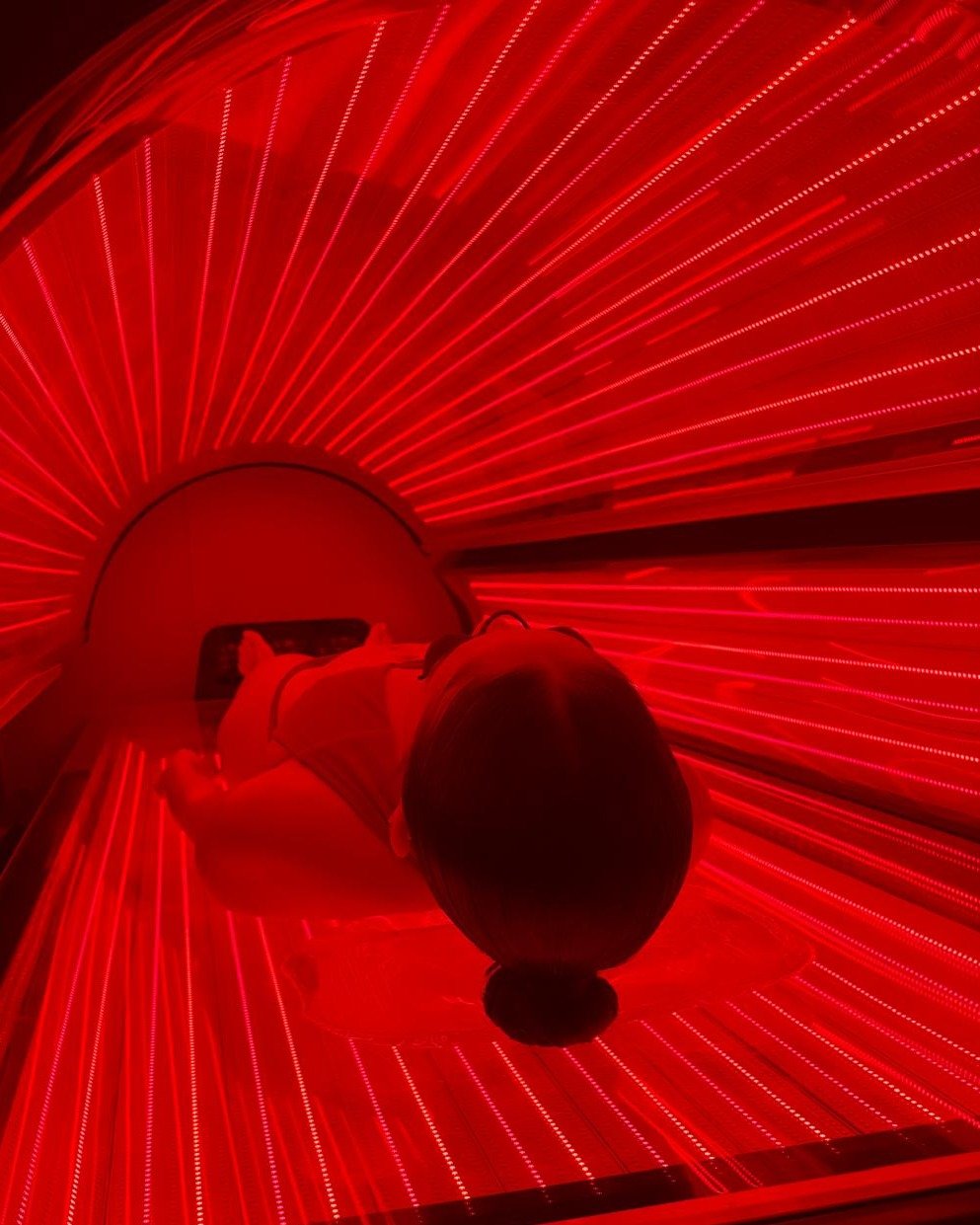
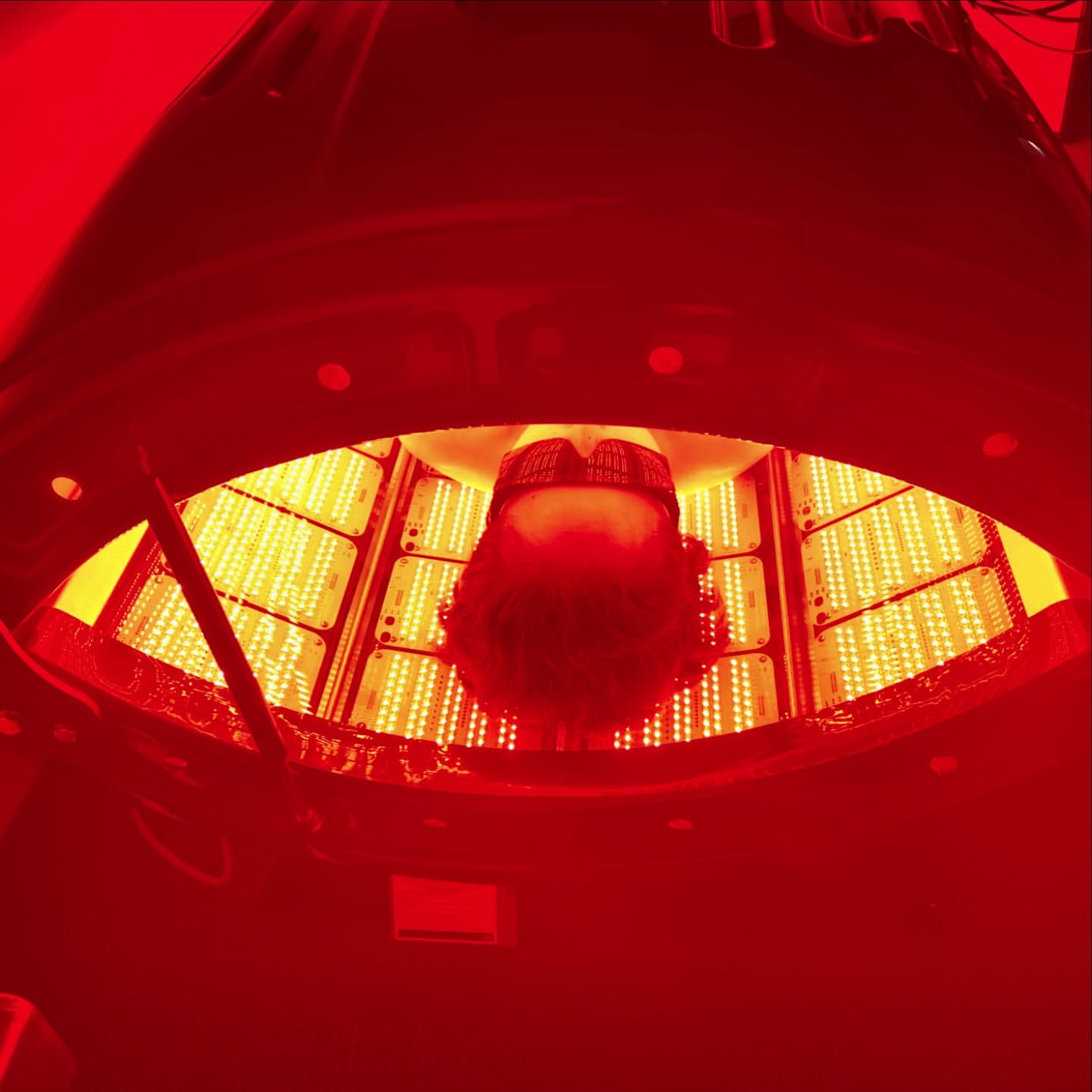
Red LED light therapy is a proven method for managing rosacea symptoms. This non-invasive treatment involves using light-emitting diodes (LEDs) to reduce inflammation, which is key in soothing all types of rosacea. By stimulating wound-healing cells, LED light therapy accelerates recovery and helps reduce the redness and irritation associated with rosacea flare-ups.
Many dermatologists use LED light therapy in their clinics, and now home-use devices are available, offering the same trusted technology in the comfort of your own home. The red (633nm) and near-infrared (830nm) wavelengths are particularly effective at targeting inflammation in rosacea-prone areas. For individuals with ocular rosacea, specialized devices like the LED Eye Perfector provide targeted relief for eye irritation and inflammation.
5. The Benefits of LED Light Therapy for Rosacea: Before and After Results
One of the most compelling stories comes from AJ, who struggled with papulopustular rosacea for five years. AJ experienced persistent redness and painful, inflamed spots that made her skin feel uncomfortable and itchy. After incorporating blue (415nm) and near-infrared (830nm) light therapy into her routine, she noticed a significant reduction in both the redness and painful spots. AJ shares, “I don’t want to constantly rely on medication, so using LED therapy along with understanding my triggers has helped me manage my rosacea effectively.”
For phymatous rosacea, LED light therapy that uses green (532nm) and near-infrared (830nm) wavelengths can help control oil production, prevent further thickening of the skin, and improve overall skin texture. Additionally, using a treatment mode with yellow (590nm) light can help restore moisture to the skin, preventing dehydration and reducing the need for oil production.
6. How to Reduce Redness and Manage Rosacea at Home
If you’re dealing with redness or rosacea, it’s essential to find skincare products and treatments that won’t aggravate your skin. While LED light therapy is an excellent way to reduce rosacea symptoms, creating a skincare routine that addresses your specific rosacea subtype is equally important. Consulting a dermatologist or skincare expert is the best way to create a tailored rosacea treatment plan that fits your skin’s needs.
7. Common Rosacea Triggers and How to Avoid Them
Rosacea flare-ups can be triggered by various factors, including environmental and lifestyle influences. Some of the most common triggers include:
- Sun Exposure: Sunburns or prolonged exposure to UV rays can exacerbate rosacea symptoms. Always apply a broad-spectrum sunscreen with SPF 50 or higher, even on cloudy days.
- Hot or Cold Weather: Extreme temperatures can cause skin irritation and trigger flare-ups. Protect your skin by wearing a hat or scarf in harsh weather.
- Spicy Foods and Alcohol: These can stimulate blood vessels and lead to facial redness. Avoiding spicy foods and alcohol, or consuming them in moderation, can help manage flare-ups.
- Stress: Emotional stress is a significant trigger for many people with rosacea. Managing stress through relaxation techniques such as meditation or yoga can be beneficial.
8. Best Skincare Products for Rosacea
When selecting skincare products for rosacea, it’s essential to choose gentle, non-irritating options that won’t trigger flare-ups. Look for products containing soothing ingredients such as:
- Niacinamide: A powerful anti-inflammatory that helps strengthen the skin’s barrier and reduce redness.
- Licorice Extract: Known for its calming properties, licorice extract can help reduce redness and irritation.
- Ceramides: These lipids help restore the skin’s barrier function, locking in moisture and preventing further irritation.
Avoid products with harsh chemicals or abrasive ingredients, such as alcohol, witch hazel, and mechanical scrubs, as these can worsen rosacea symptoms.
9. Conclusion: Managing Rosacea Effectively
Rosacea is a chronic condition, but with the right approach, you can manage its symptoms and lead a comfortable, confident life. By understanding your rosacea subtype, avoiding common triggers, and incorporating treatments like LED light therapy, you can effectively control redness, irritation, and acne-like bumps. Don’t hesitate to seek professional guidance from a dermatologist or skincare expert to create a personalized treatment plan for your rosacea.
With consistent care, lifestyle adjustments, and the right products, you can keep your rosacea under control and enjoy clear, healthy skin. Whether you choose in-clinic treatments or at-home devices, red light therapy is a proven and effective solution for managing rosacea and improving your overall skin health.
FAQs:
- Can LED light therapy completely cure rosacea?
No, while LED light therapy is effective in reducing rosacea symptoms, it doesn’t cure the condition. It can help manage flare-ups and reduce redness, but ongoing treatment is usually necessary. - Is red light therapy safe for all skin types?
Yes, red light therapy is generally safe for all skin types, as it is non-invasive and uses low-level light that does not cause damage. However, if you have sensitive skin or other conditions, consult a dermatologist before starting treatment. - How often should I use LED light therapy for rosacea?
For the best results, use LED light therapy 2-3 times a week, depending on the severity of your rosacea and the device’s instructions. Consistency is key to seeing improvements over time.
By following these steps and incorporating effective treatments like LED light therapy into your routine, you can manage rosacea more effectively and enjoy clearer, healthier skin.

 EN
EN EN_GB
EN_GB DE
DE EL
EL ES
ES UZ
UZ FR
FR IT
IT JA
JA CS
CS DA
DA DE_AT
DE_AT FI
FI ET
ET HR
HR FR_BE
FR_BE HU
HU KO
KO IS
IS KA
KA LT
LT NL
NL UK
UK TR
TR SV
SV SR
SR SL
SL SK
SK RU
RU RO
RO PT
PT NB
NB AR
AR CY
CY