

Every year, a wave of new wellness trends promises miraculous results—only to fade when the science fails to keep pace. Yet one modality has steadily risen above the noise: red light therapy, also known as photobiomodulation or low-level light therapy (LLLT). By harnessing specific wavelengths of red and near-infrared light, this noninvasive treatment stimulates cellular activity, accelerates tissue repair, and supports overall health from head to toe. Whether your goal is to refresh aging skin, restore thinning hair, calm acne, sharpen mental focus, or ease chronic discomfort, understanding how red light interacts with your biology—and how to apply it safely—will determine your success.

Ready to harness the power of light for radiant skin, renewed vitality, and holistic well-being? Let’s dive in.
1. What Is Red Light Therapy?
Red light therapy deploys low-energy light—typically in the visible red (630–700 nm) and near-infrared (800–900 nm) ranges—to induce beneficial reactions inside cells without harmful ultraviolet radiation. This process, called photobiomodulation, relies on photons being absorbed by mitochondrial chromophores (light-sensitive molecules) in various cell types. Once absorbed, these photons trigger a cascade of biochemical events:
- ATP Production Boost: Mitochondria generate more adenosine triphosphate (ATP), the molecule that powers nearly all cellular functions.
- Reactive Oxygen Species (ROS) Modulation: Controlled ROS release acts as a signaling mechanism, reducing oxidative stress when balanced.
- Nitric Oxide Release: Photonic energy liberates nitric oxide, promoting vasodilation and improving microcirculation to deliver nutrients and oxygen more efficiently.
- Gene Expression Changes: Light stimulation can upregulate genes involved in cell repair, collagen synthesis, and anti-inflammatory pathways.
Because these molecular responses are fundamental to cell health and repair, red light therapy applies beyond skincare—impacting musculoskeletal recovery, neurological function, and more. Its safety profile, ease of use, and versatility have fueled its rise in both clinical settings and home wellness routines.
2. How Photobiomodulation Works at the Cellular Level
To appreciate photobiomodulation’s broad application, let’s examine the science in greater detail. Inside our cells, mitochondria are often called the “powerhouses” because they convert nutrients into ATP via oxidative phosphorylation. However, mitochondria also host chromophores—molecules like cytochrome c oxidase—that absorb red and near-infrared light. When these chromophores are excited by appropriate wavelengths:
- Electron Transport Chain Activation: Light absorption enhances electron flow through the mitochondrial respiratory chain, ramping up ATP synthesis.
- Reactive Oxygen Species Signaling: A transient rise in ROS acts as a redox signaling event, activating transcription factors that regulate cellular repair and defense mechanisms.
- Nitric Oxide Photo-Dissociation: Nitric oxide (NO) bound to mitochondrial enzymes is released, promoting vasodilation and improving oxygen delivery.
- Growth Factor Release: Elevated ATP and NO levels stimulate the release of growth factors (e.g., vascular endothelial growth factor, transforming growth factor-β) that support tissue regeneration.
- Heat Generation: Although minimal, the slight warming effect can increase local blood flow and improve lymphatic drainage, aiding detoxification.
These combined mechanisms translate into accelerated wound healing, enhanced collagen formation, reduced inflammation, and improved cellular resilience. Over repeated sessions, tissues adapt to this photonic stimulus—resulting in cumulative benefits for skin quality, muscle recovery, and even brain function.
3. Types of Red Light Therapy Devices and Selection Criteria
Photobiomodulation devices fall into three primary categories—LED systems, low-level lasers, and hybrid units—each with unique advantages:
- LED Panels: Composed of arrays of light-emitting diodes, these units produce broad, uniform illumination. Wavelengths typically range from 630 nm (visible red) to 830 nm (near-infrared). They emit noncoherent light at moderate irradiance (20–60 mW/cm²), making them ideal for home use and full-body coverage.
- Low-Level Laser Devices: Use coherent laser diodes that deliver focused beams at precise wavelengths. Because lasers penetrate deeper (higher irradiance: 50–200 mW/cm²), they’re favored in professional clinics for targeted treatments like deep tissue therapy, nerve regeneration, or hair follicle stimulation.
- Hybrid Systems: Combine LEDs and lasers in one platform, offering the wide coverage of LEDs plus the precision and depth of lasers. Hybrid devices are versatile but come at a premium cost.
Within these categories, form factors vary:
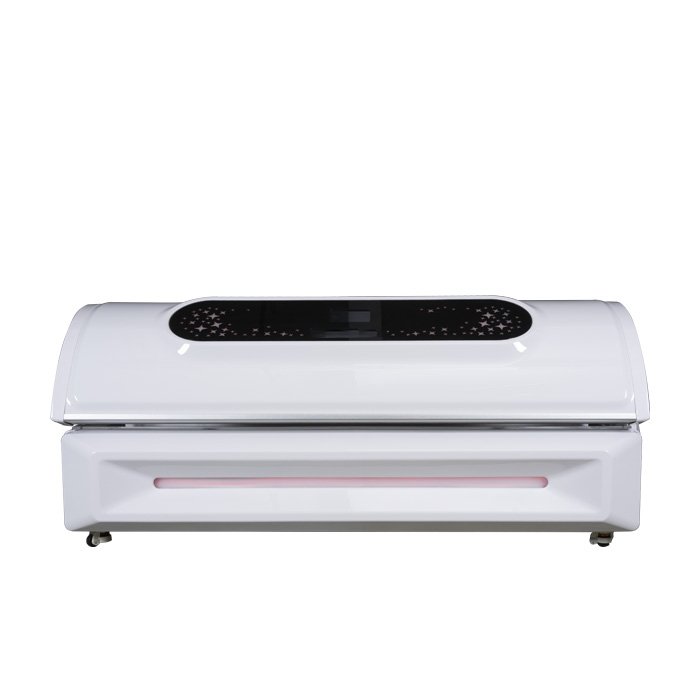
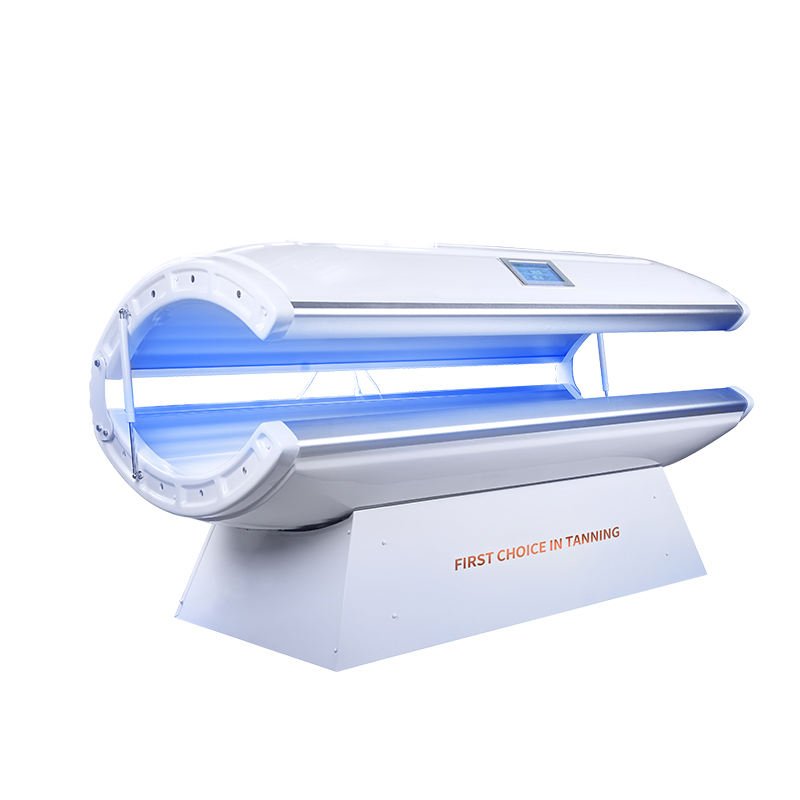
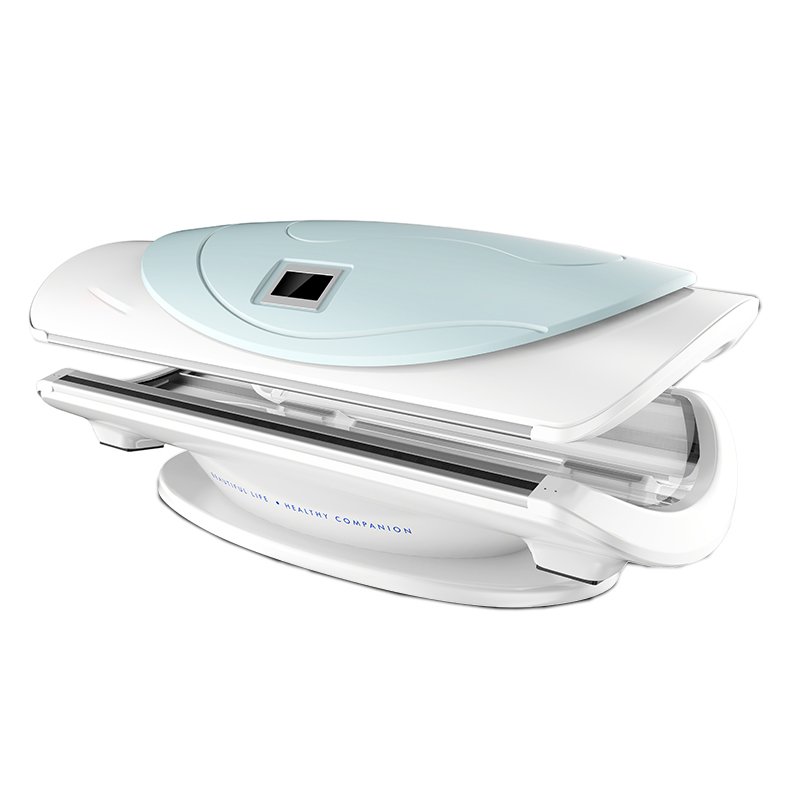
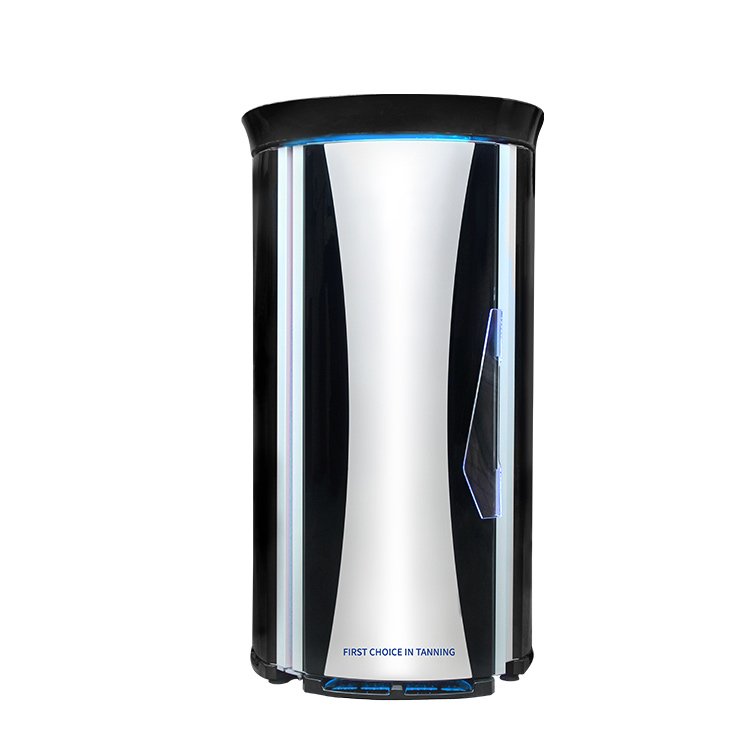
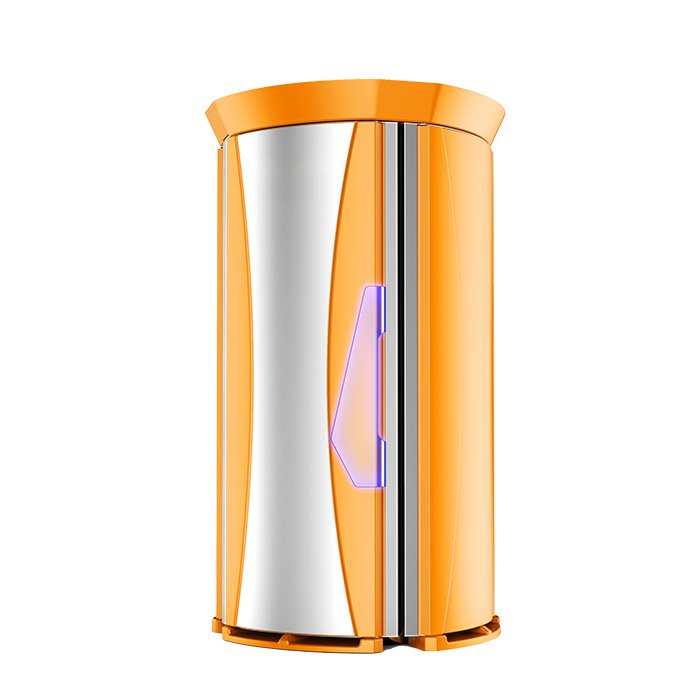
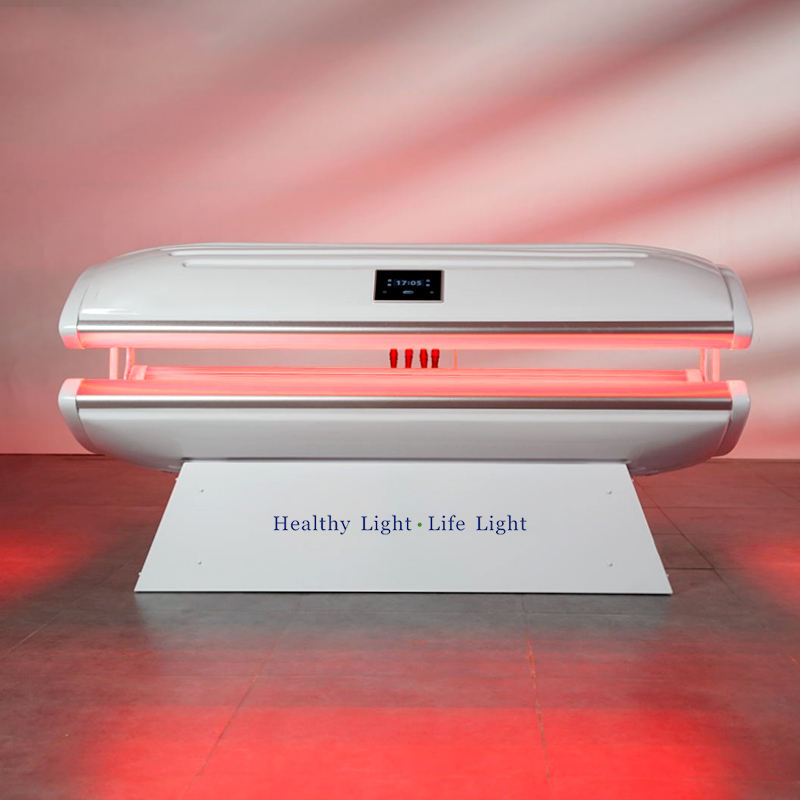
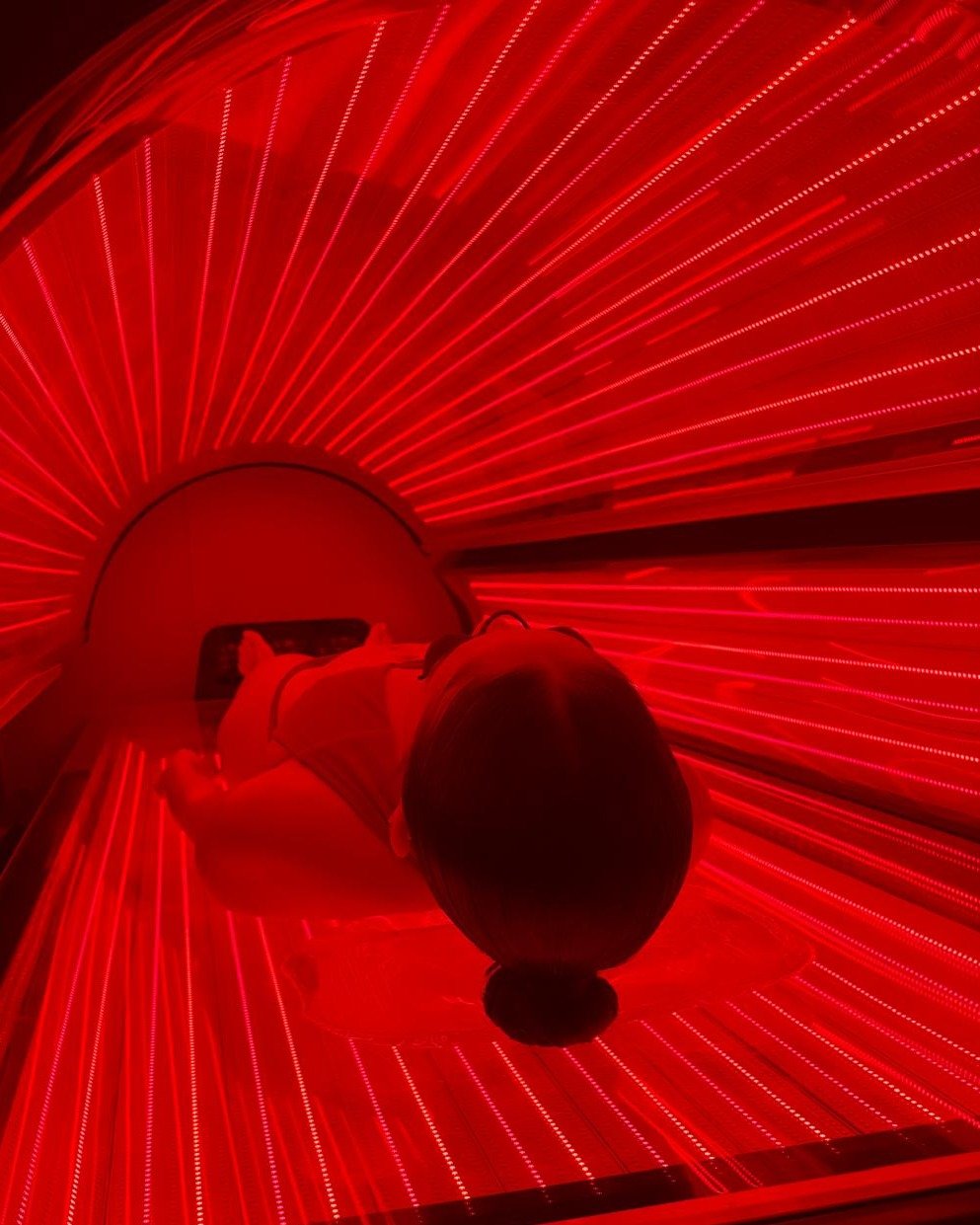
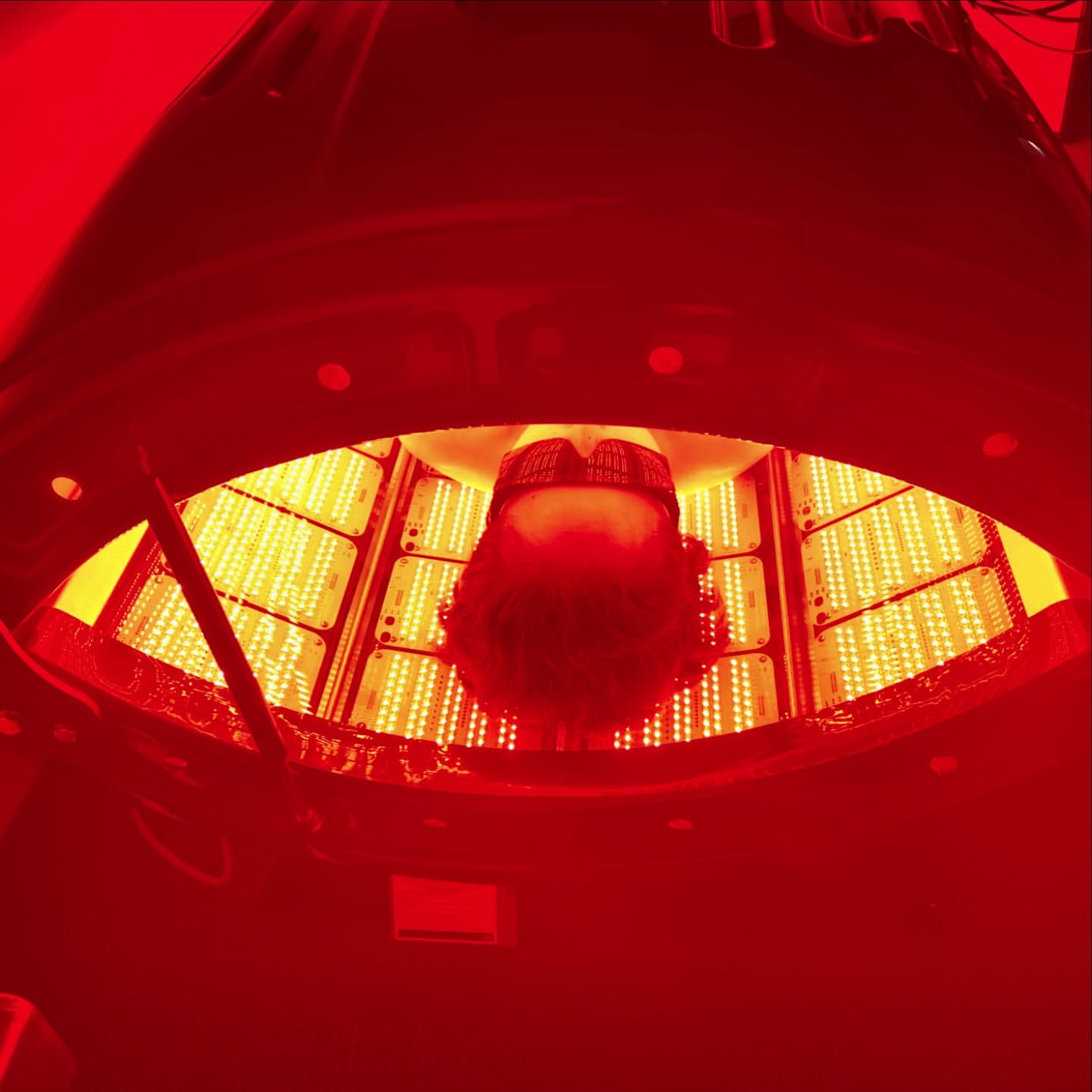
- Full-Body Beds: Resemble tanning booths, allow head-to-toe sessions in a single treatment—perfect for systemic wellness goals and muscle recovery.
- Wearable Caps & Helmets: Designed to deliver consistent light to the scalp to encourage dormant follicles and support hair regrowth.
- Facial Masks & Panels: Ergonomically house LEDs to contour to the face, targeting wrinkles, hyperpigmentation, and skin tone.
- Handheld Wands: Provide pinpoint therapy for small areas such as painful joints, acne spots, or individual scars.
Key Selection Criteria:
- Wavelength Range: Look for a dual-band approach (600–670 nm red + 800–880 nm near-infrared) for comprehensive tissue targeting.
- Irradiance (Power Density): Higher irradiance shortens treatment times but may require clinical oversight. Home devices usually range 20–60 mW/cm².
- Coverage Area & Form Factor: Balance between large panels for speed versus portable wands for flexibility.
- FDA Clearance: “FDA-cleared” confirms a device has passed basic safety evaluations. Avoid marketing jargon like “FDA-approved” or “FDA-certified.”
- Budget & Warranty: Higher-end models often include better irradiance, programmable settings, and longer warranties. Factor in replacement LED arrays or bulb lifespans (typically 20,000+ hours).
4. Top 6 Evidence-Based Benefits of Red Light Therapy
4.1. Skin Rejuvenation and Anti-Aging
Regular exposure to red and near-infrared wavelengths stimulates fibroblasts, increasing collagen and elastin production. Clinical studies report:
- Up to 40% reduction in fine lines and wrinkles after 12 weeks of consistent sessions (3–5 times per week)
- Lightening of hyperpigmentation and dark spots through normalized melanin distribution
- Improved skin firmness and elasticity measurable via cutometer assessments
Many dermatology practices combine photobiomodulation with microneedling, topical peptides, or chemical peels to amplify results, creating a synergistic “photo-peel” approach.
4.2. Hair Growth and Follicle Health
Studies on androgenetic alopecia reveal that low-level light therapy (LLLT) can:
- Increase hair density by up to 25% over 16–24 weeks
- Thicken hair shaft diameter, improving overall volume
- Extend the anagen (growth) phase of hair follicles by modulating cellular signaling pathways
FDA-cleared caps, combs, and helmets deliver specific wavelengths (commonly 650 nm) in controlled doses. Protocols typically call for 15–20 minute sessions, two to three times per week.
4.3. Acne Management and Skin Clarity
While blue-light photodynamic therapy (PDT) focuses on bacterial destruction, red light’s anti-inflammatory and reparative actions address acne in a gentler fashion:
- Reduction in sebum production by up to 50% after six biweekly sessions
- Faster resolution of inflammatory lesions without post-treatment downtime
- Enhanced healing of post-acne scars through collagen remodeling
Combining blue (415 nm) and red (630 nm) wavelengths often yields the best outcomes, leveraging antimicrobial and anti-inflammatory effects together.
4.4. Cognitive Enhancement and Brain Health
Transcranial photobiomodulation (tPBM) and intranasal therapy channel near-infrared light through the skull and nasal cavity, respectively. Early research indicates:
- Improved cerebral blood flow and oxygenation in prefrontal cortex regions
- Enhanced working memory, attention span, and executive function in mild cognitive impairment (MCI) or early dementia
- No reported adverse effects in 6- to 8-week studies with daily 6–10 minute sessions
These preliminary findings suggest a promising role for LLLT in neurorehabilitation, mood regulation, and even post-stroke recovery.
4.5. Pain Relief and Inflammation Modulation
By downregulating pro-inflammatory cytokines (e.g., TNF-α, IL-6) and upregulating anti-inflammatory mediators (e.g., IL-10), red light therapy can:
- Alleviate fibromyalgia pain scores by 30–50% after 4–6 weeks
- Reduce knee osteoarthritis discomfort, improving joint function and range of motion
- Diminish nonspecific low back pain in as little as two weeks of thrice-weekly treatments
Post-operative studies also show accelerated healing and less analgesic use, though benefits often plateau without maintenance.
4.6. Muscle Recovery and Athletic Performance
Athletes use photobiomodulation to:
- Minimize exercise-induced muscle soreness (DOMS) by 25–40%
- Enhance mitochondrial efficiency, improving endurance metrics
- Shorten recovery time between intense workouts, facilitating more consistent training schedules
Protocols vary, but pre- and post-exercise LLLT sessions—typically 5–10 minutes—show the greatest performance and recovery gains.

5. Detailed Treatment Protocols and Dosage Guidelines
Optimizing red light therapy hinges on consistent dosing. Key variables include wavelength, irradiance (power density), session duration, and treatment frequency. While device manufacturers offer proprietary guidelines, general best practices are:
- Skin Rejuvenation: Combine 630 nm and 830 nm; 20–40 mW/cm²; 10–15 minutes; 3–5 sessions/week.
- Hair Regrowth: Single-band 650 nm (preferred for follicles); 5–20 mW/cm²; 15–20 minutes; 2–3 sessions/week.
- Acne Treatment: 630 nm; 10–30 mW/cm²; 10 minutes; 1–2 sessions/week (supplement with 415 nm blue light if desired).
- Cognitive Support: 810 nm; 20–60 mW/cm²; 6–10 minutes; daily sessions for 8–12 weeks.
- Pain & Inflammation: 800–880 nm; 50–100 mW/cm²; 5–10 minutes; 3–5 sessions/week.
- Athletic Recovery: 630 nm + 850 nm; 20–60 mW/cm²; 5–10 minutes; pre- and post-workout as needed.
**Dosage Tips:** Always start at the lower end of recommended irradiance and duration to assess individual tolerance. Maintain a treatment distance of 6–12 inches for panels; direct contact is acceptable only if specified by the manufacturer. Use protective eyewear for facial protocols and never exceed the prescribed session times in hopes of faster results—overdosing offers no added benefit and may cause transient redness or warmth.
6. Safety Precautions, Potential Side Effects, and Contraindications
Red light therapy’s safety profile is excellent, but mindful precautions safeguard optimal outcomes:
- Eye Protection: Even infrared light, invisible to the naked eye, can strain retinal cells. Wear FDA-approved goggles or keep eyes closed during facial treatments.
- Skin Type Considerations: Darker skin tones may develop post-inflammatory hyperpigmentation if protocols aren’t adjusted. Always perform a patch test on a discrete area.
- Photosensitizing Medications: Antibiotics (e.g., tetracyclines), certain antidepressants, and herbals (e.g., St. John’s Wort) can heighten light sensitivity—consult your physician before beginning treatment.
- Cancer Precautions: Although no evidence links red light to carcinogenesis, avoid treating active tumor sites or irradiated skin without oncological clearance.
- Device Quality and Maintenance: Purchase only “FDA-cleared” devices, inspect LED arrays for signs of wear, and adhere to manufacturer guidelines for bulb or panel replacement.
- Professional Oversight: Those with chronic health conditions—autoimmune disorders, epilepsy, or cardiovascular disease—should seek medical advice before commencing photobiomodulation.
Minor side effects may include transient warmth, slight redness, or gastrointestinal upset when treating the abdominal area. If discomfort persists beyond 24 hours, discontinue use and consult a healthcare professional.
7. Feature One: In-Depth Home Device Comparison Table
To help you navigate the crowded home-use market, here’s a detailed comparison of popular FDA-cleared devices, including specifications, coverage, and price points. Use this as your buying guide when evaluating models.
| Device | Form Factor | Wavelengths | Irradiance (mW/cm²) | Coverage Area | FDA Status | Approx. Price |
|---|---|---|---|---|---|---|
| LuminaDerm X3 Panel | Wall-mount Panel | 630 nm + 830 nm | 40 | 24″ × 14″ | FDA-Cleared | $399 |
| HairRevive Laser Cap | Helmet | 650 nm | 10 | Full Scalp | FDA-Cleared | $249 |
| RadiantFace Mask Pro | Facial Mask | 630 nm + 660 nm | 30 | Full Face | FDA-Cleared | $349 |
| BodyLux LED Bed | Full-Body Bed | 660 nm + 850 nm | 60 | Whole Body | FDA-Cleared (Clinic) | $10,000+ |
| PortableGlow Wand | Handheld Wand | 630 nm + 830 nm | 20 | 3″ Spot Area | FDA-Cleared | $129 |
9. Frequently Asked Questions
Q1: How soon will I see results from red light therapy?
Results vary by indication and individual physiology, but most users observe:
- Skin Improvements: Noticeable enhancements in tone, texture, and fine lines within 4–6 weeks of 3–5 weekly sessions.
- Hair Growth: Visible increase in hair density and thickness after 12–16 weeks of biweekly treatments.
- Pain Relief: Reduced discomfort and inflammation within 2–4 weeks, with peak improvements around 6 weeks.
- Cognitive Gains: Early studies show enhanced memory and attention after 6–8 weeks of daily 6–10 minute sessions.
Consistency is key—sticking to the recommended schedule without skipping sessions typically yields faster, more pronounced results. Always allow at least 4–8 weeks before evaluating efficacy.
Q2: Can I use red light therapy alongside my existing skincare or medical treatments?
Yes—red light therapy is highly complementary. Dermatologists often integrate it with:
- Microneedling or fractional lasers to accelerate healing and boost collagen production
- Chemical peels for enhanced post-peel regeneration and reduced downtime
- Topical retinoids or peptide serums applied immediately after sessions for deeper penetration
For acne, combining blue-light PDT (targeting bacteria) with red light (reducing inflammation) delivers superior clearance. If you’re on photosensitizing medications or have underlying health conditions, consult your provider before combining therapies.
Q3: Are there any long-term risks associated with frequent red light therapy?
To date, research indicates a strong safety profile for red and near-infrared wavelengths when used at recommended dosages. No studies link photobiomodulation to DNA damage or increased cancer risk. However:
- Avoid excessive irradiance and overuse; follow manufacturer guidelines strictly.
- Monitor for transient side effects like mild redness, warmth, or eye strain—typically resolve within hours.
- Review any new symptoms with a healthcare professional to rule out rare photosensitivity reactions or interactions with medications.
Periodic professional check-ins are advised if you plan multi-year, high-frequency protocols to ensure continued safety and maximize benefits.
10. Conclusion and Next Steps
Red light therapy stands at the intersection of cutting-edge science and practical wellness. By stimulating mitochondrial function, modulating inflammation, and boosting tissue repair, it offers a versatile toolkit for skin rejuvenation, hair restoration, acne management, cognitive enhancement, pain alleviation, and athletic recovery. Beyond the clinical evidence, ongoing innovations in device technology—LED panels, laser systems, and hybrids—make photobiomodulation accessible to anyone interested in proactive health care.
To embark on your red light therapy journey:
- Select an FDA-cleared device that matches your goals and budget.
- Follow the detailed protocols outlined above, starting at conservative settings.
- Maintain a treatment log, adjust based on outcomes, and combine with complementary therapies where appropriate.
- Consult qualified professionals—dermatologists, trichologists, or physical therapists—periodically for personalized guidance.
With consistency, patience, and informed practice, you can illuminate your path to healthier skin, stronger hair, sharper cognition, and lasting relief—one photon at a time. Ready to glow from within? Your 2025 red light therapy adventure starts now.

 EN
EN EN_GB
EN_GB DE
DE EL
EL ES
ES UZ
UZ FR
FR IT
IT JA
JA CS
CS DA
DA DE_AT
DE_AT FI
FI ET
ET HR
HR FR_BE
FR_BE HU
HU KO
KO IS
IS KA
KA LT
LT NL
NL UK
UK TR
TR SV
SV SR
SR SL
SL SK
SK RU
RU RO
RO PT
PT NB
NB AR
AR CY
CY