
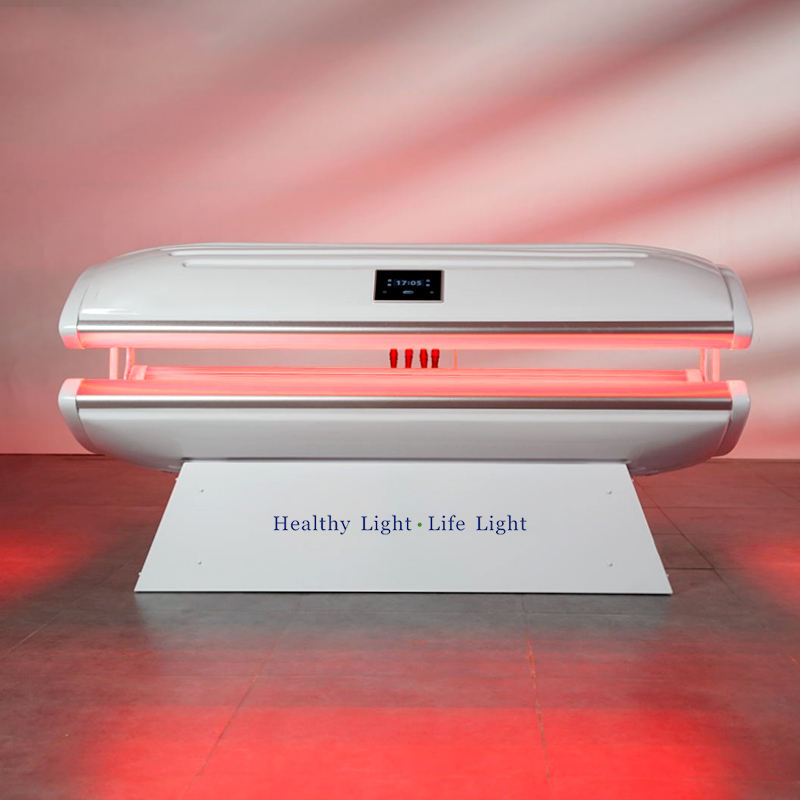

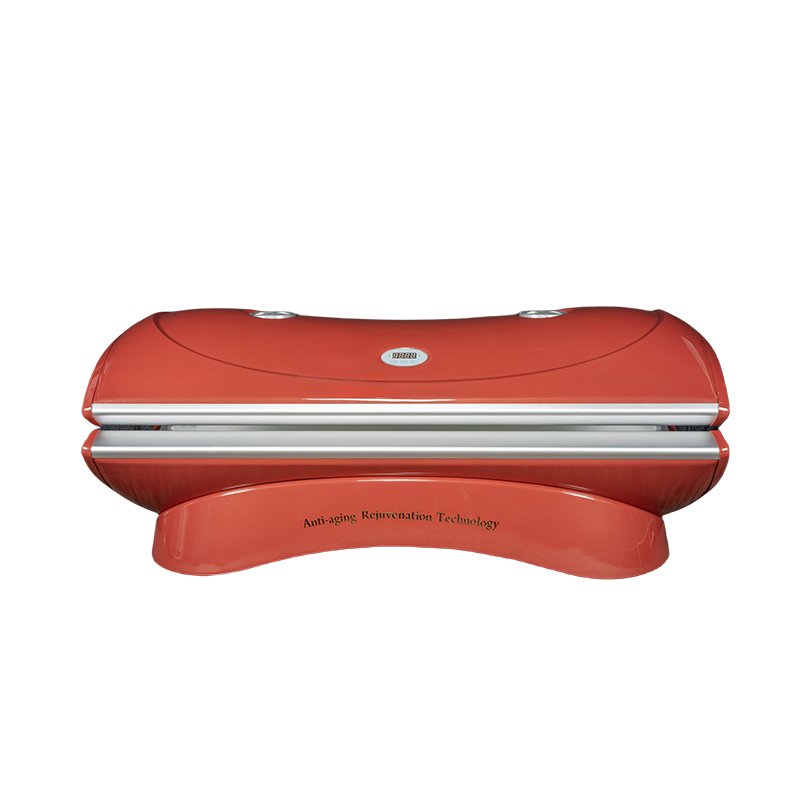

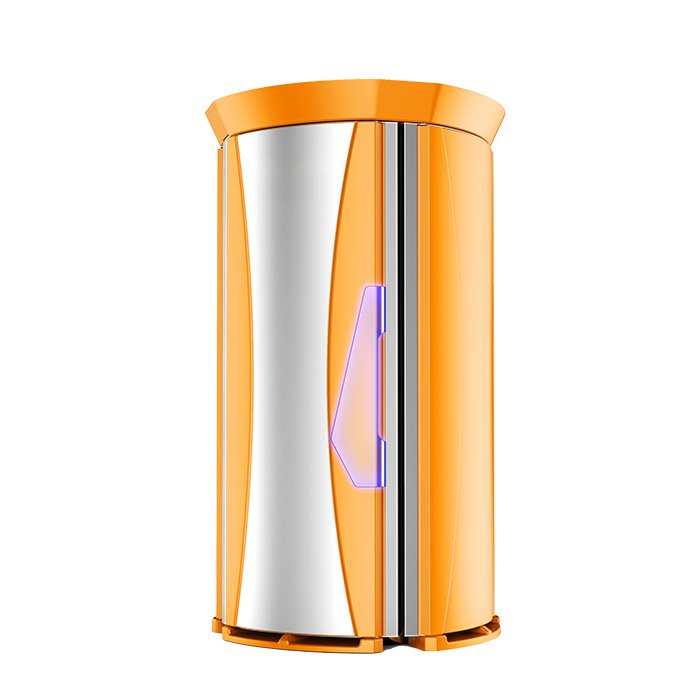


Red light therapy (RLT) can effectively assist in burning fat and reducing body circumference, though it functions differently than traditional weight loss methods like diet or cardiovascular exercise. Rather than shrinking the body through calorie deficit alone, red light therapy uses specific wavelengths of light to stimulate cellular energy and create temporary perforations in fat cells (adipocytes). This process causes the cells to release their stored contents—fatty acids and glycerol—which effectively “deflates” the fat cells and allows the body to metabolize the released lipids naturally. While it is not a miracle cure for obesity, clinical research and cosmetic applications suggest it is a powerful, non-invasive tool for spot reduction and body contouring when combined with a healthy lifestyle.

1. What Is the Science Behind Red Light Body Contouring?
To understand how a beam of light can possibly affect the size of your waistline, we must look at the cellular level. Red light body contouring is not magic; it is a photobiological reaction. The process relies on a mechanism known as photobiomodulation.
The Cellular Battery: Mitochondria
Every cell in your body has a “power plant” called the mitochondria. These organelles are responsible for producing Adenosine Triphosphate (ATP), the energy currency of life. When your body is stressed, fatigued, or aging, mitochondrial function can decline.
Red light therapy devices deliver concentrated wavelengths of natural light—typically in the mid-600nm range—directly to the skin and the cells beneath it. This specific spectrum of light is bioactive in humans. When this light hits the mitochondria, it stimulates an enzyme called cytochrome c oxidase. This stimulation kicks the mitochondria into high gear, significantly boosting the production of ATP.
Reducing Oxidative Stress
Beyond just making energy, this therapy is designed to reduce oxidative stress. Oxidative stress is essentially “rust” in the body—an imbalance between free radicals and antioxidants that can damage cells and slow down metabolism. By reducing this stress, red light therapy allows your cells to function more efficiently. In the context of fat loss, this improved cellular efficiency is the foundation that allows the more specific “fat melting” mechanisms to take place.
It is important to distinguish this from UV light. Unlike the sun or tanning beds, red light therapy contains no ultraviolet rays. It does not heat the tissue to cause damage (like a laser burn) but instead stimulates a photochemical reaction, much like photosynthesis in plants.
2. How Does Red Light Therapy “Liquefy” Fat Cells?
This is the question most people are searching for: How does light actually remove the fat? The mechanism is both fascinating and distinct from other non-invasive treatments like freezing (CoolSculpting) or heating.
The Pore Formation Theory
Research indicates that when red light at the correct wavelength and intensity penetrates a fat cell (adipocyte), it triggers a temporary structural change in the cell membrane. The light energy causes transitory pores to form in the protective wall of the fat cell.
Imagine a water balloon filled with oil. If you were to prick tiny holes in that balloon, the oil would seep out, and the balloon would shrink. This is essentially what happens to your fat cells during a session. The specific wavelength of light acts as the “prick,” signaling the cell to open these microscopic channels.
The Liquefaction Process
Inside the fat cell, stored energy exists as triglycerides. Under the influence of the red light, these triglycerides break down into their component parts:
- Free Fatty Acids
- Glycerol
Once broken down, these substances are small enough to pass through the newly formed pores in the cell membrane. They leak out of the cell and into the interstitial space (the fluid-filled space surrounding your cells).
The Result: Deflated Cells
Crucially, the fat cell is not killed. In procedures like liposuction or cryolipolysis, the cell is destroyed or removed. In red light body contouring, the cell remains alive but empties its contents. Consequently, the fat cells become smaller, and so does the body. You visibly become smaller in the targeted areas because the volume of the cells occupying that space has drastically decreased.
3. Why Is This Considered a Safer Alternative to Liposuction?
In the world of cosmetic fat reduction, patients generally have two paths: surgical (invasive) and non-surgical (non-invasive). Red light therapy sits firmly in the non-invasive camp, offering a compelling alternative to procedures like liposuction.
The Safety Profile
Liposuction is a major surgery. It requires anesthesia, incisions, and physical trauma to the body as a cannula is used to suction out fat deposits. The risks include infection, scarring, uneven results, and significant downtime.
In contrast, red light therapy is a pain-free, nonsurgical, and healthy way to lose body fat.
- No Incisions: The skin is never broken.
- No Infection Risk: Because there are no wounds, the risk of infection is virtually zero.
- No Recovery Time: You can immediately return to work or the gym after a session.
Comfort and Experience
During a liposuction procedure, you are unconscious. During recovery, there is bruising and pain. With red light therapy, the experience is radically different. During treatment, you will feel a relaxing and pleasant warmth over the treatment area. Many patients find the 20-minute sessions to be a meditative break in their day, rather than a medical procedure they dread.
Preservation of Tissue
Because the fat cells are merely emptied rather than destroyed, there is less risk of “lumpy” results that can sometimes occur with surgical removal. The body’s structural integrity remains intact; it is simply leaner.
4. When Can You Expect to See Results?
One of the most attractive features of red light body contouring is the speed at which changes can be observed, though understanding the timeline is vital for managing expectations.
Immediate Gratification
It is possible to see some results after your very first session. This is rare in the world of weight loss, where diet and exercise often take weeks to show visible changes. After just 20 minutes of red light body contouring, measurements often show that abdominal girth can reduce by one to two inches.
Note: This immediate loss is often attributed to the rapid release of lipids into the interstitial space and a temporary tightening effect on the skin.
The Cumulative Effect
While the first session is promising, long-term change requires consistency. A normal treatment course usually takes 12 sessions over four to six weeks.
- Frequency: Treatments are typically spaced 48 hours apart (e.g., 2-3 times per week).
- Progress: You will probably have a fat loss of anywhere from a half an inch to two and a half inches after each session.
Variable Factors
When it comes to the number of sessions you specifically need, results will depend on your body. There is no one-size-fits-all timeline because every metabolic rate is different. Factors influencing your timeline include:
- Body Fat Percentage: Those with higher body fat may need more than the standard 12 sessions.
- Metabolic Rate: How fast your body processes the released fat.
- Compliance: How strictly you adhere to the post-session protocol (more on this in the “How” section).
5. Who Is the Ideal Candidate for Red Light Therapy?
While few people would turn down the opportunity to lose a few pounds or cut back the fat in certain areas, red light therapy is not a cure for severe obesity. It is best viewed as a body contouring procedure rather than a massive weight loss solution.
The “Stuck” Individual
The ideal candidate is someone who is already somewhat active but struggles with stubborn pockets of fat that resist diet and exercise. If you have “love handles,” a “pooch” on the lower belly, or stubborn fat on the upper arms that won’t budge despite your best efforts, you are the prime demographic.
Dedication is Key
The difference between excellent and good results solely depends on the individual receiving the treatment. In other words, it depends on how dedicated you are to reach your goals. This therapy is a partnership between the technology and your lifestyle. If you rely solely on the light and continue to eat poorly, the fat cells will simply refill.
Contraindications
While generally safe, this therapy may not be for everyone. Pregnant women, individuals with active cancer, or those with photosensitivity disorders should consult a doctor. However, for the vast majority of healthy adults, it is a safe, low-risk option.
6. Where Does the Fat Go After It Is Released?
This is a critical biological question: If the fat leaks out of the cell, where does it go? It doesn’t just evaporate into thin air.
The Lymphatic Highway
Once the fatty acids and glycerol enter the interstitial space, the body’s lymphatic system takes over. The lymphatic system is the body’s “sewage treatment plant.” It picks up waste products, toxins, and, in this case, the mobilized fat.
The Need for Movement
This is where the process relies on you. The lymphatic system does not have a pump like the heart; it relies on muscle movement and hydration to function. If you sit still immediately after a session, the fat may be reabsorbed by the cells.
To prevent this, most protocols recommend (and sometimes include) Whole Body Vibration (WBV) sessions immediately following the light therapy.
- Vibration Workouts: Standing on a vibration plate for 10 minutes stimulates the lymphatic system and increases circulation, forcing the released fat to move to the liver.
- Metabolism: Once in the liver, the fatty acids are processed for energy. Essentially, you must “burn off” the fat that the light has released.
Hydration
Water is the vehicle that moves waste through the lymphatic system. Drinking plenty of water before and after treatment is non-negotiable for flushing out the lipids.
7. How Does It Impact Hunger and Hormones?
Interestingly, red light therapy may work in ways that affect weight loss beyond just melting fat cells. It appears to have a systemic effect on how your body regulates appetite.
The Ghrelin and Leptin Connection
According to an International Journal of Endocrinology study conducted in 2012, this therapy can affect hunger levels. The study focused on the relationship between light exposure and two key hormones:
- Ghrelin: Known as the “hunger hormone,” it signals your brain that it is time to eat.
- Leptin: Known as the “satiety hormone,” it signals your brain that you are full.

Correcting the Sleep-Deprived Imbalance
The study highlighted that in sleep-deprived persons, ghrelin levels spike and leptin levels plummet, leading to overeating. Red light therapy was shown to help control these hunger-related hormones. By normalizing these levels, patients may find it easier to stick to a calorie-controlled diet, reducing the urge to snack on sugary or fatty foods.
This hormonal regulation suggests that red light therapy supports a holistic approach to weight loss, tackling both the physical presence of fat and the chemical drives that cause us to gain it.
Feature 1: Comparison of Body Contouring Methods
To help you decide if Red Light Therapy (RLT) is the right choice, here is a comparison with other popular fat reduction methods.
| Feature | Red Light Therapy | Liposuction | Cryolipolysis (CoolSculpting) |
|---|---|---|---|
| Invasiveness | Non-Invasive (No touch/No pain) | Invasive (Surgery) | Non-Invasive (Suction/Cold) |
| Mechanism | Empties fat cells (Pore formation) | Removes fat cells (Suction) | Kills fat cells (Freezing) |
| Pain Level | None (Relaxing warmth) | High (Post-op pain) | Moderate (Discomfort/Numbness) |
| Downtime | None | Weeks to Months | Minimal (Soreness possible) |
| Side Effects | None known | Infection, bruising, scarring | Numbness, “Butter stick” effect |
| Cost | Moderate ($$) | High ($$$$) | High ($$$) |
| Wait for Results | Immediate to 4 weeks | Immediate (after swelling) | 1-3 Months |
| Skin Benefits | Tightens and rejuvenates skin | Risk of loose skin | Minimal skin benefit |
Feature 2: Your “Perfect Session” Checklist
To maximize the benefits of red light body contouring, follow this step-by-step guide for a perfect session.
Pre-Session (The Preparation)
- Hydrate: Drink at least 16oz of water 2 hours before your appointment. Well-hydrated cells respond better to light.
- Fasting: Avoid heavy meals 1-2 hours before. You want your body ready to burn fat, not digesting a burger.
- Clothing: Wear minimal clothing or a swimsuit to allow the light to hit the target area directly.
During Session (The Treatment)
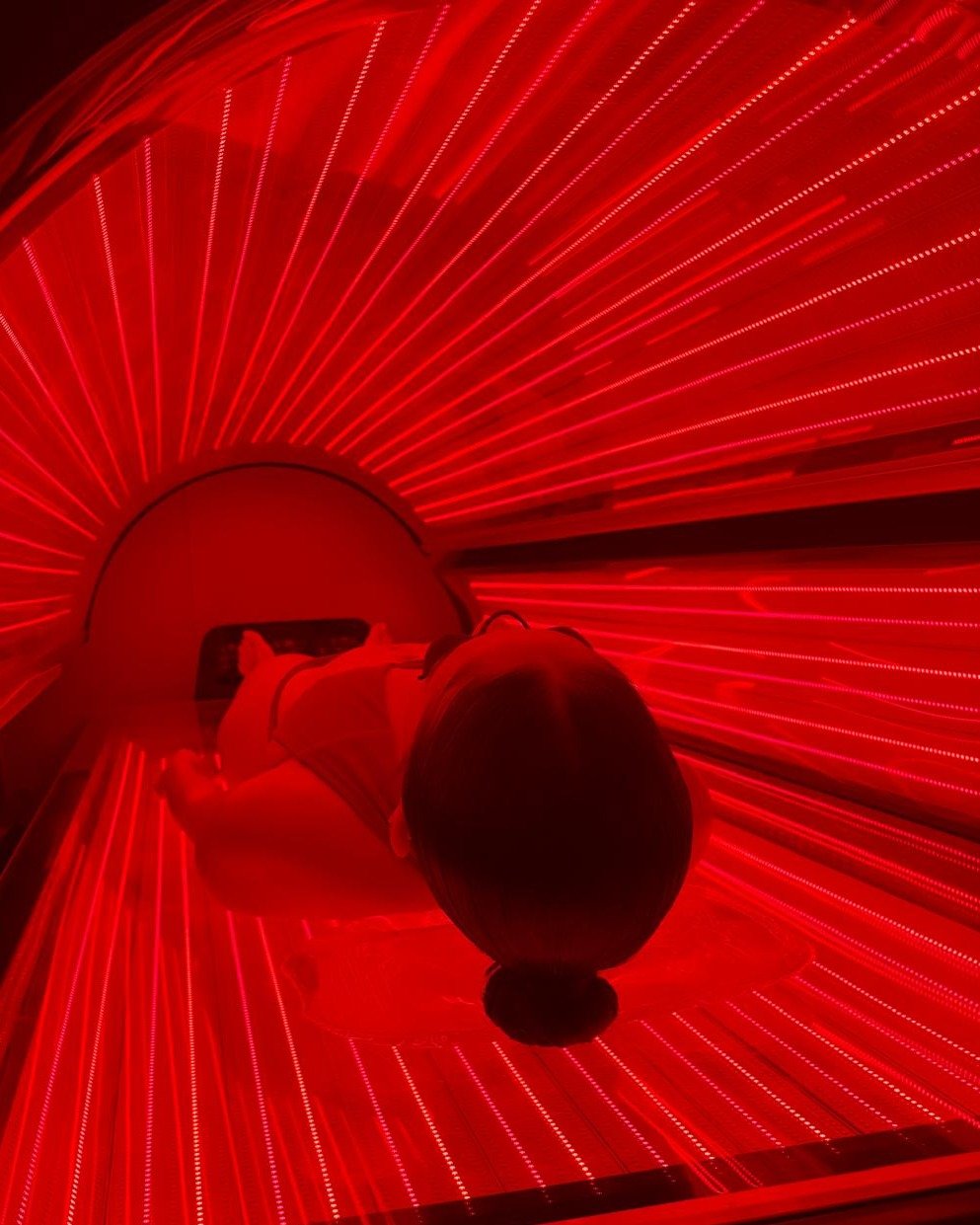
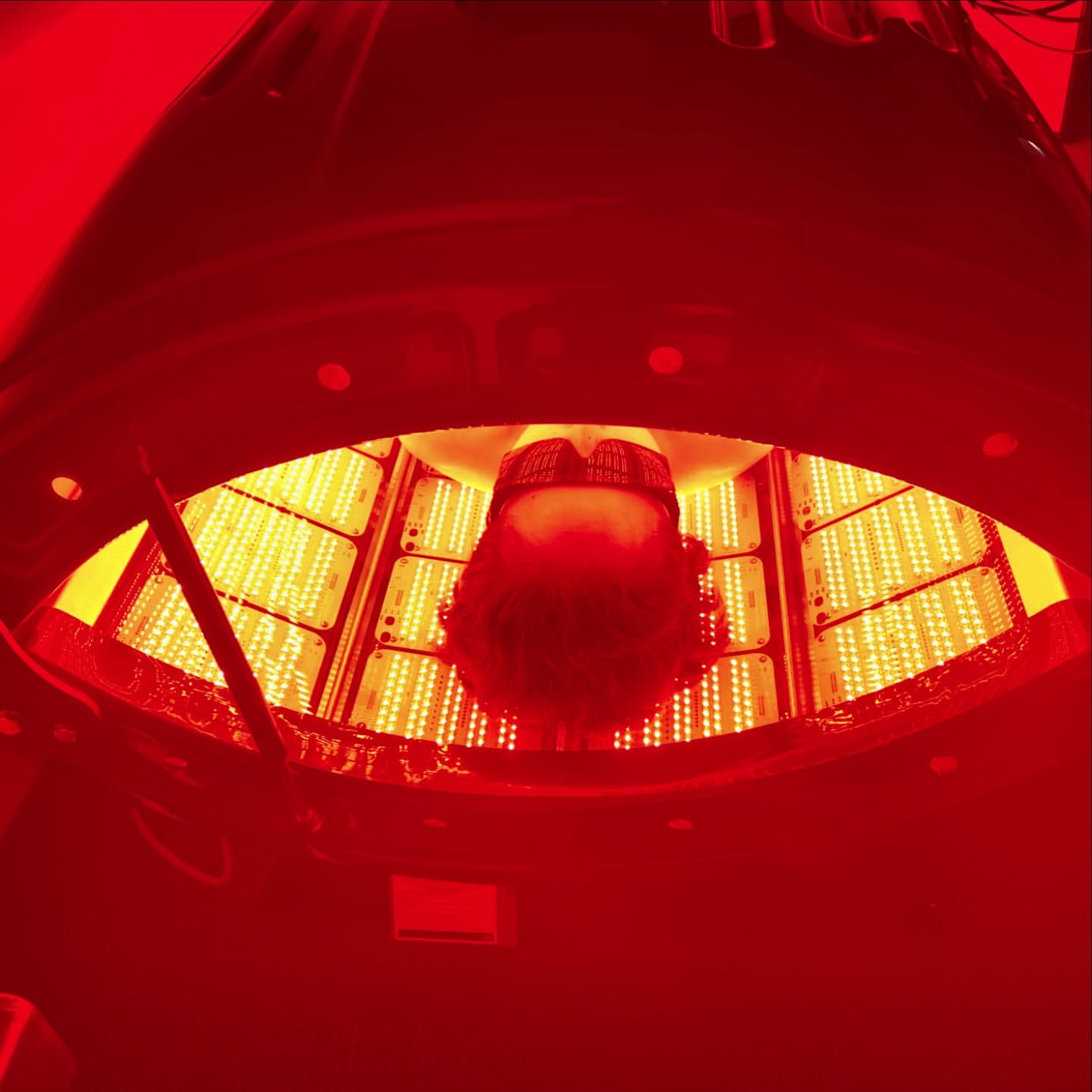
- Relax: You will lie on a treatment table. Pads containing the LEDs will be placed on your skin, or you will lie in a bed of light.
- Duration: Light body therapy takes approximately 20 minutes.
- Sensation: Enjoy the gentle warmth. Use this time to meditate or nap. Stress reduction aids weight loss!
Post-Session (The Activation)
- Vibration: Immediately use a Whole Body Vibration plate for 10 minutes (often provided by the clinic).
- The Workout: Within 4-6 hours, engage in moderate cardio (brisk walk, jog, cycle) to burn the free fatty acids circulating in your system.
- Hydrate Again: Drink another large glass of water to flush the lymphatic system.
- Eat Clean: Avoid alcohol and sugar for 24 hours to prevent the liver from prioritizing toxins over burning the released fat.
Frequently Asked Questions
1. Is the fat loss from Red Light Therapy permanent?
Technically, the removal of the fat content is permanent if you burn it off. However, because the fat cells are not killed, they can refill if you consistently overeat. The fat you lose will not come back on its own, but as with any other form of fat loss strategy, you will need to maintain good eating and exercise habits to maintain fat loss. Think of it as hitting the “reset” button on your fat cells; it is up to you to keep them empty.
2. Can I treat multiple areas at once?
Yes, but with caution. Most devices are designed to cover large areas like the midsection, hips, and thighs simultaneously. However, treating too many areas at once (e.g., arms, legs, back, and stomach all in one day) might overwhelm the lymphatic system with more released fat than the liver can process. It is generally better to focus on specific zones per session to ensure your body can effectively flush the released lipids.
3. Does it help with loose skin or cellulite?
Yes. This is a major advantage over freezing or suction methods. Red light therapy stimulates collagen and elastin production in the skin (the same mechanism used in anti-aging facials). While you are losing inches, the light is simultaneously helping to tighten the skin and improve texture, which can reduce the appearance of cellulite.
Conclusion
To live a happy and healthy life, you need to take care of your body and mind. Red light body contouring offers a unique bridge between technology and wellness, providing a safe, non-invasive method to tackle stubborn fat that diet and exercise alone often miss. By stimulating the mitochondria, liquefying fat cell contents, and potentially regulating hunger hormones, it addresses weight loss from multiple angles.
However, it is not a magic wand. It requires a partnership with you—specifically your dedication to hydration, movement, and nutrition. If you are ready to commit to the process, red light therapy can be the catalyst that finally helps you reshape your body and boost your confidence, all while you simply lie back and bask in the light.

 EN
EN EN_GB
EN_GB DE
DE EL
EL ES
ES UZ
UZ FR
FR IT
IT JA
JA CS
CS DA
DA DE_AT
DE_AT FI
FI ET
ET HR
HR FR_BE
FR_BE HU
HU KO
KO IS
IS KA
KA LT
LT NL
NL UK
UK TR
TR SV
SV SR
SR SL
SL SK
SK RU
RU RO
RO PT
PT NB
NB AR
AR CY
CY