


1. Introduction: The Surprising Effects of Red Light on Your Sleep Cycle
You’ve likely heard about how bright lights and blue light exposure at night can disrupt your sleep patterns. But did you know that red light could also play a role in affecting your sleep, potentially in a positive way? In this article, we’ll delve into how red light interacts with your sleep cycle, explore its benefits, and offer practical advice on how to use it to improve your sleep.

2. Understanding the Science Behind Red Light and Sleep
2.1 What Makes Red Light Different?
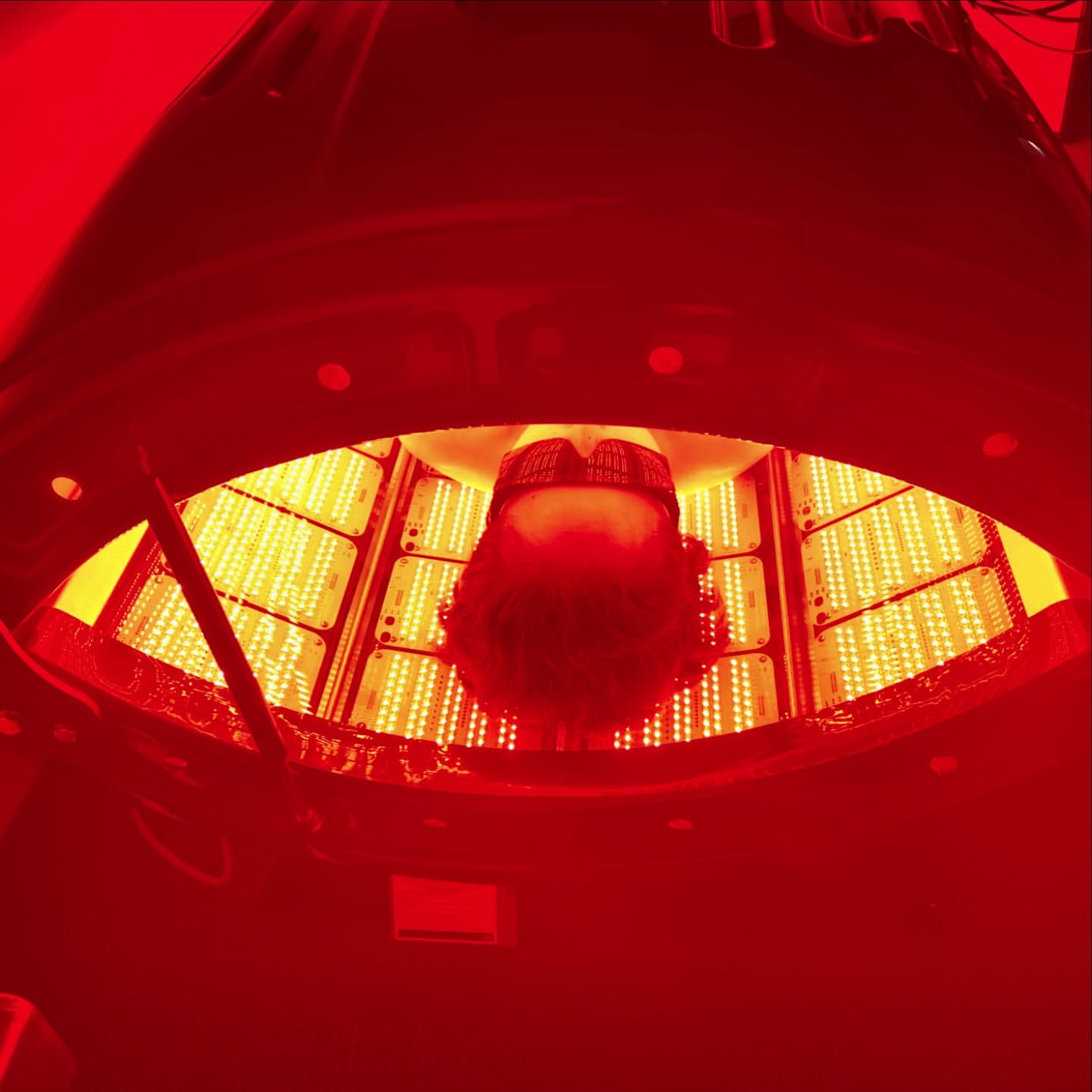
Red light isn’t just about a bulb with a red tint. To have a potential impact on your sleep, the light must emit specific red light wavelengths. This is where red light therapy comes into play. Unlike regular red-tinted bulbs, red light therapy involves using light that falls within a certain wavelength range, which can affect biological processes.
While red-tinted light bulbs can create a calming atmosphere, they may not provide the therapeutic benefits that actual red light wavelengths offer. These subtle differences make red light therapy more effective for improving sleep quality compared to regular lighting.
2.2 The Role of Melatonin in Sleep
Red light’s impact on sleep largely revolves around melatonin production. Melatonin is a hormone that regulates your sleep-wake cycle, signaling to your brain when it’s time to wind down. As darkness falls, your brain starts producing melatonin, preparing you for rest. However, exposure to light—especially the wrong kind—can interfere with this process.
Research suggests that red light wavelengths might stimulate melatonin production more effectively, allowing you to fall asleep more easily. So, red light could be a potential ally in creating a sleep-friendly environment.

3. The Impact of Red Light on Sleep Quality
3.1 Research Studies on Red Light and Sleep
Several studies have examined the effects of red light on sleep. In a 2012 study, researchers tested red light therapy on a group of 20 female athletes over 14 days. The study found that participants who underwent red light therapy had significantly improved sleep quality, better melatonin levels, and enhanced endurance compared to a control group.
In another 2019 study, researchers looked at the impact of red and ambient white light on a group of 19 office workers. The results showed that exposure to this combination of light improved their circadian rhythms and helped them feel more alert during the afternoon slump—a time when many people experience fatigue.
While these studies are promising, there’s still much more research needed to fully understand the extent of red light’s effect on sleep. However, the available evidence indicates that red light could be a beneficial addition to your sleep routine.
3.2 Red Light and Sleep Inertia
Sleep inertia refers to the groggy feeling you experience right after waking up. This phenomenon can impair memory, alertness, and cognitive function. Interestingly, a 2019 study found that exposure to red light through closed eyelids could reduce the severity of sleep inertia, helping people feel more alert upon waking up without disrupting melatonin production.
This suggests that red light not only aids sleep but might also help ease the transition from sleep to wakefulness, making it a potential solution for morning grogginess.
4. Red Light and Night Vision: Why It’s the Best Choice for Low-Light Environments
Bright white light at night can be glaring, causing discomfort and impairing your ability to see clearly in the dark. Red light, on the other hand, doesn’t cause this kind of glare. It helps maintain your night vision, which is why red lights are often used in environments like airplane cockpits, submarines, and by astronomers.
If you need to navigate at night without disturbing your surroundings or your own sleep patterns, red light is the ideal choice. It allows you to see while minimizing the disruption to your circadian rhythm.
5. Which Light Colors Should You Avoid at Night?
Certain types of light can have a disruptive impact on your circadian rhythm, especially if they’re bright or directly in your line of sight. Blue light, in particular, is known for its ability to inhibit melatonin production. While blue light is beneficial during the day to help you stay alert, exposure to it at night can interfere with your ability to fall asleep.
Sources of blue light include:
- Fluorescent and LED lighting
- Televisions, smartphones, and tablets
- Computer screens and gaming devices
To promote better sleep, it’s essential to reduce blue light exposure at least 30 minutes to an hour before bed. Try turning off electronic devices and dimming your household lights in the evening to prepare your body for restful sleep.
6. How Light Affects Your Circadian Rhythm
Your circadian rhythm is your body’s internal clock, guiding your sleep-wake cycle. Light plays a significant role in regulating this rhythm. Exposure to natural sunlight during the day signals to your brain that it’s time to be awake and alert, while darkness at night helps trigger the production of melatonin, signaling that it’s time to wind down.
However, artificial light, especially at night, can disrupt this natural rhythm. Research has shown that improper light exposure—whether it’s too much light at the wrong time or the wrong kind of light—can lead to sleep disturbances and other health problems.
7. Tips for Using Light to Improve Your Sleep
7.1 At Night:
- Block out light: Use blackout curtains or a sleep mask to ensure your sleep environment is as dark as possible.
- Use dim, warm light: If you need a nightlight, choose one with dim red, orange, or yellow light to avoid disrupting your sleep cycle.
- Limit screen time: Power down your electronic devices at least 30 minutes before bedtime to minimize exposure to blue light.
7.2 During the Day:
- Get sunlight exposure: Open your blinds and let natural light in as soon as you wake up to help reset your circadian rhythm.
- Use low-wattage lighting in the morning: If you wake up before sunrise, use dim lighting to avoid disrupting your internal clock.
- Stay active in natural light: Spend time outdoors or near windows to maximize exposure to natural light during the day.
8. Incorporating Red Light for Better Sleep
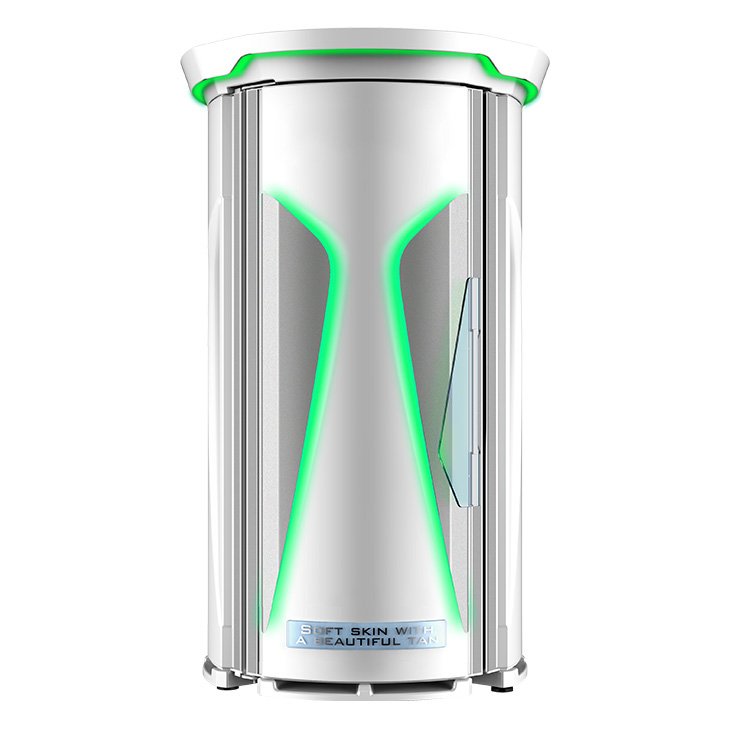
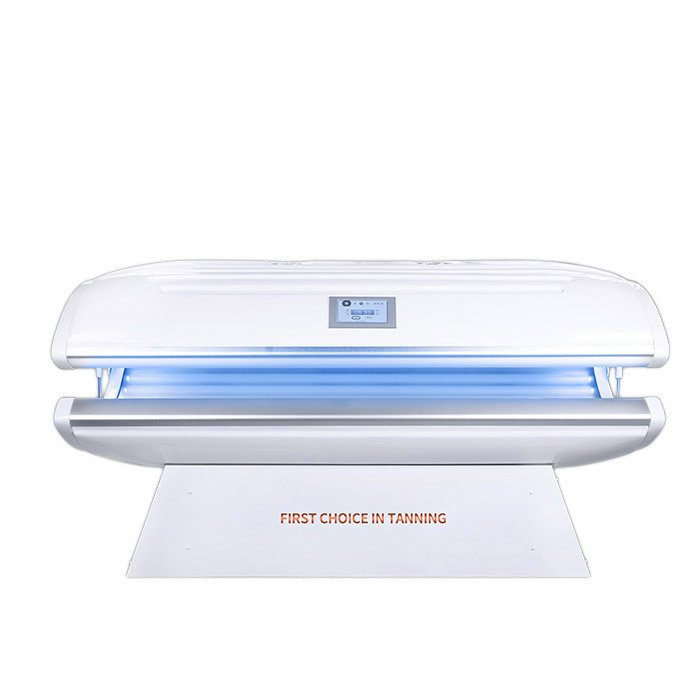
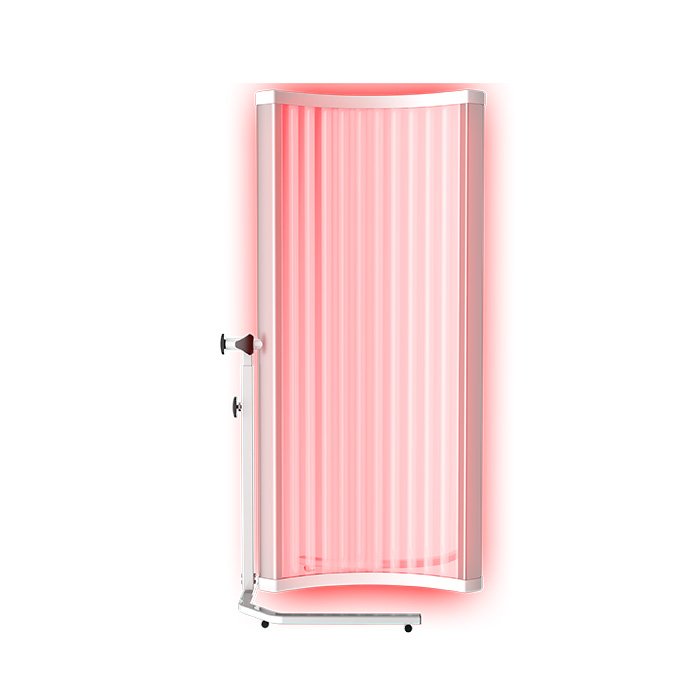
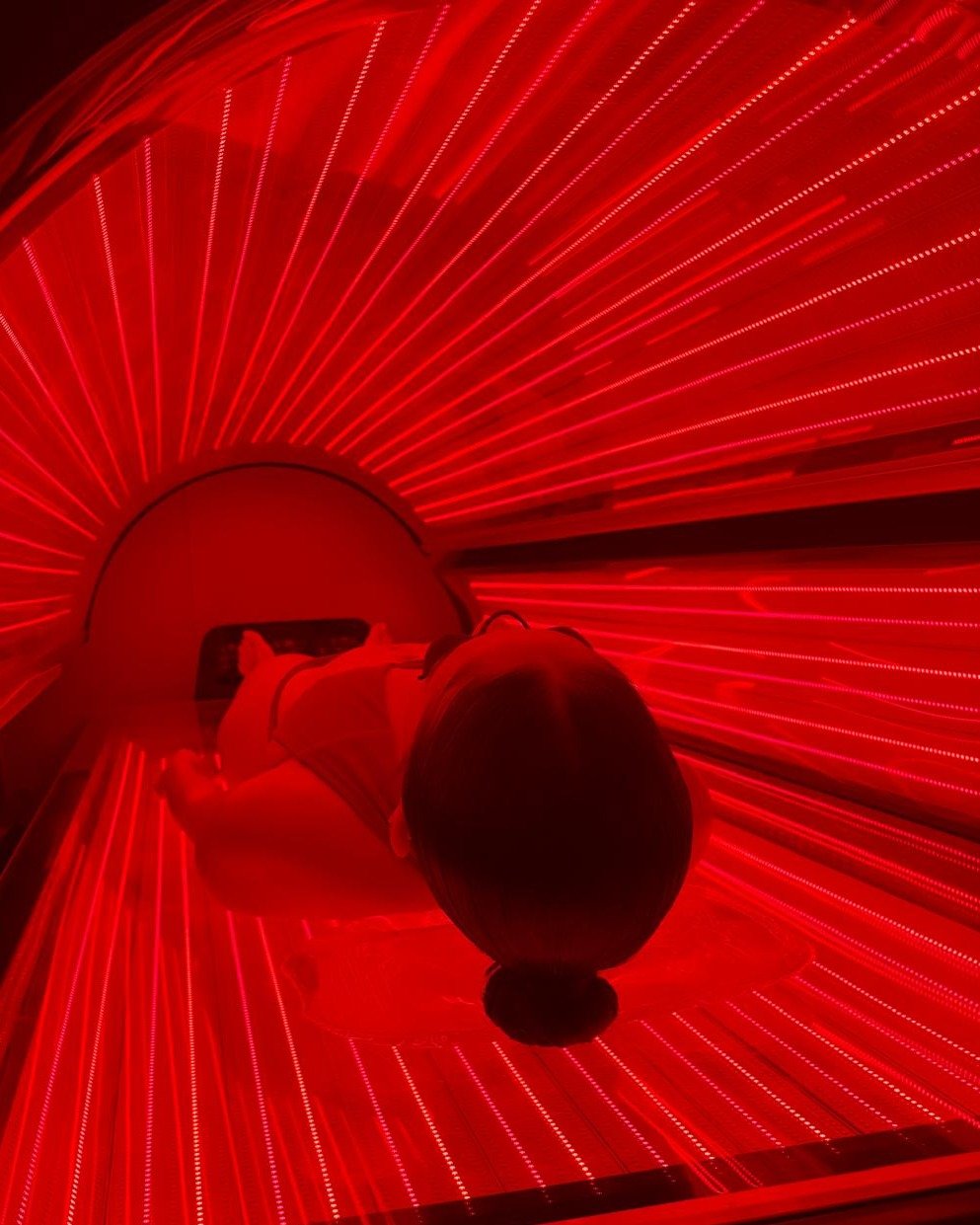
To incorporate red light into your sleep routine, consider using devices specifically designed for red light therapy. These devices emit the correct wavelength of light, offering the full benefits of red light exposure. Avoid using regular red-tinted light bulbs, as they may not be effective in stimulating melatonin production.
9. The Bottom Line: Can Red Light Improve Your Sleep?
In conclusion, red light at night may offer a natural and non-invasive way to enhance your sleep. Unlike blue light, which disrupts melatonin production, red light seems to have a more favorable impact on sleep quality. Although further research is necessary, early studies suggest that incorporating red light into your evening routine could help improve sleep and reduce the effects of sleep inertia.
If you struggle with sleep, consider experimenting with red light therapy, along with other sleep hygiene practices like reducing caffeine intake and limiting screen time before bed. If your sleep issues persist, consult a healthcare professional to identify any underlying health conditions.
10. FAQs
10.1 Can red light therapy help with insomnia?
Yes, some studies suggest that red light therapy can help improve sleep quality and duration, particularly for individuals with sleep disorders like insomnia. It’s important to note that results may vary from person to person, and more research is needed to fully understand its effectiveness.
10.2 Is it safe to use red light therapy every night?
Generally, red light therapy is considered safe for daily use. However, it’s important to follow recommended guidelines and avoid excessive exposure. If you have specific health concerns or conditions, it’s a good idea to consult with a healthcare professional before starting red light therapy.
10.3 Can red light improve daytime alertness?
Red light may help regulate circadian rhythms, which could contribute to increased alertness during the day. In combination with natural sunlight exposure, red light in the evening may help improve your overall sleep quality, leading to better daytime performance.
By understanding the science of light and how it interacts with your body, you can make informed decisions about how to optimize your sleep environment. Whether it’s through the use of red light therapy or simple adjustments to your light exposure, these strategies can help you achieve better, more restorative sleep.

 EN
EN EN_GB
EN_GB DE
DE EL
EL ES
ES UZ
UZ FR
FR IT
IT JA
JA CS
CS DA
DA DE_AT
DE_AT FI
FI ET
ET HR
HR FR_BE
FR_BE HU
HU KO
KO IS
IS KA
KA LT
LT NL
NL UK
UK TR
TR SV
SV SR
SR SL
SL SK
SK RU
RU RO
RO PT
PT NB
NB AR
AR CY
CY