




Acne is one of the most common skin conditions, affecting a significant portion of the population at some point in their lives. According to the NHS, around 95% of individuals aged 11-30 struggle with acne, and roughly 3% continue to face breakouts throughout their lifetime. While acne can be frustrating, there are several treatments available to reduce the appearance of spots and improve skin texture. Traditional methods include topical creams, oils, and lotions, as well as hormonal therapies. However, one area that has gained increasing attention in recent years is light therapy, specifically UV light. Sunlight has long been thought to benefit the skin, but does it truly help clear acne? And what about tanning beds—can they also be effective in treating acne? Let’s explore these questions in detail.

Understanding UV Light Therapy for Acne
UV light, which is the type of light emitted by the sun, has been studied for its potential benefits to skin health, especially in terms of managing acne. Dermatologists have observed that UV light may assist in the treatment of acne in two significant ways:
1. Minimizing Inflammation
One of the main ways UV light helps is by reducing inflammation. According to BUPA, UV light has the ability to dampen the body’s overactive immune responses, which can contribute to the inflammation often associated with acne. Acne, especially types such as papules, pustules, nodules, and cysts, is typically accompanied by redness, swelling, and pain. UV light therapy can reduce these symptoms by helping to soothe the irritated skin. This is particularly beneficial for those suffering from inflammatory acne.
2. Boosting Vitamin D
Another way UV light aids acne is by promoting the production of Vitamin D, which is essential for overall skin health. Studies have shown that people with acne tend to have a Vitamin D deficiency, and supplementation has been found to reduce acne symptoms. Sunlight is a natural source of Vitamin D, and many individuals notice an improvement in their skin when they spend time in the sun. This connection between UV exposure and Vitamin D underscores the potential role of sunlight and UV light in improving acne.
Can Sunbeds Help with Acne?
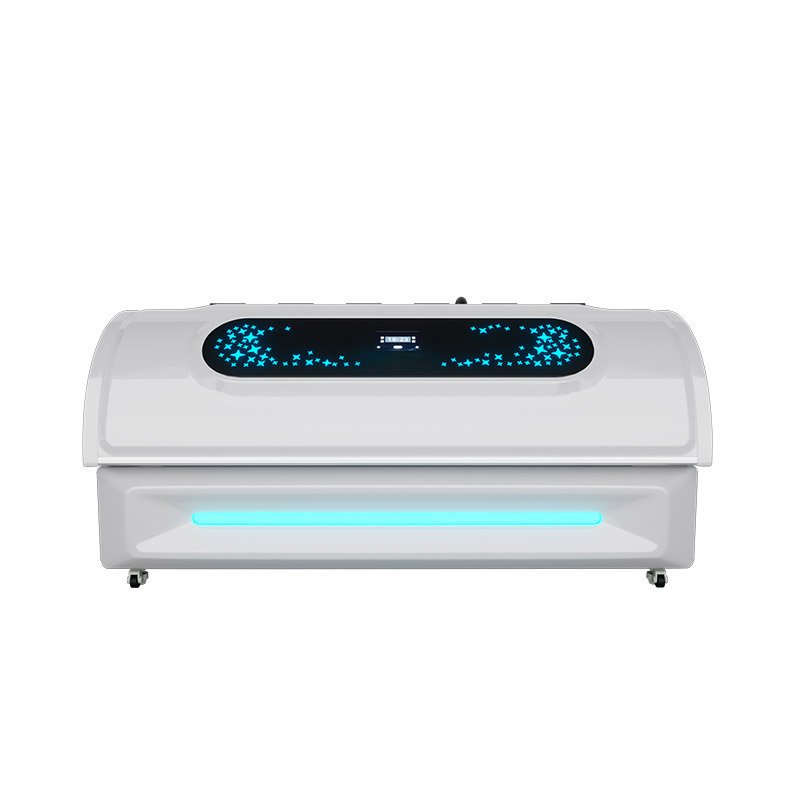
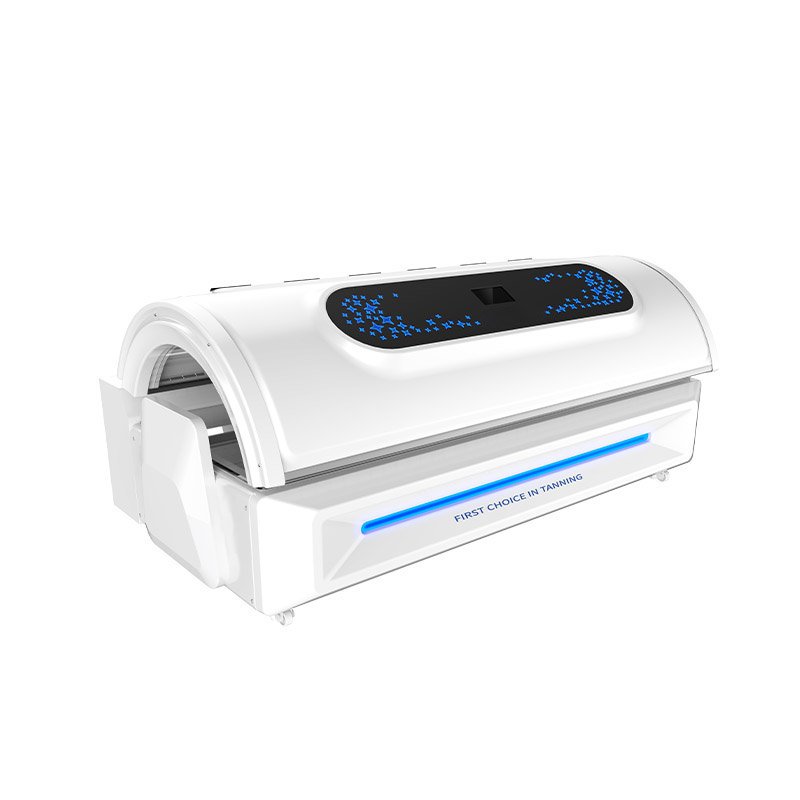
Given the potential benefits of UV light, many people wonder if sunbeds—artificial devices designed to simulate sunlight—can also help manage acne. The light emitted by sunbeds is essentially the same type of UV light that the sun provides. As such, the skin reacts in a similar way, regardless of the light’s source. This raises an important question: can sunbeds be used as an effective treatment for acne?
Studies suggest that sunbeds can indeed help some individuals with acne. In Sweden, where sunlight is limited during the winter months, researchers found that approximately one-third of people who regularly used tanning beds believed that it improved their acne. While this observation is promising, it’s important to note that the results may vary depending on the individual’s skin type, the severity of acne, and the duration of sunbed exposure.
Additionally, UV light therapy is so effective that it is now approved by medical professionals as a legitimate treatment for acne. In clinical settings, phototherapy machines deliver UVB light to target and reduce the appearance of acne, offering a treatment option for people with hard-to-treat skin conditions.

Sunbeds and Acne Scarring
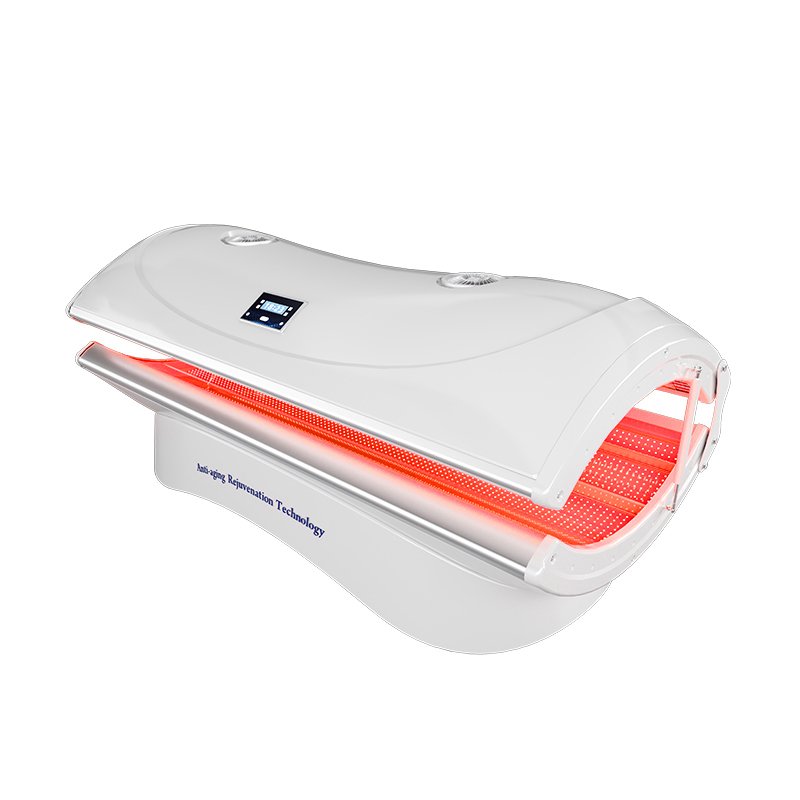
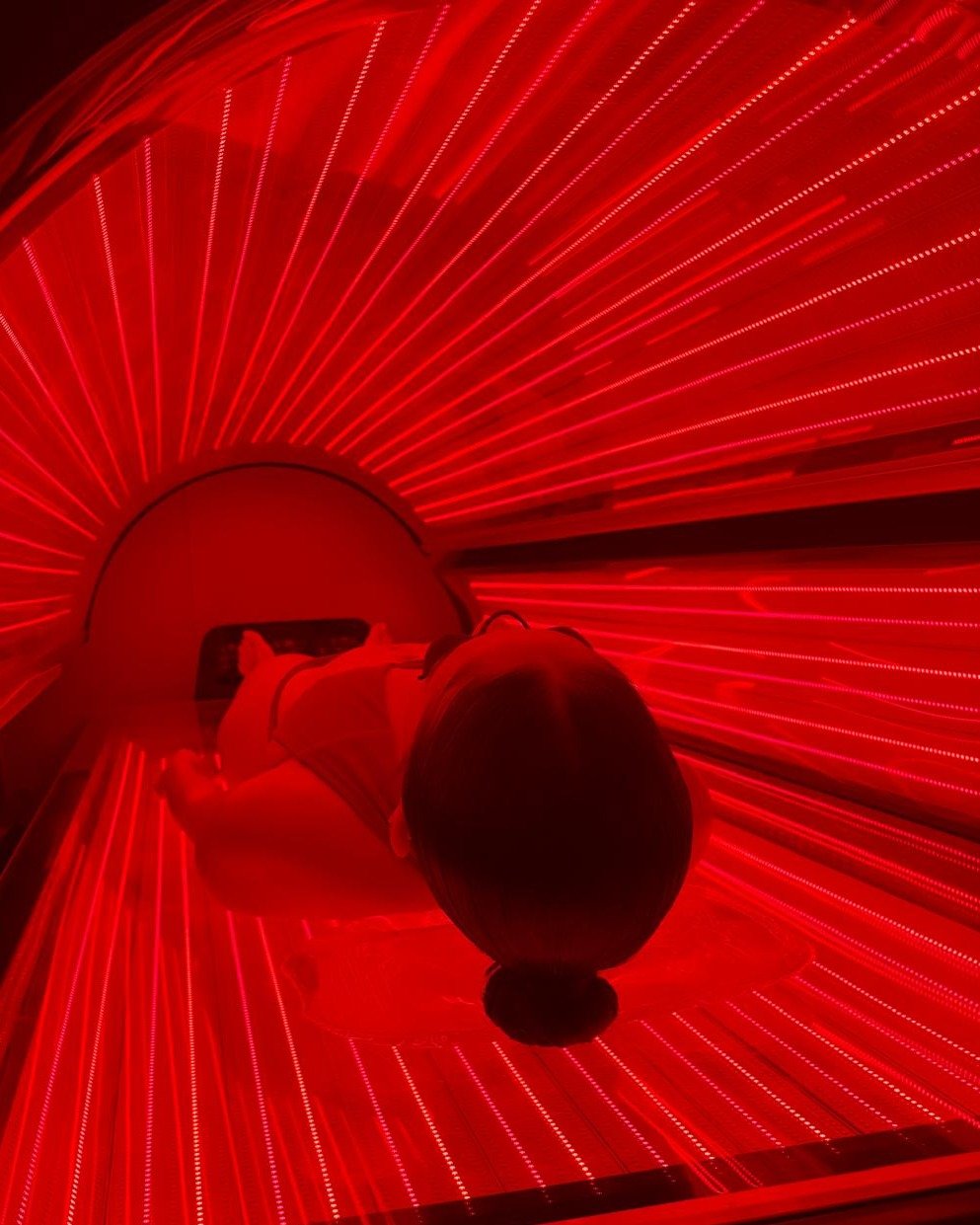
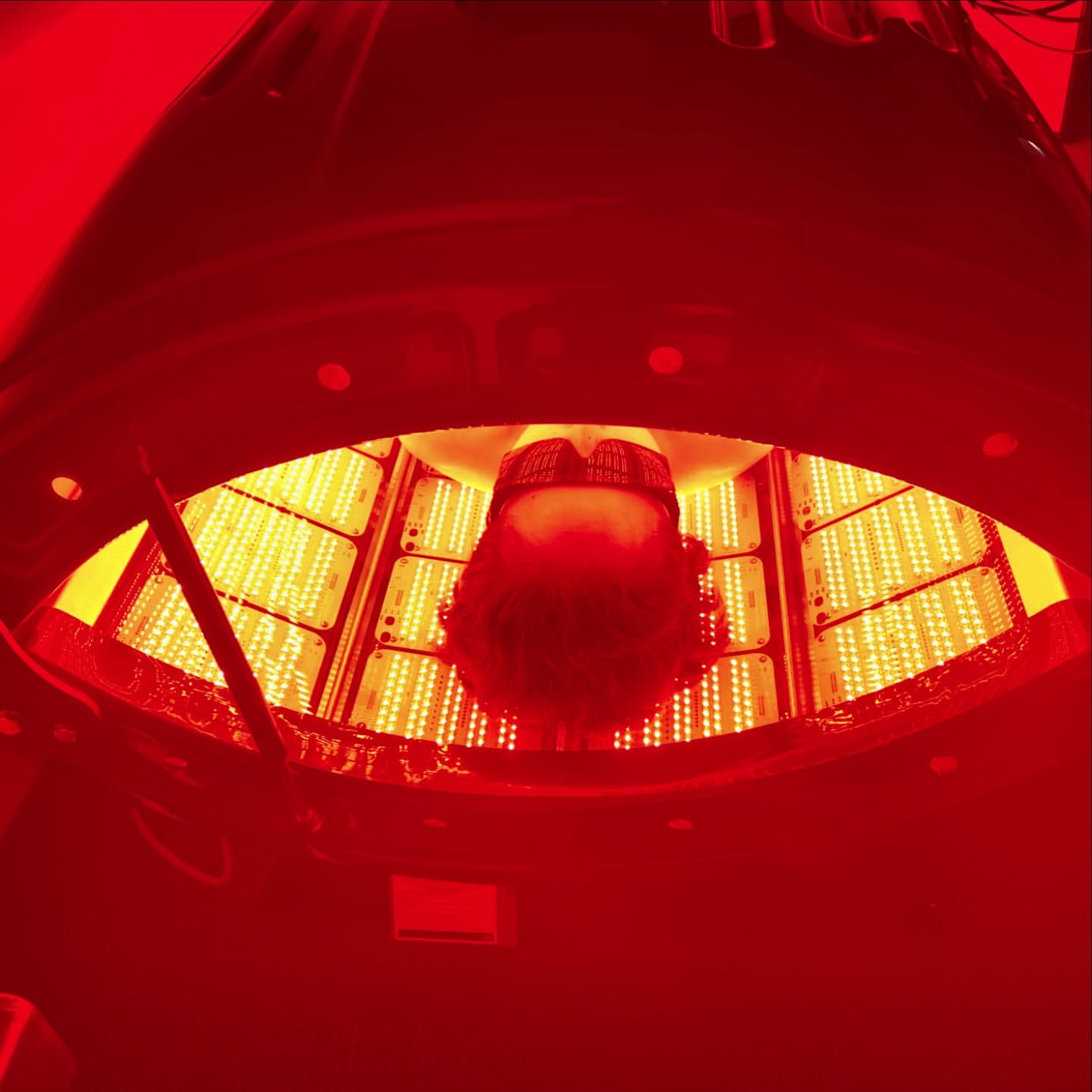
In addition to treating acne itself, sunbeds may also assist in reducing the appearance of acne scars. This benefit is largely attributed to red light therapy, which is a form of light treatment that stimulates collagen production in the skin. Collagen is a crucial protein that helps the skin maintain elasticity and flexibility, which can aid in the repair of scar tissue and the improvement of skin texture.
Red light therapy differs from UV light in that it does not emit UVA or UVB rays—types of light responsible for tanning. Instead, red light delivers a low-level wavelength that penetrates deep into the skin, where it is absorbed by the cells. The therapeutic effect of red light therapy is well-documented, and many sunbeds are equipped with red light tubes. These can either be used in combination with UV light tubes or swapped out depending on the treatment needs. This makes it easy for individuals to access red light therapy without needing specialized equipment.
While UV light can help reduce acne and its associated inflammation, red light is particularly effective in promoting healing and minimizing the appearance of scars. This dual benefit makes tanning beds an intriguing option for individuals looking to manage both active acne and acne scarring.
Considerations Before Using Sunbeds for Acne Treatment
While there are benefits to using sunbeds for acne treatment, it’s important to approach the idea with caution. Neither sunlight nor artificial UV light from tanning beds can offer a magical cure for acne. If this were the case, acne would no longer be a widespread issue. However, UV light and red light therapy can be valuable tools in managing acne and reducing inflammation.
Before deciding whether sunbeds are right for you, it’s essential to consult with a healthcare professional, such as a dermatologist. Your doctor can help you understand whether UV or red light therapy is suitable for your specific skin type and acne condition. Additionally, they can offer advice on the appropriate duration and frequency of exposure to ensure you’re achieving the desired effects while minimizing any potential harm.
Potential Risks of UV Exposure
It’s important to be aware of the risks associated with excessive UV exposure. Overusing sunbeds or spending too much time in the sun can increase the risk of skin damage, premature aging, and even skin cancer. UV light, while beneficial in moderation, can also lead to sunburn and long-term skin damage if not carefully managed.
People with sensitive skin, a history of skin cancer, or certain medical conditions should be particularly cautious about using tanning beds. It’s crucial to follow recommended guidelines for UV exposure to avoid potential health risks.
Conclusion
In conclusion, tanning beds, as a source of UV light, can potentially help some individuals manage acne by reducing inflammation and promoting the production of Vitamin D. Additionally, red light therapy, available in some tanning beds, can assist with reducing acne scars by stimulating collagen production. However, while these treatments may offer relief for some people, they are not a cure-all for acne. The best course of action is to consult with a dermatologist before using tanning beds as an acne treatment to ensure that it’s the right choice for your skin.
Ultimately, while UV light therapy offers promising results for many, it’s important to weigh the potential benefits against the risks of UV exposure. With the guidance of a medical professional, tanning beds may be a helpful tool in managing acne and promoting healthier skin.

 EN
EN EN_GB
EN_GB DE
DE EL
EL ES
ES UZ
UZ FR
FR IT
IT JA
JA CS
CS DA
DA DE_AT
DE_AT FI
FI ET
ET HR
HR FR_BE
FR_BE HU
HU KO
KO IS
IS KA
KA LT
LT NL
NL UK
UK TR
TR SV
SV SR
SR SL
SL SK
SK RU
RU RO
RO PT
PT NB
NB AR
AR CY
CY