



1. Introduction: The Rise of Red Light Therapy (RLT) and Its Growing Popularity
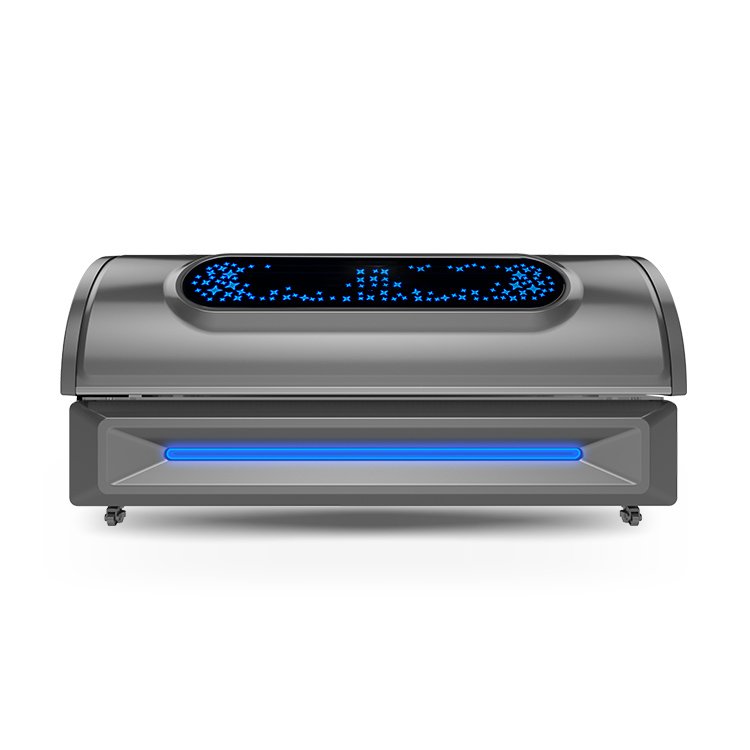
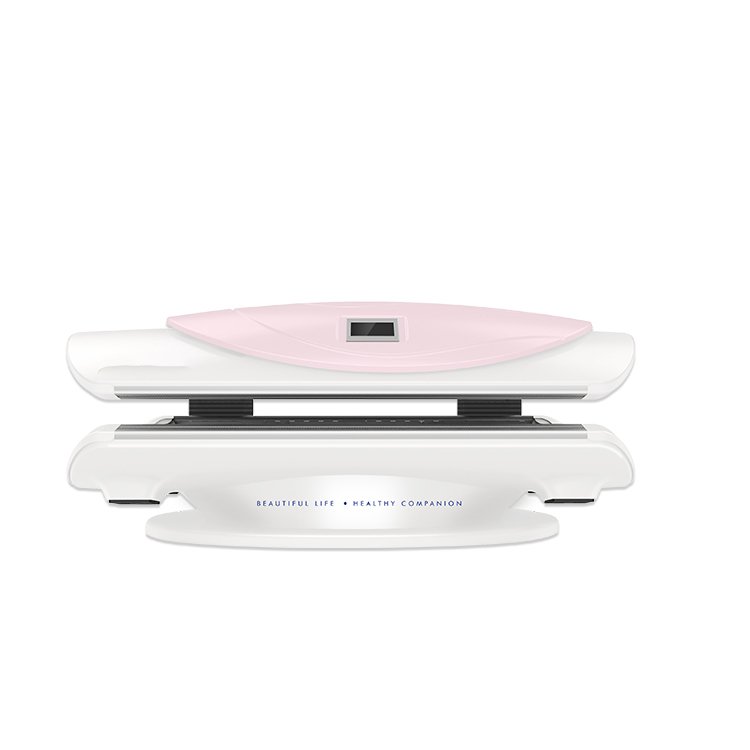
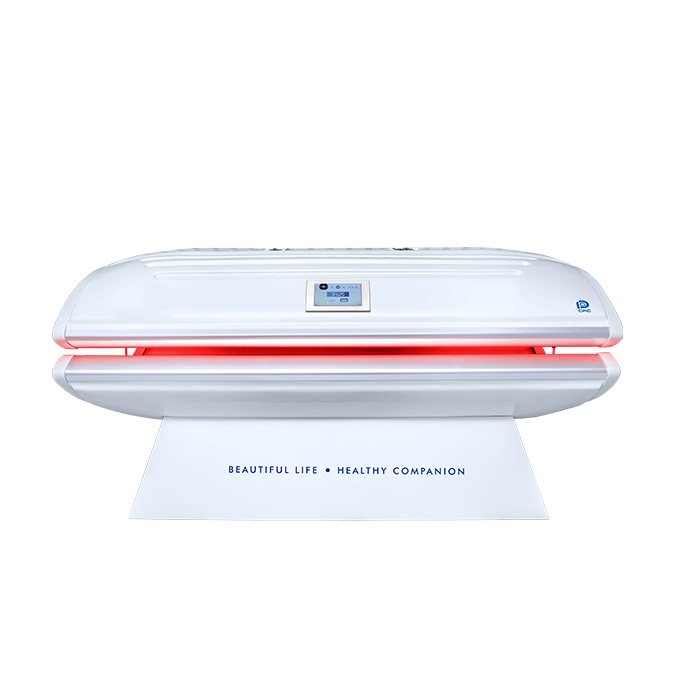
Red light therapy (RLT) is swiftly gaining popularity in the wellness and healthcare communities, owing to its vast array of potential benefits. From reducing inflammation and promoting skin regeneration to alleviating pain and even improving mental health, RLT has proven to be an effective treatment for various conditions. It works by utilizing low-level wavelengths of light, primarily in the red and near-infrared spectrum, to stimulate cellular processes that accelerate healing and regeneration.
Despite its non-invasive nature and growing list of benefits, many people are curious about the risks of overusing RLT. Can you have too much of a good thing? Is there such a thing as overdoing red light therapy? Understanding how to use RLT safely and effectively is crucial to maximizing its potential without causing harm. In this article, we’ll explore the benefits, safe dosage, and optimal usage guidelines, as well as answer some frequently asked questions regarding this powerful treatment.

2. What is Red Light Therapy?
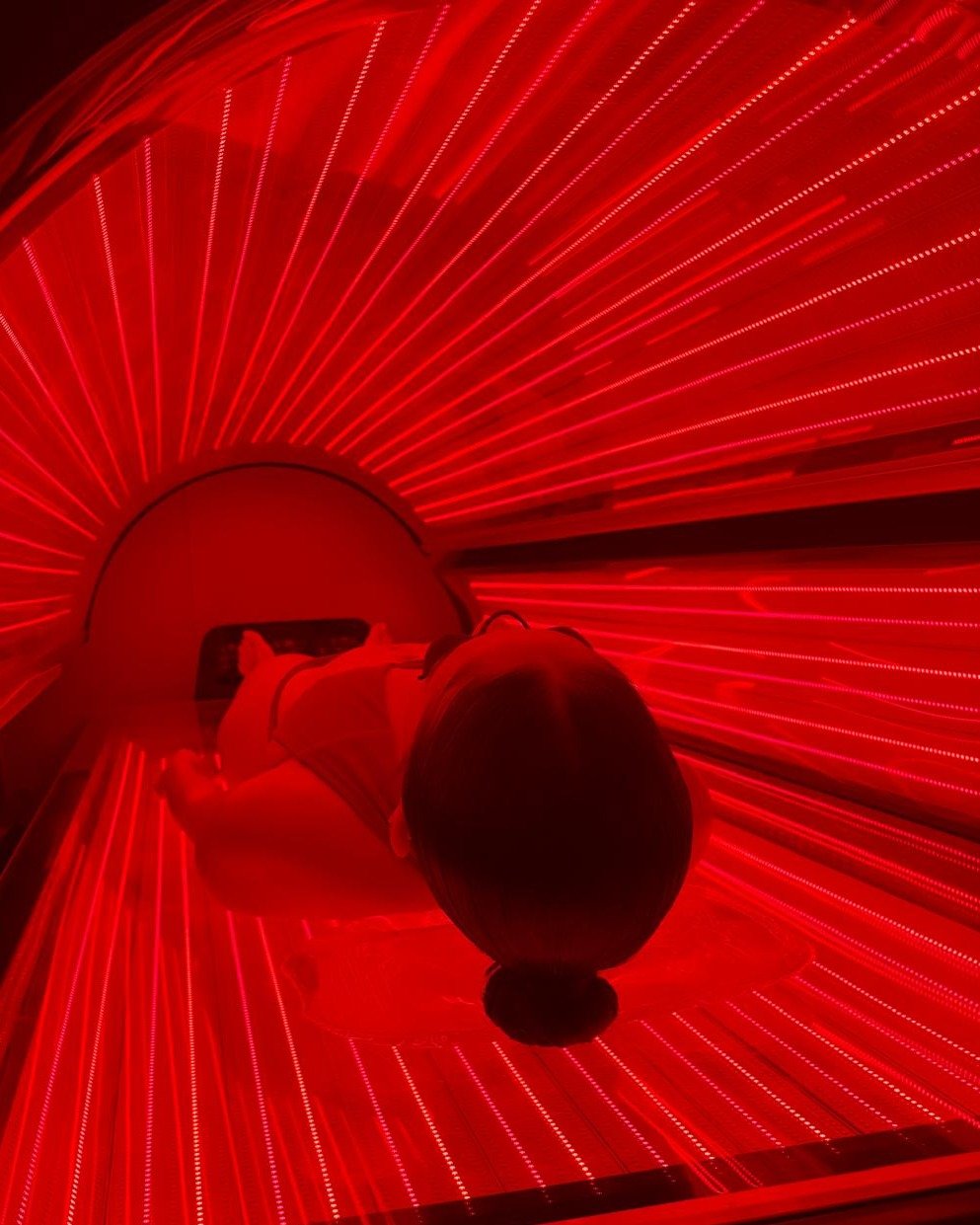
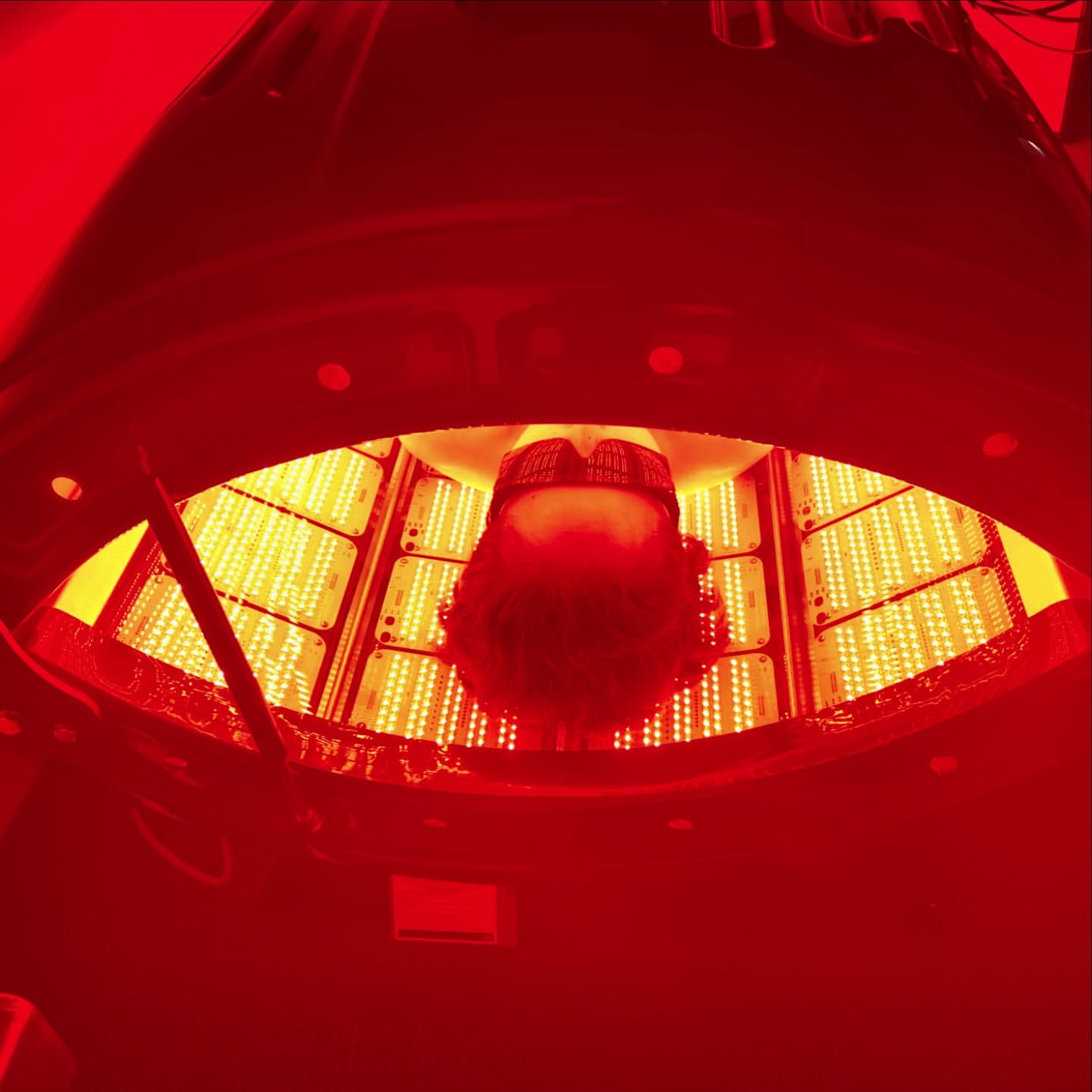
Red light therapy (RLT) is a treatment method that uses low-level wavelengths of light, specifically red and near-infrared light, to stimulate various biological processes in the body. Also referred to as low-level laser therapy (LLLT), photobiomodulation (PBM), or cold laser therapy, it helps promote healing, reduce inflammation, and enhance cellular function.
When the body absorbs red light, it triggers several beneficial responses. It boosts circulation, accelerates collagen production, stimulates the regeneration of skin cells, and helps the body repair itself. This results in the treatment of conditions like acne, joint pain, wrinkles, and even depression. Moreover, RLT is beneficial for improving athletic performance by reducing muscle fatigue and enhancing recovery.
3. The Many Benefits of Red Light Therapy
Red light therapy is known for offering a wide range of health benefits, making it an appealing option for both therapeutic and cosmetic purposes. Here are some of the key benefits of RLT:
- Skin Health: RLT helps to increase collagen and elastin production, improving skin elasticity and texture. It’s widely used for treating wrinkles, acne, age spots, and other skin conditions.
- Pain and Inflammation Relief: RLT has been shown to reduce inflammation in tissues, providing relief for conditions like arthritis, muscle pain, and joint pain. It also supports the recovery process from injuries by accelerating tissue repair.
- Wound Healing: The healing process is sped up by stimulating cell regeneration and reducing inflammation, making RLT an effective treatment for cuts, burns, and other skin wounds.
- Hair Growth: For individuals suffering from hair loss or thinning hair, red light therapy has been shown to stimulate hair follicles and encourage new hair growth, particularly in those with androgenic alopecia.
- Improved Sleep Quality: Exposure to red light therapy before bedtime can improve sleep quality by regulating the production of melatonin, a hormone that controls the sleep-wake cycle.
- Mental Health Benefits: RLT may help alleviate symptoms of depression and anxiety by enhancing serotonin and endorphin production, thus improving mood and overall mental well-being.
4. Is Overuse of Red Light Therapy Risky?
Red light therapy is generally considered safe, but like any form of treatment, excessive use can lead to unwanted side effects. While the therapy is non-invasive and free of harmful radiation, overusing it may cause adverse reactions, particularly to the skin and tissues.
Potential Risks of Overuse:
- Skin Irritation: Overexposure to red light may result in redness, irritation, or inflammation, especially in sensitive areas such as the face or eyes.
- Increased Sensitivity: Prolonged exposure could lead to heightened skin sensitivity, making you more prone to damage from UV rays and environmental factors.
- Fatigue and Discomfort: Some users report feelings of fatigue or discomfort after excessive use, which could interfere with daily activities.
To avoid these risks, it’s crucial to adhere to the recommended guidelines for session frequency and duration. The goal is to find a balance that maximizes benefits while minimizing the chance of overdoing it.

5. How Much Red Light Therapy is Too Much?
The optimal frequency and duration of red light therapy depend on several factors, including the condition being treated, the device being used, and the individual’s response to treatment. While there is no universally agreed-upon amount of RLT for everyone, there are general recommendations that can guide safe usage:
- Frequency: For most conditions, 2-3 sessions per week are sufficient. For skin treatments such as acne or wound healing, you may need more frequent sessions at the beginning, but once the condition improves, you can scale back to 1-2 sessions per week for maintenance.
- Duration: The recommended session duration is usually between 5-15 minutes. This may vary based on the device and the area being treated. Starting with shorter sessions is ideal, gradually increasing the time if needed.
- Starting Slowly: If you are new to red light therapy, it’s advisable to start with shorter sessions (5-10 minutes) and gradually increase the duration as your body adapts to the treatment.
It’s important to remember that everyone responds differently to red light therapy. While some may experience positive results with shorter sessions, others may require longer sessions to achieve the desired outcome. Always listen to your body and consult a healthcare provider to tailor the treatment to your specific needs.
6. Safe Dosage and Best Practices for Red Light Therapy
To ensure safe and effective red light therapy, follow these best practices:
- Consult a Professional: Before starting any new therapy, especially if you have a pre-existing condition, it’s wise to consult a healthcare provider. This ensures that RLT is suitable for you and helps determine the appropriate dosage for your needs.
- Use the Right Device: Not all red light devices are created equal. Choose a high-quality, reputable device that is designed for your specific treatment goals. Some devices may offer more power or a different wavelength, which can affect the results.
- Monitor Your Skin’s Reaction: Always pay close attention to how your skin reacts during and after each session. If you experience irritation or discomfort, reduce the duration or frequency of your sessions. If problems persist, seek medical advice.
- Avoid Overuse: More doesn’t always mean better. Adhere to the recommended frequency and duration of treatments for your condition to avoid overexposing your skin to the light.
7. Additional Features of Red Light Therapy
While the primary benefits of red light therapy are widely known, there are some additional features that can enhance the overall results:
a) Combining Red Light Therapy with Other Treatments
One way to optimize the benefits of red light therapy is to combine it with other complementary treatments. For example, topical creams or serums that promote skin regeneration can be applied after RLT sessions to help accelerate the healing process. Similarly, combining RLT with physical therapy for joint or muscle pain can provide more effective pain relief and enhance recovery.
b) At-Home Red Light Therapy Devices
At-home red light therapy devices have made it easier for individuals to incorporate this treatment into their daily routines. These devices are user-friendly, often portable, and allow you to enjoy the benefits of RLT in the comfort of your own home. However, when using at-home devices, always follow the manufacturer’s guidelines and take care to avoid overuse. If in doubt, it’s best to consult a professional to ensure you’re using the device correctly.
8. FAQs:
1. How often should I use red light therapy for wrinkles?
For anti-aging and wrinkle reduction, using red light therapy once or twice a week is generally sufficient. Overuse could lead to skin irritation, so stick to the recommended frequency for the best results.
2. Can red light therapy help with hair loss?
Yes, red light therapy can help stimulate hair follicles and promote hair growth, especially in individuals with androgenic alopecia. It is recommended to use RLT 2-3 times a week for optimal hair regrowth results.
3. Are there any side effects to red light therapy?
When used correctly, red light therapy is generally safe. However, excessive use can lead to skin irritation, fatigue, or heightened sensitivity. Always follow the recommended dosage and monitor your skin’s reaction.
9. Conclusion: Embrace the Power of Red Light Therapy, Responsibly
Red light therapy offers a wide range of health benefits, from improving skin health and promoting wound healing to reducing pain and boosting mood. However, like any treatment, it’s essential to use it properly to avoid overuse and potential side effects. By adhering to safe usage guidelines, such as maintaining proper session frequency and duration, and consulting a healthcare professional when necessary, you can maximize the benefits of red light therapy while minimizing risks.
Remember, the key to success with red light therapy is moderation and mindfulness. Whether you are using it for skin rejuvenation, pain relief, or hair growth, following best practices will ensure that you achieve optimal results without overdoing it. Embrace the power of red light therapy responsibly and enjoy the numerous health benefits it has to offer!

 EN
EN EN_GB
EN_GB DE
DE EL
EL ES
ES UZ
UZ FR
FR IT
IT JA
JA CS
CS DA
DA DE_AT
DE_AT FI
FI ET
ET HR
HR FR_BE
FR_BE HU
HU KO
KO IS
IS KA
KA LT
LT NL
NL UK
UK TR
TR SV
SV SR
SR SL
SL SK
SK RU
RU RO
RO PT
PT NB
NB AR
AR CY
CY