



1. Introduction to Eczema and Its Challenges
Eczema is a common skin disorder that often causes skin irritation and discomfort. It can occur in various forms, including atopic dermatitis, allergic contact dermatitis, and seborrheic dermatitis. Regardless of the type, the symptoms are generally marked by inflammation, dryness, scaling, and intense itching. The condition is often triggered by environmental factors, allergens, food sensitivities, stress, or even changes in temperature and humidity.
Managing eczema can be challenging, especially since flare-ups can occur suddenly and worsen with exposure to certain irritants. The usual treatments, like topical corticosteroids and moisturizers, may not always offer long-term relief. As a result, many individuals with eczema are on the lookout for alternative therapies that can help manage symptoms and improve their quality of life.
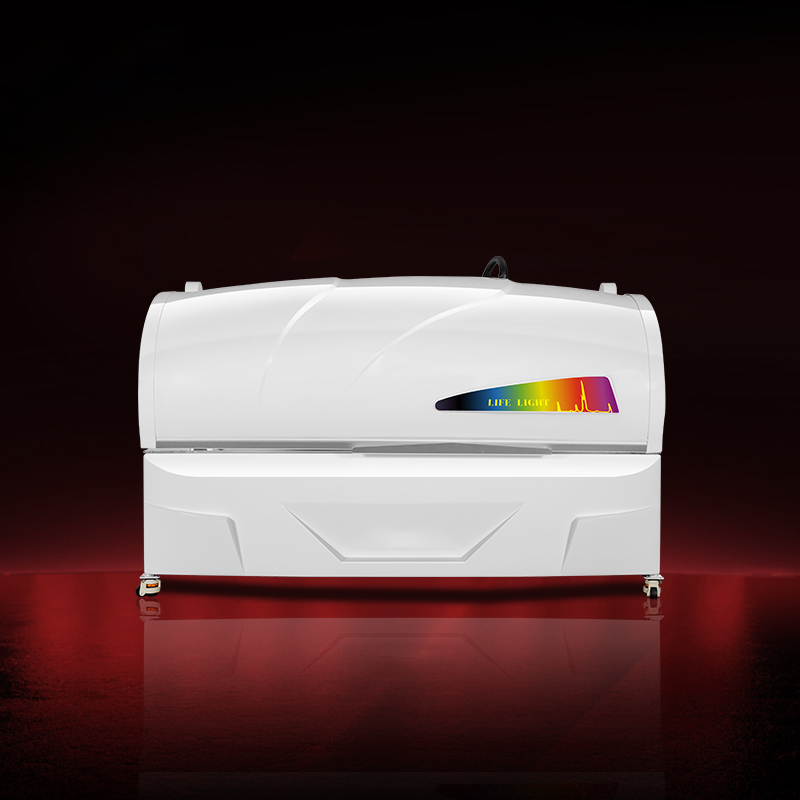
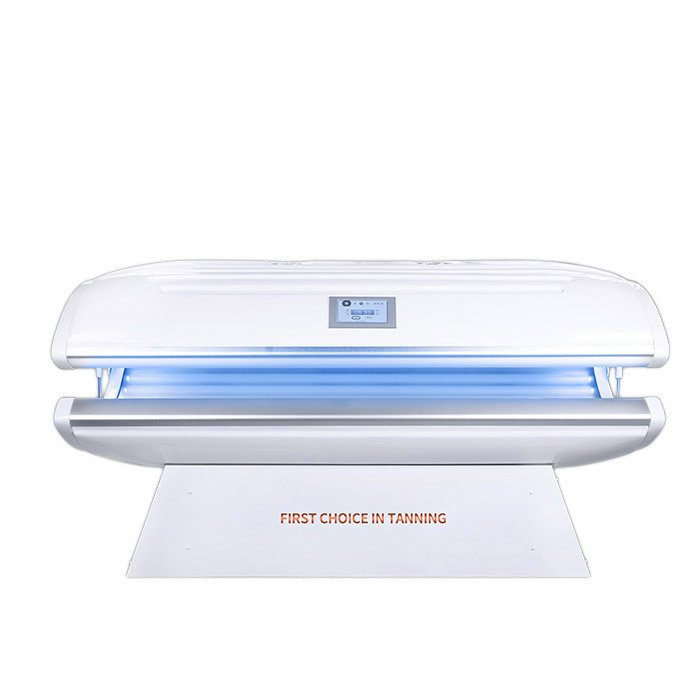
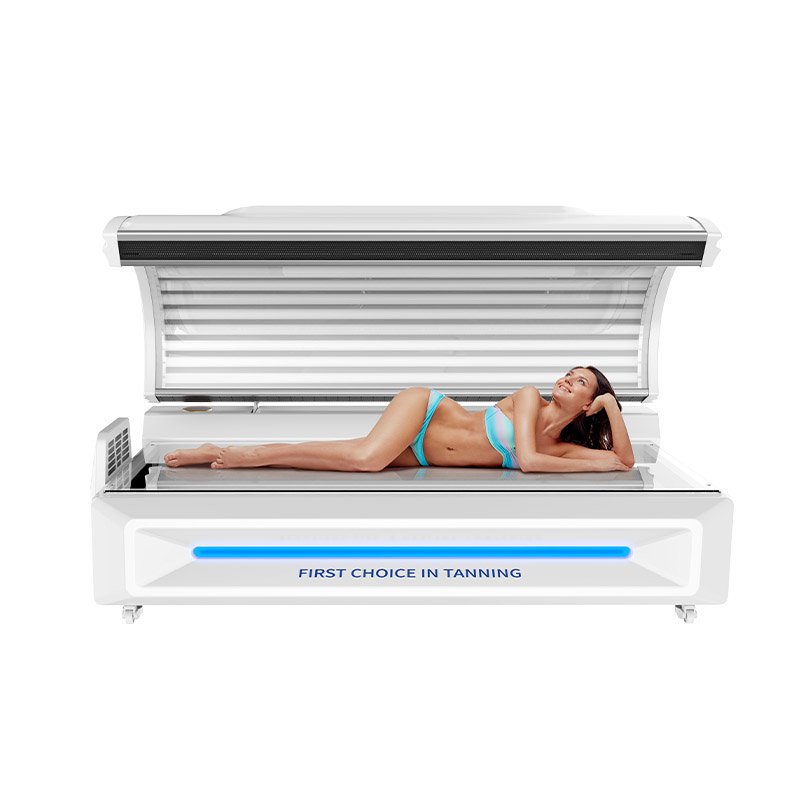
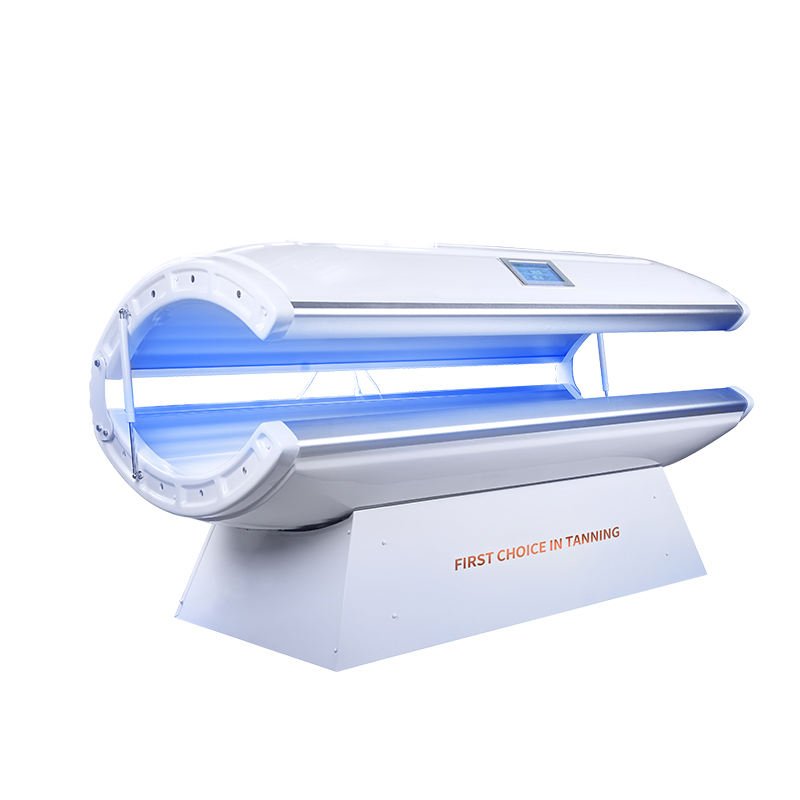
One such alternative is the use of tanning beds, which expose the skin to ultraviolet (UV) light, typically UVA or UVB rays. Some people with eczema claim that regular use of sunbeds helps reduce their symptoms. But is there any scientific backing to this belief? Let’s explore this topic further.

2. The Role of UV Light in Skin Health
Ultraviolet (UV) light is a type of electromagnetic radiation that is naturally emitted by the sun. There are two main types of UV light that affect the skin: UVA and UVB. UVA rays are longer and penetrate deeper into the skin, while UVB rays are shorter and primarily responsible for sunburns. Both types of UV light can have an impact on various skin conditions, including eczema.
Interestingly, UV light has been used for decades in a form of treatment called phototherapy. Phototherapy involves controlled exposure to UV light in order to treat certain skin conditions, including eczema, psoriasis, and vitiligo. UV light has been shown to help reduce inflammation, calm the immune system, and promote the healing of damaged skin cells.
3. Phototherapy: A Proven Treatment for Eczema
Phototherapy, particularly UVB light therapy, has been studied extensively and is now an approved treatment for eczema. In this therapy, a person is exposed to UVB light under medical supervision. The UVB rays help reduce skin inflammation, slow down the excessive skin cell turnover that characterizes eczema, and alleviate symptoms like itching and dryness.
Numerous studies have demonstrated the effectiveness of UVB phototherapy for managing eczema. In fact, research has shown that regular sessions of phototherapy can significantly improve eczema symptoms and even provide long-lasting relief. However, this type of treatment typically requires visits to a clinic, which may not be convenient for everyone.
4. The Potential Benefits of Tanning Beds for Eczema
Given that phototherapy has shown promising results for eczema patients, many people wonder if tanning beds, which emit similar UV light, can offer similar benefits. After all, tanning beds expose the skin to controlled UV light, making them a convenient and accessible option for those who cannot visit a clinic for phototherapy.
Studies have shown that tanning beds, particularly those that emit UVB rays, can indeed be beneficial for eczema sufferers. UVB light helps reduce inflammation, much like it does in phototherapy treatments. Additionally, tanning beds may promote the production of Vitamin D, a crucial nutrient that plays a role in immune system regulation. Some researchers believe that Vitamin D deficiency may contribute to the development and exacerbation of eczema, so boosting Vitamin D levels through UV exposure could help improve skin health.
In fact, some studies have suggested that using tanning beds can be an effective way to manage mild to moderate eczema symptoms, especially when used as a supplement to other treatments like moisturizers and topical corticosteroids. One study found that regular sunbed use was just as effective as phototherapy in managing eczema symptoms, particularly for individuals with eczema on their hands.
5. Understanding the Link Between UV Exposure and Eczema
To understand why UV light may help with eczema, it is essential to explore how UV exposure affects the immune system. Eczema is thought to be caused by an overactive immune response to environmental triggers, such as allergens, irritants, and stress. This overreaction leads to inflammation in the skin, causing the characteristic symptoms of eczema.
UV light, particularly UVB rays, can suppress the immune system’s overactive response. By reducing the activity of certain immune cells involved in inflammation, UV exposure can help prevent or minimize eczema flare-ups. This immune-modulating effect of UV light is one of the key reasons why phototherapy has proven effective in treating eczema.
In addition to suppressing inflammation, UV light may also stimulate the production of Vitamin D in the skin. Vitamin D has been shown to have immune-modulating properties, and its deficiency has been linked to an increased risk of developing eczema and other inflammatory skin conditions. By increasing Vitamin D levels, UV exposure may help regulate the immune system and reduce the frequency and severity of eczema flare-ups.

6. Are Tanning Beds a Safe and Effective Treatment for Eczema?
While the use of tanning beds may provide benefits for eczema sufferers, it is important to approach this treatment with caution. Excessive UV exposure can lead to skin damage, premature aging, and an increased risk of skin cancer. Therefore, it is crucial to use tanning beds in moderation and follow safety guidelines to minimize these risks.
In fact, studies have shown that using tanning beds too frequently or for prolonged periods can cause skin damage and exacerbate certain skin conditions. For individuals with very sensitive skin or severe eczema, tanning beds may not be a suitable treatment option. Additionally, people with lighter skin tones should be particularly careful when using tanning beds, as they are more prone to sunburn and skin damage.
For most people, tanning beds can be used as a supplementary treatment to manage eczema symptoms. However, they should not be relied upon as the sole treatment. It is important to combine tanning bed use with other treatments, such as prescribed medications and good skin care practices, to achieve the best results.
7. Tips for Using Tanning Beds Safely for Eczema
If you are considering using tanning beds to help manage your eczema, here are some important tips to follow to ensure safe usage:
- Start Slowly: Begin with short sessions to see how your skin responds to UV exposure. Gradually increase the duration if needed, but never exceed the recommended exposure time.
- Protect Sensitive Areas: Avoid exposing delicate areas of your skin, such as the face, to UV light. Use protective eyewear to shield your eyes from harmful UV rays.
- Moisturize Regularly: Keep your skin hydrated by using emollients and moisturizers before and after tanning sessions to prevent dryness and irritation.
- Avoid Overexposure: Limit your tanning sessions to 2–3 times per week to avoid skin damage and minimize the risk of sunburn.
- Consult a Dermatologist: Speak with your healthcare provider before starting sunbed treatments to ensure that they are safe for your specific type of eczema and skin condition.
8. Sunbeds as Part of a Comprehensive Eczema Treatment Plan
While sunbeds can help manage the symptoms of eczema, they should never replace traditional eczema treatments, such as topical medications and moisturizers. It is essential to use a holistic approach to eczema management, which includes avoiding known triggers, practicing good skin care habits, and following a treatment regimen prescribed by your doctor.
Incorporating sunbed use into a comprehensive eczema management plan may offer additional relief, but it is not a miracle cure. Eczema is a chronic condition, and long-term management requires consistent care and attention. By combining sunbed use with other treatments, you can help keep eczema symptoms under control and improve your overall skin health.
9. Conclusion
Tanning beds, when used in moderation and with proper safety precautions, may provide relief for individuals suffering from eczema. UV light exposure, particularly UVB rays, can reduce inflammation, regulate the immune system, and alleviate symptoms like dryness and itching. However, tanning beds should not be seen as a cure-all for eczema. They should be used as part of a broader treatment plan that includes other therapies, good skin care practices, and consultation with a healthcare provider.
For many eczema sufferers, tanning beds can be a helpful tool in managing their condition, but they should be approached with caution and used responsibly. Always prioritize safety and consult with your doctor before starting any new treatment.
FAQs About Sunbeds and Eczema
1. Can tanning beds cure eczema completely?
No, tanning beds are not a cure for eczema. While they may help alleviate symptoms by reducing inflammation and promoting Vitamin D production, eczema is a chronic condition that requires ongoing management with a combination of treatments.
2. How often should I use tanning beds for eczema?
It is recommended to use tanning beds no more than 2–3 times per week to avoid overexposure to UV light, which can damage the skin. Always start with shorter sessions and gradually increase the time based on how your skin responds.
3. Are there any risks associated with using tanning beds for eczema?
Yes, excessive use of tanning beds can lead to skin damage, premature aging, and an increased risk of skin cancer. It is important to follow safety guidelines, limit exposure, and consult with a healthcare professional before using tanning beds to manage eczema.



 EN
EN EN_GB
EN_GB DE
DE EL
EL ES
ES UZ
UZ FR
FR IT
IT JA
JA CS
CS DA
DA DE_AT
DE_AT FI
FI ET
ET HR
HR FR_BE
FR_BE HU
HU KO
KO IS
IS KA
KA LT
LT NL
NL UK
UK TR
TR SV
SV SR
SR SL
SL SK
SK RU
RU RO
RO PT
PT NB
NB AR
AR CY
CY