




1. Introduction: Unlocking the Healing Power of Red Light Therapy
In recent years, red light therapy has emerged as a powerful and innovative approach to improving circulation, alleviating pain, and enhancing nerve function. From individuals living with diabetes and peripheral neuropathy to those dealing with chronic pain, many people are discovering the incredible benefits of this non-invasive treatment. But what exactly is red light therapy, and how does it work?
This article will dive deep into the science behind red light therapy, its wide-ranging benefits, and how it can help those suffering from poor circulation, nerve damage, or persistent discomfort. We’ll also explore some exciting new developments in red light therapy technology, offering insights into how you can easily incorporate it into your daily routine for lasting relief.

2. What Is Red Light Therapy?
Red light therapy, often referred to as Low-Level Laser Therapy (LLLT) or Near-Infrared Light Therapy (NIR), involves using specific wavelengths of light to stimulate healing within the body. This therapy uses light in the red and near-infrared spectrum to penetrate the skin and promote various biological effects.
The core principle behind red light therapy is its ability to increase the production of nitric oxide in the body. Nitric oxide is a natural vasodilator, meaning it helps widen blood vessels and improve blood flow, which can significantly enhance circulation in treated areas. As a result, red light therapy can improve tissue health, reduce inflammation, and help with the healing of damaged nerves and tissues.
3. The Role of Nitric Oxide in Red Light Therapy
The science behind red light therapy lies in its ability to trigger the release of nitric oxide. Nitric oxide plays an essential role in several processes within the body. It is a signaling molecule that helps to relax and dilate blood vessels, which improves blood flow and oxygen delivery to tissues.
When you apply red light to an area of the body, the light photons interact with cells and stimulate them to release nitric oxide. This results in a cascade of beneficial effects, including:
- Increased blood flow: This helps to bring oxygen and essential nutrients to tissues, promoting faster healing and reducing pain.
- Enhanced nerve regeneration: By improving blood supply to nerve endings, red light therapy helps damaged nerves heal more effectively, potentially restoring sensation and reducing numbness.
- Reduced inflammation: Better circulation also aids in the removal of waste products and toxins, reducing inflammation in affected areas.
The benefits of nitric oxide are profound, and when coupled with the healing properties of red light, they provide a powerful treatment option for a wide range of health concerns.
4. Key Benefits of Red Light Therapy
4.1. Improved Circulation and Pain Relief
One of the primary benefits of red light therapy is its ability to enhance circulation. Increased blood flow to affected areas helps reduce pain and discomfort, particularly for individuals with conditions such as peripheral neuropathy, fibromyalgia, and joint pain. As blood vessels dilate, oxygen-rich blood is able to nourish damaged tissues and promote healing.
Additionally, the analgesic effects of red light therapy can be felt almost immediately after treatment. This can help individuals manage chronic pain more effectively and even improve their quality of sleep, which is often disrupted by discomfort.
4.2. Nerve Healing and Sensitivity Restoration
For those dealing with nerve damage, such as individuals suffering from diabetes, red light therapy offers the potential for significant improvement. Nerve damage often leads to a loss of sensation, tingling, or numbness, especially in the extremities. Red light therapy can stimulate nerve regeneration and improve nerve sensitivity, helping individuals regain feeling and enhance motor function over time.
By improving circulation and stimulating cellular repair, red light therapy encourages nerve cells to regenerate and transmit signals more effectively, which ultimately restores sensation and reduces symptoms like numbness.
4.3. Non-Invasive and Drug-Free Solution
One of the most appealing aspects of red light therapy is that it is a non-invasive and drug-free treatment option. Unlike traditional pain management techniques that rely on medications or surgical interventions, red light therapy offers a safe, natural alternative. This is particularly valuable for those who wish to avoid the side effects and risks associated with pharmaceuticals or the high costs and recovery times associated with surgery.
Additionally, red light therapy can be performed in the comfort of your home, making it a convenient option for individuals seeking regular treatments without the need for frequent visits to a healthcare provider.
5. How Red Light Therapy Works
The mechanism of action behind red light therapy is relatively simple yet highly effective. The process begins when red and near-infrared light is absorbed by the skin and underlying tissues. The light photons penetrate the skin, stimulating the mitochondria, the energy-producing components of cells.
This stimulation encourages the production of adenosine triphosphate (ATP), the energy currency of the body. With more energy available, cells can function more efficiently, repair damaged tissues, and reduce inflammation. Additionally, as mentioned earlier, the production of nitric oxide is triggered, which dilates blood vessels and improves circulation.
6. Practical Applications of Red Light Therapy
Red light therapy can be applied to various areas of the body, making it a versatile treatment for many conditions. Some of the most common uses include:
- Chronic pain management: Red light therapy is particularly effective for conditions like arthritis, back pain, and joint discomfort.
- Wound healing and tissue repair: Red light therapy accelerates the healing process for cuts, bruises, and surgical wounds.
- Skin conditions: It has been shown to improve skin tone, reduce wrinkles, and promote collagen production.
- Muscle recovery: Athletes use red light therapy to speed up recovery from intense exercise by reducing muscle soreness and inflammation.
7. Benefits of Red Light Therapy Over Traditional Treatments
Red light therapy offers several distinct advantages compared to traditional medical treatments:
- Non-invasive and painless: There is no need for injections or surgery, making it a comfortable option for those who are apprehensive about more invasive procedures.
- Cost-effective: Red light therapy is typically more affordable than other treatments, such as physical therapy or prescription medications.
- Minimal side effects: Unlike many pharmaceuticals, red light therapy has very few side effects, making it a safe long-term treatment option.
- Convenient and portable: With devices available for home use, individuals can access therapy whenever they need it, without needing to schedule regular appointments.

8. How to Use Red Light Therapy at Home
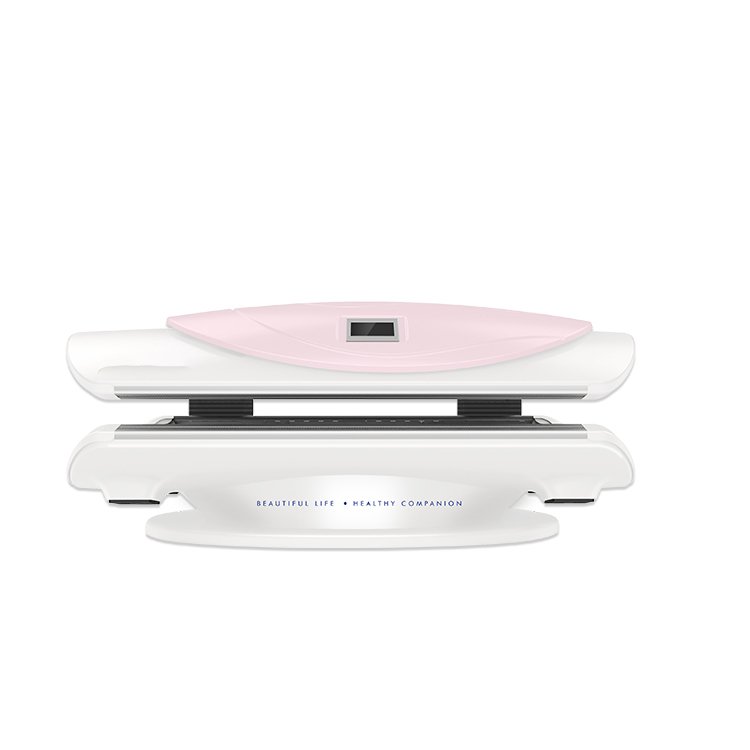
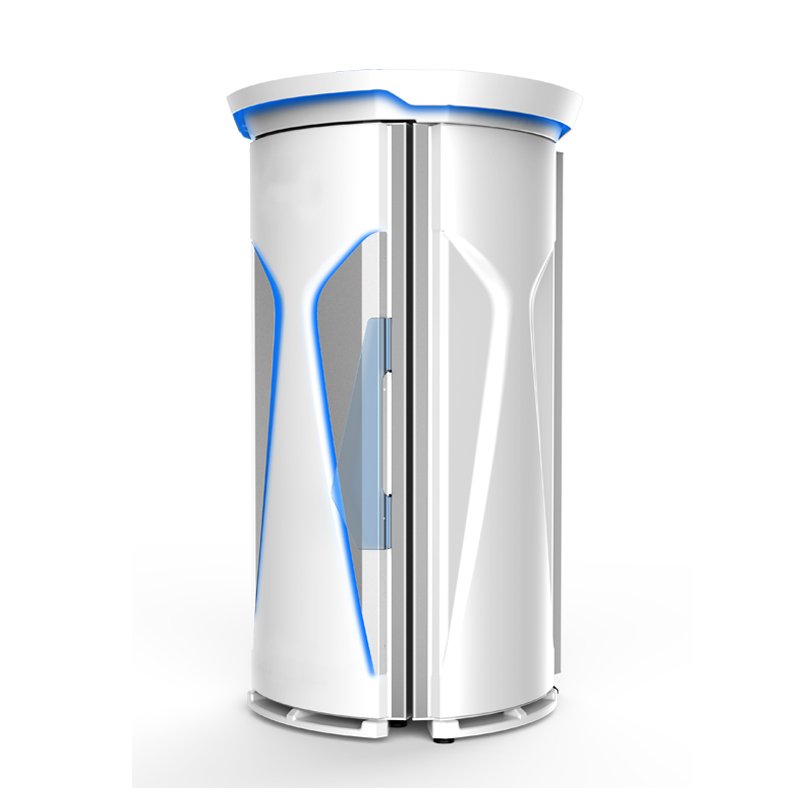
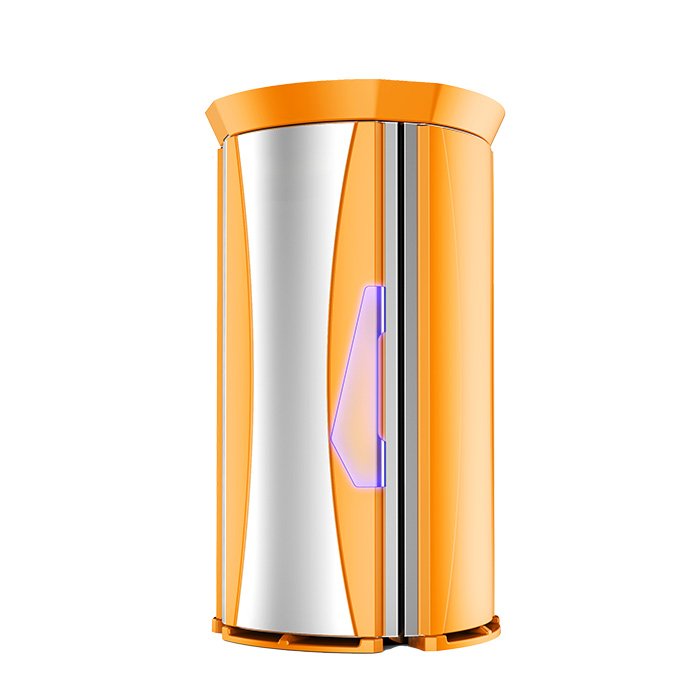
Red light therapy can be easily incorporated into your daily routine with the right tools. Many companies now offer compact and easy-to-use devices designed for home use. These devices typically include light pads or handheld units that emit the necessary wavelengths of light for effective treatment.
By following the manufacturer’s guidelines, users can apply red light therapy to targeted areas for a set period, often 15 to 20 minutes, for optimal results. Regular use is key to experiencing the full benefits, as healing and improvement in circulation take time.
9. Conclusion: The Future of Red Light Therapy
Red light therapy represents a transformative approach to healing and wellness, offering a natural, drug-free solution for those struggling with pain, poor circulation, and nerve damage. By stimulating the body’s natural healing processes, red light therapy provides both immediate relief and long-term benefits, including improved circulation, enhanced nerve function, and reduced pain.
As more people discover the advantages of red light therapy, its role in modern healthcare will continue to grow. Whether you’re dealing with chronic pain, nerve damage, or general wellness concerns, red light therapy offers a promising path to better health.
FAQs
1. How long does it take to see results from red light therapy?
The time it takes to see results can vary depending on the condition being treated. Some individuals report feeling relief after just one session, while others may need several weeks of consistent therapy to notice significant improvements.
2. Can red light therapy be used for skin rejuvenation?
Yes, red light therapy has been shown to stimulate collagen production and improve skin tone, making it an effective treatment for reducing wrinkles and promoting youthful skin.
3. Are there any side effects of red light therapy?
Red light therapy is generally safe and well-tolerated. However, it’s important to follow the instructions for use to avoid overuse, which could lead to minor skin irritation or discomfort.
By exploring the power of red light therapy, individuals can unlock a natural, effective way to enhance their health, manage pain, and restore their vitality without the need for invasive treatments. Whether at home or in a clinical setting, this innovative therapy offers a broad range of benefits for various conditions, supporting both short-term relief and long-term healing.


 EN
EN EN_GB
EN_GB DE
DE EL
EL ES
ES UZ
UZ FR
FR IT
IT JA
JA CS
CS DA
DA DE_AT
DE_AT FI
FI ET
ET HR
HR FR_BE
FR_BE HU
HU KO
KO IS
IS KA
KA LT
LT NL
NL UK
UK TR
TR SV
SV SR
SR SL
SL SK
SK RU
RU RO
RO PT
PT NB
NB AR
AR CY
CY