





1. Introduction: The Glow Debate — Are Tanning Beds Really Good for You?
In recent years, tanning beds have often been painted as dangerous villains lurking in the corners of beauty salons and gyms. Health campaigns repeatedly highlight the risks of ultraviolet (UV) exposure and warn about skin cancer and premature aging. But is there another side to this story? While it’s crucial to acknowledge the potential risks of tanning beds, it is equally important to understand the possible benefits they offer when used responsibly. Beyond just achieving that sought-after golden glow, tanning beds may provide advantages such as improving mood, enhancing sleep quality, promoting vitamin D production, supporting immune health, and even aiding certain skin conditions. This article takes a comprehensive look at tanning beds — exploring both benefits and risks, busting myths, and providing practical tips for safe use. We’ll also answer common questions and highlight lesser-known benefits, such as pain management and psoriasis relief. Let’s dive into the big question: Are tanning beds good for you?

2. The Science Behind Tanning Beds: How Do They Work?
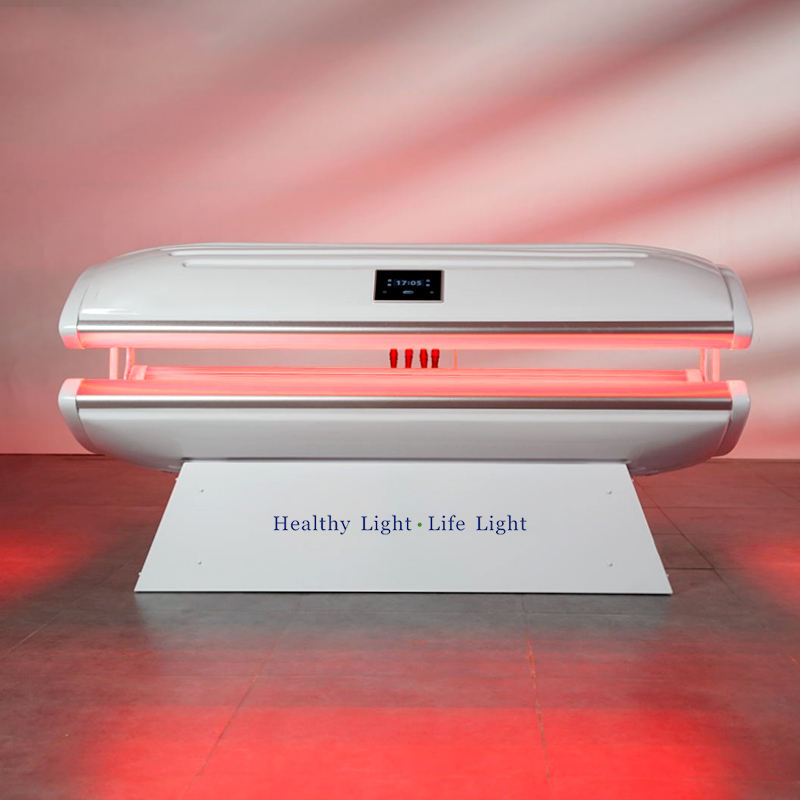
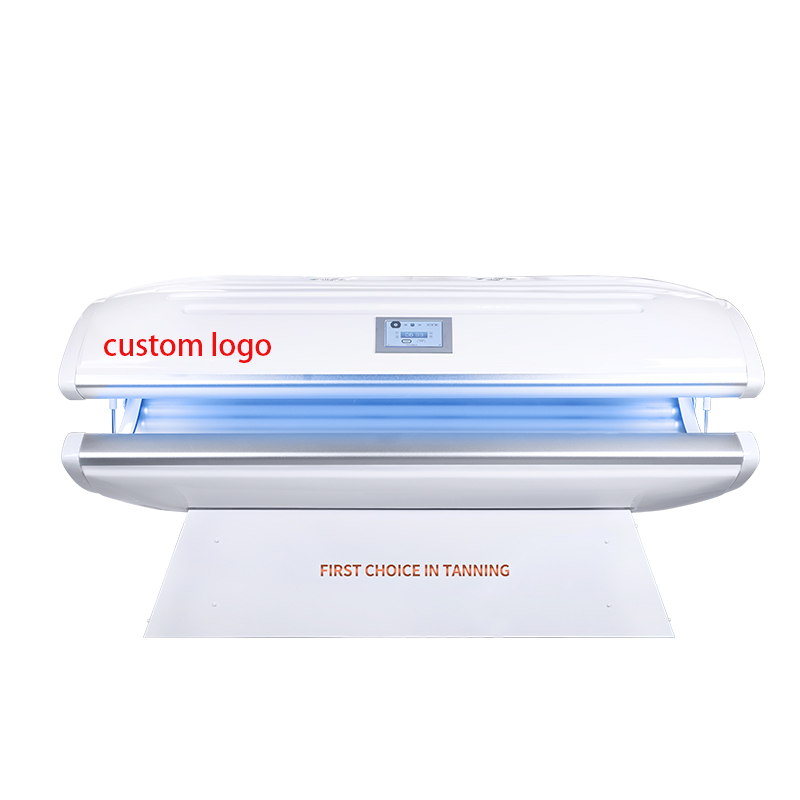
Tanning beds, or sunbeds, use fluorescent lamps that emit UVA and UVB radiation. UVA rays penetrate deep into the skin and stimulate melanocytes to produce melanin, the pigment responsible for tanning. UVB rays promote the synthesis of vitamin D in the skin and assist in thickening the outer layer as a protective measure. While the primary goal of most tanning bed users is to achieve an attractive bronzed look, these devices also activate physiological processes in the body that can influence overall health.
3. Uplifting Your Mood and Energy Levels
One of the most immediate benefits of using tanning beds is a noticeable boost in mood and energy. UV light stimulates the release of endorphins — chemicals in the brain that promote feelings of happiness and general well-being. During darker months, some individuals struggle with Seasonal Affective Disorder (SAD), a type of depression linked to decreased sunlight exposure. Tanning beds can help combat these feelings by providing artificial sunlight, which can stabilize mood and provide a sense of vitality. In addition, the surge in endorphins contributes to lower stress levels, increased motivation, and improved daily productivity.
4. Skin Health: More Than Just a Glow
While many people use tanning beds for purely cosmetic reasons, there are certain skin health benefits to controlled UV exposure.
Fighting Acne and Skin Blemishes
UV light possesses antibacterial properties that can help reduce acne-causing bacteria and inflammation. It can also decrease excessive oil production, which is a key contributor to acne breakouts.
Supporting Skin Renewal
UV rays can promote the shedding of dead skin cells, resulting in a smoother, fresher complexion. Furthermore, UV exposure stimulates the production of collagen and elastin — essential proteins for maintaining youthful, elastic skin. However, moderation is critical; overexposure can cause premature aging, sun spots, and increase the risk of skin cancer.
5. Strengthening Your Immune System
Tanning beds can aid in fortifying the immune system by supporting vitamin D production through UVB exposure. Vitamin D enhances the production of white blood cells and lymphocytes, which play vital roles in fighting off infections and maintaining overall immunity. Especially in regions with limited sunlight, tanning beds can serve as an additional source to maintain optimal vitamin D levels during the winter months.
6. Supporting Weight Loss and Metabolic Health
Surprisingly, moderate UV exposure may assist with weight management. UV light stimulates melanin production and affects metabolic hormones that can boost fat metabolism. Moreover, the endorphins released during a tanning session can help reduce cravings and improve mood, making it easier to adhere to healthy diet and exercise routines. Enhanced metabolism means more calories are burned throughout the day, which supports overall weight loss goals.
7. Enhancing Sleep Quality
Sleep quality is foundational to health and well-being. Tanning beds can help regulate the body’s circadian rhythm by influencing melatonin production. Controlled daytime UV exposure helps adjust your internal clock, improving your ability to fall asleep at night and stay asleep longer. Combined with the stress-reducing effects of endorphins, tanning beds can promote deeper, more restorative sleep.
8. Promoting Better Mental Health
Mental health is central to overall quality of life. Regular tanning sessions can reduce the production of cortisol, the body’s primary stress hormone, thereby lowering anxiety levels and enhancing mood. When endorphins flood the brain during UV exposure, they create feelings of relaxation and happiness, helping to counteract depression and other mood disorders. Additionally, taking time for a tanning session can become a self-care ritual — a dedicated time to disconnect, breathe, and recharge mentally.
9. The Vital Role of Vitamin D
Vitamin D is critical for bone health, immune function, and overall wellness. It helps the body absorb calcium and phosphorus and supports strong bones. A deficiency can lead to osteoporosis, weakened immunity, and increased risk of chronic diseases. While dietary supplements exist, many people still fail to meet recommended levels, particularly in areas with limited sunlight. Controlled tanning sessions can be a supplementary source of vitamin D, reducing reliance on pills and helping maintain optimal levels naturally.

10. The Aesthetic Edge: Achieving a Healthy-Looking Tan
A tan can improve self-esteem by evening out skin tone, camouflaging blemishes, and creating a slimmer appearance. For many, the psychological boost of looking tanned can translate to greater confidence in social and professional settings. Nevertheless, achieving a balanced, natural-looking tan requires moderation. Over-tanning can damage the skin and accelerate aging, so responsible use is vital.
11. Comprehensive Pain Relief and Psoriasis Management
Pain Relief Through UV Exposure
Beyond aesthetic and mood-enhancing benefits, tanning beds may play a role in managing certain types of chronic pain. UV exposure stimulates the production of beta-endorphins — natural pain-relieving chemicals produced by the body. For people living with conditions like fibromyalgia, chronic back pain, or arthritis, these beta-endorphins can help alleviate discomfort temporarily and improve quality of life. While tanning beds are not a substitute for medical pain management, they can serve as a supplementary tool in a comprehensive pain relief strategy, especially when other options are limited or ineffective.
Psoriasis and Other Skin Conditions
Psoriasis is a chronic skin disorder characterized by rapid skin cell turnover, leading to red, scaly patches. Controlled UV exposure has long been used in medical phototherapy to treat psoriasis by slowing the rapid proliferation of skin cells and reducing inflammation. Some patients choose to use tanning beds as an adjunct therapy when professional phototherapy is unavailable or too costly. While not a perfect replacement for medical-grade treatment, responsible use of tanning beds can help reduce psoriasis plaques and alleviate itching and discomfort. Additionally, other inflammatory skin conditions such as eczema or vitiligo might see improvement under UV light, although results vary greatly and should always be monitored by a dermatologist.
12. Safe Tanning: Best Practices for Maximum Benefit and Minimal Risk
- Limit session length and frequency: Short, infrequent sessions minimize cumulative UV damage.
- Use protective eyewear: Always wear goggles to shield your eyes from harmful UV rays.
- Moisturize regularly: Hydrated skin recovers better and maintains elasticity.
- Monitor your skin: Check for changes in moles or new growths and consult a dermatologist if needed.
- Know your skin type: Fair skin types burn more easily and require extra caution.
13. Myths and Misconceptions About Tanning Beds
- Myth: Tanning beds are completely safe. In reality, any UV exposure carries risk. Responsible, limited use is key.
- Myth: A base tan protects you from sunburn. Even a “base tan” offers minimal protection, equivalent to around SPF 3.
- Myth: Eye damage isn’t an issue. UV exposure can seriously damage eyes, increasing the risk of cataracts and corneal burns without protective eyewear.
14. Conclusion: Finding the Balance
Tanning beds, when used mindfully and safely, can offer surprising benefits: from boosting vitamin D levels and improving mood to aiding certain skin conditions and even supporting pain relief. However, moderation is crucial. Overuse can lead to severe skin damage, increased cancer risk, and premature aging. A balanced approach, combined with professional medical guidance, allows you to harness potential benefits while minimizing harm. So, are tanning beds good for you? The answer ultimately depends on your approach: use them wisely, understand your body, and prioritize safety above all.
FAQs
1. Can tanning beds help with depression?
Yes, moderate UV exposure from tanning beds can help alleviate symptoms of Seasonal Affective Disorder (SAD) and mild depression by increasing endorphin levels. However, they should not replace professional mental health treatments.
2. How often should I use a tanning bed for vitamin D?
For most people, once or twice a week in short sessions is sufficient to help maintain vitamin D levels. Always consult your doctor to tailor the frequency to your needs.
3. Are there safer alternatives to tanning beds for achieving a tan?
Yes! Self-tanning lotions, sprays, and bronzers can create a similar look without UV exposure. Sun exposure with sunscreen is another option, but caution is still necessary to avoid burns and long-term skin damage.
Final Thoughts
If you’re contemplating using a tanning bed, be sure to weigh both the benefits and the potential risks. Prioritize your health, consult medical professionals as needed, and always follow safe tanning guidelines. While a radiant tan might make you feel confident and beautiful, true beauty starts with healthy choices and self-care from the inside out.

 EN
EN EN_GB
EN_GB DE
DE EL
EL ES
ES UZ
UZ FR
FR IT
IT JA
JA CS
CS DA
DA DE_AT
DE_AT FI
FI ET
ET HR
HR FR_BE
FR_BE HU
HU KO
KO IS
IS KA
KA LT
LT NL
NL UK
UK TR
TR SV
SV SR
SR SL
SL SK
SK RU
RU RO
RO PT
PT NB
NB AR
AR CY
CY