



1. Introduction
In recent years, red light therapy has become a household name in the realms of dermatology and trichology, thanks to its promise of non-invasive rejuvenation. Originally pioneered by NASA in the 1990s to help plants grow in space and accelerate wound healing in astronauts, photobiomodulation (PBM)—more commonly known as red light therapy—has evolved into a multi-billion-dollar industry. From sleek facial masks that plug into USB chargers to helmet-style caps propelled by rechargeable batteries, a wealth of at-home devices now enables consumers to integrate this technology into their daily wellness routines. The appeal is obvious: zero downtime, minimal side effects, and the prospect of reversing visible signs of aging—fine lines, age spots, and sagging contours—as well as mitigating hair thinning, all from the comfort of home.
Yet, with hundreds of products flooding the market, each boasting unique wavelengths, power densities, and treatment protocols, consumers often find themselves asking: “Does red light therapy truly live up to the hype?” This comprehensive guide will demystify the science behind red and near-infrared light, dissect the latest clinical research on skin and hair applications, and equip you with dermatologist-approved precautions. Along the way, you’ll discover two bonus features—a comparative device table and a customizable progress journal—to help you choose the ideal gadget, design an effective regimen, and track your results over time.

2. Understanding Red Light Therapy (Photobiomodulation)
At its core, red light therapy leverages the photoacceptor properties of specific cellular molecules to trigger beneficial biological responses. Unlike ultraviolet (UV) radiation, which can damage DNA and elevate cancer risk, red (630–660 nm) and near-infrared (810–850 nm) wavelengths penetrate tissue without harmful effects, making them safe for frequent use.
- Mitochondrial Activation: The primary target is cytochrome c oxidase, a key enzyme in the mitochondrial electron transport chain. When red light photons are absorbed, cytochrome c oxidase activity increases, leading to elevated adenosine triphosphate (ATP) production. More ATP translates into greater cellular energy, fueling repair and regeneration processes.
- Reactive Oxygen Species (ROS) Modulation: Controlled bursts of ROS function as signaling molecules that activate transcription factors involved in tissue healing, anti-inflammatory pathways, and collagen synthesis.
- Growth Factor Release: PBM stimulates the release of transforming growth factor-beta (TGF-β), vascular endothelial growth factor (VEGF), and other cytokines that support new blood vessel formation, structural protein production, and extracellular matrix remodeling.
In clinical settings, dermatologists employ high-intensity LED arrays or medical-grade lasers to address acne, rosacea, photoaging, and androgenetic alopecia. At-home devices, by contrast, deliver lower fluence (energy per area) to enable safe, unsupervised use. Still, these consumer units mirror the same biophysical principles, albeit at reduced intensity, allowing gradual yet perceptible improvements over time.
3. At-Home Red Light Devices: Types & Features
Manufacturers have responded to consumer demand with a diverse array of gadgets designed for specific treatment goals. Understanding each form factor will help you select the model best suited to your concerns and lifestyle.
- Face Masks & Helmets
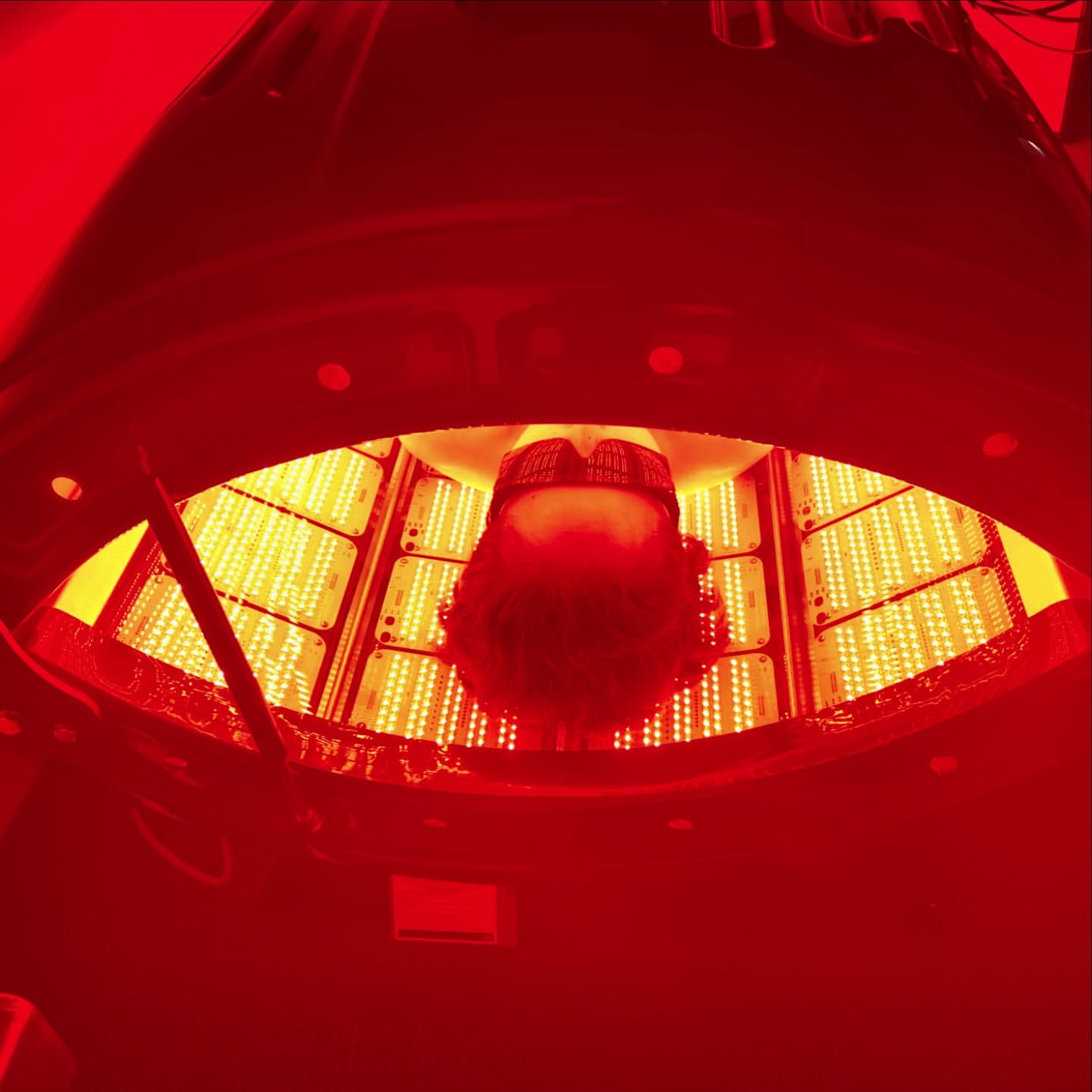
These contour-fitting devices wrap around the face or scalp, embedding dozens to hundreds of LEDs at designated wavelengths. They often feature built-in timers and hands-free operation, allowing you to relax or multitask during sessions. Ideal for users seeking even coverage, they tend to carry a premium price tag ranging from $200 to $800.
- Panels & Floor Stands
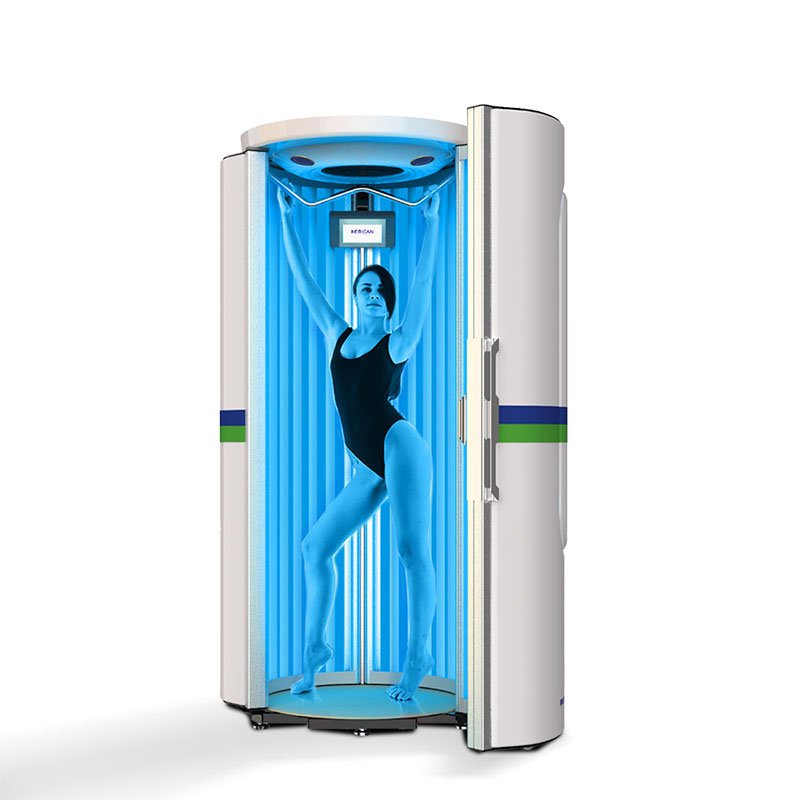
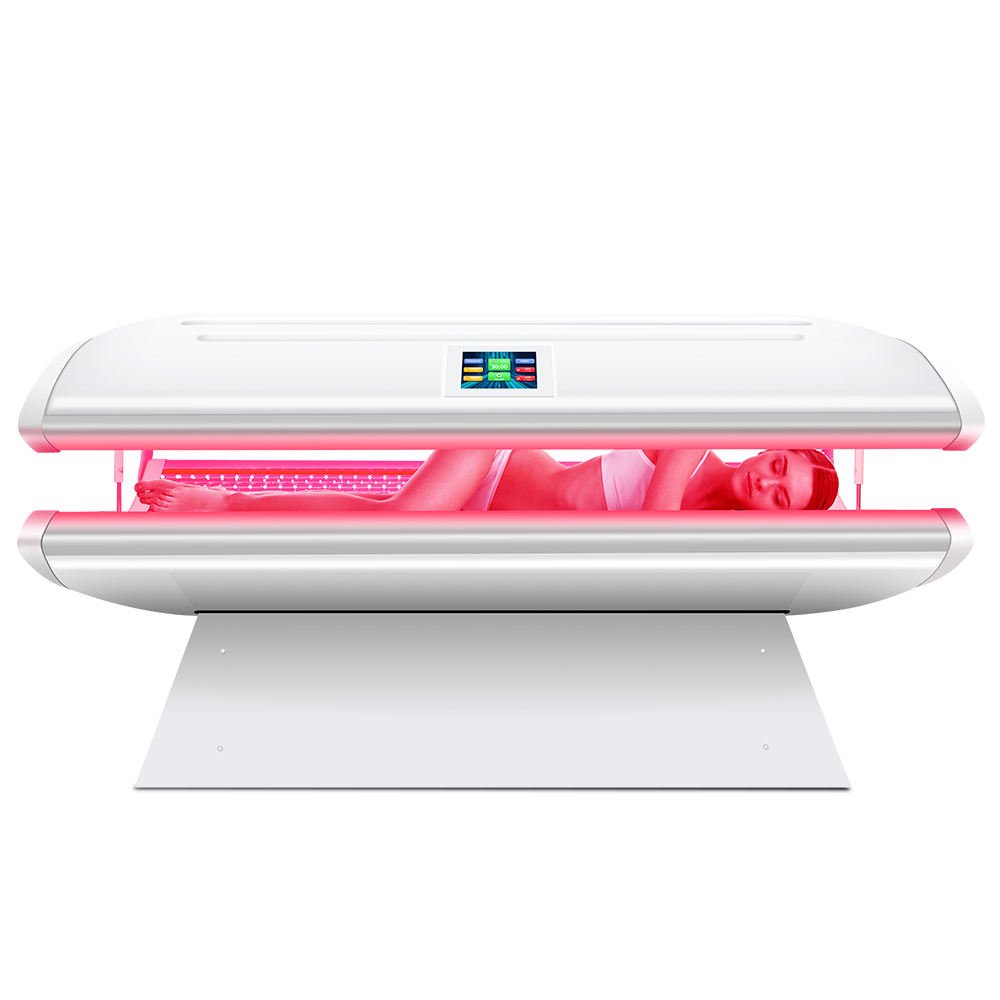
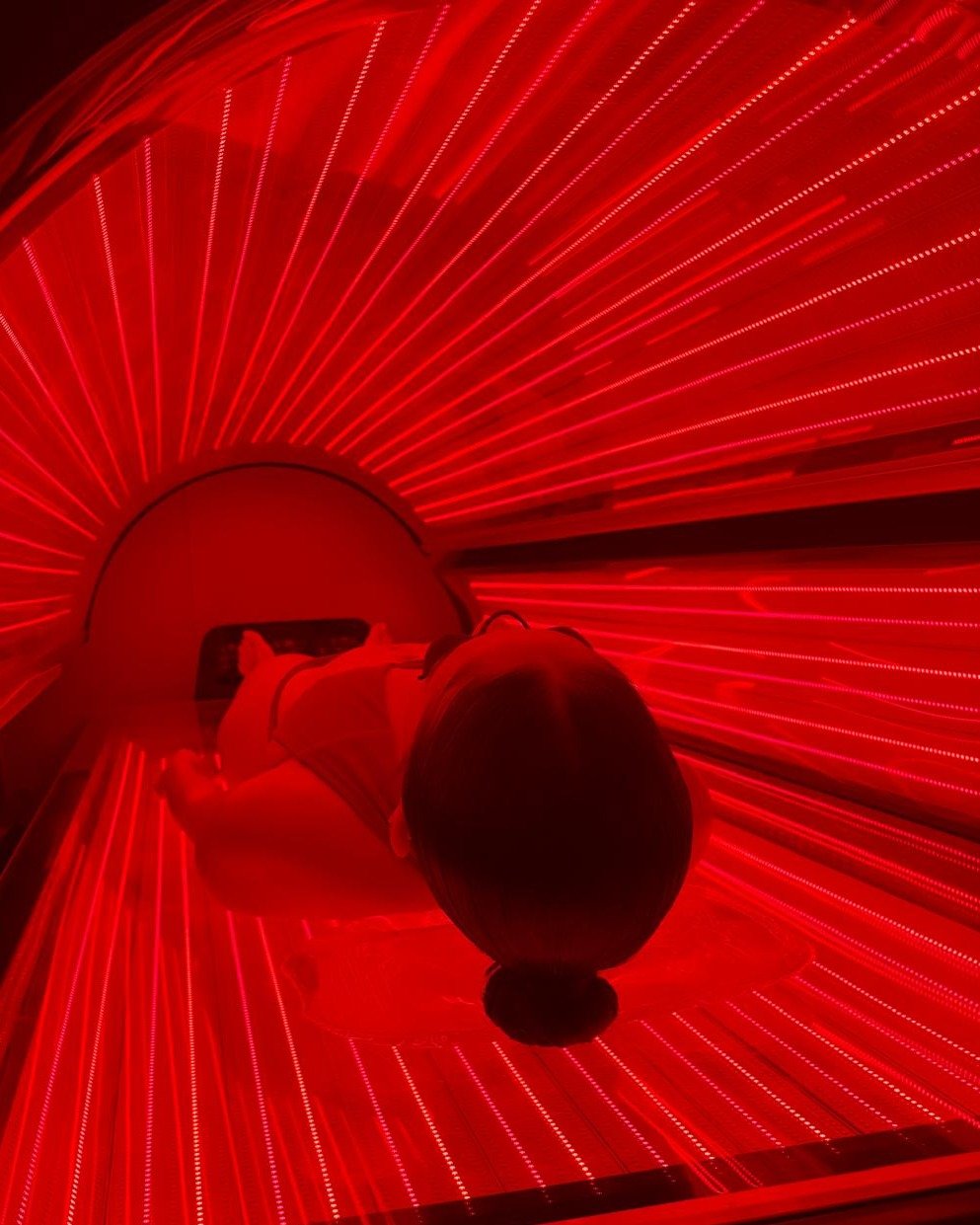
Large panel arrays can be positioned on stands or mounted on walls to treat broader areas—necklines, décolleté, arms, or thighs. With power densities up to 100 mW/cm², these devices can shorten session times to 5–10 minutes but demand dedicated space in your home.
- Handheld Wands
Compact and portable, wands allow precise targeting of problem zones, from crow’s feet to under-eye bags. Typically affordable ($50–$150), these units require manual movement, making them less convenient for larger areas.
- Comb & Cap Systems
Engineered for androgenetic alopecia, these devices embed low-level laser diodes (LLLT) or LEDs into comb tines or cap panels. They deliver focused light directly to hair follicles, promoting circulation and follicular metabolism. Prices range from $200 to $600, and many users appreciate the ability to wear them while reading or watching TV.
Key Specifications to Compare:
- Wavelength: 630 nm vs. 660 nm (red) vs. 810–850 nm (near-infrared).
- Power Density: Expressed in mW/cm²; higher values reduce session duration but may increase heat.
- Session Timer: Built-in vs. manual.
- Coverage Area: Single spot vs. full face vs. full scalp.
- Portability & Power Source: Corded vs. rechargeable battery.

4. Efficacy for Skin Rejuvenation: Clinical Findings
A substantial body of peer-reviewed research supports red light therapy’s utility in addressing common signs of aging. While in-office devices deliver higher fluence levels for more dramatic results, at-home LEDs can effect gradual but meaningful improvements when used consistently over weeks to months.
4.1 Reduction of Fine Lines & Wrinkles
Multiple randomized controlled trials demonstrate a 20–30% decrease in wrinkle depth after 8–12 weeks of twice-weekly PBM sessions. One double-blind study involving 60 participants reported a 25% reduction in periorbital wrinkle severity, measured via high-resolution optical profilometry.¹
4.2 Improvement in Skin Texture & Elasticity
PBM stimulates fibroblast proliferation, leading to enhanced collagen and elastin deposition. Clinical investigators have noted up to a 40% increase in skin firmness—determined by cutometer readings—following a regimen of 10–12 sessions over six weeks.² Participants also reported softer, more supple skin, with reduced rough patches and diminished pore visibility.
4.3 Lightening of Hyperpigmentation & Age Spots
By modulating melanocyte activity, red light can interrupt melanin synthesis pathways. In a split-face study, 30 individuals with solar lentigines received red light on one side and sham treatment on the other. After eight weekly sessions, the treated side exhibited a 35% decrease in pigmentation intensity as measured by Melanin Index.³
4.4 Rosacea, Redness & Inflammation
Red light’s anti-inflammatory effects—mediated by decreased cytokine release—make it an adjunctive option for rosacea and post-treatment erythema. Dermatologists have reported that patients undergoing laser resurfacing experience faster resolution of redness and less downtime when PBM is incorporated into their aftercare protocols.⁴
5. Efficacy for Hair Regrowth: Mechanisms & Outcomes
Androgenetic alopecia, characterized by progressive miniaturization of hair follicles, is the most prevalent form of hair loss in both men and women. Photobiomodulation offers a non-pharmacological approach to stimulate dormant follicles and extend the anagen (growth) phase.
5.1 Hair Growth Cycle & Photobiomodulation
The hair follicle undergoes cyclical phases: anagen (growth), catagen (regression), telogen (rest), and exogen (shedding). PBM accelerates cell proliferation within the hair bulb, enhances microcirculation, and modulates signaling pathways—such as Wnt/β-catenin—that are critical for follicular stem cell activation.⁵
5.2 Clinical Trial Evidence
- Male Pattern Hair Loss: A randomized, sham-controlled trial of 100 men using a helmet device (655 nm, 5 mW/cm²) three times weekly for 24 weeks demonstrated a 19% increase in terminal hair count compared to 2% in the sham group.⁶
- Female Pattern Hair Loss: In a parallel study of 60 women, PBM produced a 17% increase in hair density and patient-reported improvements in hair fullness by month six.⁷
- Combination Therapy: An investigation comparing 5% topical minoxidil alone versus minoxidil plus LLLT found the combination yielded a 30% greater increase in hair thickness after 16 weeks.⁸
While PBM will not reverse complete baldness, it can thicken miniaturized hairs, slow shedding rates, and improve overall scalp coverage when used as part of a comprehensive hair restoration plan.
6. Designing Your Treatment Protocol
Establishing a consistent, customized regimen is key to maximizing red light benefits. Below are practical guidelines for both skin and hair applications:
- Session Frequency:
Start with 3–5 sessions per week for the first 8–12 weeks. Many users transition to a maintenance schedule of 1–2 sessions weekly thereafter.
- Duration & Distance:
Follow manufacturer recommendations, typically 10–20 minutes per zone at a distance of 1–6 inches. Higher power density devices require shorter exposure times.
- Device Handling:
For handheld wands, move slowly in overlapping passes to ensure even coverage. Masks and helmets require minimal manipulation—simply secure and relax.
- Complementary Skincare/Haircare:
Cleanse skin thoroughly before PBM to remove oils and topical agents that may absorb light. For hair, apply treatments (e.g., minoxidil) after red light to leverage increased follicular permeability.
- Progress Monitoring:
Document baseline photos and hair density measurements. Re-evaluate every 4–6 weeks to adjust session parameters as needed.
7. Safety Profile & Side Effects
Extensive research and regulatory evaluations have confirmed red light therapy’s favorable safety profile. Unlike UV radiation, PBM carries no known carcinogenic risk.
- Short-Term Reactions: Temporary warmth, mild erythema, or a tingling sensation may occur. These effects typically resolve within minutes to hours.
- Ocular Precautions: Near-infrared light can penetrate ocular tissues; always wear the protective goggles supplied by your device manufacturer. Never substitute sunglasses, which do not block therapeutic wavelengths.
- Contraindications: Avoid PBM if you are photosensitive (e.g., lupus, porphyria), taking photosensitizing medications (e.g., certain antibiotics, retinoids), or if you have active skin cancer. Pregnant women and individuals with epilepsy should consult a physician before use.
- Regulatory Status: Look for “FDA 510(k) cleared” labeling, indicating the device underwent safety evaluation. Ignore marketing terms like “FDA approved” or “FDA certified,” as they have no formal standing in medical device regulation.
8. Five Dermatologist-Recommended Precautions
To ensure optimal outcomes and minimize risks, board-certified dermatologists advise the following steps before purchasing or using an at-home red light device:
- Consult a Dermatologist First
A qualified professional will assess your skin type, hair condition, medical history, and concurrent treatments. This personalized evaluation helps identify contraindications—such as cutaneous photosensitivity syndromes—and clarifies whether red light can realistically address your goals.
- Match Device to Treatment Objective
If your primary concern is acne or photoaging, select a mask or panel emitting 630–660 nm. For hair regrowth, choose an LLLT comb or cap at 650–660 nm with demonstrated follicular penetration.
- Verify FDA Clearance
Devices cleared under 510(k) pathways have been evaluated for safety and risk. Check product documentation and online listings to confirm clearance numbers before purchase.
- Follow Instructions to the Letter
Adhering to published session times, distances, and frequencies prevents overexposure, which can cause heat discomfort or sensitization. Do not exceed recommended usage.
- Monitor for Pigmentary Changes
Individuals with Fitzpatrick skin types IV–VI may develop post-inflammatory hyperpigmentation if exposed to excessive energy levels. Begin with shorter sessions at lower intensities, increasing gradually under professional supervision.
9. Two Bonus Features
9.1. Comparison Table of Popular At-Home Red Light Devices
| Device Model | Target Concern | Wavelength(s) | Power Density | Price Range |
|---|---|---|---|---|
| FaceGlow Pro LED Mask | Wrinkles, Texture | 630 nm + 830 nm | 60 mW/cm² | $150 – $250 |
| HairBeam Laser Helmet | Hair Regrowth | 650 nm (LLLT) | 5 mW/cm² per laser | $350 – $600 |
| SkinRevive™ Panel (6-LED) | Full-Body, Acne, Aging | 630 nm + 660 nm | 80 mW/cm² | $200 – $350 |
Use this table to compare key specifications—wavelength, power output, coverage, and cost—so you can match device features to your unique skin and hair goals.
9.2. Customizable Progress-Tracking Journal Template
Maintaining a detailed log fosters accountability and highlights incremental improvements. Consider the following journal format:
- Date & Time: Record each session’s timestamp.
- Device & Settings: Note model, wavelength, session duration, and distance.
- Baseline Condition: Rate skin redness, wrinkle depth, or hair density on a scale of 1–5.
- Session Experience: Document comfort level, any warmth or tingling, and device handling notes.
- Weekly Assessment: Capture progress photos and overall satisfaction scores.
Review entries every two weeks to refine session parameters. Sharing this log with your dermatologist can yield professional insights tailored to your responses.
10. Conclusion
Red light therapy represents a scientifically grounded, low-risk modality for addressing both skin aging and hereditary hair loss. By stimulating mitochondrial activity, modulating inflammatory pathways, and encouraging structural protein synthesis, PBM can produce visible enhancements in wrinkle depth, skin firmness, pigmentation balance, and hair thickness. While in-office treatments deliver more potent energy levels for dramatic outcomes, at-home devices empower consistent, long-term maintenance without the expense or downtime of clinical visits.
To unlock the full potential of red light therapy, select an FDA-cleared device tailored to your needs, adhere strictly to recommended protocols, and monitor your progress with a structured journal. Consult a board-certified dermatologist to confirm compatibility with your skin type, hair condition, and overall health. With patience and persistence, you can harness the regenerative power of light to illuminate your path toward firmer skin and fuller hair—right in your own home.
11. Frequently Asked Questions (FAQs)
Q1: How long before I see noticeable results from red light therapy?
Most users experience subtle benefits—softer skin texture or reduced scalp itching—within 4–6 weeks of consistent treatment (3–5 sessions per week). Pronounced improvements in wrinkle depth or hair density often emerge after 12–16 weeks of regular use.
Q2: Can red light therapy be combined with other skincare or hair treatments?
Absolutely. Dermatologists frequently recommend pairing PBM with topical agents (e.g., retinoids or minoxidil) or in-office procedures (e.g., microneedling). However, coordinate timing carefully: avoid using photosensitizing products immediately before sessions, and consult a professional to prevent adverse interactions.
Q3: Is red light therapy safe for all skin tones and hair types?
Yes—red and near-infrared wavelengths are generally well-tolerated across diverse Fitzpatrick skin types and hair textures. That said, individuals with darker complexions should begin with lower intensities and shorter exposures to minimize the risk of post-inflammatory hyperpigmentation. Always perform a patch test and seek dermatologist guidance for personalized precautions.

 EN
EN EN_GB
EN_GB DE
DE EL
EL ES
ES UZ
UZ FR
FR IT
IT JA
JA CS
CS DA
DA DE_AT
DE_AT FI
FI ET
ET HR
HR FR_BE
FR_BE HU
HU KO
KO IS
IS KA
KA LT
LT NL
NL UK
UK TR
TR SV
SV SR
SR SL
SL SK
SK RU
RU RO
RO PT
PT NB
NB AR
AR CY
CY