

1. Introduction: Shedding Light on Weight Loss
Achieving weight loss is not just about achieving a leaner body—it’s about transforming your health, boosting self-confidence, and improving your overall lifestyle. While traditional weight loss methods like diet and exercise remain crucial, many people seek additional tools to enhance their progress. One such tool that has gained popularity in recent years is red light therapy (RLT).
Also known as low-level laser therapy (LLLT) or photobiomodulation, red light therapy is being praised for its ability to reduce stubborn fat deposits, improve body shape, and stimulate natural energy production in the body. But how does red light therapy work for weight loss, and can it really help you achieve your fitness goals?
This article dives deep into the mechanisms behind red light therapy, explores its benefits, addresses common concerns, and provides practical tips for those considering this innovative approach to fat reduction.
2. Understanding Red Light Therapy: The Basics
Red light therapy is a form of treatment that uses low-level wavelengths of red and near-infrared light to penetrate the skin. These wavelengths range from 600 to 850 nanometers, a spectrum that can reach deep into the cells and tissues.
Unlike UV light, which can damage the skin, red light is non-ionizing and non-damaging. It gently penetrates the skin, reaching fat cells and mitochondria—the energy factories of your cells—to trigger various biological processes.

3. How Red Light Therapy Affects Fat Cells
3.1. Cellular Energy Production
Increased ATP enhances cellular function, providing more energy for metabolic processes and physical activity. It helps you power through workouts and stay active, leading to greater calorie expenditure.
3.2. Temporary Pore Formation in Fat Cells
Red light causes the walls of fat cells (adipocytes) to become temporarily permeable. This allows fatty acids (such as triglycerides) and glycerol to escape into the surrounding tissue, where they can be used as energy or eliminated by the lymphatic system. As fat is released, the cells shrink in size, contributing to inch loss and a slimmer appearance.
3.3. Enhanced Lymphatic Drainage
Once fat is released from the cells, the body’s lymphatic system takes over to remove it naturally. Proper hydration and gentle exercise after treatment can help this process, supporting faster and more efficient fat clearance.
4. Major Benefits of Red Light Therapy for Weight Loss
4.1. Completely Non-Invasive
Unlike surgical fat-reduction methods like liposuction, red light therapy is 100% non-invasive. There are no incisions, anesthesia, or recovery times. It’s a gentle process with no physical trauma to the body.
4.2. No Recovery Time
You can return to your regular activities right after a session. Each treatment typically lasts between 10 to 40 minutes, depending on the target area. Most people require 6 to 12 sessions for optimal results, spaced out over several weeks.
4.3. Safe and Painless
Red light therapy is generally painless. Most users describe the sensation as relaxing and warm. There is no heat damage, no risk of burns, and no need for pain medications.
4.4. Improved Body Contouring
Many people struggle with problem areas that don’t respond to diet or exercise. Red light therapy can target specific areas like the belly, thighs, or hips, helping to shape and contour your body more effectively.
4.5. Boosts Exercise Performance
The increase in ATP can make a noticeable difference in your workout energy levels. People report greater endurance, faster recovery, and reduced post-workout fatigue after undergoing red light therapy.
5. Additional Advantages Beyond Fat Reduction
5.1. Reduction in Cellulite
Cellulite, which is caused by fat trapped beneath the skin, often resists traditional treatments. Red light stimulates collagen production and increases circulation, helping to smooth out the skin and reduce the appearance of cellulite.
5.2. Enhanced Collagen and Elastin Production
Red light therapy encourages the production of collagen and elastin—proteins responsible for skin firmness and elasticity. This leads to tighter, more youthful-looking skin, particularly important after weight loss.
5.3. Hormonal Balance and Mood Enhancement
Some studies suggest that red light therapy helps regulate hormones by affecting the pineal gland and improving circadian rhythms. As a result, it may improve sleep quality, reduce stress, and help regulate appetite-related hormones.

6. Two Extra Features: What Sets Red Light Therapy Apart
Feature 1: Skin Rejuvenation Bonus
Besides fat loss, users often notice improved skin texture and tone. Because red light encourages collagen production, skin appears smoother, firmer, and more hydrated after regular treatments. This makes red light therapy a dual-benefit treatment for both body shaping and anti-aging.
Feature 2: Support for Metabolic Health
Red light therapy may support metabolic functions by enhancing cellular oxygenation and reducing inflammation. When your metabolism is optimized, your body processes food and burns energy more efficiently, aiding weight management and overall vitality.
7. What to Expect During a Red Light Therapy Session
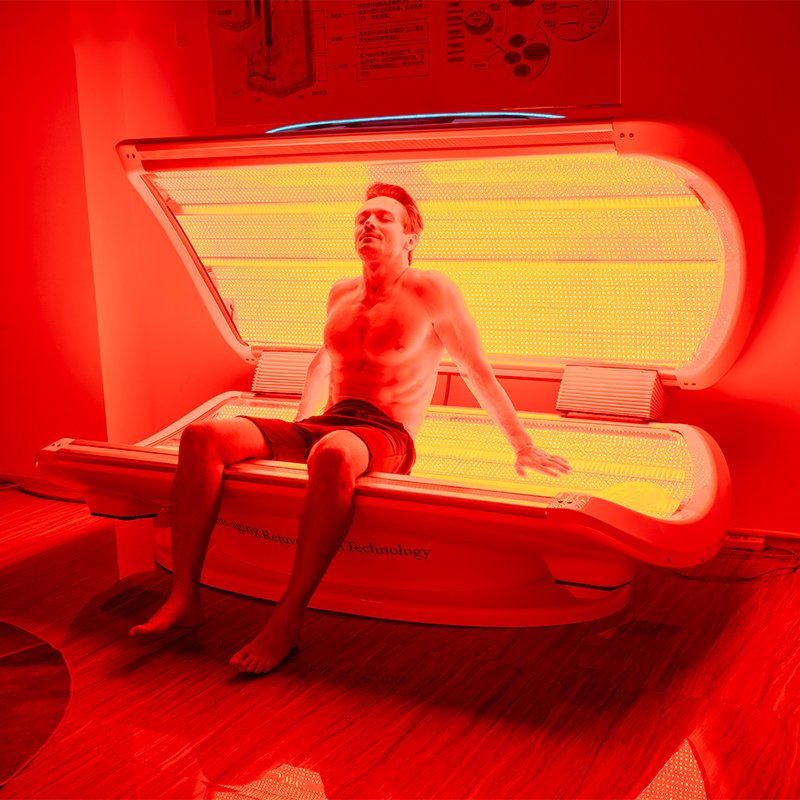
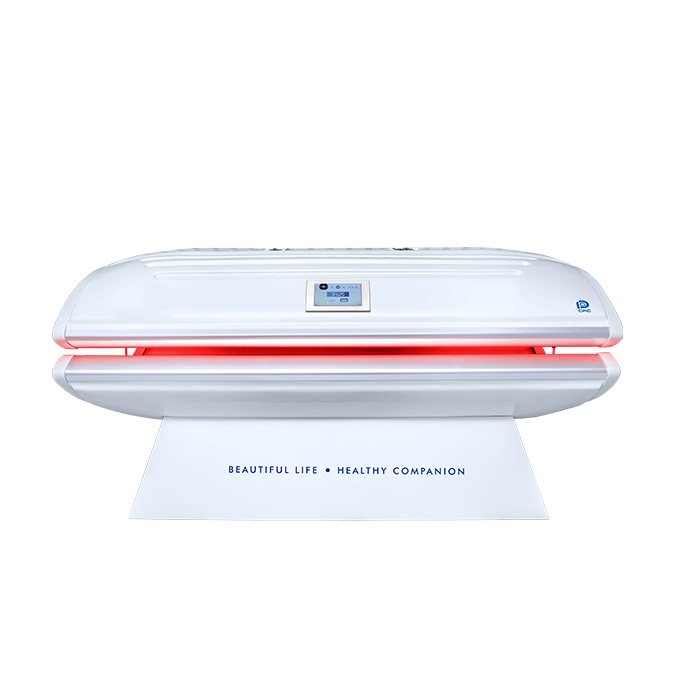
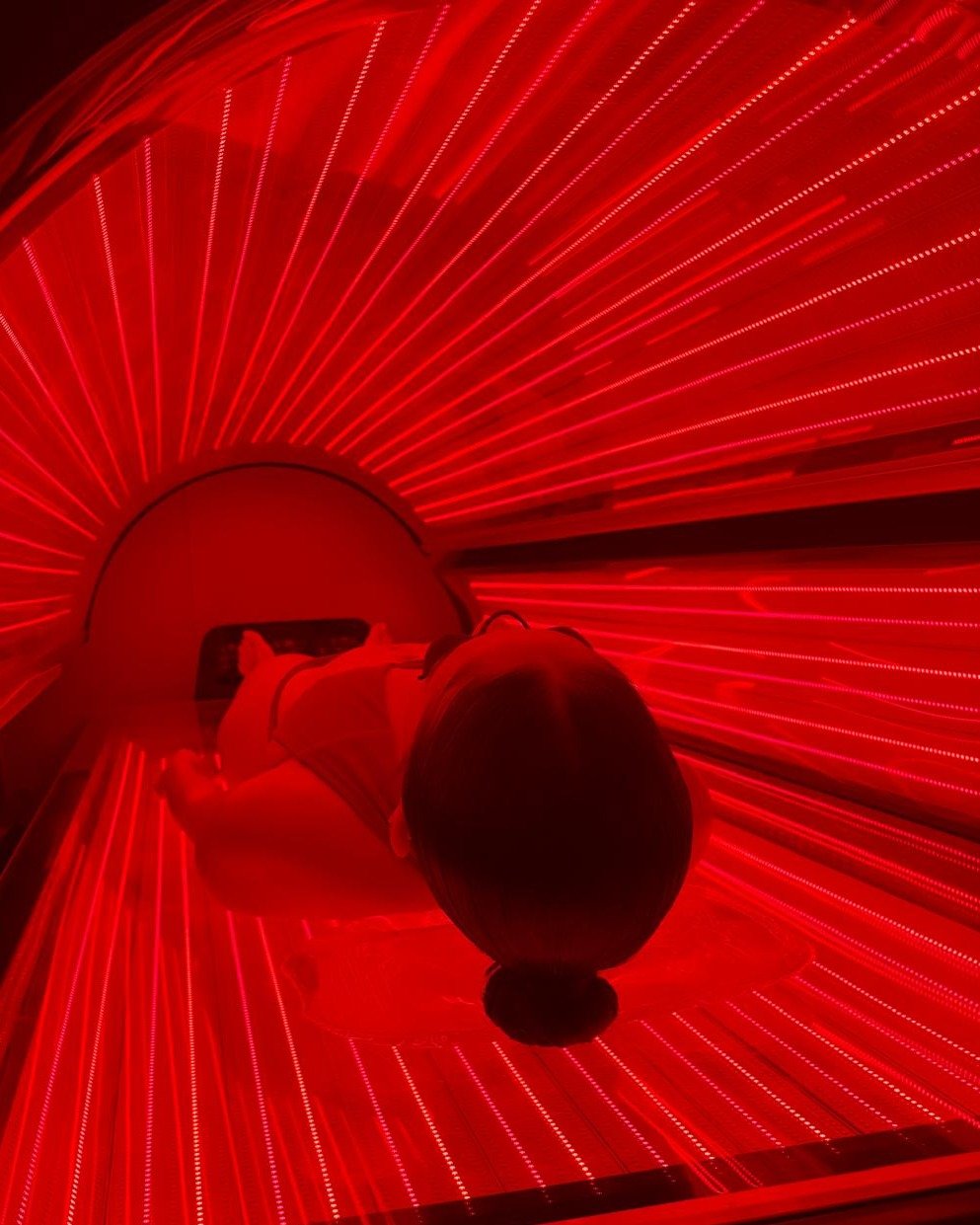
Most sessions involve reclining under a red light panel or having pads placed on targeted areas. The treatment lasts between 10–40 minutes. You won’t feel heat or pain, though some people experience a mild warming sensation.
To get the best results:
- Stay hydrated before and after your session.
- Combine therapy with light exercise post-treatment.
- Maintain a balanced diet for sustained fat loss.
8. Is Red Light Therapy Right for You?
Red light therapy is generally considered safe for most people, including those with sensitive skin. However, it may not be ideal for:
- Pregnant women
- Individuals with epilepsy
- People taking photosensitive medications
Always consult your healthcare provider before starting any new treatment.
9. Scientific Backing: What the Research Says
Multiple clinical studies have shown that red light therapy can:
- Reduce body circumference (waist, arms, thighs)
- Decrease the appearance of cellulite
- Improve skin elasticity
- Increase ATP production
- Improve exercise recovery and performance
While individual results may vary, the growing body of research supports red light therapy’s safety and efficacy for fat loss and overall wellness.
10. Best Practices to Maximize Results
If you’re considering red light therapy, follow these tips for optimal results:
- Choose a reputable provider with FDA-cleared equipment.
- Be consistent—results typically require multiple sessions.
- Incorporate movement after treatment to help mobilize fat.
- Adopt a healthy diet to sustain weight loss.
- Track progress with measurements and photos.
11. FAQs: Red Light Therapy for Weight Loss
Q1: How soon will I see results from red light therapy?
Most users begin to see subtle changes after 4–6 sessions, with more noticeable improvements after 8–12 sessions. Consistency is key.
Q2: Can red light therapy replace diet and exercise?
No. Red light therapy is most effective when used alongside a healthy lifestyle. It enhances results from diet and physical activity but should not replace them.
Q3: Is red light therapy safe for long-term use?
Yes, it is considered safe for repeated use. Red light does not contain harmful UV rays and does not damage skin or tissues.
12. Final Thoughts: Can Red Light Help You Lose Weight?
The short answer is yes—red light therapy can support weight loss, particularly by boosting energy levels, breaking down fat cells, and improving body contour. While it’s not a magic bullet, it serves as an excellent companion to your fitness journey.
Whether you’re looking to trim stubborn areas, regain youthful skin, or supercharge your workouts, red light therapy offers a promising and non-invasive solution. With consistent use, a balanced lifestyle, and realistic expectations, this innovative therapy can illuminate your path to a healthier, leaner you.

 EN
EN EN_GB
EN_GB DE
DE EL
EL ES
ES UZ
UZ FR
FR IT
IT JA
JA CS
CS DA
DA DE_AT
DE_AT FI
FI ET
ET HR
HR FR_BE
FR_BE HU
HU KO
KO IS
IS KA
KA LT
LT NL
NL UK
UK TR
TR SV
SV SR
SR SL
SL SK
SK RU
RU RO
RO PT
PT NB
NB AR
AR CY
CY