



1. Introduction: The Power of Red Light Therapy for Hyperpigmentation
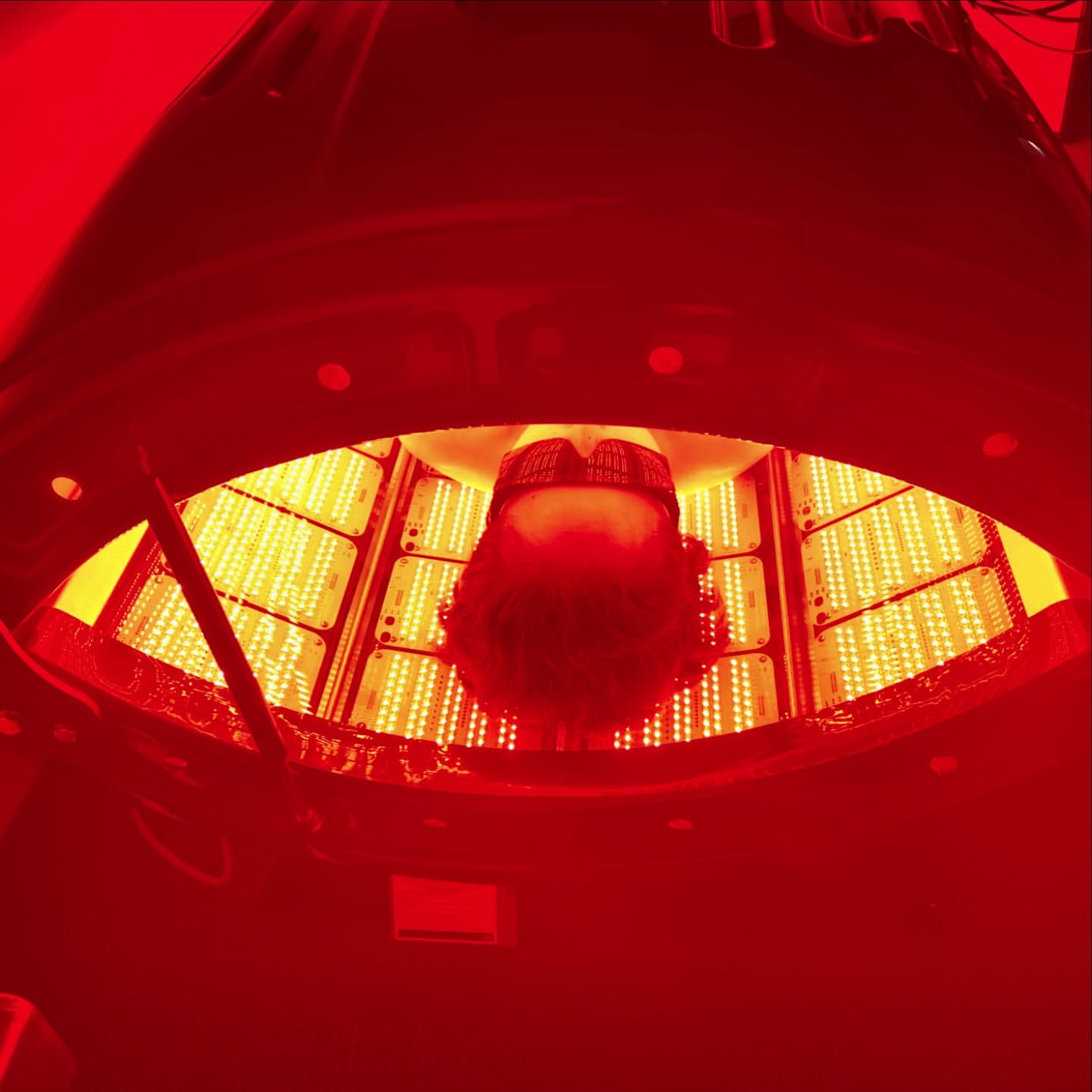
If you’re struggling with stubborn dark spots or uneven skin tone, red light therapy might be the solution you’ve been looking for. This innovative treatment leverages the power of red light to target hyperpigmentation at its source, helping to fade discoloration and reveal a brighter, more youthful complexion. Red light therapy has quickly become a go-to option for people seeking a non-invasive, effective way to enhance their skin’s appearance and combat the frustrations of uneven skin tone.
As more people discover its benefits, red light therapy is emerging as a powerhouse for restoring a glowing, even complexion. This guide will explore how red light therapy works, its benefits for hyperpigmentation, and how you can use it to achieve the flawless skin you’ve always desired. Whether you’re dealing with age spots, melasma, or post-inflammatory hyperpigmentation, red light therapy offers a promising solution that doesn’t require harsh chemicals or invasive procedures.

2. Understanding Hyperpigmentation
Before diving into how red light therapy can help, it’s essential to understand what hyperpigmentation is and how it develops. Hyperpigmentation is a skin condition where certain patches become darker than the surrounding skin, often caused by an overproduction of melanin, the pigment responsible for skin color.
2.1 What Causes Hyperpigmentation?
Hyperpigmentation occurs when melanin is produced in excess in specific areas of the skin, leading to dark spots. This condition can manifest in various forms, including:
- Age Spots or Sun Spots: These are common in areas exposed to the sun, such as the face, hands, and chest. They develop over time due to prolonged sun exposure, which stimulates melanocytes to produce more melanin as a natural defense mechanism against UV radiation.
- Melasma: Also known as the “mask of pregnancy,” melasma is triggered by hormonal fluctuations, typically during pregnancy or due to birth control use. It causes dark patches to appear on the face, especially around the cheeks, forehead, nose, and upper lip.
- Post-inflammatory Hyperpigmentation: This type of pigmentation occurs after a skin injury, such as a cut, burn, or acne breakout. The skin darkens as it heals, often leaving behind a dark mark. It can affect people with all skin tones but is more prominent in those with darker skin types.
2.2 Who is Prone to Hyperpigmentation?
While hyperpigmentation can affect anyone, certain factors make some individuals more susceptible to developing it:
- Sun Exposure: Prolonged sun exposure is the primary cause of age spots and sun spots. It triggers melanin production as a defense mechanism against UV rays. Over time, these spots accumulate, especially in areas like the face, neck, and hands.
- Hormonal Changes: Hormonal shifts, particularly estrogen and progesterone, can increase the likelihood of developing melasma. Women, especially during pregnancy or when using hormonal birth control, are more prone to this type of pigmentation.
- Age: As we age, our skin becomes more susceptible to damage from the sun, leading to age spots and pigmentation issues. Additionally, skin regeneration slows down, making it harder for the skin to repair itself from sun exposure.
- Genetic Factors: If your family has a history of hyperpigmentation, you may be more likely to experience it as well. Certain skin types, such as those with more melanin, are more prone to developing dark spots after sun exposure or skin injuries.
2.3 How Red Light Therapy Can Help with Hyperpigmentation
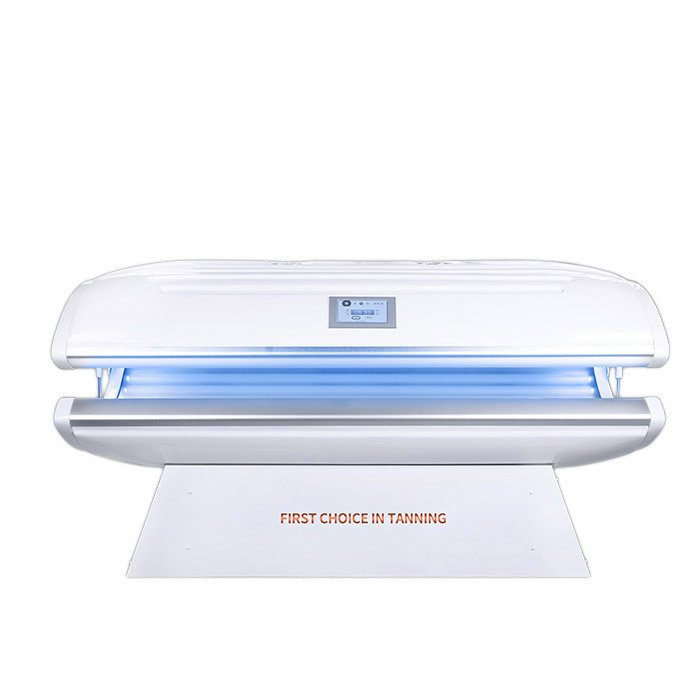
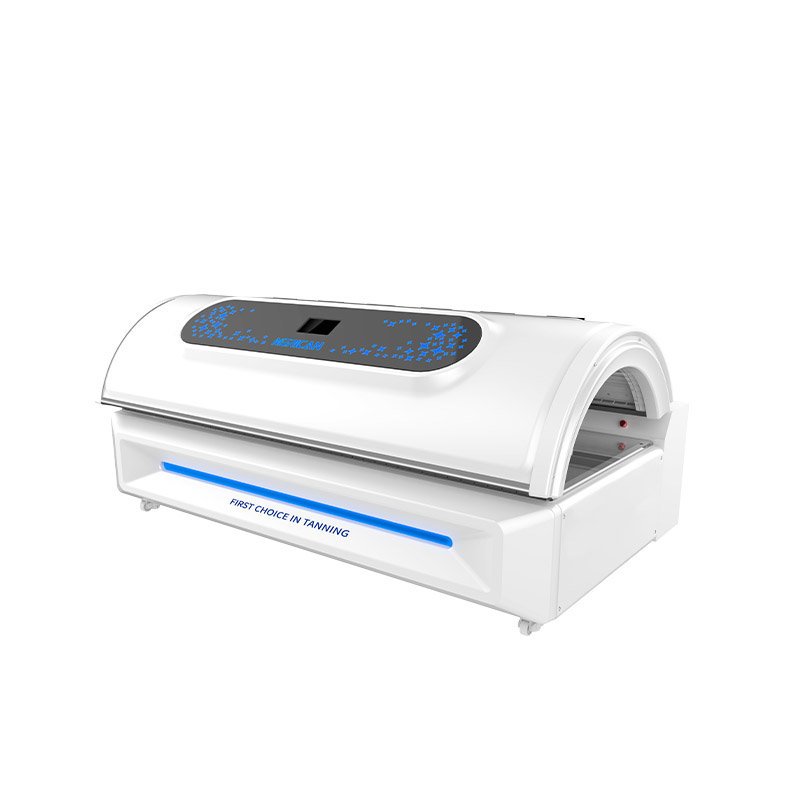
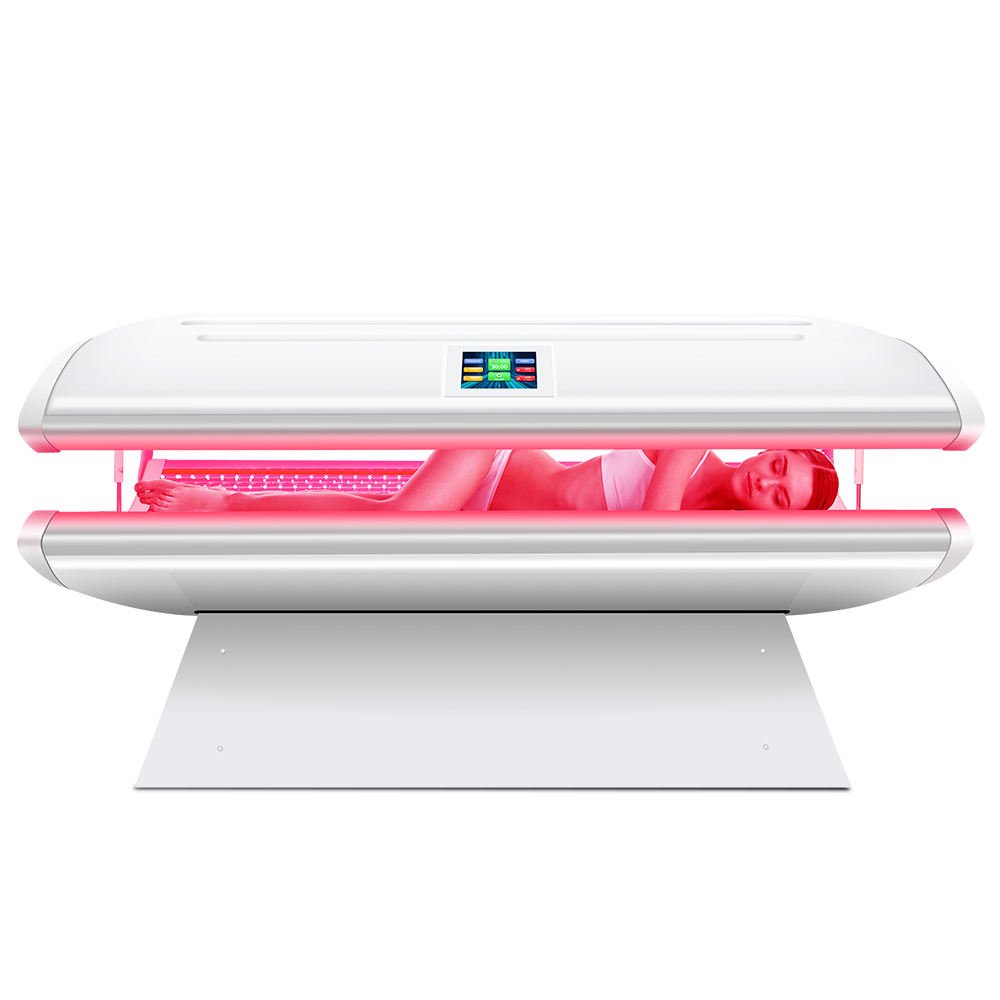
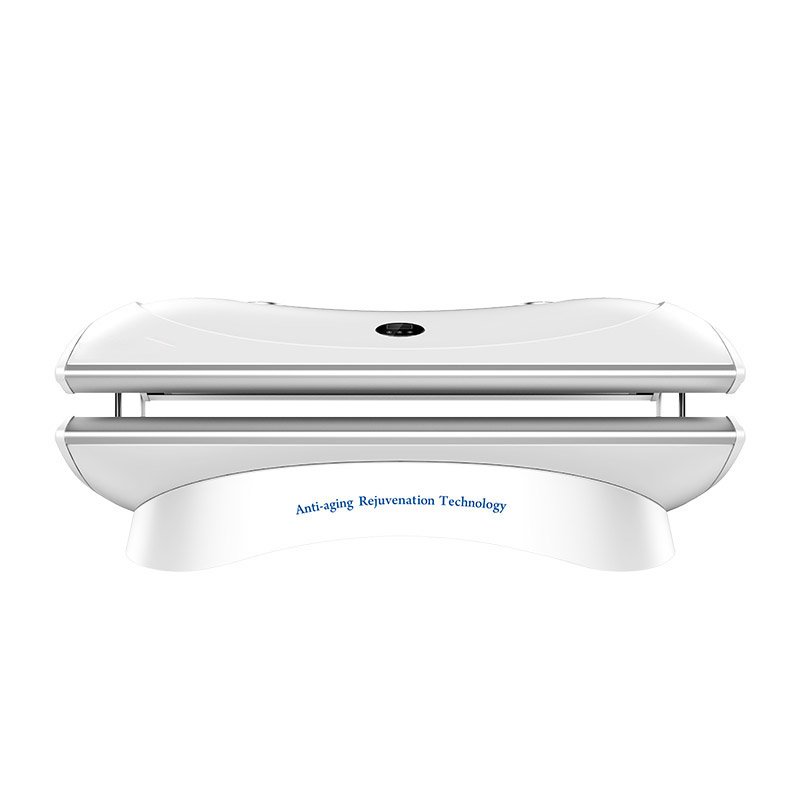
Red light therapy is a non-invasive treatment that can be incredibly effective in addressing hyperpigmentation. It works by stimulating the skin at the cellular level, increasing circulation, and encouraging the skin to repair itself, which can help fade dark spots over time. With regular use, this therapy can even out your skin tone, reduce the appearance of hyperpigmentation, and restore a youthful, radiant complexion.
3. The Science Behind Red Light Therapy
Red light therapy uses specific wavelengths of light to penetrate the skin and trigger biological processes. The wavelengths typically used for hyperpigmentation treatment range from 630 to 660 nanometers, and this light is absorbed by the skin’s cells to promote healing and rejuvenation. The light energy stimulates the production of ATP (adenosine triphosphate), which powers cellular activity and accelerates skin repair.
3.1 Red Light Therapy’s Impact on Melanin Production
Studies have shown that red light therapy can inhibit the production of excess melanin by suppressing the activity of tyrosinase, an enzyme responsible for melanin synthesis. This helps prevent the formation of new dark spots while allowing existing hyperpigmentation to gradually fade. As a result, red light therapy addresses the root cause of uneven skin tone, offering a targeted solution for those struggling with stubborn dark spots.
3.2 The Benefits of Red Light for Skin Healing
In addition to reducing hyperpigmentation, red light therapy has numerous other benefits for the skin. It helps to:
- Boost collagen production, improving skin texture and reducing the appearance of fine lines and wrinkles.
- Increase blood circulation, delivering more oxygen and nutrients to the skin cells. This promotes faster healing and rejuvenation of the skin.
- Speed up skin cell turnover, helping your skin regenerate and recover faster. This increased turnover helps to reveal healthier, more even skin.
- Improve skin tone and texture, creating a smoother, more radiant complexion.

4. How Red Light Therapy Differs from Near Infrared Light
While both red light and near-infrared light are effective in skin treatments, red light is particularly well-suited for treating hyperpigmentation. Here’s why:
4.1 Red Light vs. Near Infrared Light
Red light has a shorter wavelength than near-infrared light, making it ideal for targeting the upper layers of the skin, where melanin is produced. By focusing on these superficial layers, red light therapy can effectively reduce the overactive melanocytes responsible for dark spots. Near-infrared light, on the other hand, penetrates much deeper into the skin, targeting muscles, nerves, and even bones. While beneficial for other skin concerns such as inflammation and deep tissue repair, it is not as effective for treating hyperpigmentation since it doesn’t focus on the surface layers of the skin where excess melanin resides.
4.2 The Impact of Near Infrared Light on Hyperpigmentation
Near infrared light can be helpful for reducing inflammation and promoting collagen production, making it ideal for deep tissue repair and addressing issues like muscle pain and joint discomfort. However, its effects on hyperpigmentation are less straightforward. While near infrared light can penetrate deeper into the skin, it is not as targeted as red light therapy in addressing the upper skin layers where melanin accumulates. Therefore, red light is generally preferred when treating skin discoloration and dark spots.
5. Combining Red Light Therapy with Other Skincare Treatments
While red light therapy is a powerful tool for fading dark spots, combining it with other skincare practices can enhance results. Here are a few additional tips to complement your red light therapy regimen:
- Sun Protection: Always wear sunscreen to prevent new hyperpigmentation from forming and protect your skin from harmful UV rays. Sunscreen is essential to maintaining the benefits of red light therapy and preventing further darkening of the skin.
- Topical Treatments: Consider using products containing ingredients like vitamin C, niacinamide, and retinoids, which are known to brighten the skin and support collagen production. These ingredients work synergistically with red light therapy to target hyperpigmentation.
- Gentle Skincare Routine: Avoid harsh scrubs and exfoliants, which can irritate the skin and worsen pigmentation. Instead, opt for gentle cleansers and moisturizers that promote hydration and skin barrier repair.
6. The Ideal Frequency and Duration of Red Light Therapy for Hyperpigmentation
For optimal results, consistency is key. To see significant improvements in your skin’s appearance, you should aim for regular red light therapy sessions. Here’s a general guideline:
- Frequency: Use red light therapy for about 10-20 minutes per session, 3-5 times per week. Regular use ensures continuous benefits and maximizes the impact on hyperpigmentation.
- Duration: Depending on the severity of your hyperpigmentation, you may start noticing improvements after 4-6 weeks. However, for best results, continue treatment for at least 3-4 months. Be patient, as hyperpigmentation can take time to fully fade.
6.1 How Long Does it Take to See Results?
The time it takes to see results can vary depending on factors like skin type, the severity of the hyperpigmentation, and consistency with treatments. However, most people notice visible improvements in the color and texture of their skin after about 4-6 weeks of regular treatment. Be patient and stay consistent for the best results. In some cases, combining red light therapy with other topical treatments can accelerate progress.
7. FAQs About Red Light Therapy for Hyperpigmentation
7.1 Is Red Light Therapy Safe for All Skin Types?
Yes, red light therapy is safe for all skin types, including darker skin tones. Unlike some treatments that may cause irritation or worsen pigmentation in certain skin tones, red light therapy is gentle and non-invasive. It has been proven to be effective and safe for individuals with diverse skin tones.
7.2 Can Red Light Therapy Be Used on the Face?
Absolutely! Red light therapy is effective for treating hyperpigmentation on the face, including areas like the cheeks, forehead, and upper lip, where melasma and age spots are common. It is a great option for people looking to address pigmentation issues on sensitive areas like the face.
7.3 Are There Any Side Effects?
Red light therapy is generally well-tolerated, with minimal side effects. Some users may experience mild redness or warmth in the treated area, but this usually subsides within a few hours. There is no downtime, making it a convenient option for those with busy schedules. It is also non-invasive, so there’s no risk of scarring or skin damage.
8. Conclusion: Achieving a Radiant, Even Complexion
Red light therapy is a game-changer when it comes to treating hyperpigmentation. By gently targeting the root causes of dark spots and uneven skin tone, red light therapy can help you achieve a brighter, more even complexion. Whether you’re dealing with age spots, melasma, or post-inflammatory pigmentation, red light therapy offers a safe, non-invasive solution that works for all skin types.
If you’re ready to say goodbye to hyperpigmentation and hello to a radiant, confident you, consider incorporating red light therapy into your skincare routine. With patience and consistency, you’ll be amazed at the transformation in your skin. It’s time to unlock the secret to a brighter, more youthful complexion with the power of red light therapy!


 EN
EN EN_GB
EN_GB DE
DE EL
EL ES
ES UZ
UZ FR
FR IT
IT JA
JA CS
CS DA
DA DE_AT
DE_AT FI
FI ET
ET HR
HR FR_BE
FR_BE HU
HU KO
KO IS
IS KA
KA LT
LT NL
NL UK
UK TR
TR SV
SV SR
SR SL
SL SK
SK RU
RU RO
RO PT
PT NB
NB AR
AR CY
CY