



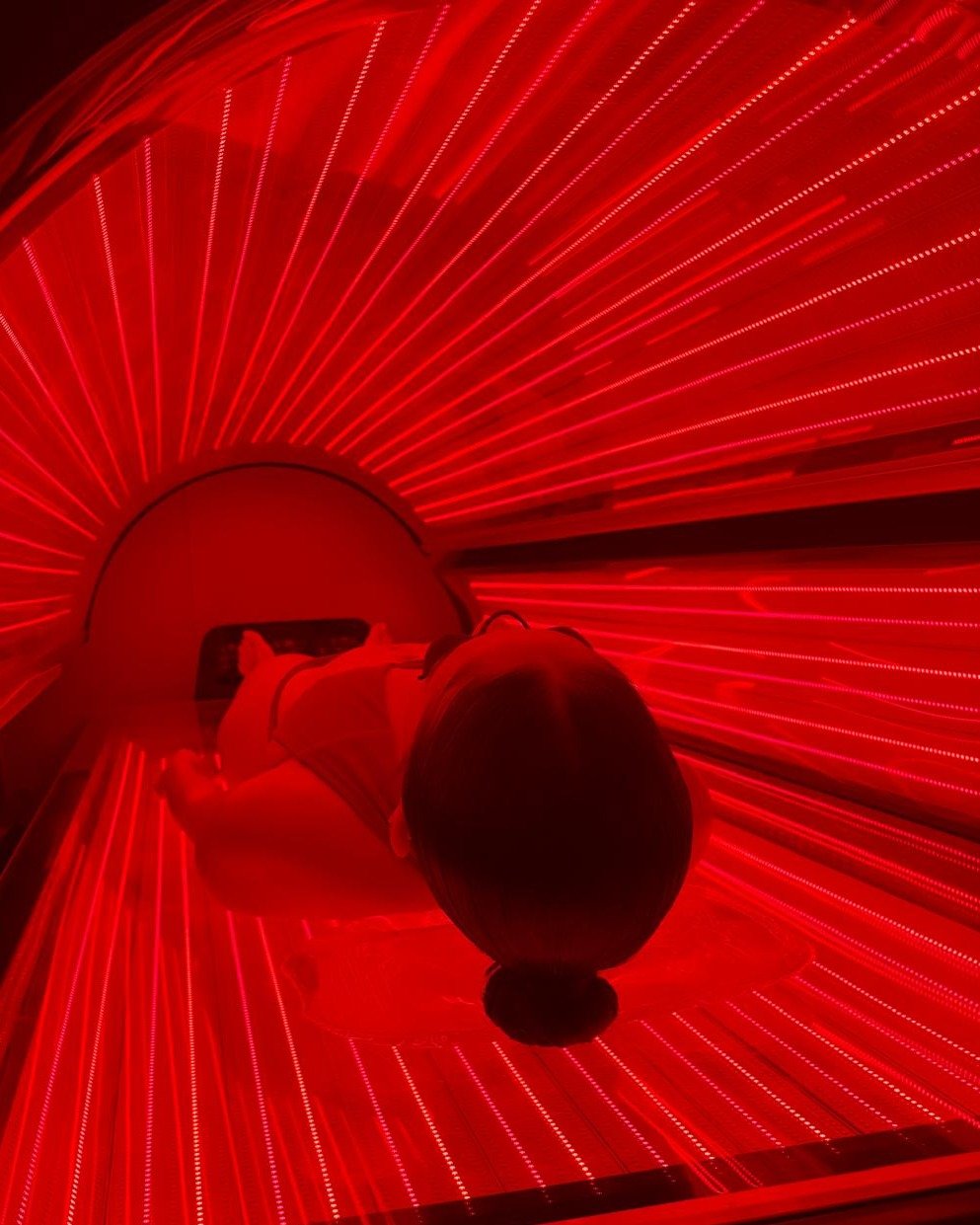
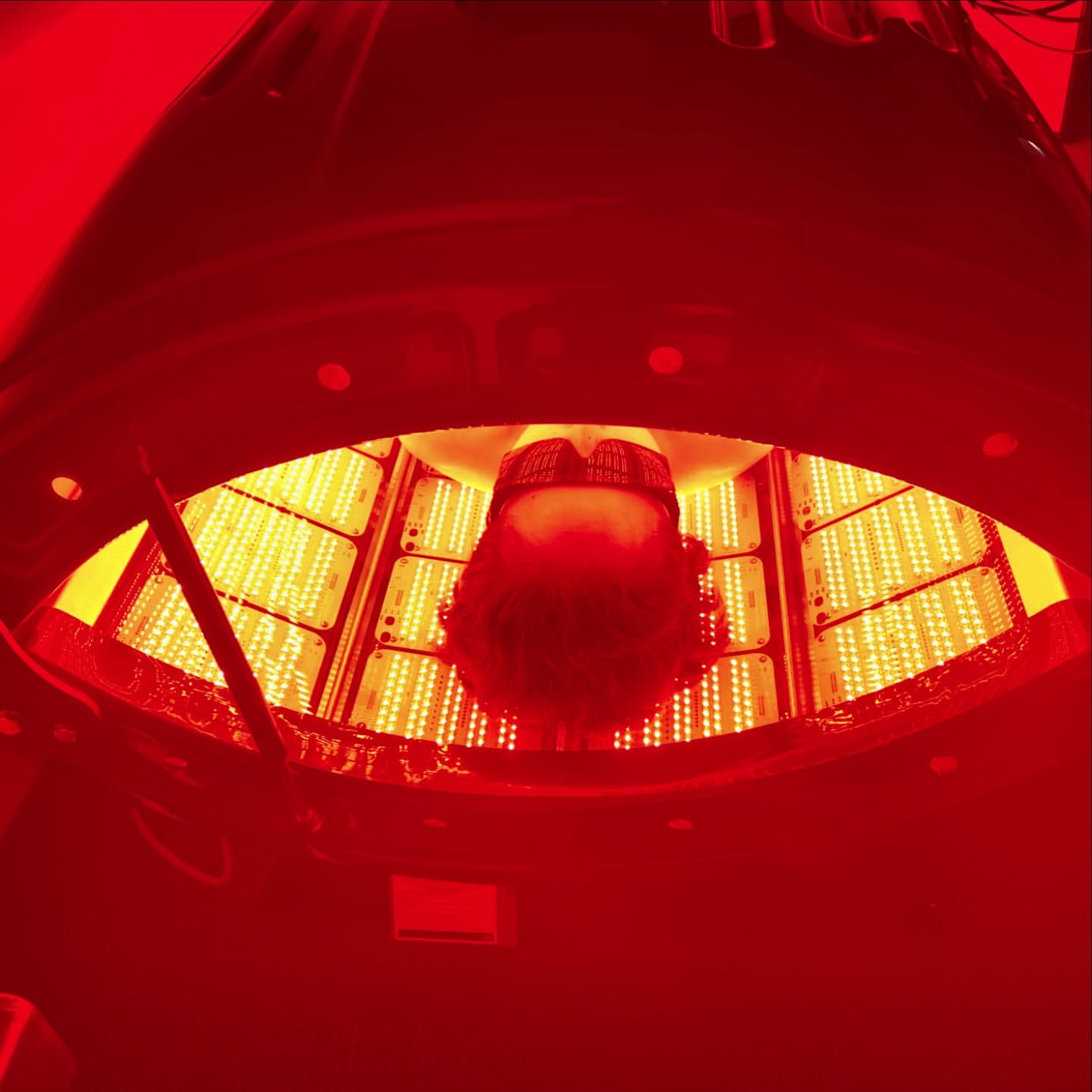
Red light therapy is highly effective in managing the symptoms of rosacea, particularly by reducing inflammation, accelerating skin healing, and calming the vascular overreaction that causes persistent redness. Unlike topical creams that sit on the surface, red light therapy (specifically Light Emitting Diode or LED therapy) uses specific wavelengths of light to penetrate the dermis, where it stimulates cellular repair and reduces the production of pro-inflammatory cytokines. This non-invasive treatment is proven to help soothe facial flushing, heal papules, and improve the overall skin barrier, making it a powerful tool for those suffering from this chronic skin condition.
Rosacea is more than just a bit of blushing; for millions of people, it is a persistent, uncomfortable, and often confidence-shattering condition. Characterized by visible blood vessels, stinging sensations, and acne-like bumps, it requires a gentle yet effective approach. While there is no definitive cure, modern technology has provided a way to manage it significantly.
Guided by insights from board-certified dermatologists like Dr. Shah and Dr. Maxfield, as well as emerging clinical data, this comprehensive guide will explore the biological mechanisms of rosacea, how to identify your specific subtype, and why red light therapy is becoming the gold standard for at-home management. We will explore how to stop flare-ups before they start and achieve the calm, clear complexion you deserve.

1. What Is Rosacea and Why Does It Happen?
To understand why red light therapy works, we must first understand the beast we are trying to tame. Rosacea is a chronic inflammatory skin condition that primarily affects the face. It is often misunderstood as adult acne or simple sensitivity, but its roots go much deeper into the vascular and immune systems.
The Biological Underpinnings
The exact cause of rosacea remains a medical mystery, though researchers have identified a “perfect storm” of contributing factors. It is not caused by poor hygiene or infection, but rather by a combination of genetics, an overactive immune system, and environmental factors.
At a cellular level, individuals with rosacea have a hyper-reactive vascular system. Their blood vessels dilate (widen) too easily and stay dilated for too long. Over time, these vessels lose their elasticity and remain permanently visible (telangiectasia). Furthermore, the innate immune system in rosacea patients is often trigger-happy, releasing inflammatory proteins (cathelicidins) at the slightest provocation, leading to swelling, bumps, and redness.
Common Triggers
One of the defining characteristics of rosacea is that it flares up in response to specific stimuli. These triggers vary from person to person but often include:
- Dietary Factors: Spicy foods containing capsaicin, hot beverages that raise body temperature, and alcohol (particularly red wine) which acts as a vasodilator.
- Environmental Factors: Extreme temperatures (hot or cold), wind, and most significantly, ultraviolet (UV) radiation from the sun.
- Emotional Factors: Stress and anxiety can trigger an immediate release of cortisol and histamine, leading to instant flushing.
- Skincare Products: Ingredients that strip the moisture barrier, such as alcohol, acetone, or harsh exfoliants.
Essentially, anything that stimulates new blood vessel growth (angiogenesis) or causes existing vessels to dilate can worsen the condition over time. While we cannot change our genetics, we can control how we treat the symptoms, which is where light therapy enters the equation.
2. Which Subtype of Rosacea Do You Have?
As noted by dermatologists Dr. Maxfield and Dr. Shah, “Rosacea is a trial and error type of condition,” largely because it presents in four distinct ways. Identifying your specific subtype is crucial because a treatment that works for one type might disastrously aggravate another.
Type 1: Erythematotelangiectatic Rosacea (ETR)
The Symptoms: This is the most common form, characterized by persistent facial redness, flushing, and visible blood vessels. The flushing episodes typically last longer than 30 minutes and can feel hot or stinging.
The Skincare Strategy: Dr. Maxfield advises treating this skin type as “hypersensitive.” The goal is to repair the barrier. You must strictly avoid:
- Isopropyl alcohol
- Witch hazel
- Essential oils (like peppermint or eucalyptus)
- Mechanical scrubs (apricot scrubs, harsh brushes)
Instead, look for soothing ingredients like licorice root extract (a natural anti-inflammatory), niacinamide (to strengthen the barrier), and ceramides. Sunscreen (SPF 50) is non-negotiable for this group.
Type 2: Papulopustular Rosacea
The Symptoms: Often mistaken for acne, this subtype features redness accompanied by swelling and acne-like breakouts (papules and pustules). Unlike regular acne, there are no blackheads (comedones).
The Skincare Strategy: Using traditional acne treatments like benzoyl peroxide or strong retinoids on this type can cause severe irritation. Dr. Shah highlights Sulfur as a “very, very effective” and underrated ingredient for this subtype. It kills bacteria and reduces inflammation without the harshness of standard acne products.
Type 3: Phymatous Rosacea
The Symptoms: This is a rarer form involving the thickening of the skin, particularly around the nose (rhinophyma). It is caused by the overgrowth of sebaceous (oil) glands and tissue.
The Skincare Strategy: Early intervention is key. Niacinamide is recommended to help regulate oil production and minimize pore appearance. However, once the tissue has thickened significantly, lasers or surgical intervention by a dermatologist are usually required. Red light therapy can be used as a preventative measure to control the inflammation that drives this growth.
Type 4: Ocular Rosacea
The Symptoms: This affects the eyes and eyelids. Symptoms include a gritty sensation (like sand in the eye), watering, redness, crusting along the lash line, and frequent styes.
The Skincare Strategy: As Dr. Maxfield notes, many people fail to realize their eye issues are connected to rosacea. This requires care from an ophthalmologist. Warm compresses and rigorous eyelid hygiene are standard treatments, but specialized LED treatments are showing promise here as well.
3. How Does Red Light Therapy Mitigate Rosacea Symptoms?
You may have seen “futuristic light-up face masks” on social media, but the science behind them is grounded in decades of research. LED (Light Emitting Diode) therapy, or photobiomodulation, uses non-thermal light energy to trigger biological changes in the skin.
Mechanism 1: Reducing Inflammation
The primary driver of all rosacea subtypes is chronic inflammation. Red light therapy (specifically in the 633nm range) has been proven to lower the levels of pro-inflammatory cytokines. By reducing this chemical inflammation, the physical redness and swelling subside. It effectively puts out the “fire” in the skin.
Mechanism 2: Mitochondrial Energy Boost
When red light penetrates the skin, it is absorbed by the mitochondria (the power plant of the cell). This boosts the production of Adenosine Triphosphate (ATP). With more energy, cells can repair damage more efficiently, regenerate healthy tissue, and strengthen the skin barrier. A stronger barrier means fewer environmental irritants can penetrate the skin to trigger a flare-up.
Mechanism 3: Healing “Wounds”
For those with Papulopustular rosacea, the pustules are essentially small wounds. Near-infrared light (830nm) stimulates fibroblasts, the cells responsible for collagen production and wound healing. This helps clear up the bumps faster and prevents scarring.
Mechanism 4: Vasoconstriction and Calming
While heat generally dilates blood vessels (bad for rosacea), LED light does not emit heat. Instead, the anti-inflammatory effect can help normalize the vascular response, reducing the frequency and intensity of flushing episodes.
4. What Wavelengths Are Best for Redness and Sensitivity?
Not all colors of light do the same thing. For rosacea specifically, a multi-spectrum approach is often the most beneficial.
Red Light (633nm)
This is the cornerstone of rosacea treatment. It targets the dermis to reduce inflammation and boost collagen. It is excellent for Type 1 (ETR) rosacea as it directly combats facial redness and flushing.
Near-Infrared Light (830nm)
This wavelength penetrates deeper than red light, reaching the subcutaneous layer. It acts as a powerful anti-inflammatory and pain reliever. For patients like “AJ”—a case study who suffered from painful, fiery itchiness associated with rosacea—NIR light provides deep soothing relief that topical creams cannot reach.
Blue Light (415nm)
While usually reserved for acne, blue light is incredibly useful for Type 2 (Papulopustular) rosacea. It targets and kills Demodex mites and bacteria (like Cutibacterium acnes) that can exacerbate inflammatory bumps. “AJ” utilized a combination of blue and near-infrared light to clear large clusters of painful spots.
Green (532nm) and Yellow (590nm) Light
These are less common but highly effective for specific symptoms:
- Golau Gwyrdd: Helps with hyperpigmentation and, importantly for Type 3 (Phymatous) rosacea, helps balance oil production.
- Yellow Light: Known for its soothing properties, yellow light promotes lymphatic drainage and reduces water loss. This is crucial for maintaining skin hydration, preventing the dryness that often triggers oil glands to overcompensate.
5. When Should You Use Red Light Therapy for Results?
Consistency is the golden rule of light therapy. Unlike a surgical procedure which is “one and done,” light therapy is cumulative, much like exercise.
Frequency and Duration
Most dermatologists and device manufacturers recommend a “loading phase” followed by maintenance:
- The Start: Use the device 3 to 5 times per week.
- Hyd: Sessions typically last 10 to 20 minutes depending on the power of the device.
- Maintenance: Once symptoms are under control (usually after 8-12 weeks), you can reduce usage to 1-2 times per week to keep inflammation at bay.
Integration with Skincare
Red light therapy should be performed on clean, dry skin. Oils, sunscreens, and makeup can block the light waves.
Protocol: Cleanse face -> Red Light Session -> Apply Rosacea-Safe Serums (Niacinamide/Hyaluronic Acid) -> Moisturize -> SPF (Daytime).

6. Where Can You Get Treatment: Home vs. Clinic?
Until recently, powerful LED treatments were restricted to dermatology clinics. However, the gap between professional and at-home devices has narrowed significantly.
In-Clinic Treatments
Manteision: Powerful, medical-grade panels that cover the whole face and neck evenly. Supervised by professionals who can combine LED with other treatments like IPL (Intense Pulsed Light).
Anfanteision: Expensive (often $100+ per session) and requires travel, which can be inconvenient for a therapy that requires 3-5 sessions a week.
At-Home Devices (Masks and Panels)
Manteision: One-time investment allowing for unlimited daily use. Modern flexible silicone masks conform to the face, ensuring the light penetrates the skin effectively.
Anfanteision: Lower power output compared to massive clinic panels, meaning you may need slightly longer sessions to achieve the same results.
For rosacea, where daily management is key, an at-home device is often the most practical choice. High-quality masks offering Red (633nm) and Near-Infrared (830nm) are the industry standard for managing redness.
Feature 1: The Rosacea Skincare Safety Checklist
Navigating the beauty aisle with rosacea can feel like walking through a minefield. Use this checklist to vet products before applying them to your reactive skin.
| Safe & Beneficial (Look for these) | Dangerous & Triggering (Avoid these) |
|---|---|
| Niacinamid: Strengthens barrier, reduces redness. | Alcohol (Denat/Isopropyl): Strips moisture, causes burning. |
| Ceramidau: Essential lipids that repair the skin wall. | Witch Hazel: Often too astringent and drying. |
| Azelaic Acid: Kills bacteria, reduces redness. | Physical Scrubs: Walnut shells/beads cause micro-tears. |
| Sulfur: Great for reducing pustules gently. | Glycolic Acid (High %): Can be too aggressive for rosacea. |
| Mineral Sunscreen (Zinc/Titanium): Reflects heat and UV. | Chemical Sunscreens: Can absorb heat into the skin. |
Feature 2: Comparison of Light Wavelengths for Rosacea Types
| Rosacea Subtype | Primary Wavelength Recommended | Secondary Wavelength | Expected Outcome |
|---|---|---|---|
| Type 1: ETR (Redness) | Red (633nm) | Near-Infrared (830nm) | Reduced flushing, calmed inflammation, stronger barrier. |
| Type 2: Papulopustular (Bumps) | Blue (415nm) | Near-Infrared (830nm) | Bacteria reduction, healed pustules, pain relief. |
| Type 3: Phymatous (Thickening) | Green (532nm) | Near-Infrared (830nm) | Oil control, prevention of tissue growth. |
| Type 4: Ocular (Eyes) | Red (633nm) | Yellow (590nm) | Reduced lid inflammation (requires specialized eye devices). |
Cwestiynau Cyffredin
Can red light therapy make rosacea worse?
Generally, no. Red light therapy is non-thermal, meaning it does not produce heat, which is the primary trigger for rosacea flushing. However, some cheap or poorly made devices might emit unwanted heat. It is crucial to use high-quality LEDs. If you are extremely photosensitive, start with shorter sessions (5 minutes) to test your skin’s tolerance. Always avoid thermal lasers that use heat to vaporize veins unless administered by a doctor, as those are very different from LED therapy.
Can I use red light therapy if I am using Metronidazole or Azelaic Acid?
Yes, red light therapy is safe to combine with most topical rosacea prescriptions. In fact, they often work synergistically. The light helps calm the inflammation, allowing the topicals to work more effectively without irritating the barrier. However, if you are on isotretinoin (Accutane) or antibiotics that cause photosensitivity (like doxycycline), consult your dermatologist before starting light therapy, as your skin may be more prone to burning.
How long does it take to see results for rosacea redness?
Patience is required. While some users report an immediate “calming” glow after one session, lasting reduction in baseline redness typically takes 4 to 8 weeks of consistent use (3+ times per week). For inflammatory bumps (papules), healing can often be seen faster, sometimes within 2 to 3 weeks. Remember, rosacea is a chronic condition, so red light therapy is a management tool, not a one-time cure.
Casgliad
Living with rosacea can feel like an endless battle against your own skin, constantly dodging triggers and hiding redness. However, the emergence of accessible red light therapy offers a new frontier in management. By addressing the root cause—cellular energy and chronic inflammation—rather than just masking the symptoms, red light therapy provides a gentle, drug-free path to clearer skin.
Whether you are battling the persistent flush of ETR rosacea or the painful bumps of papulopustular rosacea, the combination of smart skincare choices and consistent LED therapy can restore balance to your complexion. By identifying your subtype, avoiding harsh chemical triggers, and utilizing the healing power of light, you can calm the fire within your skin and face the world with confidence.

 EN
EN EN_GB
EN_GB DE
DE EL
EL ES
ES UZ
UZ FR
FR IT
IT JA
JA CS
CS DA
DA DE_AT
DE_AT FI
FI ET
ET HR
HR FR_BE
FR_BE HU
HU KO
KO IS
IS KA
KA LT
LT NL
NL UK
UK TR
TR SV
SV SR
SR SL
SL SK
SK RU
RU RO
RO PT
PT NB
NB AR
AR CY
CY