


Perfect Beginning
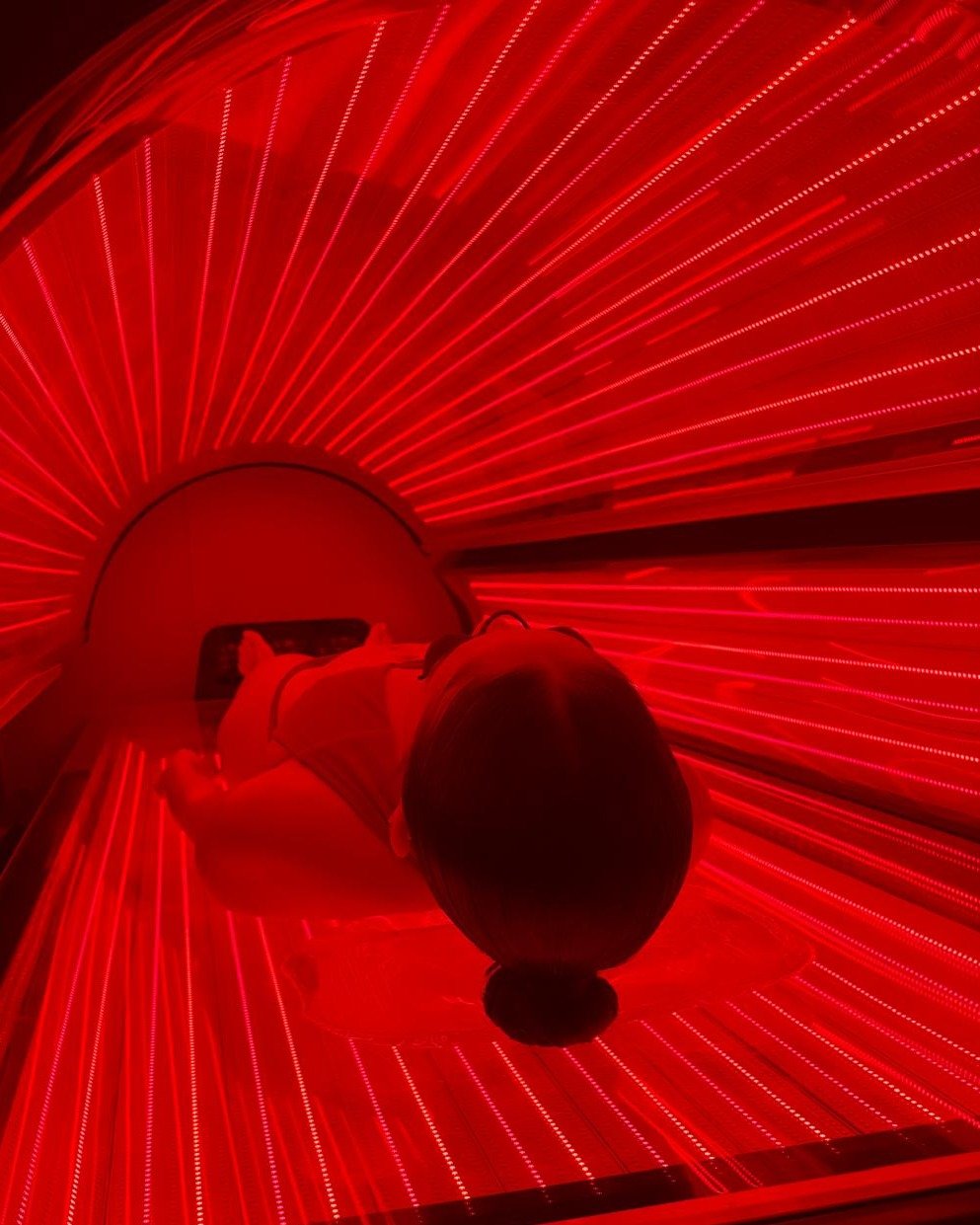
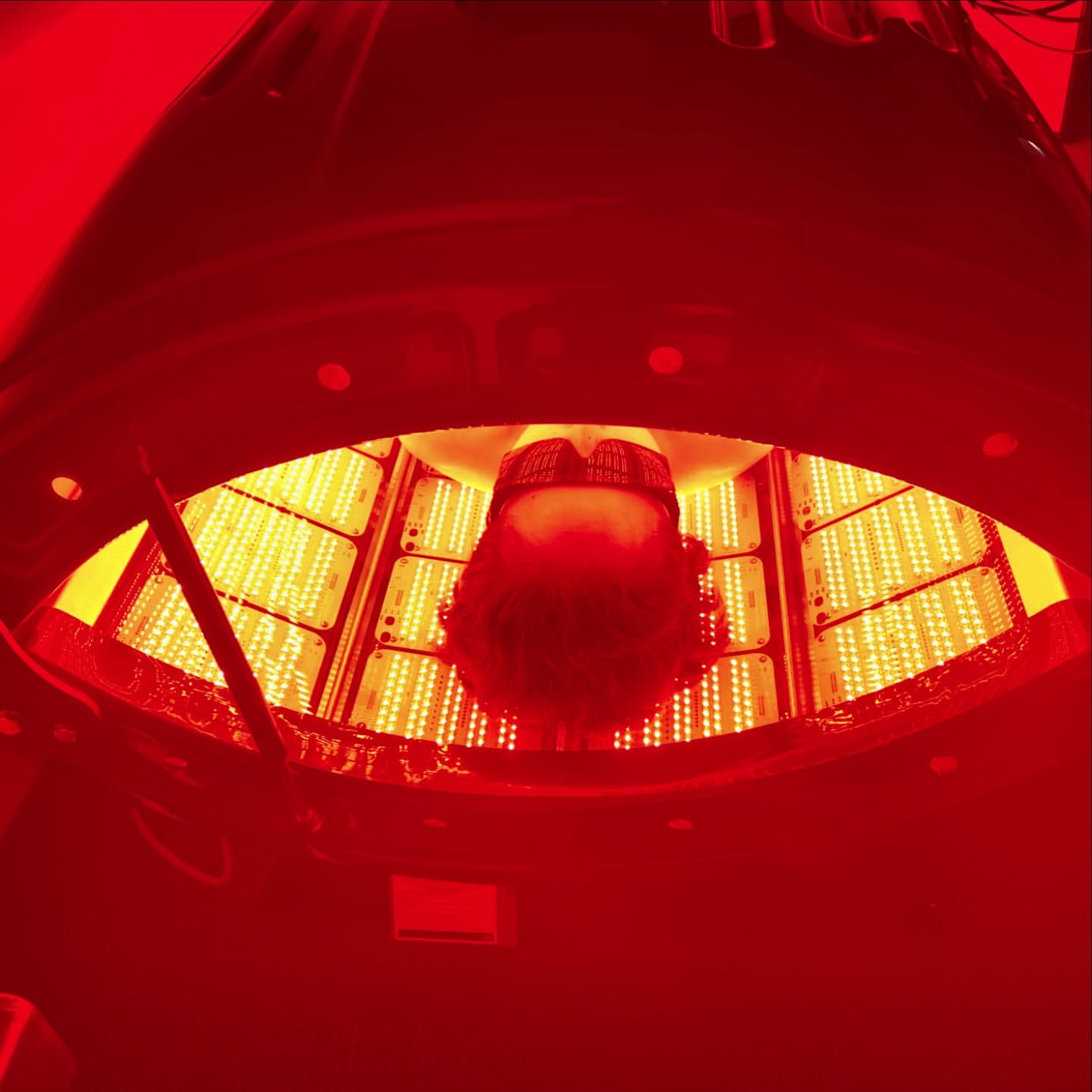
The warm crimson glow of a red-light panel has become as common in home wellness routines as foam rollers and yoga mats. Celebrities credit it for glassy skin, endurance athletes swear it shaves minutes off recovery time, and dermatologists prescribe it for everything from acne to wrinkles. Yet a question lingers behind the buzz: Can you have too much of a good thing?
The answer is yes—but the story is more nuanced than a simple yes or no. Like water, sunlight, or exercise, the magic of red-light therapy (RLT), also called photobiomodulation (PBM), lies in the dose. A Goldilocks zone exists where cells thrive; wander too far above it and benefits plateau or—even worse—reverse. This guide unpacks the science, delivers practical protocols, and equips you with exclusive bonus tools to personalise your routine, avoid overdosing, and reap every documented advantage of red-light therapy.

1. What Exactly Is Red Light Therapy?
Red-light therapy is a non-invasive treatment that bathes tissue in wavelengths between 620 – 660 nm (visible red) and 810 – 850 nm (near-infrared). Photons are absorbed by mitochondrial chromophores—primarily cytochrome c oxidase—kick-starting a cascade that elevates adenosine triphosphate (ATP), up-regulates antioxidant enzymes, modulates cytokines, and enhances micro-circulation. The result? Faster wound closure, lower inflammation, stronger collagen nets, and more resilient muscle fibres.
Over the past decade, peer-reviewed trials have demonstrated clinically significant improvements in:
- Skin ageing: reduced wrinkle depth, higher elasticity
- Musculoskeletal pain: tendinopathy, osteoarthritis relief
- Hair regrowth in androgenetic alopecia
- Post-exercise recovery: dampened creatine kinase, restored strength
- Oral-mucositis mitigation during cancer care
Unlike ultraviolet rays, red and near-infrared light are non-ionising; they do not fracture DNA or raise skin-cancer risk.
2. Does More Light Equal More Results? The Biphasic Dose Curve
Photobiomodulation follows an Arndt–Schulz (biphasic) dose response. Low-to-moderate energy densities (4 – 60 J/cm² delivered over 5 – 20 minutes) stimulate mitochondrial respiration, while excessive fluence (> 120 J/cm²) floods the electron-transport chain with reactive oxygen species (ROS). Small pulses of ROS act as cellular signals for repair; chronic overproduction creates oxidative stress that slows healing, dries or reddens skin, and can blunt the very collagen synthesis you seek.
Think of RLT like caffeine: one double espresso sharpens focus; six quadruple shots trigger jitters, headaches, and a performance crash. Staying on the left side of the biphasic curve ensures every photon propels you forward, not backward.
3. Five Signs You Might Be Overdoing Your Sessions
- Persistent erythema or heat lasting more than two hours post-session
- Plateauing or regressing results (e.g., wrinkles re-emerge despite longer sessions)
- Unusual skin dryness or flakiness despite good hydration
- Mild headaches or eye strain even while wearing goggles
- Delayed-onset muscle soreness that lingers longer than baseline after workouts
If you tick two or more boxes, scale back exposure time or frequency for two weeks and reassess.
4. How to Build an Evidence-Based Home Routine
| Parameter | Beginner | Intermediate | Goal-Specific Intensives* |
|---|---|---|---|
| Distance from panel | 20 – 30 cm | 15 – 20 cm | 10 – 15 cm |
| Session length | 8 – 12 min | 12 – 18 min | 18 – 25 min |
| Frequency | 3 × per week (non-consecutive) | 4 – 5 × per week | 1 – 2 × per day (14-day block) |
| Energy density target | 10 – 25 J/cm² | 25 – 50 J/cm² | 50 – 60 J/cm² |
*Short blocks aimed at acute injury, post-surgical healing, or intense athletic taper. Always revert to maintenance after two weeks.
4.1 Calculating Your Dose
Most manufacturers list irradiance in mW/cm². Use this formula:
(J/cm²) = (mW/cm² × seconds) / 1000Example: A panel delivering 100 mW/cm² for 10 minutes (600 s) provides 60 J/cm².
4.2 Device Quality Check
- Look for FDA clearance and IEC 60601-1 safety certification.
- Verify independent lab reports; true irradiance at 15 cm should be 80 – 120 mW/cm² for full-body panels.
- Ensure built-in eye protection or use ANSI-rated goggles.
4.3 Goal-Based Tweaks
- Skin rejuvenation: favour 630 – 660 nm, shorter sessions, higher frequency.
- Deep-tissue or joint support: add 810 – 850 nm, increase session length.
- Seasonal mood or sleep: evening sessions 2 – 3 hours before bedtime, combine with blackout sleep hygiene.
5. Best Practices: Your Seven-Step Success Checklist
- Patch-test first on forearm for three minutes; wait 24 hours.
- Hydrate—drink 500 ml water within 30 minutes before and after.
- Remove creams and makeup; a clean, dry surface optimises photon transfer.
- Position accurately—panel perpendicular to target area; no clothing barriers.
- Wear eye protection whenever facial skin is treated.
- Log every session (see Bonus Feature #2).
- Review progress monthly; drop to maintenance once goals are met.
6. Two Bonus Features to Supercharge Your Results
6.1 Bonus Feature #1: The 5-Minute Pre-Session Mobility Flow
Stimulating blood flow before illumination increases oxygen and nutrient delivery, turbo-charging light absorption. Perform each move for 30 seconds:
- Neck circles
- Arm windmills
- Cat-cow spinal flexions
- Hip openers (world’s greatest stretch)
- Air squats
- Standing calf raises
- Wrist rolls
- Deep diaphragmatic breathing
Finish with three slow inhalations through the nose, exhaling fully through the mouth. Start your red-light session within two minutes.
6.2 Bonus Feature #2: Printable Four-Week Red Light Therapy Log
Keeping meticulous records prevents accidental overdosing and helps you spot what works fastest. Copy or screenshot the template below and place it next to your panel.
| Date | Body Area | Mode (Red / NIR / Combo) | Duration (min) | Distance (cm) | J/cm² | Pre-Session Hydration (ml) | Notes / Sensations |
|---|---|---|---|---|---|---|---|
| (Fill manually each day) | |||||||
7. Frequently Asked Questions
Q1. Can red light therapy cause skin cancer like tanning beds?
No. Red and near-infrared light are non-ionising; they do not damage DNA the way UV rays do. Multiple systematic reviews confirm an excellent safety profile when dosed appropriately.
Q2. I’m already healthy—will extra sessions give me “extra” benefits?
Once your tissues reach saturation, additional photons offer diminishing returns and can provoke oxidative fatigue. Stick to maintenance sessions (2 – 3 per week) once goals are achieved; redirect time to sleep, nutrition, or resistance training for a better marginal gain.
Q3. What’s the safest way to treat the face without irritating eyes?
Lower the session length (6 – 10 minutes), keep at least 20 cm distance, keep eyes closed, and wear wrap-around goggles rated for 400 – 480 nm blocking. If you experience residual glare or headaches, cut duration by 30 % and evaluate after three treatments.
Perfect Ending
Red-light therapy bridges ancient sunlight wisdom with cutting-edge biophysics, empowering you to regenerate skin, soothe joints, and accelerate recovery—right in your living room. Like any potent tool, success depends on precision. Apply the science-backed strategies in this guide, lean on the bonus mobility flow and tracking log, and you’ll occupy the therapeutic sweet spot where every photon works in your favour. Respect the dose, stay consistent, and watch your cells light up—literally and figuratively—with renewed vitality.
May your wellness journey be bright—but never too bright.

 EN
EN EN_GB
EN_GB DE
DE EL
EL ES
ES UZ
UZ FR
FR IT
IT JA
JA CS
CS DA
DA DE_AT
DE_AT FI
FI ET
ET HR
HR FR_BE
FR_BE HU
HU KO
KO IS
IS KA
KA LT
LT NL
NL UK
UK TR
TR SV
SV SR
SR SL
SL SK
SK RU
RU RO
RO PT
PT NB
NB AR
AR CY
CY