
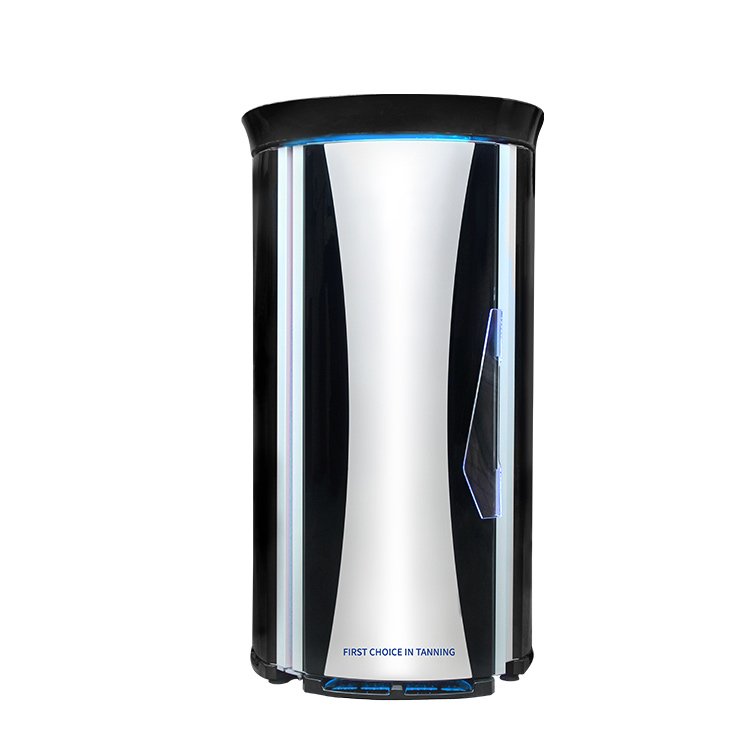
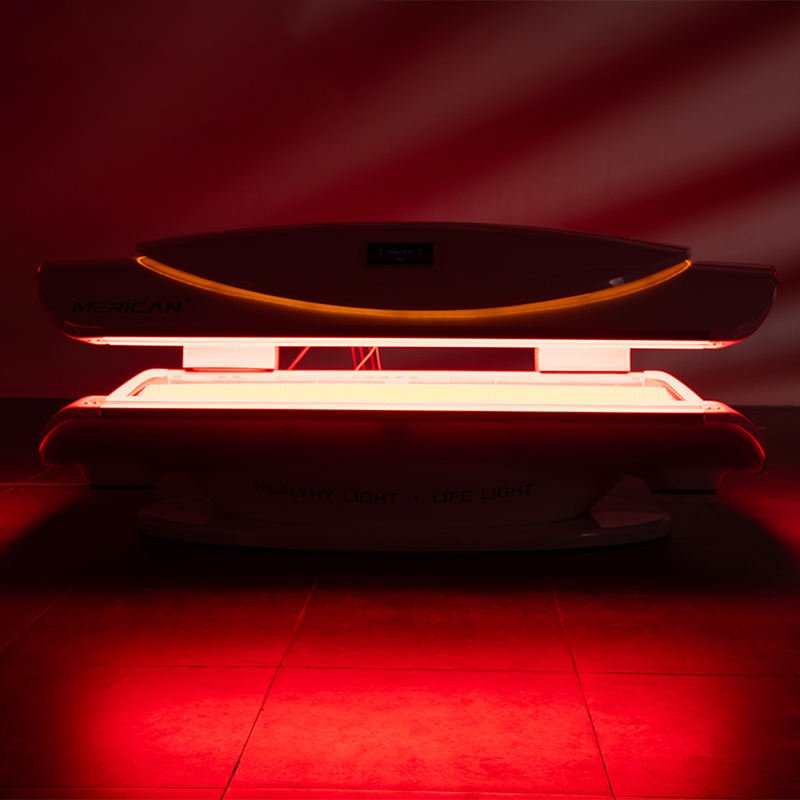
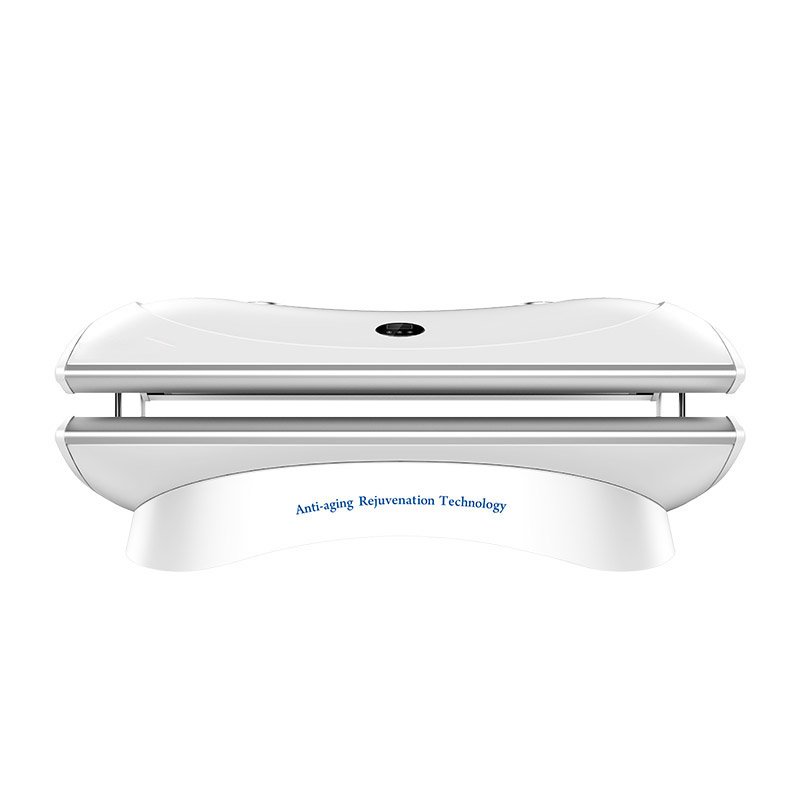


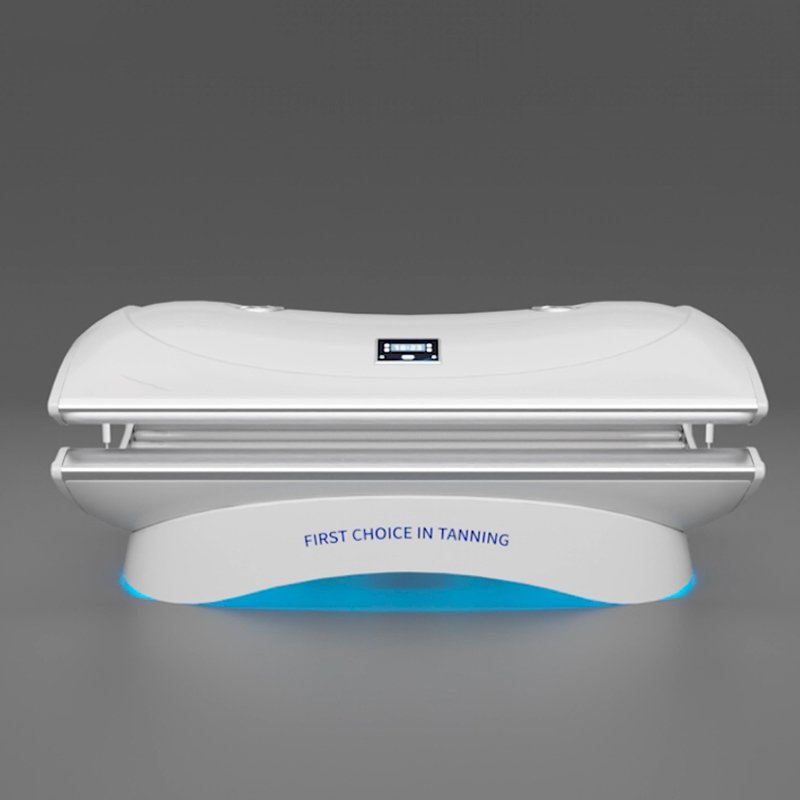
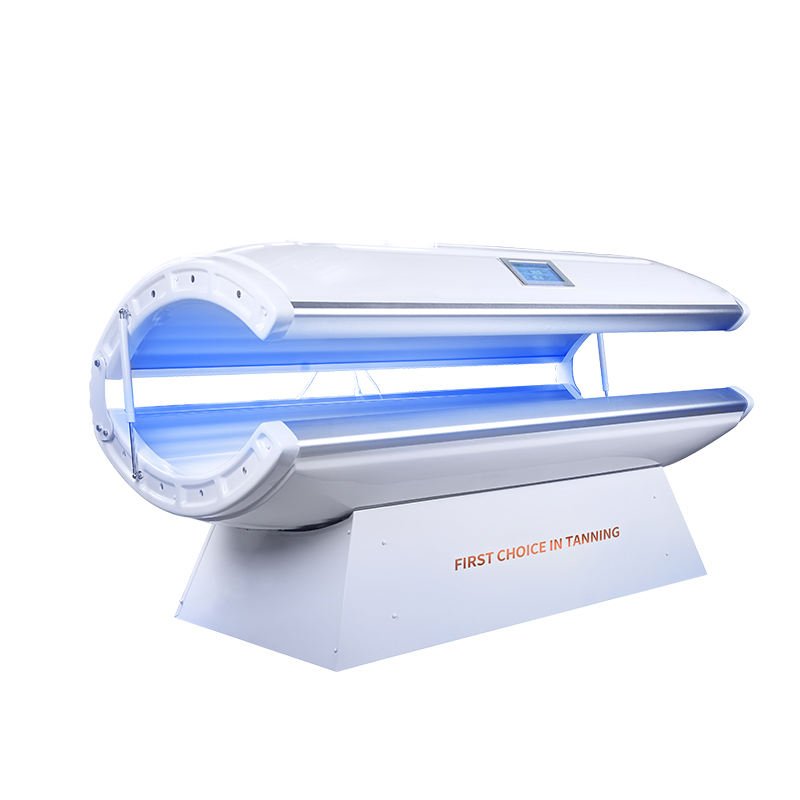
Red Light Therapy (RLT) has gained widespread attention for its potential health benefits. However, questions about its safety often arise. Is it truly safe, or are there hidden risks that users should be aware of? To answer this, we must look deeper into how RLT works, its benefits, and the very real concerns surrounding its use. In this article, we’ll explore the safety aspects of Red Light Therapy, clarify common misconceptions, and help you make an informed decision about whether this therapy is right for you. 

1. Understanding Red Light Therapy: A Brief Overview
Red Light Therapy is a treatment that involves the use of low-wavelength red light to promote healing, reduce inflammation, and improve skin health. Often referred to as photobiomodulation (PBM), this non-invasive procedure has been researched for decades, but it has only recently gained mainstream attention. The light emitted in Red Light Therapy typically falls within the wavelength range of 600 to 1,000 nanometers, which includes both visible red light and near-infrared (NIR) light. These wavelengths are absorbed by the skin, triggering various biological processes such as enhanced circulation and collagen production. Despite its growing popularity, concerns about its safety persist, especially regarding potential side effects or long-term risks. Let’s dive into the science to understand the real risks and benefits.2. Is Red Light Therapy Safe for Everyone?
While Red Light Therapy is generally considered safe for the vast majority of people, like any wellness treatment, it’s important to recognize that it may not be suitable for everyone. The safety of Red Light Therapy largely depends on the user’s specific health conditions, skin sensitivities, and how the therapy is applied.Contraindications and Precautions
No medical treatment is without its risks, and Red Light Therapy is no exception. There are some contraindications where RLT may not be appropriate. These include individuals with:- Photosensitivity: Those with extreme sensitivity to light or certain medications that increase light sensitivity may need to avoid RLT.
- Pregnancy: While there is no evidence to suggest that RLT is harmful during pregnancy, it’s always best to consult a healthcare provider before beginning treatment.
- Certain skin conditions: Conditions such as active skin cancer, open wounds, or areas with significant scarring may not be suitable for direct light exposure.
3. The Safety of Red Light Therapy Devices
It’s important to differentiate between the types of devices used in Red Light Therapy. Not all RLT devices are created equal, and some may be more dangerous than others depending on their design and specifications.Device Specifications Matter
Most home-use Red Light Therapy devices are designed with safety in mind. These devices typically use light-emitting diodes (LEDs) rather than lasers. LEDs are much safer than lasers because they emit light in a broader spectrum, making them less likely to cause burns or eye damage. Here are some important factors to consider:- Intensity: Red Light Therapy devices are usually calibrated to emit light at safe intensities, generally under 100 milliwatts per square centimeter (mW/cm²). At this level, the light is therapeutic but not intense enough to cause burns or other harmful effects.
- Duration: Most RLT devices are equipped with timers to ensure that users do not exceed the recommended treatment duration, which is typically between 10 and 20 minutes per session.
- Wavelengths: Safe devices will emit wavelengths within the therapeutic range of 600-1,000 nanometers. Wavelengths outside this range may not provide the desired effects and could potentially be harmful.

 EN
EN EN_GB
EN_GB DE
DE EL
EL ES
ES UZ
UZ FR
FR IT
IT JA
JA CS
CS DA
DA DE_AT
DE_AT FI
FI ET
ET HR
HR FR_BE
FR_BE HU
HU KO
KO IS
IS KA
KA LT
LT NL
NL UK
UK TR
TR SV
SV SR
SR SL
SL SK
SK RU
RU RO
RO PT
PT NB
NB AR
AR CY
CY