



Red light therapy works by delivering specific wavelengths of visible red and invisible near-infrared light into the skin to stimulate cellular energy production. Specifically, it targets the mitochondria within cells—often referred to as the “power plants” of the cell—to boost the production of adenosine triphosphate (ATP). This surge in cellular energy accelerates tissue repair, significantly reduces inflammation, and promotes healing across a wide variety of bodily systems, ranging from surface-level skin rejuvenation and hair regrowth to deep muscle recovery, joint pain relief, and even cognitive improvement.
1. What is the biological mechanism behind Photobiomodulation?
To truly understand the benefits of red light therapy (RLT), also known scientifically as photobiomodulation (PBM), one must look beyond the surface level of the skin and into the microscopic universe of the human cell. Unlike standard light bulbs or the sun, which emit a broad spectrum of light (including damaging UV rays), RLT devices are engineered to emit very specific wavelengths of light, typically between 600 nanometers (nm) et 900 nm.
The Cellular “Battery” Charger
The primary mechanism of action involves a photoreceptor within our cells called Cytochrome C Oxidase (CCO). This enzyme sits inside the mitochondria and is the last step in the electron transport chain that produces energy. When cells are stressed (due to illness, aging, or injury), mitochondria produce nitric oxide (NO), which binds to CCO and halts energy production.
Red light photons are absorbed by CCO, which effectively “kicks out” the nitric oxide. This allows oxygen to return to its place, restoring the cell’s ability to produce ATP (Adenosine Triphosphate).
Note on ATP: Think of ATP as the fuel currency of your body. With more ATP, cells function more efficiently, repair themselves faster, and resist damage better.
Red vs. Near-Infrared (NIR)
It is also crucial to distinguish between the two types of light often used in these devices:
- Red Light (approx. 630–660 nm): This light is visible to the human eye. It has a shorter wavelength and is absorbed by the surface layers of the skin. It is primarily used for treating skin conditions like acne, wrinkles, and wound healing.
- Near-Infrared Light (approx. 800–850 nm): This light is invisible to the human eye. It has a longer wavelength, allowing it to penetrate deeper into the body—reaching muscles, joints, bones, and even the brain.
By enhancing cellular respiration, PBM creates a cascade of positive biological effects. It reduces oxidative stress (the imbalance between free radicals and antioxidants) and lowers inflammation, which is the root cause of most chronic diseases.
2. How does red light therapy rejuvenate the skin and combat aging?
The most popular application of red light therapy is undoubtedly within the realm of dermatology and aesthetics. While the beauty industry is rife with trends that lack substance, PBM is supported by a robust body of clinical evidence suggesting it can reverse signs of aging and improve overall skin health.
Collagen and Elastin Synthesis
As we age, our body’s production of collagen—the structural protein that keeps skin firm and plump—decreases. Red light therapy stimulates fibroblasts, the cells responsible for manufacturing collagen. Increased collagen density leads to:
- Reduction of Fine Lines: The “filling in” of microscopic gaps in the skin structure.
- Improved Elasticity: Skin snaps back more easily, reducing sagging.
- Texture Smoothing: A reduction in pore size and roughness.
Beyond Wrinkles: Acne and Inflammation
While blue light is often cited for killing acne-causing bacteria, red light plays a vital supporting role. It calms the inflammation caused by acne breakouts, reduces redness, and speeds up the healing of active lesions. This makes it an excellent option for those who find chemical treatments (like benzoyl peroxide) too harsh.
Treating Pigmentation and Scarring
Hyperpigmentation, sun spots, and scars rely on cell turnover to fade. By supercharging cellular energy, red light accelerates this turnover rate. It helps the skin repair damaged tissue (scars) and regulate melanin production (dark spots), leading to a more even complexion over time.
Key Skin Conditions Treated:
- Psoriasis and Eczema: By modulating the immune response and lowering inflammation, RLT can reduce the itching and plaques associated with these chronic conditions.
- Rosacée: The therapy helps constrict blood vessels and reduce the chronic redness associated with rosacea.
- Cicatrisation des plaies : Post-surgical scars or everyday cuts heal significantly faster under red light exposure.
3. Why is this therapy considered a breakthrough for hair regrowth?
Hair loss, particularly androgenetic alopecia (pattern baldness), is a source of distress for millions of men and women. The FDA has cleared several laser and LED devices for hair restoration, recognizing the efficacy of Low-Level Laser Therapy (LLLT) in this domain.
The Mechanism: Waking Up Dormant Follicles
Hair follicles go through cycles: growth (anagen), transition (catagen), and rest (telogen). In pattern hair loss, the growth phase shortens, and follicles eventually shrink (miniaturization) until they stop producing hair entirely.
Red light therapy penetrates the scalp to reach the base of the hair follicle. The stimulation of mitochondria here is critical because hair growth is an incredibly energy-intensive process.
- Increased Blood Flow: PBM stimulates microcirculation in the scalp, delivering more oxygen and nutrients to the follicle.
- Extension of Anagen Phase: It pushes follicles back into the growth phase and keeps them there longer.
- Prevention of Miniaturization: It combats the inflammation and oxidative stress that causes follicles to shrink.
Comparison to Pharmaceuticals
Studies have compared red light therapy to minoxidil (Rogaine), a common topical medication. Results suggest that consistent PBM can be just as effective as minoxidil for many users, without the side effects of scalp irritation or the “dread shed” often associated with starting chemical treatments.
Expected Outcomes:
- Thickening: Existing hairs become thicker in diameter.
- Regrowth: Dormant follicles begin producing hair again.
- Retention: A reduction in daily hair shedding.
It is important to note that, like skin treatments, this is not an overnight fix. Hair cycles are slow; users typically see a halt in shedding after 3 months and visible regrowth after 6 months of consistent use.
4. Where in the body can red light alleviate chronic pain and inflammation?
Chronic pain affects a staggering percentage of the population. From office workers with lower back pain to athletes with tendonitis and seniors with arthritis, the need for non-opioid pain management is critical. This is where the deeper-penetrating Near-Infrared (NIR) wavelengths shine.
Targeting the Source of Pain
Pain is often a symptom of inflammation or tissue damage. While painkillers merely mask the signal sent to the brain, red light therapy addresses the root cause.
- Anti-Inflammatory Action: PBM creates a sharp decrease in pro-inflammatory cytokines. It essentially tells the body’s immune system to “cool down” the inflamed area.
- Amélioration de la circulation : By stimulating the formation of new capillaries (angiogenesis), RLT improves blood flow to injured areas, flushing out metabolic waste products that cause pain and bringing in fresh nutrients for repair.
Specific Pain Applications:
- Arthrose : Clinical trials on knee osteoarthritis have shown that red light therapy can significantly reduce pain scores and increase range of motion. It helps preserve cartilage and reduce the synovial inflammation that makes movement agonizing.
- Back and Neck Pain: For non-specific chronic back pain, RLT offers a drug-free alternative. The light penetrates deep into the spinal muscles, relaxing spasms and accelerating the repair of strained tissues.
- Fibromyalgie : This complex condition, characterized by widespread musculoskeletal pain, is difficult to treat. PBM has shown promise in reducing the tender points and overall pain sensitivity in fibromyalgia patients, likely due to its systemic effects on the nervous system.
- Récupération sportive : Athletes use RLT to treat Delayed Onset Muscle Soreness (DOMS). Using light therapy before exercise can “pre-condition” the muscles to resist damage, while using it afterward speeds up the clearance of lactate and creatine kinase, biomarkers of muscle damage.
Post-Surgical Healing
Surgeons are increasingly recognizing the value of PBM. Applied to incision sites, it accelerates wound closure, reduces the formation of keloid scars, and lowers post-operative pain, reducing the patient’s reliance on pharmaceuticals.
5. Who is the ideal candidate for cognitive and neurological benefits?
One of the most exciting frontiers in photobiomodulation research is its application to the brain. Because near-infrared light (specifically in the 810–850 nm range) can penetrate the skull, it can directly affect brain tissue. This application is often called Transcranial Photobiomodulation (tPBM).
Combating Neurodegeneration
Research is currently exploring how tPBM can help those suffering from dementia, Alzheimer’s disease, and Parkinson’s disease.
- Clearing Plaque: Some animal studies suggest PBM may help the brain clear beta-amyloid plaques, the sticky protein accumulations associated with Alzheimer’s.
- Neuroprotection : By boosting ATP in neurons, PBM protects brain cells from dying.
- Cognitive Boost: Early trials involving patients with mild-to-moderate dementia demonstrated improvements in memory, executive function, and clock-drawing tests after consistently using intranasal or helmet-based light therapy.
Traumatic Brain Injury (TBI) and Concussions
For individuals who have suffered concussions, the brain is in a state of metabolic crisis—it needs energy to heal but cannot produce it effectively. Red light therapy acts as an exogenous energy source, potentially speeding up recovery from TBI and reducing symptoms like brain fog, headaches, and light sensitivity.
Mental Health and Mood
There is a growing link between inflammation and depression. By reducing neural inflammation, tPBM may act as an antidepressant.
- Seasonal Affective Disorder (SAD): While bright white light is the standard for SAD, red light is being investigated for its ability to regulate circadian rhythms and improve sleep quality without the risk of eye strain associated with bright blue/white boxes.
- Anxiety: Preliminary data suggests a calming effect on the autonomic nervous system, shifting the body from a “fight or flight” sympathetic state to a “rest and digest” parasympathetic state.
6. When and how should you utilize these devices for maximum safety?
Knowing the benefits is only half the battle; understanding how to use the technology safely and effectively is paramount. The market is flooded with devices, and not all are created equal.
Types of Devices:
- Panels: These are the most versatile. They can sit on a table or hang on a door. They are excellent for treating large areas like the back or the full face.
- Masks: Specific for facial skincare. They are convenient but usually less powerful than panels.
- Caps/Helmets: Exclusively for hair growth and brain health.
- Wands: Handheld devices for targeting small spots (like a cold sore or a specific joint).
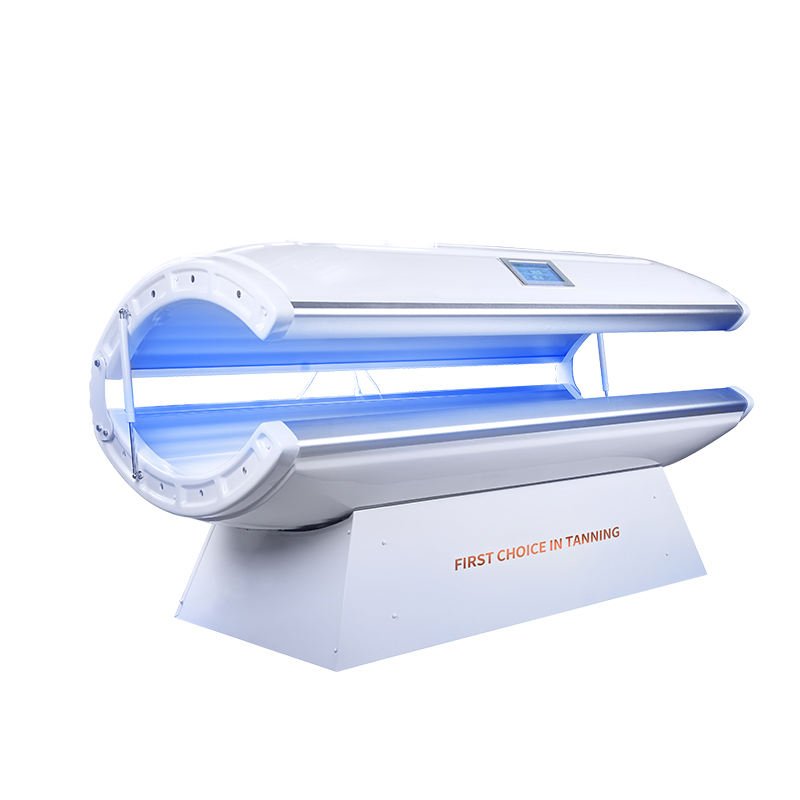
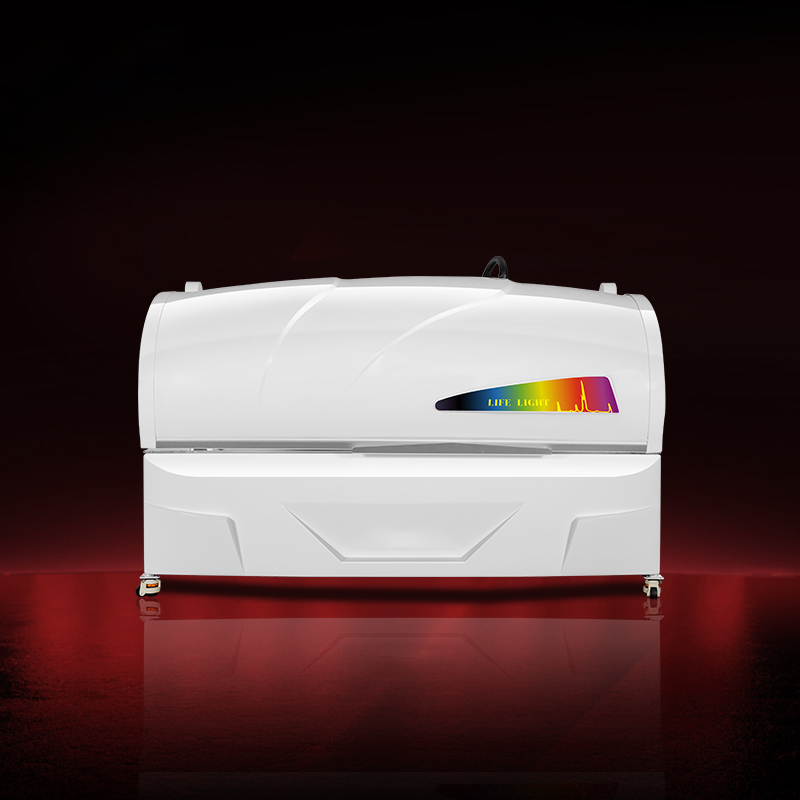
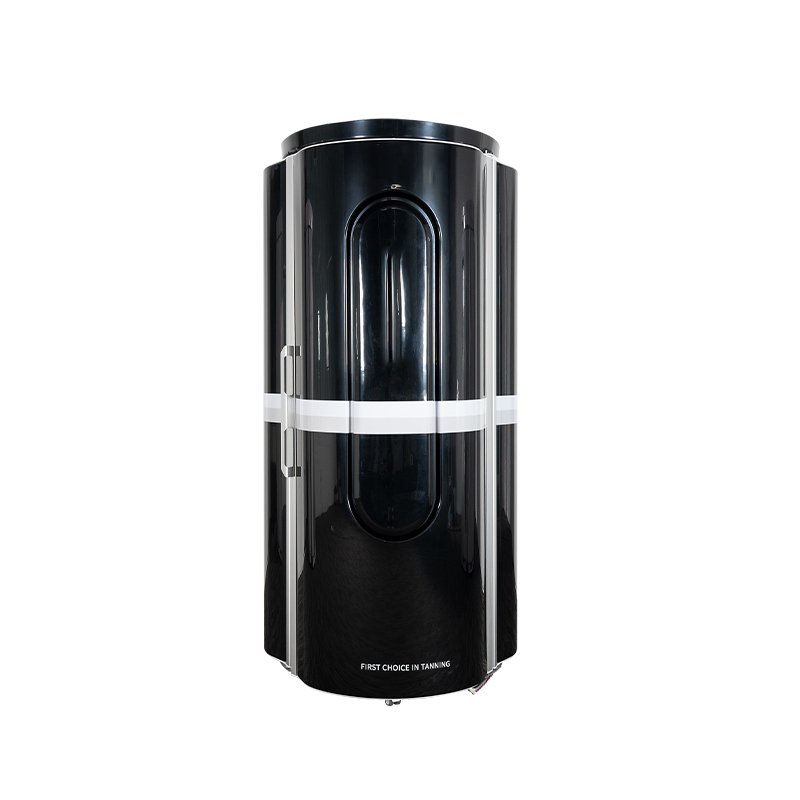
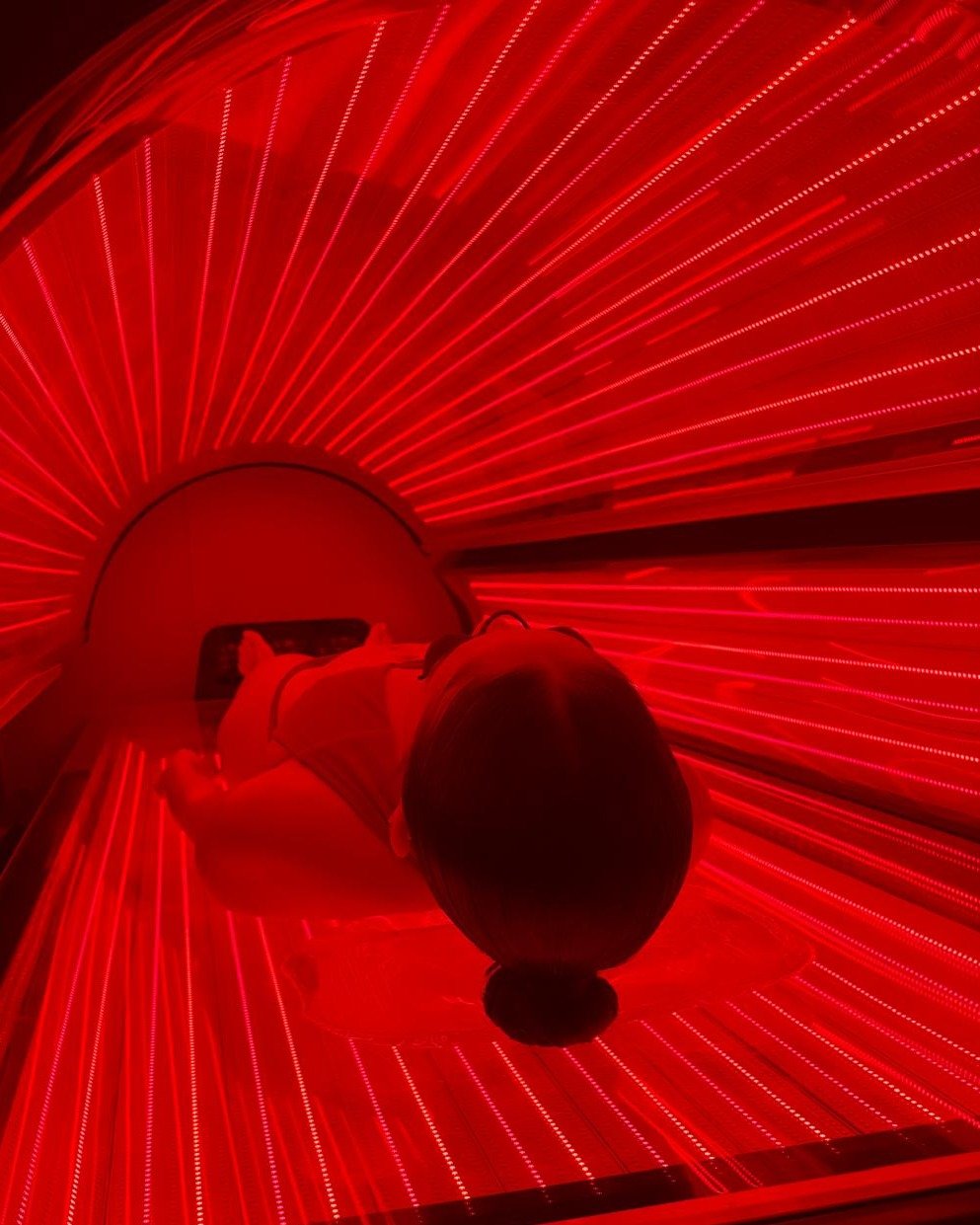
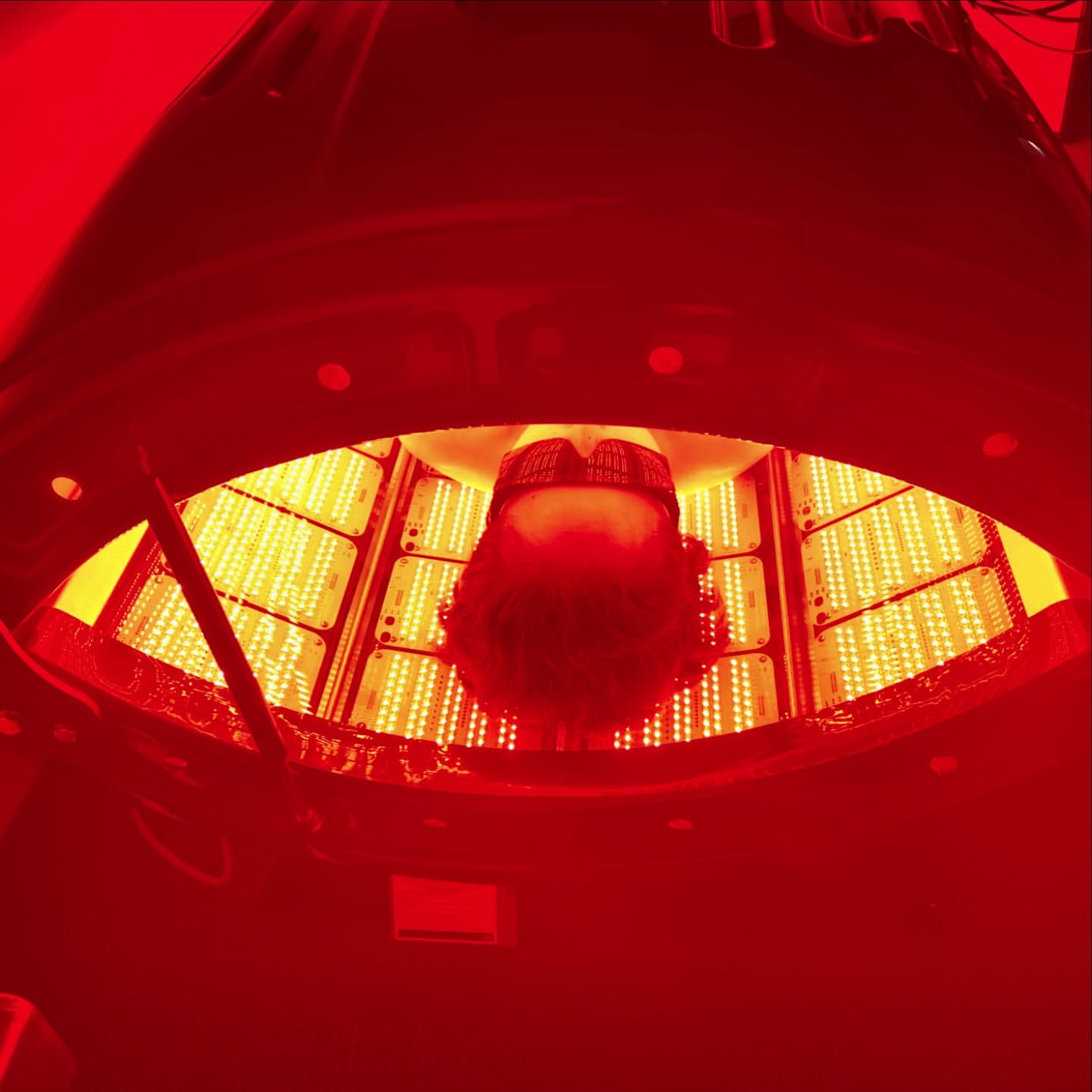
- Lits pour tout le corps : Found in professional salons and clinics. These offer the highest dose but are the most expensive to access.
Safety Protocols and Risks
Red light therapy is generally considered safe, non-invasive, and painless. It does not use UV light, so there is no risk of tanning, burning, or skin cancer. However, precautions are necessary:
- Eye Safety: This is the most critical safety factor. While red light is not inherently damaging to the retina in small doses, the intensity of modern LEDs can be overwhelming. Always wear blackout goggles or the specific eyewear provided with the device, especially when treating the face or using NIR wavelengths, which are invisible but can heat the eye.
- Photosensibilité: If you are taking medications that increase light sensitivity (such as Isotretinoin/Accutane, certain antibiotics like tetracycline, or diuretics), consult a doctor before use.
- Dosage (The Arndt-Schulz Law): More is not always better. There is a “sweet spot” for light therapy. Too little light does nothing; too much light can inhibit the very cellular processes you are trying to stimulate. Follow the manufacturer’s time guidelines strictly—usually 10 to 20 minutes per session.
FDA Clearance vs. Approval
Be savvy about marketing language. Most devices are “FDA Cleared,” which means they are substantially equivalent to existing safe devices. “FDA Approved” is a rigorous standard usually reserved for drugs and Class III medical devices (like pacemakers). FDA Clearance is a good sign of safety, but it is not a guarantee of efficacy for every specific condition.

Feature 1: Spectrum Comparison Guide
To help understand where Red Light Therapy fits in the broader spectrum of light treatments, the following table compares it with other common light sources.
| Fonctionnalité | Red Light Therapy (RLT) | Ultraviolet (UV) Light | Thérapie par lumière bleue | Infrared Saunas |
|---|---|---|---|---|
| Longueur d'onde | 600–900 nm (Red & Near-Infrared) | 100–400 nm | 400–490 nm | 3,000+ nm (Far Infrared) |
| Primary Benefit | Cellular energy (ATP), repair, inflammation reduction. | Vitamin D synthesis (UVB), tanning (UVA). | Kills surface bacteria. | Heat generation, sweating, detoxification. |
| Heat Felt? | Minimal to none. | Yes (warmth). | No. | Yes (intense heat). |
| Skin Depth | Penetrates Dermis to Hypodermis & Muscle. | Surface (Epidermis/Dermis). | Surface (Epidermis). | Surface heating primarily. |
| Risks | Eye strain (if no goggles). | Sunburn, skin cancer, premature aging. | Eye damage, hyperpigmentation in dark skin. | Dehydration, overheating. |
| Main Use Case | Anti-aging, pain relief, hair growth. | Psoriasis (controlled), Tanning. | Active Acne, Seasonal Depression. | Relaxation, cardiovascular mimicry. |
Feature 2: The Beginner’s Protocol Checklist
If you are starting red light therapy at home, follow this checklist to ensure you are setting yourself up for success.
- Consultation: [ ] Check with your dermatologist or GP, especially if you have active skin cancer, are pregnant, or take photosensitizing meds.
- The Setup: [ ] Clean your skin. Remove all makeup, sunscreen, and lotions. Light cannot penetrate barriers effectively.
- Distance: [ ] Position yourself 6 to 12 inches away from the device (unless it is a mask/wearable designed to touch the skin).
- Protection: [ ] Put on your protective eyewear.
- Timing: [ ] Start slow. Do 5 minutes every other day to test your skin’s reaction.
- Ramp Up: [ ] Gradually increase to 10–20 minutes, 3 to 5 times per week.
- Cohérence: [ ] Mark your calendar. Results for skin take 4–8 weeks; results for hair take 4–6 months. Do not stop.
- Hydratation : [ ] Drink water before and after. Cellular processes require hydration to function optimally.
Questions fréquemment posées
1. Does Red Light Therapy interfere with my skincare products like Retinol or Vitamin C?
Generally, it is best to apply active skincare ingredients after your red light session. Applying heavy creams or serums before the session can block the light photons from penetrating the skin. However, some research suggests that applying Green Tea extract or Vitamin C before the session might enhance the antioxidant protection, but this is debated. Retinol (Vitamin A) can be photosensitizing; dermatologists usually recommend using red light in the morning or evening on clean skin, and applying your Retinol product afterward as part of your night routine to avoid any potential irritation.
2. Can I use Red Light Therapy every single day?
While you technically can, it may not be necessary or even optimal. The body needs time to process the light energy and perform the cellular repair. Most experts recommend using the therapy 3 to 5 times a week. This allows for a “rest” period where the cells utilize the ATP created during the session. Using it multiple times a day is generally discouraged as it provides diminishing returns and could potentially lead to inhibitory effects where the benefits stall.
3. Will the benefits disappear immediately if I stop treatment?
Photobiomodulation is not a permanent cure; it is a maintenance therapy. If you use it for skin anti-aging and stop, natural aging processes will resume, and collagen production will eventually slow down to your baseline levels. For pain management, inflammation may return if the underlying cause (like arthritis) hasn’t been cured. However, the benefits don’t vanish overnight. You will likely retain the improvements for several weeks to a month after stopping. For hair loss, stopping treatment usually results in the hair returning to its previous shedding cycle within a few months.
Conclusion
Red light therapy has graduated from a niche spa treatment to a scientifically validated tool for health optimization. By harnessing the power of specific wavelengths, we can literally recharge our bodies at the cellular level. Whether you are seeking to smooth out wrinkles, regrow thinning hair, banish chronic knee pain, or simply give your brain a biological boost, the potential applications are vast.
However, it is not a magic wand. It requires consistency, patience, and the right equipment. As we continue to learn more about the long-term effects and optimal dosing, red light therapy stands out as a promising, non-invasive beacon in the world of modern wellness.

 EN
EN EN_GB
EN_GB DE
DE EL
EL ES
ES UZ
UZ FR
FR IT
IT JA
JA CS
CS DA
DA DE_AT
DE_AT FI
FI ET
ET HR
HR FR_BE
FR_BE HU
HU KO
KO IS
IS KA
KA LT
LT NL
NL UK
UK TR
TR SV
SV SR
SR SL
SL SK
SK RU
RU RO
RO PT
PT NB
NB AR
AR CY
CY