No. 55, Science Avenue, Shushan Modern Industrial Park, Shou County, huainan, China
do you need eye protection for red light therapy
Table of Contents
1. Introduction: The Growing Popularity of LED Light Therapy and Eye Safety
In the world of modern skincare and beauty treatments, LED light therapy has emerged as a popular non-invasive solution for various skin concerns. Whether you’re looking to reduce the signs of aging, boost skin elasticity, or tackle acne, LED light therapy promises a rejuvenated, glowing complexion. But while it has numerous benefits, many wonder whether these treatments pose a risk to their eyes, particularly when used in at-home devices.
Though red and blue light therapy masks are highly effective in delivering results, they can also emit intense light. This raises concerns about the safety of our eyes during such treatments. So, how can we protect our eyes from potential harm while enjoying the advantages of LED therapy? In this article, we’ll delve into the science behind LED light therapy, explore eye protection options, and provide expert tips to ensure a safe and effective experience.
2. What is LED Light Therapy?
LED light therapy is a skin treatment that uses specific wavelengths of light to penetrate the skin layers and stimulate various cellular responses. It is a non-invasive and gentle therapy that targets deeper layers of the skin, unlike topical treatments that only address the surface.
The therapy utilizes red, blue, and near-infrared light to trigger processes that improve skin health, such as collagen production, reducing inflammation, and improving overall skin texture. Red light, for example, boosts mitochondrial activity, which improves cell function and leads to a firmer, more youthful appearance. On the other hand, blue light targets the outer skin layers, effectively treating acne by eliminating acne-causing bacteria.
LED light therapy is known for being non-invasive, causing no discomfort, and requiring no downtime, making it an appealing option for those seeking visible results without the need for surgery or invasive procedures.
3. How LED Light Therapy Works: Different Wavelengths, Different Benefits
LED light therapy works by emitting specific wavelengths of light that penetrate the skin at different depths, each offering distinct benefits:
Red Light Therapy: Red light is known for its deep penetration, stimulating collagen and elastin production. It rejuvenates the skin, reduces fine lines, and enhances the skin’s elasticity. This makes it ideal for anti-aging treatments.
Blue Light Therapy: With a shorter wavelength, blue light primarily targets the outer layers of the skin. It is especially effective for acne treatment, as it eliminates the acne-causing bacteria and helps reduce inflammation.
Near-Infrared Light Therapy: This wavelength penetrates even deeper into the skin, promoting healing and reducing pain and inflammation. It is often used for muscle recovery and joint pain.
These varying wavelengths allow for targeted treatments based on your individual needs, whether for acne, aging skin, or skin tone enhancement.
4. Is Eye Protection Necessary During LED Light Therapy?
One of the most common concerns about LED light therapy is whether it poses any risk to the eyes. While LED light therapy is widely regarded as safe, there are no definitive studies on the long-term effects of exposure to LED light on eye health.
However, experts agree that it’s important to exercise caution during LED treatments, especially when using devices at home. The intense light emitted by LED masks and other devices can potentially cause temporary discomfort or eye strain if you gaze directly at the light for too long. While the effects are typically short-lived, the best practice is to protect your eyes during these sessions to avoid any possible irritation or strain.
5. What Happens When You Don’t Use Eye Protection?
The risks of exposing your eyes to direct LED light can range from temporary discomfort, such as eye strain, to more severe consequences, including retina damage in extreme cases. Although there is no direct evidence linking LED light exposure to permanent eye damage, it is still important to follow safety guidelines.
Temporary effects may include:
Blurry Vision: After direct exposure to LED lights, you may experience temporary blurred or dimmed vision, which typically lasts for a few minutes.
Eye Fatigue: Prolonged exposure without protection can cause eye strain, leading to discomfort and headaches.
To ensure you avoid these issues, it’s essential to protect your eyes with appropriate safety measures, especially if you’re using LED devices frequently.
6. Types of Eye Protection for LED Light Therapy
When it comes to protecting your eyes during LED light therapy, there are several eye protection options available. These include goggles, eye shields, and masks that are specifically designed to block the intense light emitted during therapy sessions.
Here are the most common types of eye protection:
Blackout Goggles: These are designed to completely block out the light from the therapy device, ensuring that no light reaches the eyes.
Built-in Eye Protection: Some LED masks come with integrated eye protection, such as built-in cushioned eye shields that block light while ensuring comfort during the session. These built-in solutions are particularly convenient, as they eliminate the need for additional accessories.
Disposable Eye Shields: For those using handheld LED devices or panels, disposable eye shields are a lightweight and easy solution to protect the eyes during treatment.
When selecting eye protection, ensure that it fits securely and provides complete coverage to block out the light completely. Comfort is also essential, as it ensures you can wear the protection for the duration of your treatment without feeling discomfort.
7. How to Choose the Right Eye Protection for LED Light Therapy Devices
Choosing the right eye protection is essential for ensuring both safety and comfort during LED light therapy sessions. Here are some tips to help you select the best protection for your needs:
Complete Coverage: Choose eye protection that fully covers the eyes to prevent any light from reaching the sensitive areas around your eyes.
Secure Fit: Ensure that your goggles or eye shields fit snugly on your face. This will help keep light from seeping through gaps and ensure maximum protection.
High-Quality Materials: Look for materials that are durable and effective in blocking out light. The better the material, the more effective the protection will be in preventing eye strain or discomfort.
Comfort and Functionality: If you’re using protection for extended periods, comfort is key. Look for adjustable straps or cushioned interiors to ensure a comfortable fit.
Many LED light masks already come with built-in protection, so check the manufacturer’s guidelines to see whether additional eye protection is required for the device you’re using.
8. LED Light Therapy Safety Tips
To make the most of your LED light therapy sessions while keeping your eyes safe, follow these safety tips:
Read the Instructions: Always follow the manufacturer’s instructions carefully. This includes proper usage guidelines, recommended treatment duration, and eye protection precautions.
Start Slowly: If you’re new to LED light therapy, start with shorter sessions and gradually increase the time as your body adapts to the treatment.
Avoid Direct Eye Contact: Never look directly at the light source during your session. Keep your eyes closed or use eye protection to shield them from exposure.
Consult a Professional: If you have existing eye conditions or concerns, speak to a healthcare provider before beginning therapy.
Ensure Clean Skin: Clean your skin thoroughly before each session to maximize the absorption of light and ensure effective treatment.
Stay Consistent: For the best results, use your LED therapy mask or device consistently, following the recommended schedule (usually 3-4 times per week for 10-15 minutes).
9. FAQs:
1. Is LED light therapy safe for my eyes?
While LED light therapy is generally safe, it’s important to protect your eyes during treatment to avoid temporary discomfort or potential long-term effects. Using eye protection such as goggles or masks is a simple way to ensure safety.
2. What happens if I don’t use eye protection during LED light therapy?
Failure to use eye protection can lead to temporary eye strain, blurry vision, or discomfort. In rare cases, prolonged exposure may cause more severe eye issues, so it’s best to prioritize safety by using eye protection.
3. What types of eye protection should I use for LED light therapy?
You can use blackout goggles, disposable eye shields, or masks with built-in protection. The choice depends on the type of LED device you are using and the level of comfort and security you need during treatment.
10. The Takeaway: Prioritize Eye Safety During LED Light Therapy
LED light therapy offers a wide array of skin benefits, from reducing wrinkles to combating acne, but it’s essential to take steps to protect your eyes during treatment. Eye protection, such as goggles or built-in shields, helps prevent potential eye strain, discomfort, or longer-term damage from intense light exposure.
By following the safety guidelines provided in this article and choosing the right eye protection, you can enjoy the benefits of LED light therapy with peace of mind, knowing that your eye health is preserved. Always consult your device’s manual for specific recommendations and use eye protection consistently to ensure a safe, effective treatment experience.
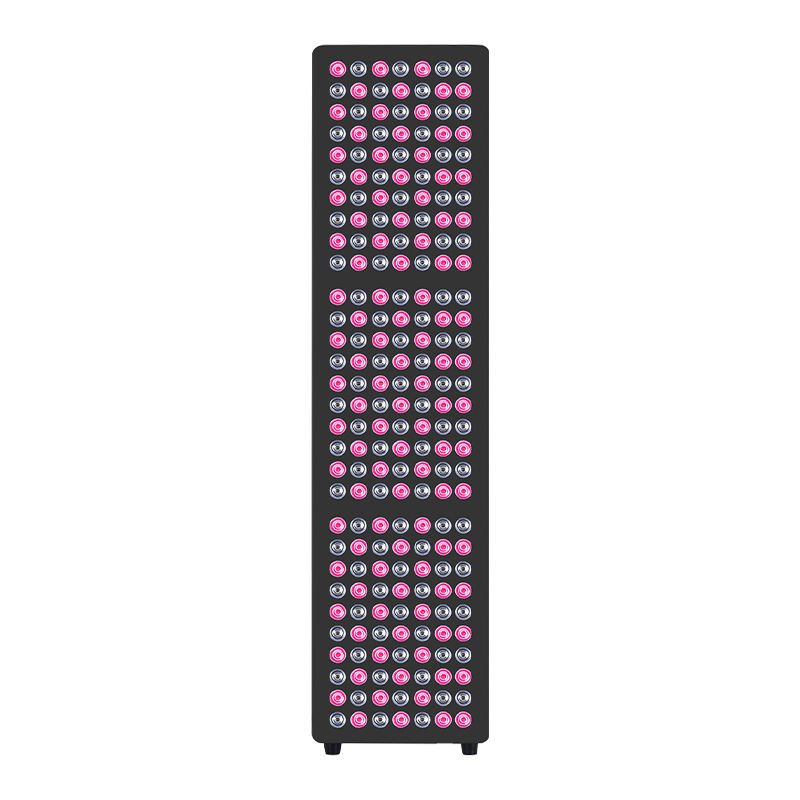
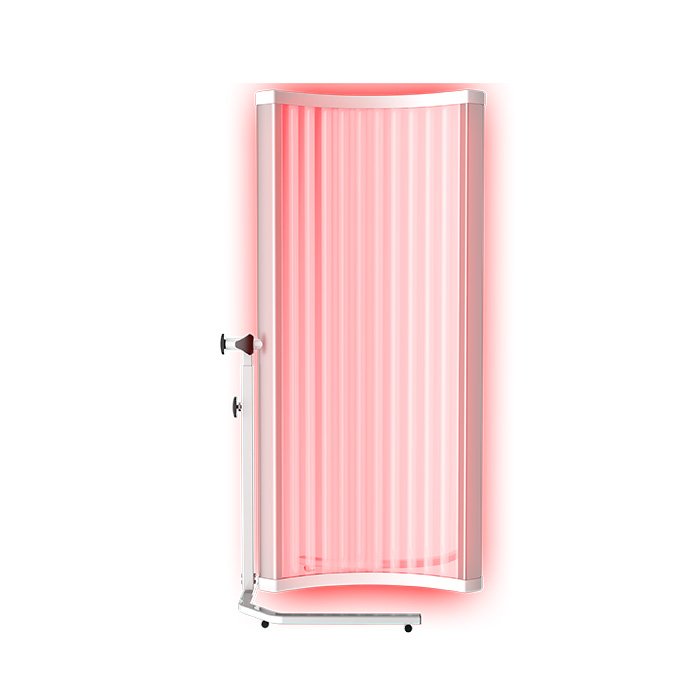
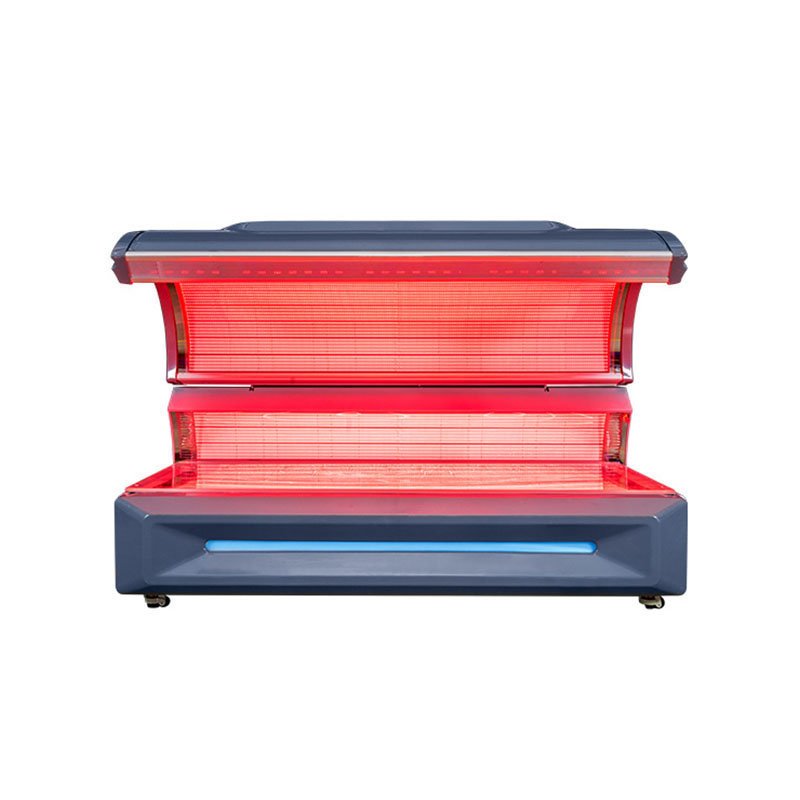
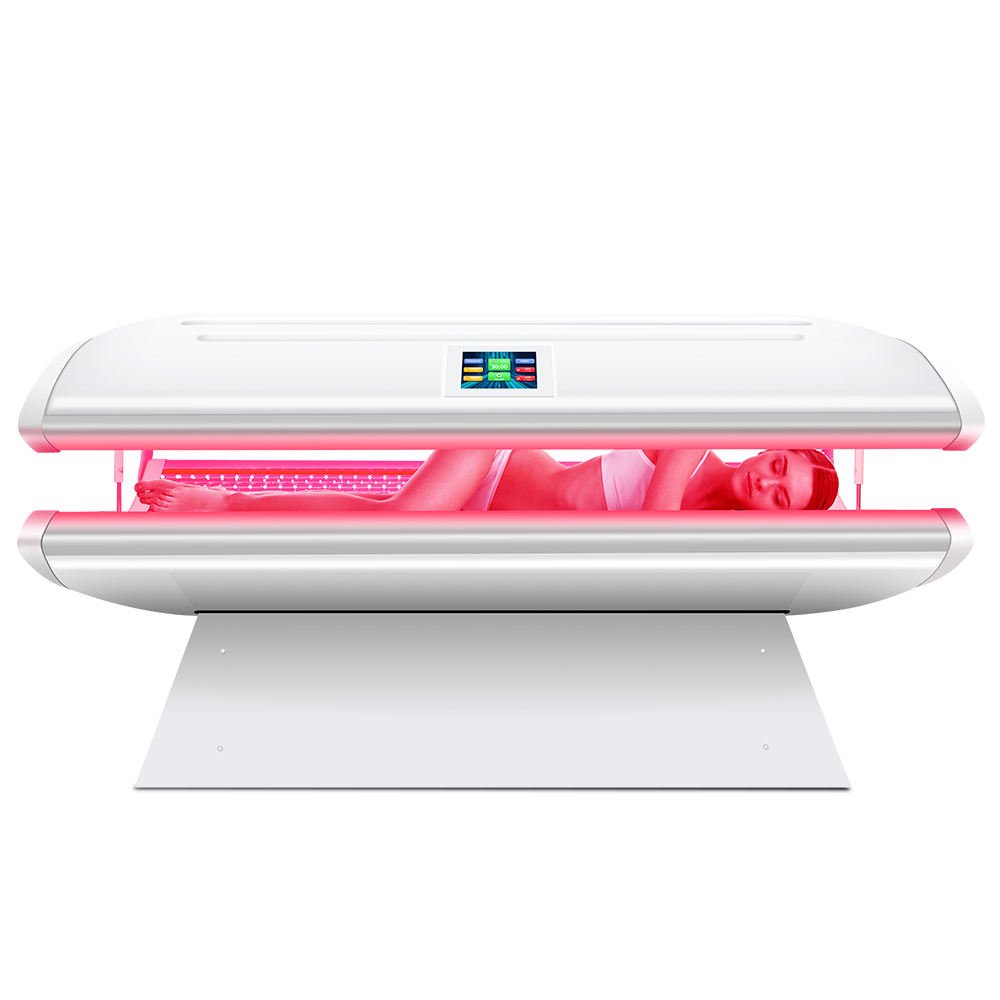
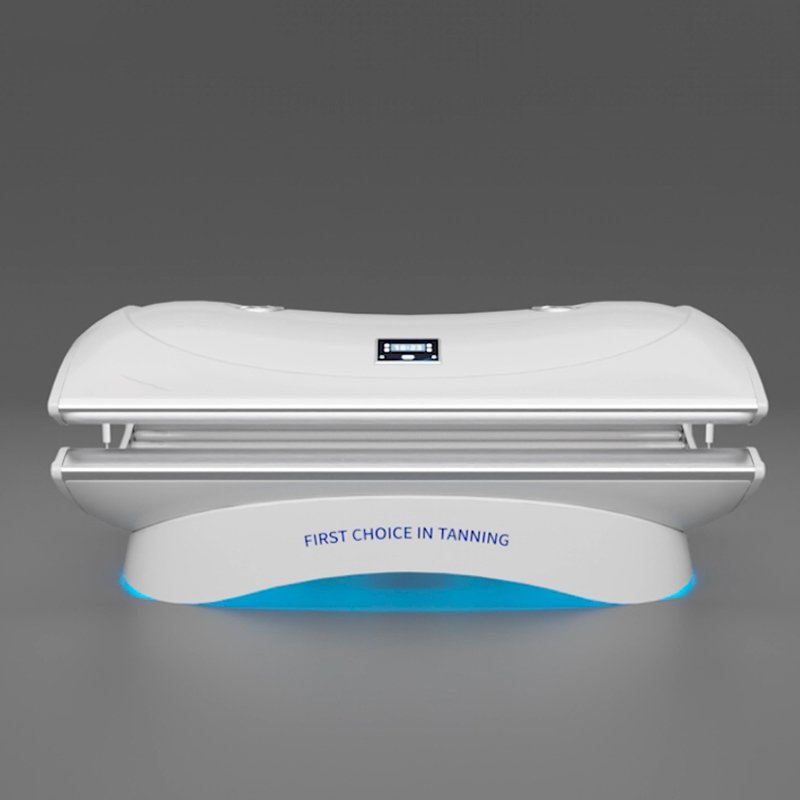
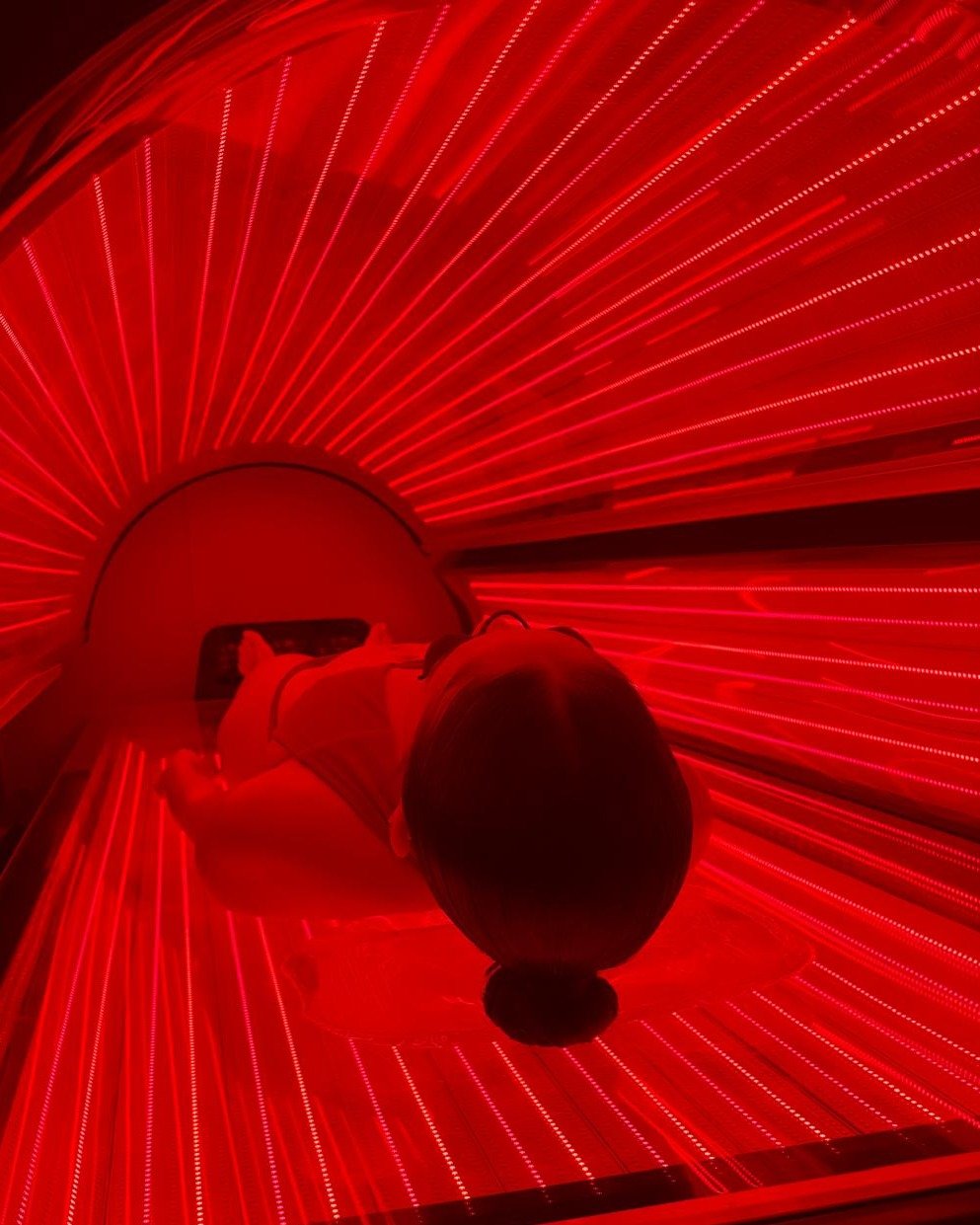
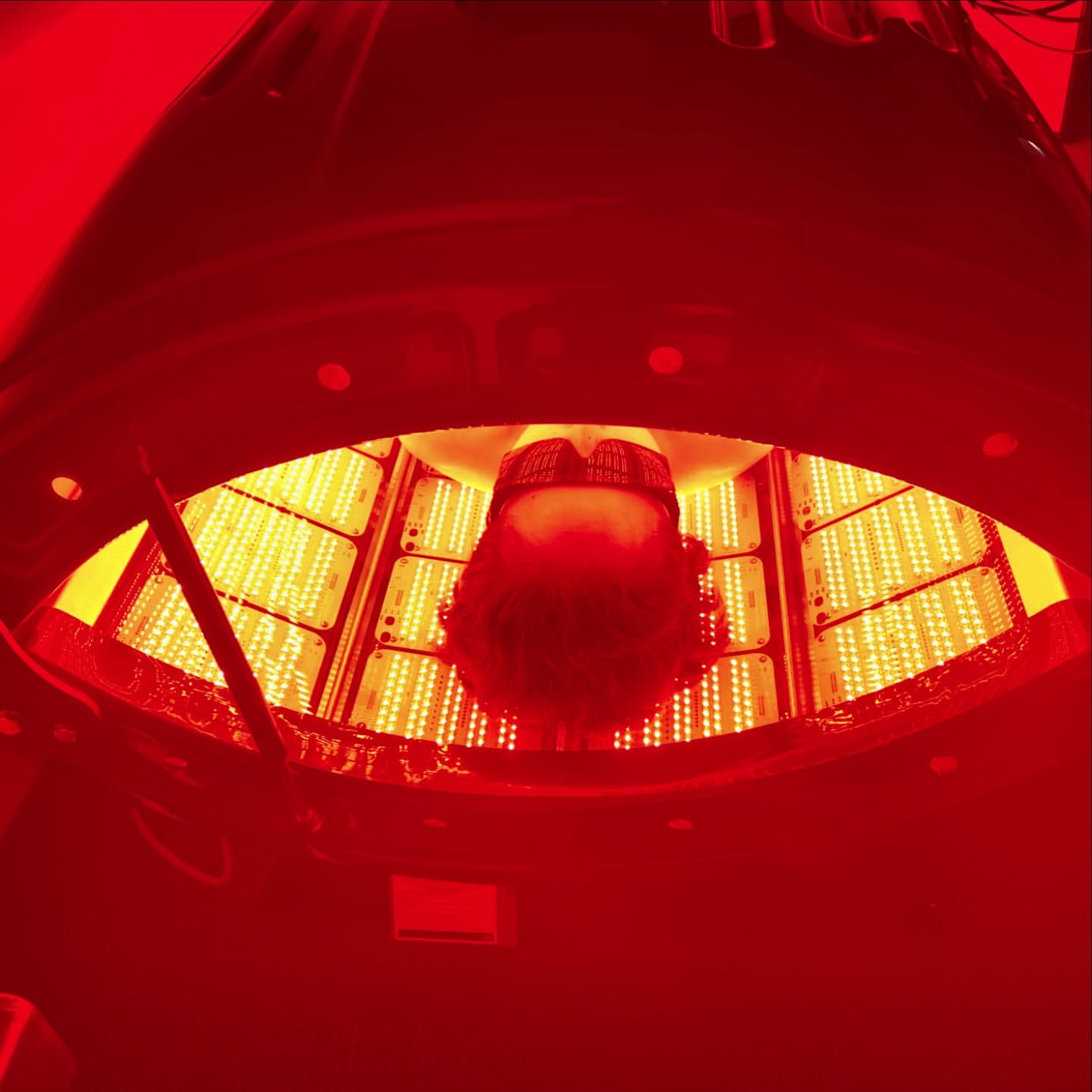
Lying on a red light therapy bed provides a comprehensive, non-invasive systemic treatment that utilizes specific wavelengths of red and near-infrared light to stimulate cellular energy production, drastically reduce bodily inflammation, and accelerate the natural repair of tissues and skin.
Red light therapy acts as a bio-energetic boost for your body, functioning primarily by stimulating the mitochondria—the “power plants” within your cells—to produce more energy in the form of Adenosine Triphosphate (ATP). When your cells have more energy, they function more efficiently
If you are curious about the timeline for seeing tangible improvements from red light therapy, the answer lies in understanding that this is a cumulative biological process, much like exercise or nutrition





 EN
EN EN_GB
EN_GB DE
DE EL
EL ES
ES UZ
UZ FR
FR IT
IT JA
JA CS
CS DA
DA DE_AT
DE_AT FI
FI ET
ET HR
HR FR_BE
FR_BE HU
HU KO
KO IS
IS KA
KA LT
LT NL
NL UK
UK TR
TR SV
SV SR
SR SL
SL SK
SK RU
RU RO
RO PT
PT NB
NB AR
AR CY
CY