





If you’ve ever found yourself lying awake at night, struggling to get a good night’s sleep, you’re not alone. It’s easy to become frustrated with restless nights, especially when it seems like no matter how much you try, your body just won’t cooperate. Sleep should be a time for relaxation and rejuvenation, but for many, it’s the source of stress and discomfort. From counting sheep to trying different sleep aids, there are many avenues people turn to for help.
However, one solution that has been gaining attention in recent years is red light therapy. Though it might sound unconventional, it has shown promising results in helping individuals fall asleep faster and improve the quality of their rest. But how exactly does red light therapy impact sleep, and why should you consider incorporating it into your nightly routine?
In this article, we’ll delve into the science behind red light therapy, explore its benefits for sleep, and offer actionable tips on how to use it to achieve your best night’s sleep yet.

1. Understanding Red Light Therapy and Sleep
What is Red Light Therapy?
Red light therapy involves exposure to light that emits specific wavelengths, typically in the range of 600-650 nanometers. Unlike the bright blue light emitted from devices like phones and computers, which can disrupt your sleep patterns, red light offers a different set of benefits. It has been studied for its potential to improve sleep quality, reduce inflammation, and even accelerate muscle recovery. Red light therapy works by stimulating the mitochondria in your cells, which may enhance the production of ATP (adenosine triphosphate), a molecule that provides energy to the cells, and helps the body heal and repair.
How Does Red Light Affect Sleep?
When it comes to sleep, the key hormone that plays a major role is melatonin. Your brain begins to release melatonin as darkness falls, signaling to your body that it’s time to rest. However, exposure to bright light, especially the blue light from screens, can inhibit the production of melatonin, making it difficult to fall asleep. Red light therapy, on the other hand, does not have this negative effect. Instead, it helps to support your body’s natural circadian rhythm by promoting melatonin production, encouraging relaxation, and facilitating a deeper, more restful sleep.
What Do the Studies Say?
Recent research has shown that red light therapy can be particularly beneficial for people dealing with sleep issues, including insomnia. In studies involving athletes and individuals recovering from physical exertion, red light exposure before bed was found to enhance sleep quality, improve recovery time, and help regulate the body’s sleep-wake cycle. These findings suggest that red light therapy has the potential to support better sleep, not just for athletes but for anyone struggling with sleep disturbances.
2. The Science Behind Red Light Therapy’s Sleep Benefits
Red Light and Melatonin Production
As we mentioned, melatonin is a critical player in your body’s sleep-wake cycle. Without adequate melatonin, it can be difficult to feel sleepy, leading to insomnia and disrupted sleep patterns. Red light therapy has been shown to have a positive impact on melatonin production. By exposing your body to red wavelengths, you signal to your brain that it’s time to wind down and prepare for rest.
The Calming Effects on the Nervous System
In addition to aiding melatonin production, red light therapy may also have a calming effect on the nervous system. For individuals with anxiety or other mental health challenges that prevent sleep, red light therapy can be a natural alternative to pharmaceutical sleep aids. Research indicates that red light exposure before bed can reduce anxiety levels and help calm the nervous system, promoting a more relaxed state conducive to sleep.
Improving Sleep for Those with Sleep Disorders
People with sleep disorders, like insomnia or delayed sleep phase disorder (DSPD), can benefit greatly from red light therapy. DSPD occurs when the body’s internal clock is misaligned, causing individuals to stay awake late into the night and struggle to wake up early. By incorporating red light exposure into the evening routine, you may be able to reset your body’s internal clock, making it easier to fall asleep at a more typical time.
3. How to Integrate Red Light Therapy Into Your Routine for Better Sleep
Incorporating red light therapy into your evening routine doesn’t have to be complicated. Here are a few simple tips to maximize its benefits for a restful night of sleep:
1. Use Red-Tinted Lighting to Set the Mood
Before diving into red light therapy devices, start by setting the mood with red-tinted lights in your home. Switch to dim red bulbs or lamps in the hour or two before bed. Red-tinted lighting can help reduce the stimulating effects of bright lights and blue light from screens, signaling to your body that it’s time to wind down. This simple adjustment can make a big difference in how quickly you fall asleep.
2. Try a Red Light Therapy Device
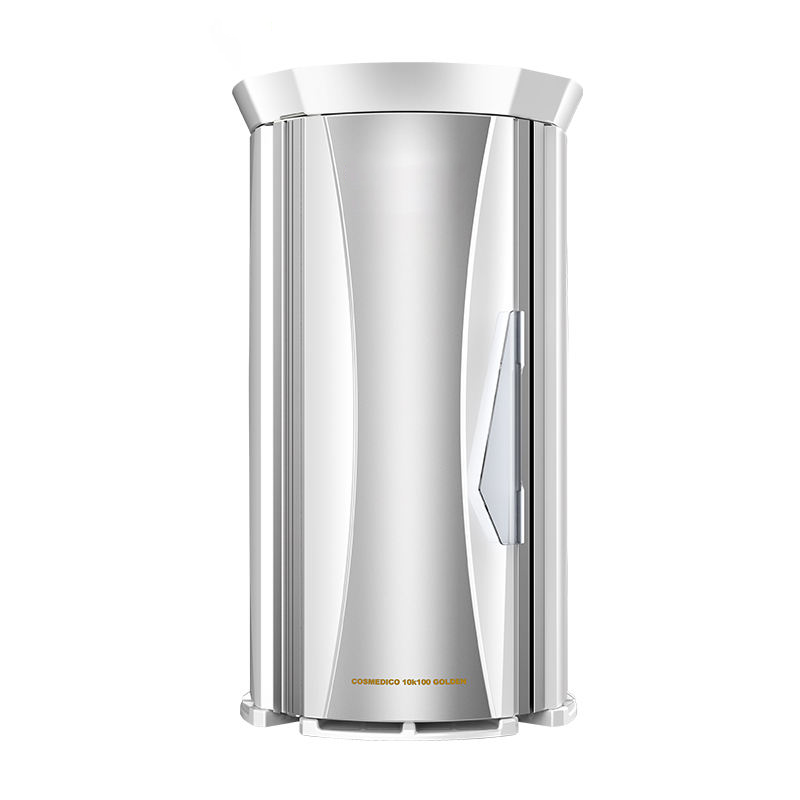
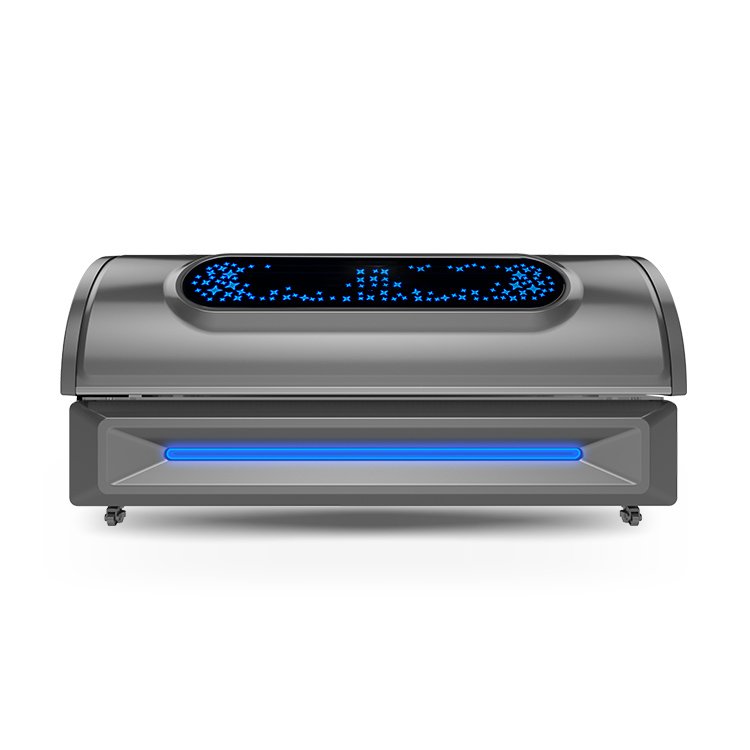
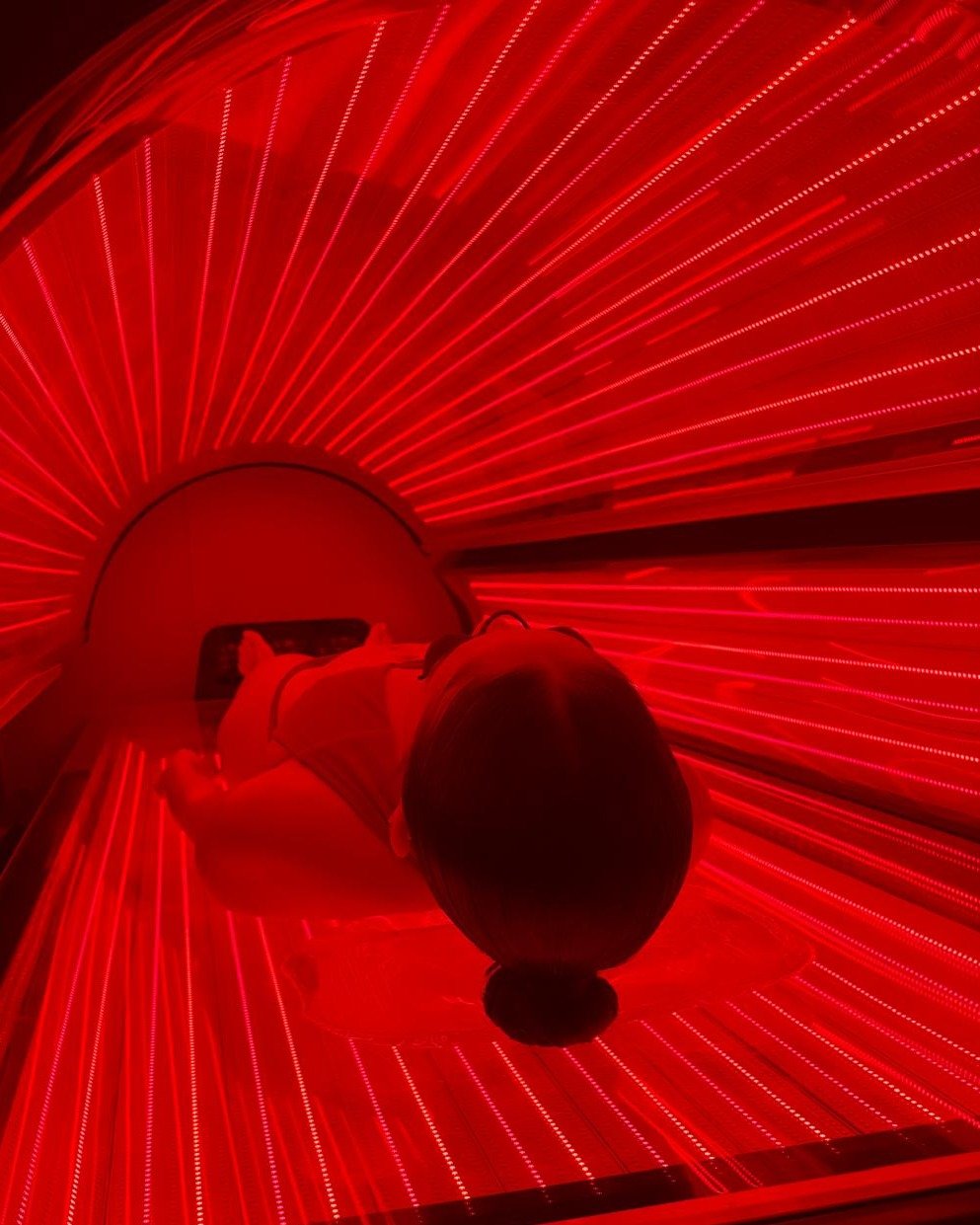
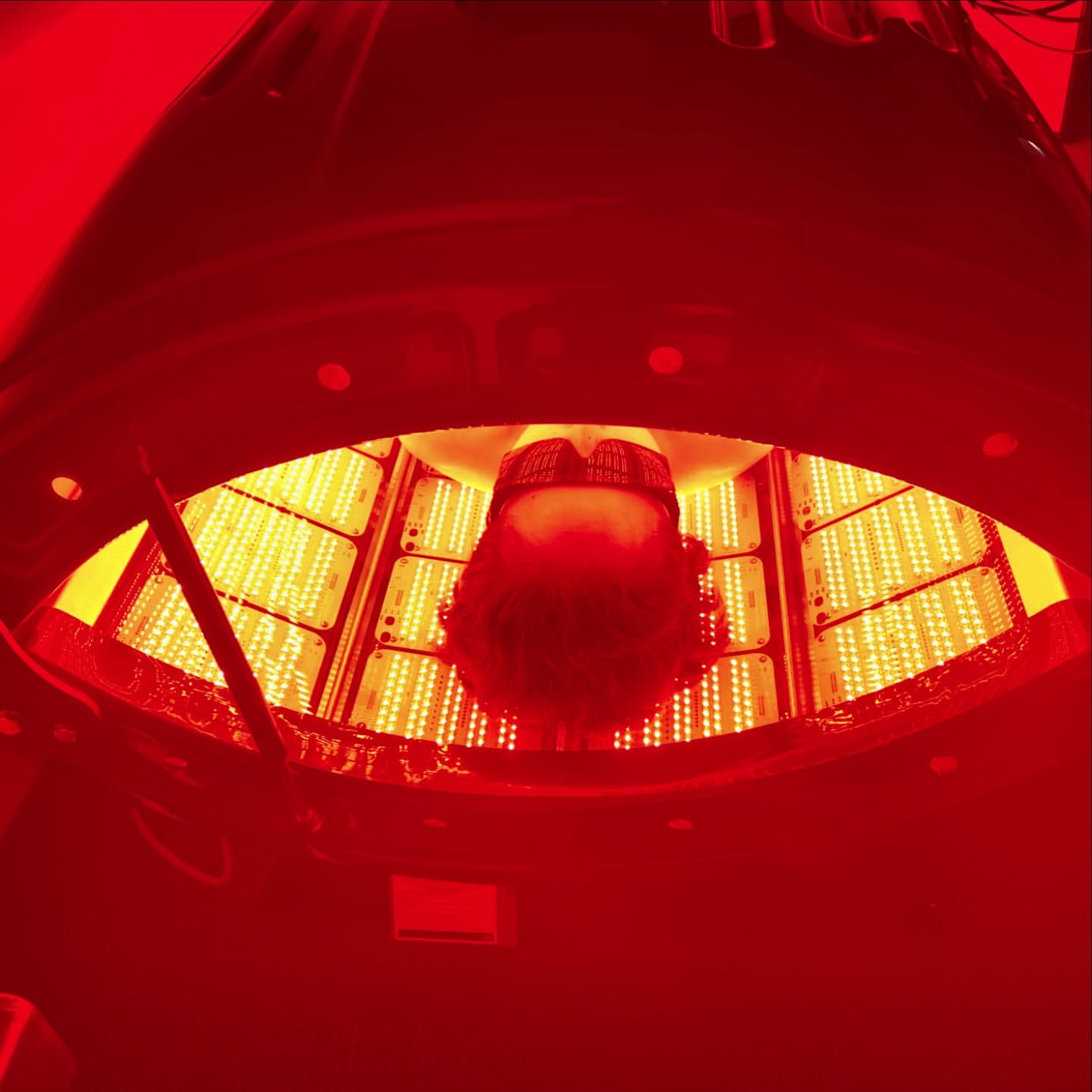
For a more targeted sleep boost, consider using a red light therapy device. These devices emit specific wavelengths of red light that have been shown to support sleep quality. A brief session, lasting 10-20 minutes, before bed can help relax your body and prepare it for sleep. Follow the manufacturer’s guidelines to ensure you’re using the device effectively and safely.

3. Limit Blue Light Exposure Before Bed
Blue light exposure, especially from phones, tablets, and computers, can interfere with melatonin production. To maximize the benefits of red light therapy, make sure to limit your screen time in the hour leading up to bed. If you must use electronic devices, consider using blue light filters or enabling “night mode” settings on your devices. This will help mitigate the negative effects of blue light.
4. Stick to a Consistent Bedtime Routine
Red light therapy works best when incorporated into a consistent bedtime routine. Set a regular sleep schedule and make your red light therapy part of your nightly ritual. The more consistent you are with this routine, the more effectively your body will respond, improving your overall sleep quality.
4. Additional Features to Enhance Your Sleep with Red Light Therapy
While red light therapy can work wonders on its own, there are other lifestyle changes you can implement to maximize your sleep benefits:
1. Pair Red Light Therapy with Relaxation Techniques
In addition to using red light, consider pairing it with other relaxation techniques, such as meditation, deep breathing, or reading. These activities can help calm the mind and prepare you for a peaceful night’s sleep. You may also want to explore guided sleep exercises or listening to soothing sounds before bed.
2. Create an Ideal Sleep Environment
An optimal sleep environment can have a significant impact on how well you sleep. In addition to using red light therapy, ensure your bedroom is cool, dark, and quiet. A comfortable mattress and pillow can also improve your quality of sleep. Consider investing in blackout curtains or a white noise machine if external light or noise interferes with your rest.
5. FAQs About Red Light Therapy for Sleep
1. Is red light therapy safe for nightly use?
Yes, red light therapy is considered safe for nightly use when used properly. It is non-invasive, and studies have shown it has a calming effect on the body’s circadian rhythm. However, as with any therapy, it’s always a good idea to consult with a healthcare provider if you have any concerns.
2. How long should I use red light therapy before bed?
A typical red light therapy session lasts around 10-20 minutes before bed. Starting with shorter sessions and gradually increasing the duration can help you determine the optimal exposure time for your needs.
3. Can red light therapy help with insomnia?
Yes, red light therapy may help regulate the circadian rhythm, making it easier to fall asleep and stay asleep. While it’s not a cure-all, incorporating red light therapy into your routine can be a valuable tool for managing insomnia.
Conclusion
Red light therapy offers an exciting natural solution for individuals struggling with sleep disturbances. By supporting melatonin production, calming the nervous system, and promoting a deeper, more restful sleep, red light therapy can enhance the quality of your sleep and help reset your body’s internal clock. By incorporating it into a consistent bedtime routine and combining it with other sleep-promoting practices, you can enjoy the restful sleep you’ve been dreaming of.
Ready to get better sleep? Try adding red light therapy to your nightly routine and see the difference it can make!

 EN
EN EN_GB
EN_GB DE
DE EL
EL ES
ES UZ
UZ FR
FR IT
IT JA
JA CS
CS DA
DA DE_AT
DE_AT FI
FI ET
ET HR
HR FR_BE
FR_BE HU
HU KO
KO IS
IS KA
KA LT
LT NL
NL UK
UK TR
TR SV
SV SR
SR SL
SL SK
SK RU
RU RO
RO PT
PT NB
NB AR
AR CY
CY