


If you’re curious about the effectiveness of red light therapy and how long it takes to see results, you’re not alone. Whether you’re dealing with a specific condition or simply looking for an alternative method to improve overall health, red light therapy might be the solution. But how long should you expect to wait before seeing tangible results? In this guide, we’ll explore how quickly red light therapy works, what to expect from your sessions, and how often you should use it for optimal results.

1. Understanding Red Light Therapy
Red light therapy, also known as photobiomodulation (PBMT), is a therapeutic treatment that uses specific wavelengths of light to promote healing and reduce inflammation in the body. By targeting the mitochondria—the powerhouse of cells—red light therapy helps to enhance cellular energy production, known as ATP (adenosine triphosphate). This boost in energy speeds up recovery, relieves pain, and improves tissue repair.
While red light therapy offers a variety of benefits, understanding how long it takes to see results depends on several factors, including the condition being treated and the frequency of your sessions.
2. Immediate Benefits of Red Light Therapy
Quick Relief from Inflammation and Pain
One of the immediate effects of red light therapy is its ability to reduce inflammation and provide relief from pain. For acute injuries, such as sprains or strains, you may notice a reduction in swelling and discomfort after just one session. The light works by enhancing circulation and stimulating the body’s natural healing processes, offering almost immediate relief.
Enhanced Mood and Better Sleep
In addition to its physical benefits, red light therapy can also positively impact mental well-being. Many users report feeling more relaxed and experiencing better sleep quality following a session. This is due to the therapy’s ability to increase melatonin production, which regulates sleep cycles.
3. Long-Term Results: How Quickly Can You Expect to See Them?
While you might notice some improvements after a single session, long-term results require consistent therapy. For chronic conditions, such as arthritis, it may take several weeks of regular sessions before you start seeing significant improvements.
Reducing Chronic Inflammation
Chronic inflammation is a common issue that can lead to a variety of health problems, including joint pain and even cardiovascular diseases. Red light therapy has been proven to gradually reduce chronic inflammation, with noticeable improvements appearing over multiple sessions. The key to managing chronic inflammation is consistency—regular treatments allow the body to continuously heal and rebuild tissue over time.
Collagen Production and Skin Health
Red light therapy stimulates collagen production, which is crucial for skin elasticity and healing. For people looking to combat signs of aging or improve skin texture, results can be seen over several weeks. Collagen helps to diminish fine lines, wrinkles, and acne scars, giving your skin a smoother and more youthful appearance.
Muscle Recovery and Enhanced Athletic Performance
For athletes or those engaging in regular exercise, red light therapy can enhance recovery times and boost performance. The therapy accelerates muscle repair and can help delay fatigue during intense workouts. By improving circulation and reducing muscle inflammation, red light therapy provides both short-term relief and long-term benefits for athletic recovery.
4. Factors Influencing the Effectiveness of Red Light Therapy
Type of Condition
The duration of treatment and the time it takes to see results can vary depending on the condition being treated. Acute conditions, such as sprains or muscle strains, may show improvement after just a few sessions, whereas chronic conditions like arthritis or tendonitis require more time to see lasting changes.
Frequency of Sessions
The more frequently you undergo red light therapy, the faster you’ll see improvements. A typical treatment plan starts with multiple sessions per week, which gradually taper off as you reach your goals. For optimal results, it’s recommended to undergo sessions two to three times per week for several weeks, especially if you are treating a chronic condition.
The Device Used
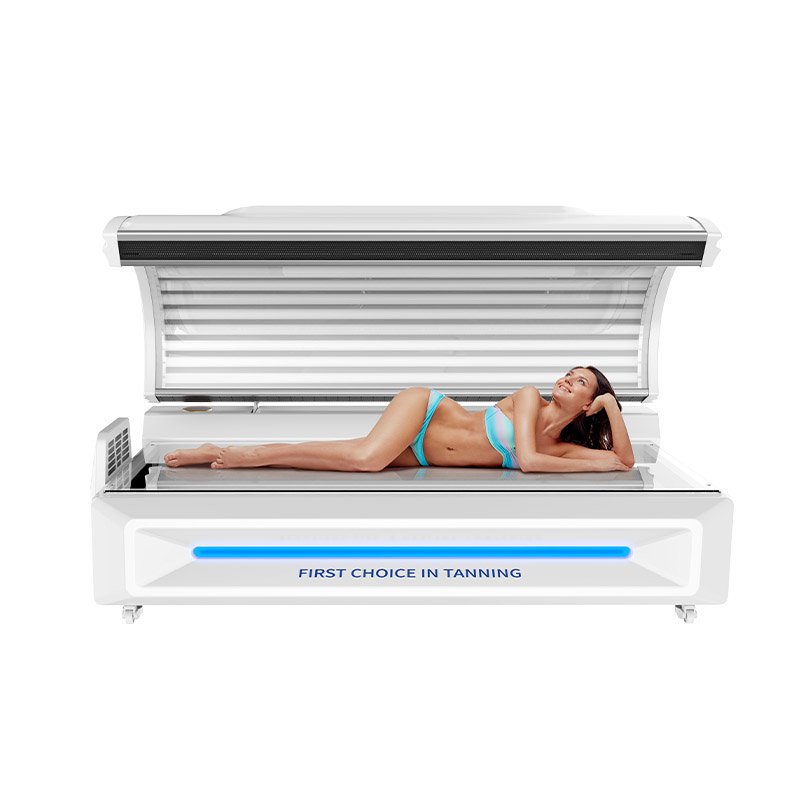
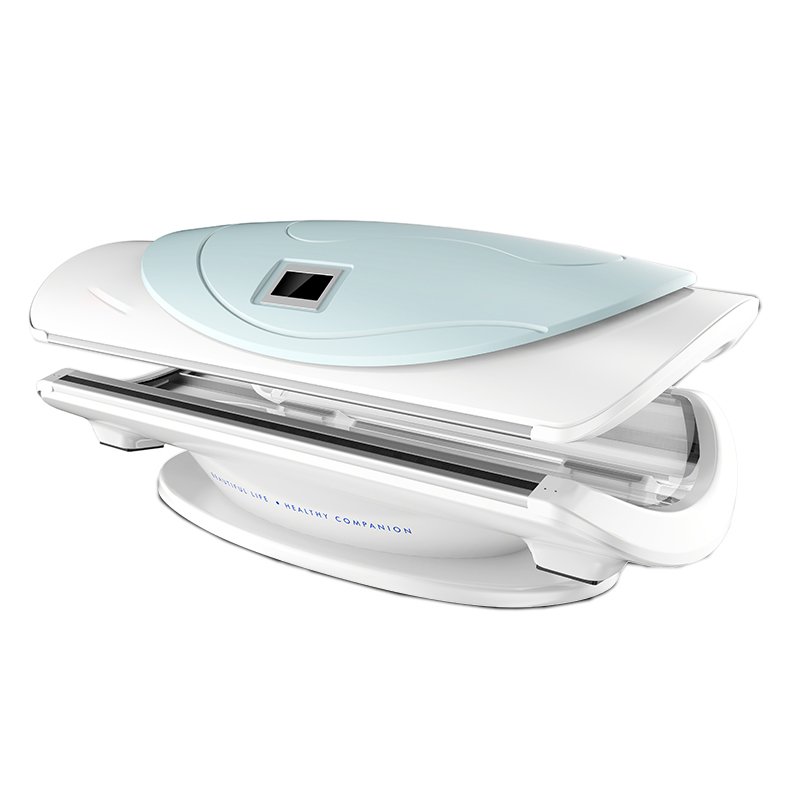
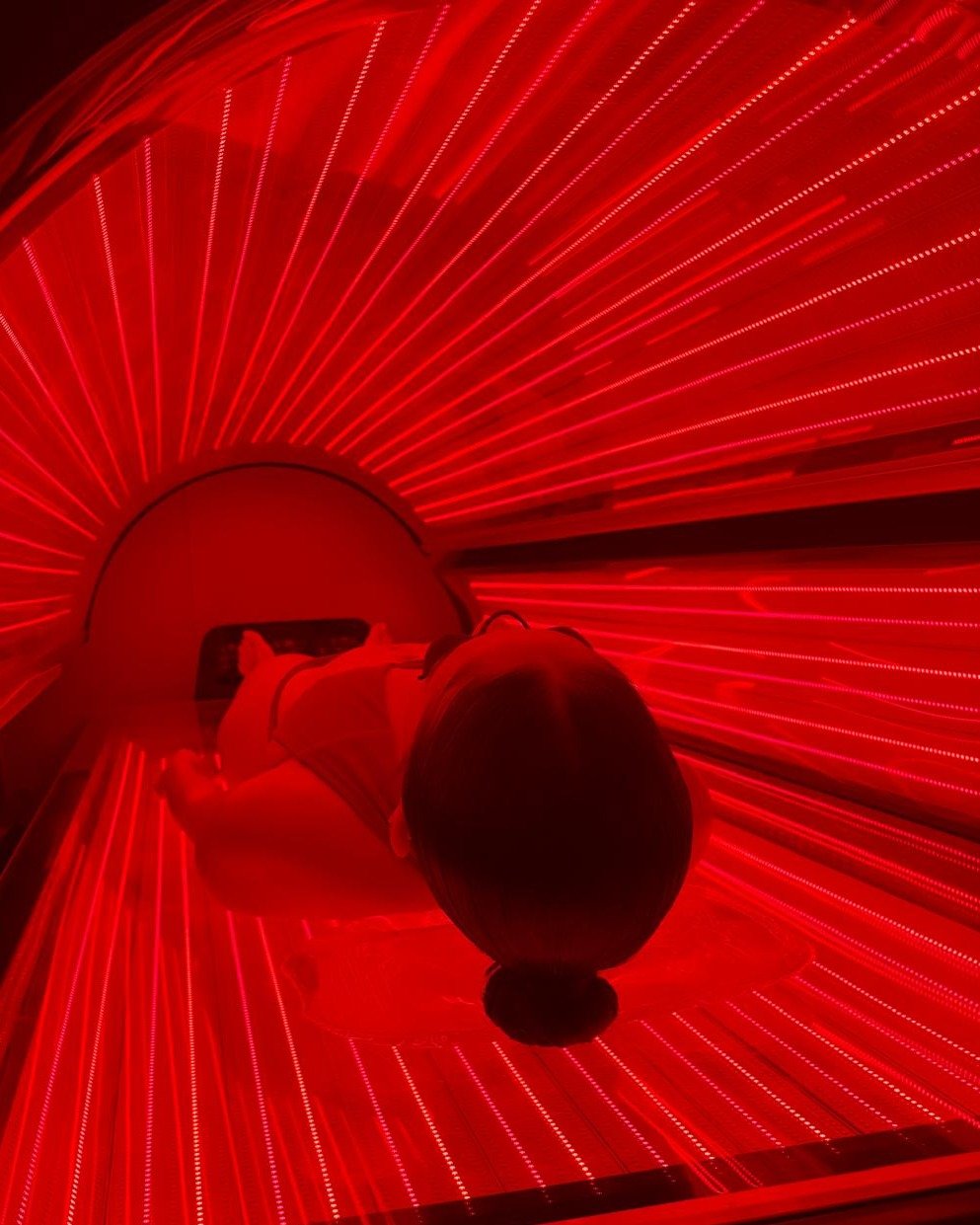
There are various types of red light therapy devices, each with its own treatment protocols. Red light therapy beds, which provide full-body treatment, tend to be more efficient for people seeking comprehensive, all-around benefits. However, smaller devices, such as handheld panels or lasers, can be just as effective when targeting specific areas.
5. Typical Treatment Plans for Red Light Therapy
Initial Phase
The first few weeks of treatment generally involve three sessions per week. During this phase, your body starts to acclimate to the therapy, and you’ll begin noticing improvements in both acute pain relief and chronic inflammation.

Maintenance Phase
After the initial treatment period, most individuals will switch to a maintenance plan, which consists of two sessions per week. This helps to maintain the progress made and continue to manage any lingering inflammation or discomfort.
Long-Term Maintenance
For ongoing benefits, you may only need one session per week. This is especially true if your primary goal is to reduce signs of aging or maintain overall wellness. Regular sessions will help keep your body in peak condition, ensuring that you continue to feel the benefits of red light therapy.
6. How Long Should Each Red Light Therapy Session Last?
The duration of each red light therapy session depends on your treatment goals. On average, sessions last anywhere from 10 to 20 minutes, depending on the area being treated and the intensity of the therapy. Red light therapy beds usually require 15 to 20 minutes for full-body treatments, while handheld devices may take less time due to their targeted approach.
7. Is Red Light Therapy Safe?
Yes, red light therapy is safe and non-invasive. It does not involve any harsh chemicals or surgical procedures, making it a great alternative for people looking for a natural healing method. Additionally, since it doesn’t generate heat in the tissues like some other therapies, it is a comfortable and painless treatment.
8. The Bottom Line: Patience and Consistency Are Key
While you may experience immediate benefits from red light therapy, such as pain relief and improved mood, long-term results require consistent use over time. Red light therapy helps the body heal from the inside out, addressing both acute and chronic conditions. Whether you’re aiming to reduce inflammation, improve skin health, or boost athletic performance, red light therapy can provide powerful results with regular sessions.
Extra Features to Consider
- Personalized Treatment Plans: Consulting a professional is important to ensure that you’re receiving a treatment plan tailored to your specific needs. Everyone’s body responds differently to red light therapy, so having an expert guide you is essential for the best results.
- Red Light Therapy for Mental Health: Some studies suggest that red light therapy can help alleviate symptoms of depression and anxiety. While more research is needed, incorporating it as part of a mental health treatment regimen may be beneficial for some individuals.
Frequently Asked Questions (FAQs)
1. How soon can I see results from red light therapy for muscle pain?
It depends on the severity of the muscle pain and your body’s response to treatment. Many people experience immediate relief after just one session, while long-term benefits may take several weeks of consistent therapy.
2. Can red light therapy help with chronic conditions like arthritis?
Yes, red light therapy is effective for reducing inflammation and managing symptoms of chronic conditions like arthritis. Results are gradual, with noticeable improvements often seen after several weeks of regular treatments.
3. How often should I use red light therapy for skin rejuvenation?
For skin health and anti-aging, it’s recommended to start with 2-3 sessions per week. Over time, you can reduce the frequency to 1-2 sessions per week for maintenance.
Red light therapy is a safe, effective, and non-invasive treatment for a variety of conditions. Whether you’re seeking immediate pain relief or long-term health improvements, incorporating red light therapy into your routine can help you achieve your wellness goals. The key is to remain patient and consistent with your treatments to enjoy both short-term and lasting results.

 EN
EN EN_GB
EN_GB DE
DE EL
EL ES
ES UZ
UZ FR
FR IT
IT JA
JA CS
CS DA
DA DE_AT
DE_AT FI
FI ET
ET HR
HR FR_BE
FR_BE HU
HU KO
KO IS
IS KA
KA LT
LT NL
NL UK
UK TR
TR SV
SV SR
SR SL
SL SK
SK RU
RU RO
RO PT
PT NB
NB AR
AR CY
CY