
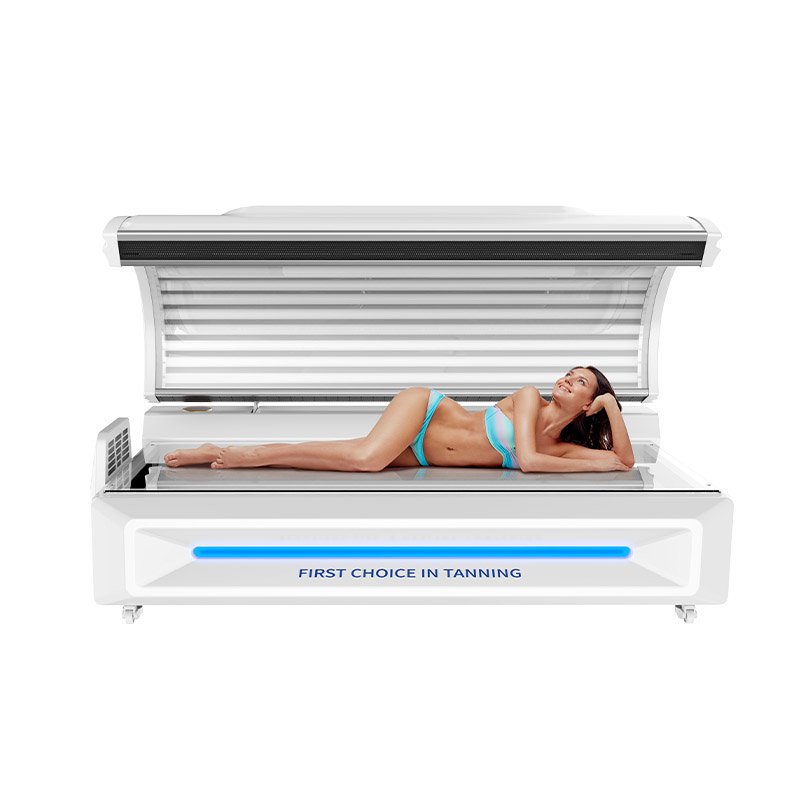




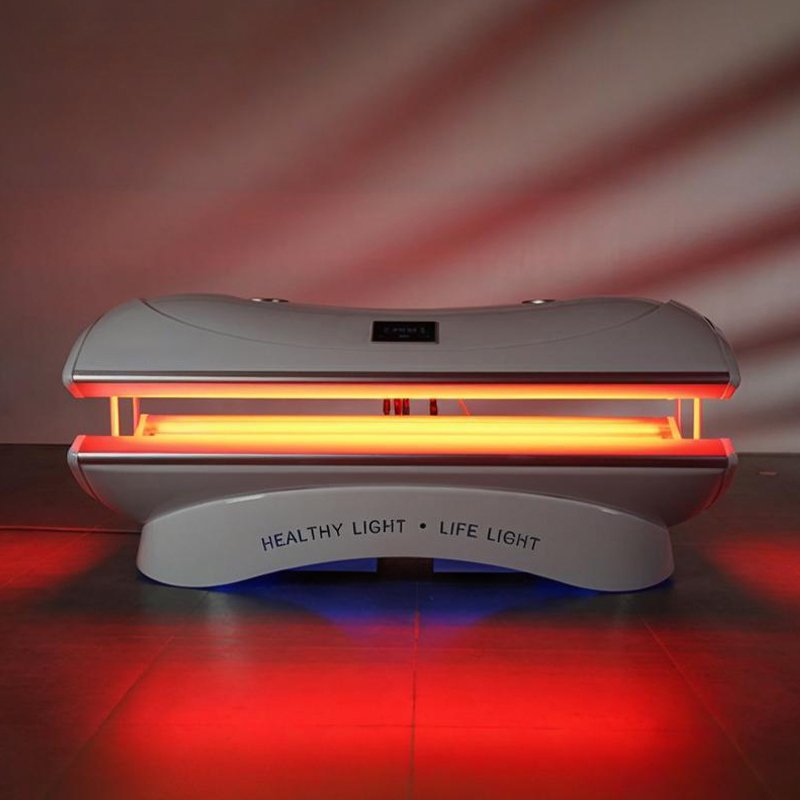
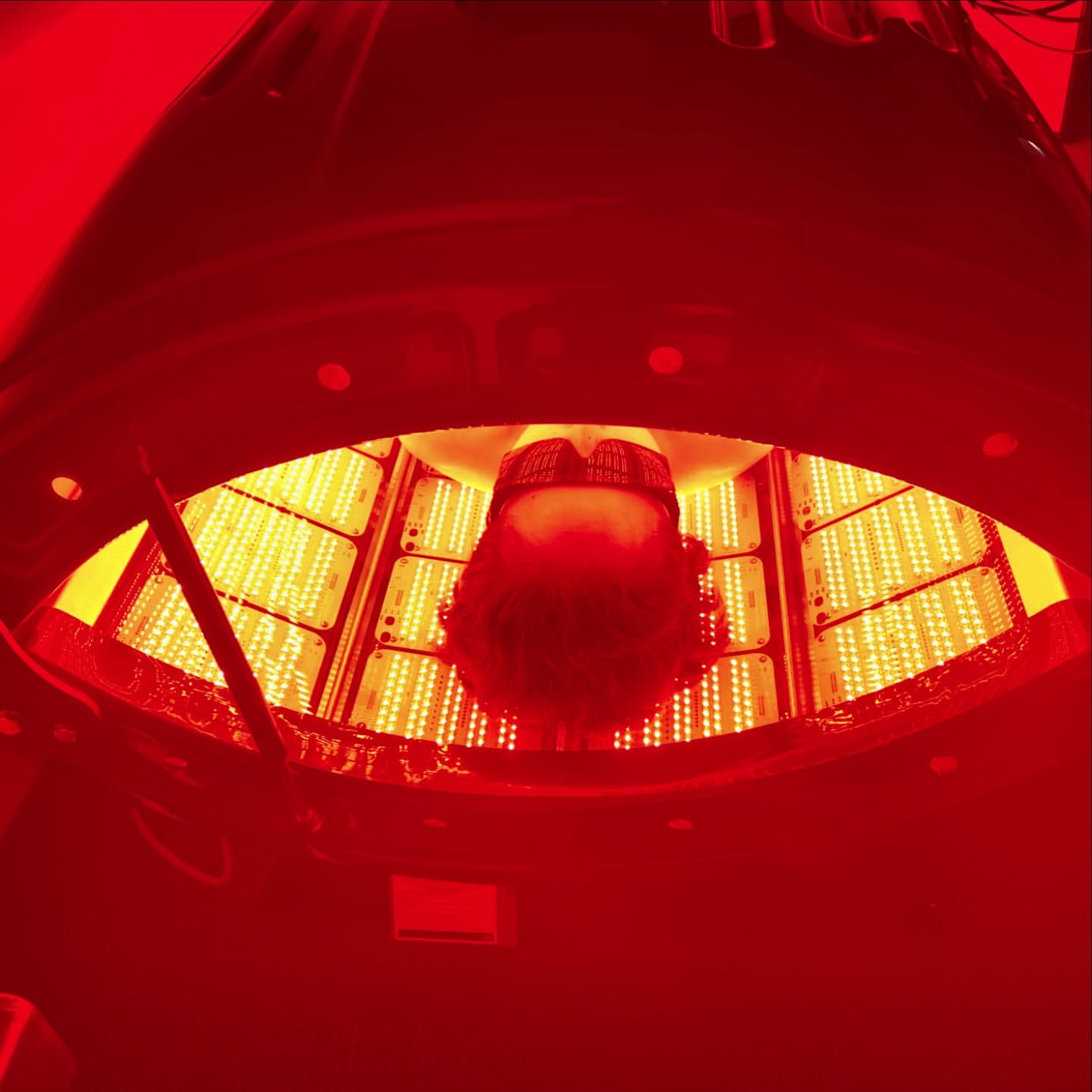
Over the past decade, red light therapy has surged into mainstream consciousness as a safe, non-invasive method for skin regeneration, pain alleviation, and overall wellness enhancement. Once confined to high-end clinics and research institutions, full-body red light therapy beds are now accessible to both home users and professionals, demonstrating their versatility and therapeutic potential. Yet, as interest grows, so does the question on everyone’s mind: what is the investment required to bring this cutting-edge technology into your home or practice? In this comprehensive guide, we’ll unpack the factors shaping the price of a red light therapy bed, present a detailed cost breakdown, explore must-have features (including two exciting new additions), and equip you with everything you need to make an informed purchase. Whether you’re a wellness entrepreneur, a skincare enthusiast, or someone seeking natural pain relief, you’ll find invaluable insights to navigate this rapidly expanding market.

1. The Science Behind Red Light Therapy
Understanding why red light therapy beds command the prices they do begins with a closer look at the underlying science. Photobiomodulation—the process by which photons of specific wavelengths penetrate tissue to stimulate cellular repair—forms the cornerstone of red light therapy’s benefits. The most effective ranges lie between:
- 630–660 nm (Red Spectrum): Ideal for stimulating collagen production, improving skin texture, and reducing inflammation near the surface.
- 810–850 nm (Near-Infrared Spectrum): Deeper tissue penetration, promoting muscle recovery, joint health, and cellular energy (ATP) synthesis.
High-end beds often blend multiple wavelengths, ensuring both superficial and deep-tissue benefits in one session. Quality LEDs, powered by advanced driver circuitry, guarantee consistent irradiance (measured in mW/cm²) and uniform light distribution across the panels—features that directly influence cost and therapeutic efficacy.
2. Categories of Red Light Therapy Beds
When evaluating the price tag of a red light therapy bed, one of the first distinctions to make is its intended environment:
- Home-Use Models
Price Range: $3,000–$8,000
Compact footprint, simplified controls, and safety certifications (e.g., UL listing). Typically offers moderate irradiance suitable for personal wellness routines. - Small-Business/Studio Models
Price Range: $8,000–$15,000
Enhanced features like adjustable panel angles, higher irradiance, and digital timers. Designed to withstand more frequent use in boutique studios, gyms, or spas. - Professional/Clinical-Grade Beds
Price Range: $15,000–$30,000
Medical-grade components, rigorous clinical validation, full-body coverage, and precise wavelength configurations. Additional safety interlocks, ergonomic design, and extended warranties tailored for healthcare providers. - Premium Research-Grade Systems
Price Range: $30,000+
Cutting-edge technology developed for research institutions and advanced medical practices. Multi-wavelength arrays, integrated sensors for dose monitoring, and compatibility with patient record systems.
3. Key Determinants of Cost
Several interrelated factors dictate the final sticker price of a red light therapy bed:
3.1 Wavelength Configuration
Single-Wavelength Systems (e.g., 660 nm only): Lower cost but narrower therapeutic scope.
Dual/Quad-Wavelength Pods: Broader applications—combining red and near-infrared spectrums boosts price by 20–40%.
3.2 Irradiance Level
Measured in milliwatts per square centimeter (mW/cm²). Higher irradiance shortens treatment duration but necessitates premium LEDs and heat management, raising manufacturing costs.
3.3 Build Quality and Materials
Durable aluminum housings, military-grade wiring, and shatterproof diffusion panels add to longevity—and to cost. Waterproofing and UV-blocking filters for enhanced safety further increase production expenses.
3.4 Control Systems
- Basic Timers: Manual knobs or simple digital displays.
- Advanced Touchscreens & Programmable Sessions: Allow users to save customized protocols, integrate with smart home platforms, and adjust intensity in real time.
3.5 Certifications and Clinical Validation
Devices tested under ISO standards, clinically trialed by dermatologists or physiotherapists, typically carry a premium markup to recoup R&D and certification expenses.

4. Detailed Price Breakdown
| Tier | Price Range | Typical Features |
|---|---|---|
| Entry-Level Home | $3,000–$6,000 | Single-wavelength; moderate irradiance; basic timer. |
| Mid-Range Home/Studio | $6,000–$12,000 | Dual wavelengths; adjustable panels; touchscreen display. |
| Professional/Clinic | $12,000–$25,000 | Quad wavelengths; high irradiance; ergonomic design. |
| High-End Medical/Research | $25,000+ | Multi-spectrum; real-time dosimetry; data integration. |
5. Two Exciting Extra Features
To stand out in a crowded market and deliver unparalleled user experiences, manufacturers are integrating these innovative features:
5.1 Mobile App Connectivity & Data Analytics
Imagine controlling your therapy bed from your smartphone: scheduling sessions, adjusting intensity, and tracking cumulative light dosage over weeks or months. Integrated Bluetooth or Wi-Fi modules sync treatment data with mobile apps, offering insights into usage patterns, skin improvement metrics (via connected skin sensors), and even alerts when it’s time for a cleaning or firmware update.
5.2 Advanced Thermal Management & Comfort System
As LED arrays intensify, heat management becomes critical—not only for device longevity but also for user comfort. Some next-generation beds feature:
- Active Cooling: Quiet fan systems or Peltier modules that maintain a consistent surface temperature.
- Ergonomic Cushioning: Medical-grade memory foam or gel inserts to support the spine during extended sessions.
- Airflow Optimization: Vented panels ensure fresh air circulation, reducing post-session sweating and enhancing relaxation.
6. Are These Beds Worth the Investment?
With prices ranging from a few thousand to tens of thousands of dollars, the big question remains: is a red light therapy bed a smart purchase? Consider the following:
- Health & Wellness Benefits: Clinically demonstrated improvements in collagen synthesis, reduction of fine lines, accelerated wound healing, and relief from chronic joint pain.
- Time Savings: Higher irradiance levels translate to shorter treatment sessions—ideal for busy professionals and spa owners looking to maximize throughput.
- Revenue Potential for Businesses: Spas, salons, and fitness centers can command premium rates for red light therapy packages, recouping equipment costs within months.
For home users, long-term savings accrue when replacing repeated in-office visits with at-home sessions. Clinics benefit from the ability to offer a broader array of services under one roof, attracting clientele seeking holistic care.
7. Tips for Getting the Best Value
Whether you’re buying for personal use or outfitting a wellness facility, follow these guidelines to ensure you get the most bang for your buck:
- Assess Your Goals: Cosmetic skin rejuvenation demands different specifications than athletic recovery or pain management.
- Check Wavelength Specs: Ensure the bed covers at least two complementary wavelengths.
- Measure Irradiance: Look for beds offering at least 100 mW/cm² at panel surface for efficient sessions.
- Investigate Warranty & Support: A minimum two-year warranty and responsive customer service are non-negotiable.
- Read Clinical Studies: Opt for manufacturers that publish peer-reviewed research validating their devices.
- Consider Operating Costs: Factor in replacement of LED modules, electricity usage (typically 1–2 kW per session), and maintenance supplies.
8. Maintenance and Long-Term Costs
Owning a red light therapy bed isn’t just a one-time purchase. You’ll want to budget for:
- LED Module Replacement: After 10,000–20,000 hours of use, panels may dim and require module swaps ($500–$2,000).
- Electrical Consumption: Running at 1.5 kW, a daily one-hour session can cost roughly $0.20–$0.30 in electricity.
- Cleaning Supplies: Non-abrasive sprays or wipes recommended by the manufacturer to preserve diffusion panels.
- Firmware Updates & Calibration: Some models charge a small fee for periodic software upgrades or professional recalibration visits.
9. Safety, Certifications, and Best Practices
Before making a final decision, verify that any bed you consider has:
- UL/CE Certification: Confirms electrical safety standards are met.
- FDA Clearance or Medical CE Mark: Especially important for devices marketed with therapeutic claims.
- Built-In Safety Features: Emergency shut-off switches, overheating sensors, and UV filters.
User Guidelines: Always wear eye protection when using red light therapy beds. Start with shorter sessions to assess individual tolerance, and consult a healthcare provider if you have photosensitive conditions or are on light-sensitive medications.
Conclusion
Determining how much a red light therapy bed costs hinges on your specific needs, from the spectrum and power to the device’s intended setting—home sanctuary or bustling spa. Entry-level models open the door at around $3,000, while professional and research-grade systems can exceed $30,000. By weighing key factors like wavelength diversity, irradiance, build quality, and certifications—and by exploring advanced features such as mobile app control and advanced thermal management—you can match the perfect bed to your wellness goals or business ambitions. While the upfront investment may seem substantial, the potential for healthier skin, reduced pain, faster recovery, and even new revenue streams make red light therapy beds a compelling long-term value. Always prioritize quality, manufacturer support, and proven clinical validation to ensure you harness the full potential of photobiomodulation technology.
Frequently Asked Questions
1. How long should a typical red light therapy session last?
Most users experience benefits with sessions ranging from 5 to 20 minutes per area, depending on the bed’s irradiance. Higher-power beds require shorter durations to achieve the same dose.
2. Can multiple people use the same red light therapy bed safely?
Yes—provided you wipe down surfaces with approved disinfectants between users and adhere to manufacturer safety guidelines, red light therapy beds are ideal for multi-user environments like studios and clinics.
3. Is there an optimal age to start using red light therapy?
While there is no strict age limit, most experts recommend adults over 18. Those with specific health conditions or pregnant individuals should consult a medical professional before beginning treatment.

 EN
EN EN_GB
EN_GB DE
DE EL
EL ES
ES UZ
UZ FR
FR IT
IT JA
JA CS
CS DA
DA DE_AT
DE_AT FI
FI ET
ET HR
HR FR_BE
FR_BE HU
HU KO
KO IS
IS KA
KA LT
LT NL
NL UK
UK TR
TR SV
SV SR
SR SL
SL SK
SK RU
RU RO
RO PT
PT NB
NB AR
AR CY
CY